Nvidia Board Prepares to Oust CEO Jensen Huang Amid Expanding Workplace Conduct and Espionage Investigations

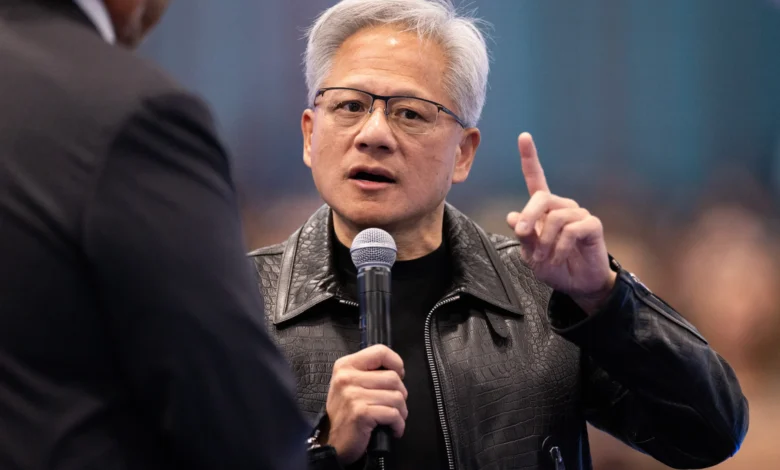
The corporate governance structure of one of the world’s most valuable technology companies is facing an unprecedented crisis. Nvidia CEO and co-founder Jensen Huang is confronting mounting pressure from multiple fronts, including an active corporate investigation, potential congressional inquiries, and explosive new reporting regarding workplace conduct. Following a turbulent sequence of events that began with Huang’s public admission of an extramarital affair with a woman accused of operating as a Chinese intelligence asset, fresh allegations have emerged regarding a second relationship with a direct subordinate within the company.
The compounding controversies have rapidly accelerated from a private personal matter into a major geopolitical and corporate governance crisis. According to recent reports from the New York Times and the Wall Street Journal, Nvidia’s board of directors is now actively preparing to oust Huang, a leader widely credited with steering the semiconductor giant to the forefront of the global artificial intelligence boom. The convergence of national security concerns, potential conflicts of interest, and internal policy violations threatens to unseat one of the most influential figures in modern technology.
The Expanding Workplace Conduct Allegations
The latest development in the unfolding scandal centers on Kimberly Powell, Nvidia’s vice president of health care. According to reporting published by the New York Times, Huang is suspected of engaging in an extramarital affair with Powell, who serves as a direct report to the chief executive. Both individuals are married, and sources cited by the publication indicate that the relationship violates internal corporate governance guidelines.
Corporate policies at major technology firms, including Nvidia, typically prohibit superiors from entering into romantic or sexual relationships with direct reports or employees within their reporting chain. These regulations are designed to prevent conflicts of interest, favoritism, coercion, and the creation of a hostile or compromised work environment.
The allegations regarding the relationship with Powell were brought to light by five anonymous Nvidia employees. Sources alleged that Huang and Powell were observed displaying affection at a hotel in San Jose, California, earlier in the year during a corporate conference. These revelations add a layer of domestic regulatory and ethical liability to an executive suite already reeling from external pressures.
The Genesis: The Alleged Chinese Spy Affair
The internal investigation by Nvidia’s board was initially triggered by Huang’s public admission of a separate extramarital affair. News broke that Huang had been involved with a woman who has since been accused by authorities of acting as a Chinese spy.
This revelation immediately escalated the personal controversy into a national security issue. The involvement of a chief executive of a critical semiconductor enterprise—a foundational pillar of modern artificial intelligence infrastructure, defense-related computing, and advanced hardware—with an alleged foreign intelligence operative raised immediate red flags among federal authorities and lawmakers.
The intersection of corporate leadership, proprietary technological data, and alleged foreign espionage has transformed the situation from a routine human resources matter into a high-stakes geopolitical dilemma. Nvidia chips are subject to stringent export controls and represent strategic assets in the technological competition between the United States and foreign adversaries, making the security clearance and personal associations of its top executive a matter of intense public interest.
Legislative Scrutiny and Congressional Subpoena Threats
The fallout from the alleged Chinese spy affair has not remained confined to corporate boardrooms. Federal lawmakers have quickly mobilized to demand accountability and transparency regarding potential risks to national security.

On Wednesday, two House Republicans announced that Congress is preparing to issue a formal subpoena for Jensen Huang. Lawmakers are demanding that the Nvidia CEO answer questions regarding the nature of his relationship with the alleged spy and whether any proprietary corporate information, strategic plans, or supply chain data could have been inadvertently compromised.
The congressional inquiry threatens to subject Huang to closed-door briefings and public legislative hearings. Should Huang fail to respond voluntarily to official summons, lawmakers intend to enforce compliance through formal congressional subpoena powers, intensifying the pressure on Nvidia’s leadership to address the crisis decisively.
Chronology of Events
The rapid escalation of the crisis can be traced through a distinct timeline of public disclosures, internal reviews, and legislative actions:
- Earlier in the Year: Jensen Huang and Kimberly Powell are allegedly seen displaying affection at a San Jose hotel during a corporate conference, according to employee accounts later reported by the New York Times.
- Late 2026 (Prior to November 11): Public reports emerge detailing Jensen Huang’s admitted extramarital affair with a woman accused of being a Chinese intelligence operative.
- November 11, 2026 (Morning): Nvidia’s board of directors formally initiates an independent investigation into Huang following his admission regarding the spy allegations.
- November 11, 2026 (Afternoon): Two House Republicans announce that Congress is preparing to subpoena Huang over the national security implications of the alleged spy affair if he declines to participate in a voluntary briefing.
- November 11, 2026 (Evening): The New York Times publishes an investigative report revealing a second alleged extramarital affair between Huang and Nvidia Vice President Kimberly Powell.
- November 11, 2026 (Late Evening): Following the publication of the second affair, the Wall Street Journal reports that Nvidia’s board of directors is actively preparing to oust its founder and chief executive officer.
Corporate Governance and Board Response
The governing board of Nvidia faces a delicate and high-stakes balancing act. As the designer of graphics processing units (GPUs) that power the vast majority of global artificial intelligence models, Nvidia occupies a uniquely dominant position in the global economy. Under Huang’s visionary leadership, the company’s market capitalization has scaled to historic heights, making stability at the top a paramount concern for investors, partners, and financial markets.
However, modern corporate governance standards leave little tolerance for executive misconduct, particularly when compounded by direct policy violations involving subordinates and potential vulnerabilities to foreign intelligence operations. The simultaneous revelation of two separate affairs—one involving a direct report and the other involving a national security risk—has severely tested the board’s fiduciary duty to protect the company’s reputation, legal standing, and operational security.
While formal removal proceedings have reportedly been initiated by the board, executing the ouster of a foundational CEO who is deeply intertwined with the company’s brand and technical trajectory presents significant logistical and market challenges.
Broader Implications and Industry Impact
The unfolding crisis surrounding Jensen Huang carries profound implications for the technology sector, corporate leadership standards, and U.S.-China technological competition.
From a governance perspective, the situation highlights the stringent enforcement of internal conduct policies among top-tier executives. Historically, founders and charismatic CEOs have often operated under different standards regarding personal behavior and workplace relationships. The aggressive posture of Nvidia’s board signals a potential shift toward stricter accountability for executive conduct, irrespective of commercial success.
From a geopolitical and national security standpoint, the investigation underscores the growing vulnerability of critical infrastructure companies to foreign intelligence operations. As artificial intelligence becomes the primary frontier of geopolitical competition, the personal lives and associations of corporate executives who control essential technologies are increasingly viewed as matters of national security.
As the board finalizes its review and congressional committees prepare their next steps, the future of Nvidia’s executive leadership hangs in the balance, marking what could be one of the most significant corporate leadership transitions in Silicon Valley history.
Related posts: