The Blood of Dawnwalker Promises Full Game Data on Disc Amidst Growing Physical Media Concerns

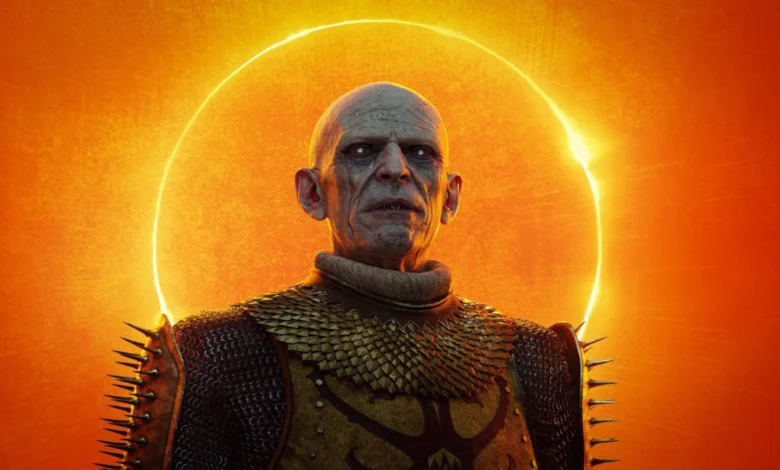
The upcoming medieval vampire role-playing game, The Blood of Dawnwalker, is set to buck a significant industry trend by releasing with its full game data contained on physical discs, a move that has been met with considerable enthusiasm from segments of the gaming community concerned about the future of physical media. In a recent interview, the game’s director, Konrad Tomaszkiewicz, confirmed this commitment, stating unequivocally, "Yes, it is coming to the disc." This announcement arrives at a critical juncture for the gaming industry, as major players like Sony begin to phase out physical disc production and other publishers opt for code-in-a-box releases that necessitate substantial digital downloads.
The significance of this decision lies in the distinction between a "full game disc" and what has become increasingly common: a disc that serves primarily as a digital entitlement or a key to unlock a game that must then be downloaded from online storefronts. These latter discs, often containing only a fraction of the game’s data, risk rendering physical copies obsolete in the future, particularly if the associated digital storefronts or licensing agreements are ever discontinued. The Blood of Dawnwalker, however, aims to provide a more traditional and enduring physical product.
Publisher Bandai Namco has corroborated the director’s statement, clarifying that "The full game data is on disc, with a day-one patch recommended." This approach ensures that players who opt for the physical edition will possess a tangible copy of the complete game, independent of ongoing digital distribution services. This is a crucial point for collectors, enthusiasts of physical media, and those who may face limitations in internet connectivity or storage capacity.
The Shifting Landscape of Physical Game Distribution
The decision to prioritize a fully functional disc release for The Blood of Dawnwalker is particularly noteworthy given the recent shifts in the gaming industry’s approach to physical media. Sony’s announcement that it will cease producing PlayStation game discs by January 2028 marks a significant turning point, signaling a potential acceleration of the transition towards a fully digital future for console gaming. This move by Sony, a titan of the console market, has undoubtedly influenced developer and publisher strategies.
Compounding this sentiment is Rockstar Games’ revelation regarding Grand Theft Auto 6. Pre-orders for the highly anticipated title have indicated that the game will not be released on physical discs. Instead, purchasers will receive a code within the game box, necessitating a full digital download of the massive title. This approach, while perhaps streamlining manufacturing and distribution for Rockstar, has drawn criticism from many who see it as another step away from tangible ownership and a further reliance on digital infrastructure.
The ongoing debate surrounding the value and future of physical game discs has resonated deeply within the gaming community. Public outcry has been evident in online discussions and comment sections for game announcements, even for titles that are confirmed to retain physical disc releases, such as Marvel’s Wolverine. This persistent concern highlights a segment of the player base that values the permanence, collectibility, and independence offered by physical media. The Blood of Dawnwalker‘s commitment to a full-disc release directly addresses these anxieties, positioning the game as a more traditional offering in an increasingly digital-first world.
The Blood of Dawnwalker: A Promising RPG on the Horizon
Beyond the discourse on physical media, The Blood of Dawnwalker itself is generating considerable anticipation within the RPG community. Having recently experienced a four-hour hands-on preview of the game, I found the experience to be enormously encouraging. The combat system was noted for its depth and strategic complexity, offering players a satisfying level of engagement. Furthermore, the game’s ambitious core concepts, which explore themes of sandbox freedom intertwined with the constraints of limited time, appear to be implemented effectively.
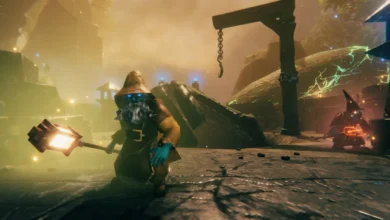
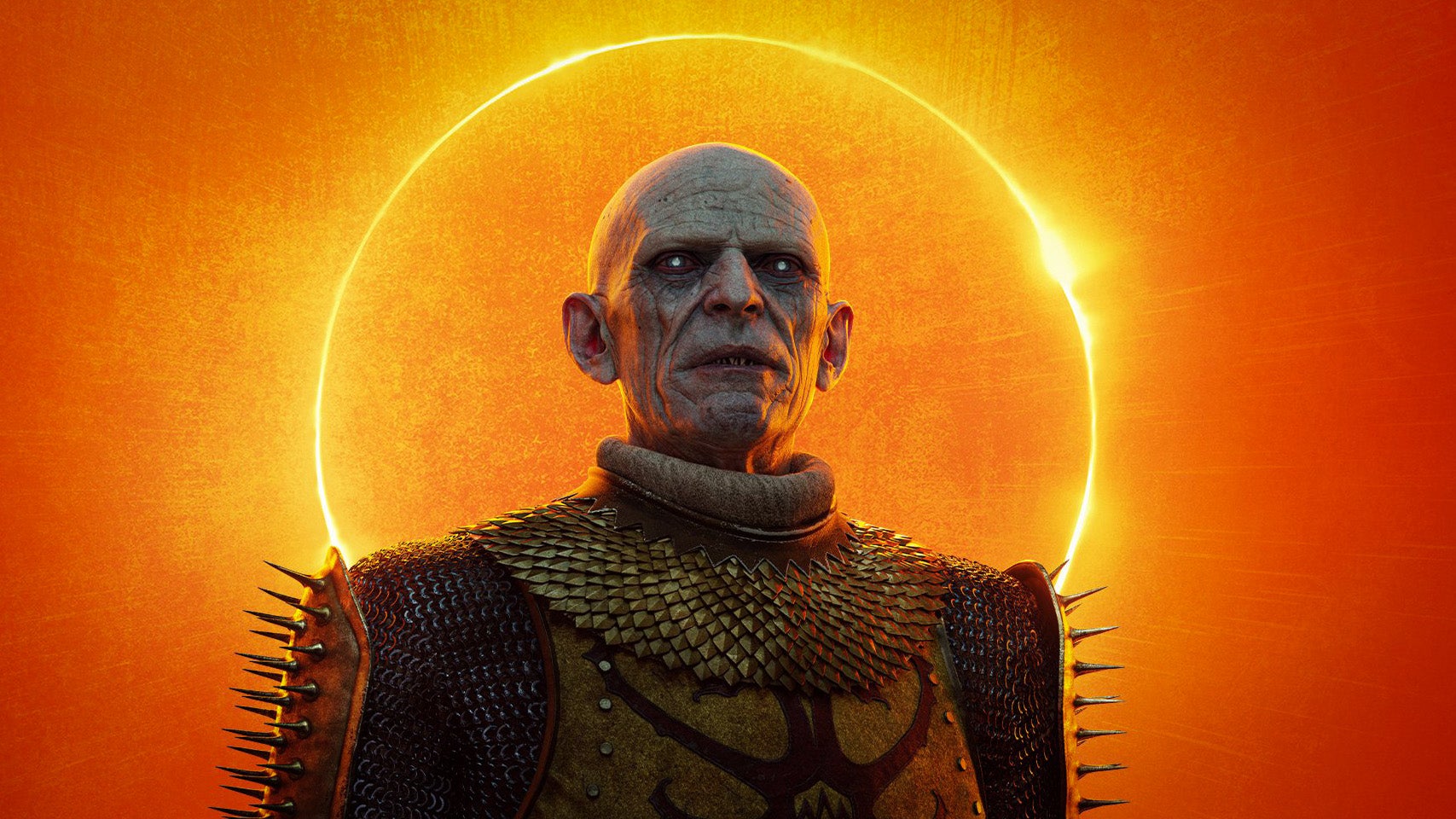
The narrative setting of a medieval vampire world offers a rich tapestry for exploration and storytelling. The visual style, as suggested by promotional artwork, evokes a dark and atmospheric tone, hinting at a mature and compelling experience. The prospect of a game that successfully marries intricate combat mechanics with compelling narrative and player agency is a strong draw for RPG enthusiasts.
The potential for The Blood of Dawnwalker to become a breakout success is significant. In an era where many open-world RPGs can feel derivative, a game that innovates in its core mechanics and presents a unique thematic blend could capture the attention of both critics and players. Its upcoming release date of September 3rd places it in a competitive period, but its unique selling points, including the commitment to a complete physical release, could give it a distinct advantage.
Supporting Data and Industry Trends
The trend towards digital distribution has been undeniable for over a decade. According to reports from the Entertainment Software Association (ESA), digital game sales have consistently outpaced physical sales. For instance, in 2022, digital sales accounted for the vast majority of revenue in the US video game market. This shift is driven by factors such as convenience for consumers, reduced manufacturing and distribution costs for publishers, and the ability for developers to offer post-launch content and updates more readily.
However, the perceived impermanence of digital ownership remains a significant concern. Unlike physical media, which can be resold, lent, or preserved independently of a specific platform or service, digital licenses are often tied to accounts and online stores. Should a platform be discontinued or a publisher cease operations, access to purchased digital games can be permanently lost. This has led to a growing movement advocating for greater consumer rights regarding digital ownership and a renewed appreciation for the tangible nature of physical games.

The decision by some developers and publishers to move away from physical discs for major releases can be attributed to several factors:
- Cost Reduction: Manufacturing discs, packaging, and distributing physical copies incurs significant costs. Digital distribution eliminates these expenses.
- Reduced Piracy: While not entirely eliminated, digital distribution platforms often employ robust anti-piracy measures.
- Faster Updates and Patches: Digital releases allow for immediate deployment of patches and updates, ensuring players are always on the latest version.
- Market Demand: A growing segment of the market primarily purchases digital games, influencing publisher strategies.
Despite these trends, the vocal minority that champions physical media continues to exert influence. Events such as the discontinuation of online services for older consoles or the removal of games from digital storefronts serve as stark reminders of the vulnerabilities of digital-only ownership. The success of physical releases for niche titles and collector’s editions demonstrates that a market for tangible games still exists and is actively supported.
Background Context and Chronology
The concept of a "full game on disc" has evolved significantly since the early days of optical media. In the era of CD-ROMs and early DVDs, game discs typically contained the entirety of the game’s data. As storage capacities increased with Blu-ray discs and the complexity of game development grew, the proportion of data that could be physically contained on a disc also increased.
- Early Console Generations (e.g., PlayStation 2, Xbox): Discs generally contained the full game. Patches were rare and typically distributed via online services for PC or specific console features.
- Mid-Generations (e.g., PlayStation 3, Xbox 360): The advent of robust online connectivity and larger game sizes led to the introduction of day-one patches and mandatory downloads for certain game elements. However, the core game data typically remained on disc.
- Current Generation (e.g., PlayStation 4, Xbox One, PlayStation 5, Xbox Series X/S): This generation has seen a significant increase in games that require substantial digital downloads even when purchased physically. Some releases consist of little more than an installer that directs the user to download the majority of the game.
- Recent Developments (2023-2024): Sony’s announcement to end PlayStation disc production by 2028 and Rockstar’s decision for GTA 6 highlight a rapid acceleration towards digital-only distribution for major releases.
The Blood of Dawnwalker‘s commitment to a full-disc release, therefore, is not merely a nostalgic gesture but a deliberate choice to cater to a specific consumer demand and potentially differentiate itself in a crowded market. The game’s director, Konrad Tomaszkiewicz, has a history with highly acclaimed titles, notably his work as Game Director on The Witcher 3: Wild Hunt. This pedigree suggests a team that understands player expectations and values.
Broader Impact and Implications
The decision by Rebel Wolves, the studio behind The Blood of Dawnwalker, to prioritize a full-disc release carries several implications for the broader gaming industry and its consumers.
- Championing Physical Media: This move serves as a powerful statement in favor of physical game ownership. It demonstrates that even in an increasingly digital world, there is a viable market for tangible products that offer long-term accessibility and ownership. This could inspire other smaller and mid-tier developers to consider similar approaches, offering alternatives to the prevailing digital-only models.
- Consumer Choice and Preservation: By providing a complete game on disc, The Blood of Dawnwalker empowers consumers who may face unreliable internet connections, limited data allowances, or a desire to preserve their game library independently of online services. It also offers a more robust solution for game preservation, as physical media is less susceptible to digital obsolescence.
- Potential for Collector’s Editions: A fully functional disc base for the game also opens up more compelling possibilities for collector’s editions. These could include physical extras and bonuses that are not dependent on digital codes, appealing to a dedicated segment of the market.
- Market Differentiation: In a landscape where many AAA titles are moving towards digital-only or hybrid models, The Blood of Dawnwalker‘s commitment to a complete physical release can serve as a significant differentiator, attracting players who actively seek out physical copies.
- Reigniting the Discussion: This decision is likely to further fuel the ongoing debate about the future of physical media in gaming. It provides a concrete example of a developer actively pushing back against the trend and highlights the continued demand for traditional distribution methods.
While the long-term viability of physical media in console gaming remains uncertain, the stance taken by The Blood of Dawnwalker offers a beacon of hope for those who value tangible ownership. It is a move that not only supports players but also demonstrates a commitment to a more enduring form of game distribution, potentially influencing future development and publishing strategies. The game’s release on September 3rd will undoubtedly be watched not only for its gameplay and narrative but also for its significant implications regarding the future of physical game discs.
Related posts: