Embark Studios considers the permanent removal of the Expedition system in Arc Raiders as part of a significant long-term strategic overhaul.


The landscape of modern live-service gaming is defined by a delicate balance between player progression, retention mechanics, and meaningful reward structures. Embark Studios, the developers behind the third-person extraction shooter Arc Raiders, have recently signaled that this balance has been difficult to maintain regarding their "Expedition" system. In a move that has caught the attention of the extraction shooter community, the studio announced a formal suspension of the mechanic until at least early 2027, with executives now confirming that the feature’s total cancellation remains a distinct possibility.
Understanding the Expedition Mechanic
To grasp the gravity of this decision, one must understand the function of Expeditions within the Arc Raiders ecosystem. Functionally, the system operates as a "prestige" or "reset" mechanic, mirroring similar systems found in competitive titles like Call of Duty or Destiny. Within the game’s post-apocalyptic narrative, players inhabit the "Rust Belt," a harsh, resource-starved environment. Expeditions represent a narrative and mechanical "end-game" goal: players invest significant hours and in-game resources into a "caravan" that theoretically allows them to escape the region permanently.
The practical trade-off, however, is a comprehensive reset of the player’s character, including the loss of accumulated skills, levels, and inventory. In exchange, the player is granted unique benefits or status symbols for their next iteration. Since the game’s early testing phases, the community has frequently critiqued this loop. Common complaints center on the perceived imbalance between the immense time investment required to prepare a caravan and the relatively minor, often underwhelming, incentives offered upon completion.
Chronology of the Suspension
The path to this suspension began with mounting feedback during recent technical tests and early access periods. Recognizing that minor patches were insufficient to address the core design flaws, Embark Studios issued an official statement in August 2024. The studio confirmed that they would be pausing the system following the fifth iteration of Expeditions, which is scheduled to conclude at the end of September.
This pause is not merely a temporary break; it is a structural "reset" of the development roadmap. By pushing the timeline for a potential reintroduction to 2027, the team has effectively moved the feature out of the immediate, active development cycle. This extended window is designed to allow the development team to reassess whether the "reset" philosophy aligns with the game’s broader vision, or if the mechanic is fundamentally at odds with the player experience they intend to foster.
Official Responses and Strategic Shifts
During a recent interview at Gamescom, Aleksander Grøndal, the executive producer of Arc Raiders, provided further clarity on the studio’s internal deliberations. Grøndal acknowledged that the system in its current state was far from perfect and that the team is currently evaluating whether the mechanic adds enough value to justify its presence.
"Was the system perfect? No, probably not," Grøndal stated. "We want to make some significant changes to the Expedition system. But I think right now we’re focused on, ‘Yeah, they are what they are,’ but the intent is to have them change. Maybe we’ll scrap the whole system altogether. That is on the table, too. Right now, the team is trying to figure out what the next steps for Expeditions are."
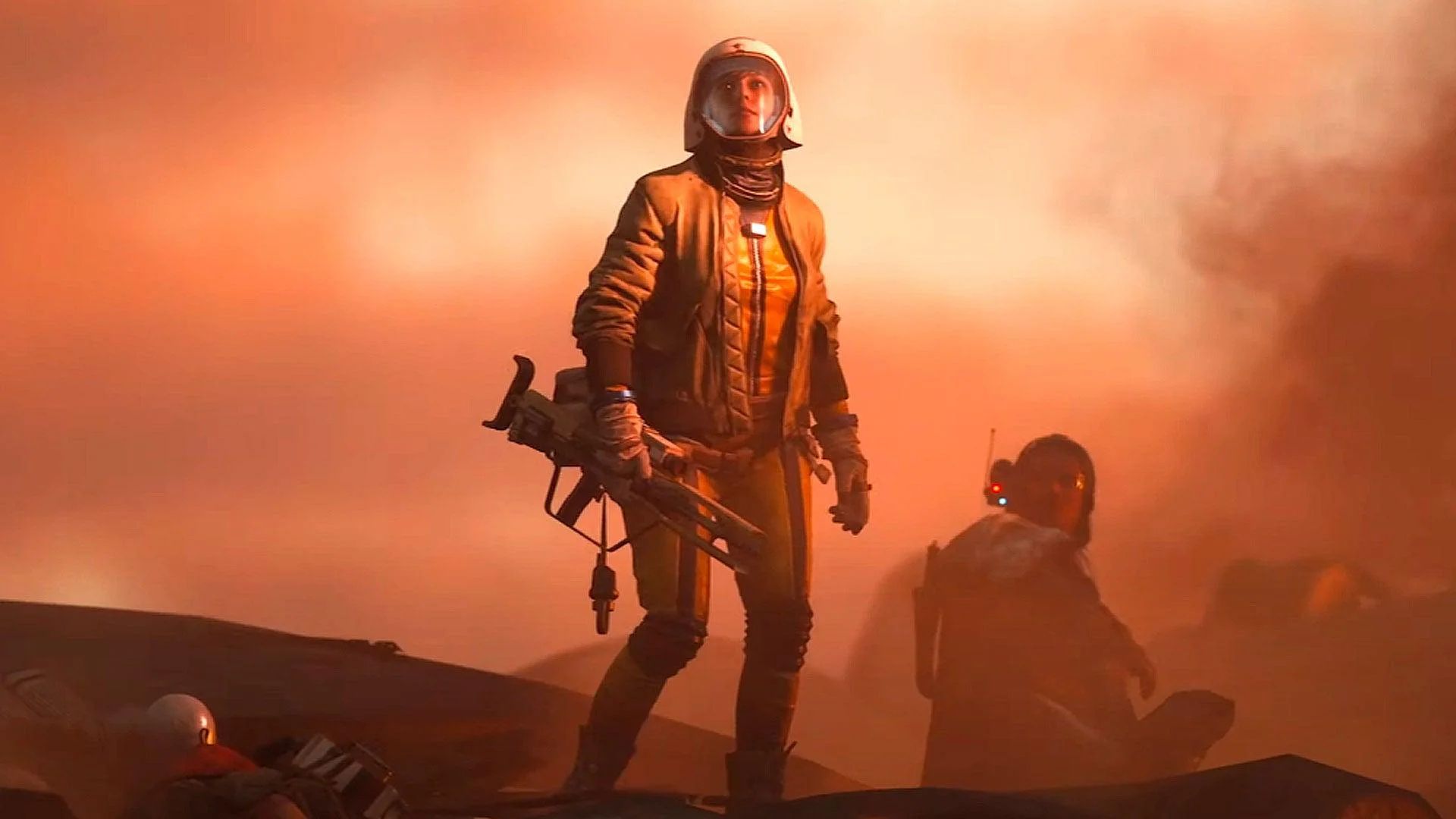
This transparency is notable in an industry that often masks development hurdles behind vague marketing language. By admitting that the total removal of the system is "on the table," Embark is signaling a pivot toward player-centric design, even if that means abandoning previous development work. The studio is currently focused on the upcoming "Frozen Trails" update, which is slated for an October release. This update, which introduces a new high-level challenge area featuring a frozen map and evolved enemy behavior, is seen as the next critical step in proving the viability of the game’s core gameplay loop outside of the controversial Expedition system.
Data and Design Implications
The friction surrounding Expeditions highlights a broader challenge in the extraction shooter genre: the "grind versus reward" ratio. In competitive titles, the retention rate is heavily dependent on the player’s sense of agency. When a game forces a player to sacrifice their progression—even in exchange for prestige—it risks alienating the core player base if the "new" experience does not feel significantly distinct or rewarding.
Data from similar titles suggests that high-churn games often suffer when progression systems feel punitive rather than empowering. If players spend dozens of hours only to lose their hard-won inventory for a negligible cosmetic or minor buff, the psychological satisfaction of the "reset" is replaced by the frustration of loss. By pausing the system, Embark is effectively prioritizing the retention of current players over the maintenance of an endgame feature that currently acts as a point of friction.
Broader Industry Impact
The situation with Arc Raiders serves as a case study for live-service transparency. As the industry shifts away from the "launch and pray" model toward more iterative, community-informed development, the ability of a studio to pivot becomes a key differentiator.
If Embark chooses to scrap the system entirely, it will likely be viewed as a prudent move to ensure the long-term health of the game. Extraction shooters rely heavily on the "loop" of entering a map, gathering resources, and returning safely. If the overarching meta-game—the Expedition system—threatens that loop, the entire game suffers. By isolating the problem and removing it from the live environment for an extended period, the developers are attempting to protect the "Frozen Trails" update and subsequent content releases from the baggage of a flawed progression system.
Future Outlook
As of now, the fate of the Expedition system remains undecided. Players should expect the upcoming October update to serve as a bellwether for the game’s direction. If Arc Raiders can provide a compelling, rewarding experience without the need for a prestige-style reset, the studio may feel emboldened to move away from the system permanently.
The decision to wait until 2027 for a potential return of the system suggests that Embark is not looking for a "quick fix." Instead, they are looking for a complete rethink of how they handle long-term player goals. Whether the solution involves a total overhaul or a complete departure from the current model, the outcome will likely influence how other developers approach prestige and reset mechanics in the competitive shooter market.
For the community, the message is clear: the developers are listening to the feedback regarding the "tight departure windows," the lackluster reward structures, and the high barrier to entry for newcomers. The suspension of Expeditions is a direct response to these issues, and while it creates a vacuum in the game’s endgame content for now, it paves the way for a more refined, player-focused experience in the years to come. In the high-stakes world of modern gaming, the ability to recognize when a system is not working—and the courage to pause or discard it—may prove to be the most critical skill for a development studio in the current era.