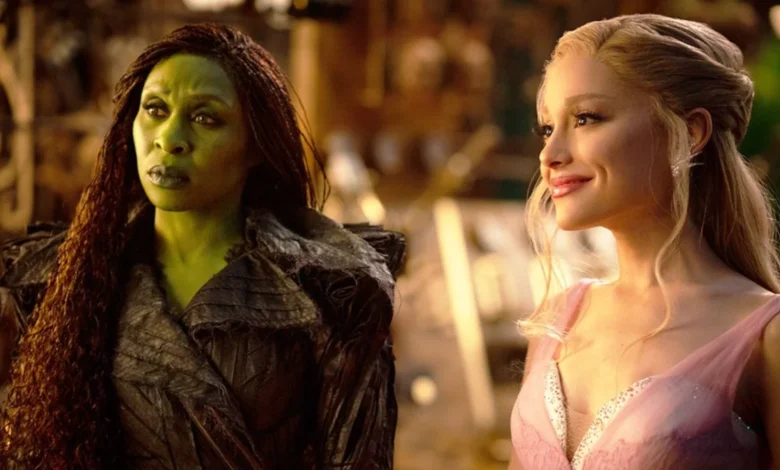
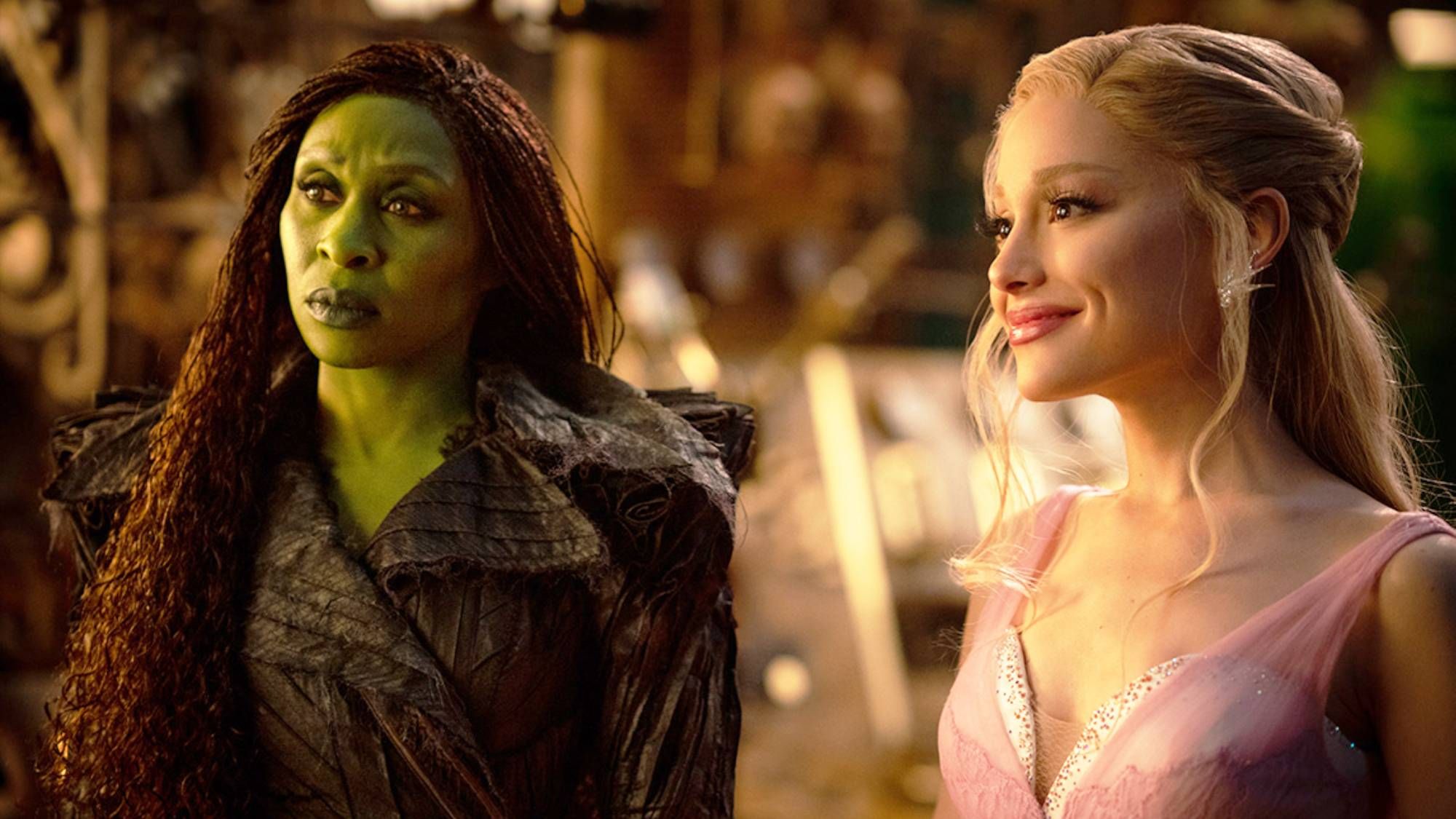
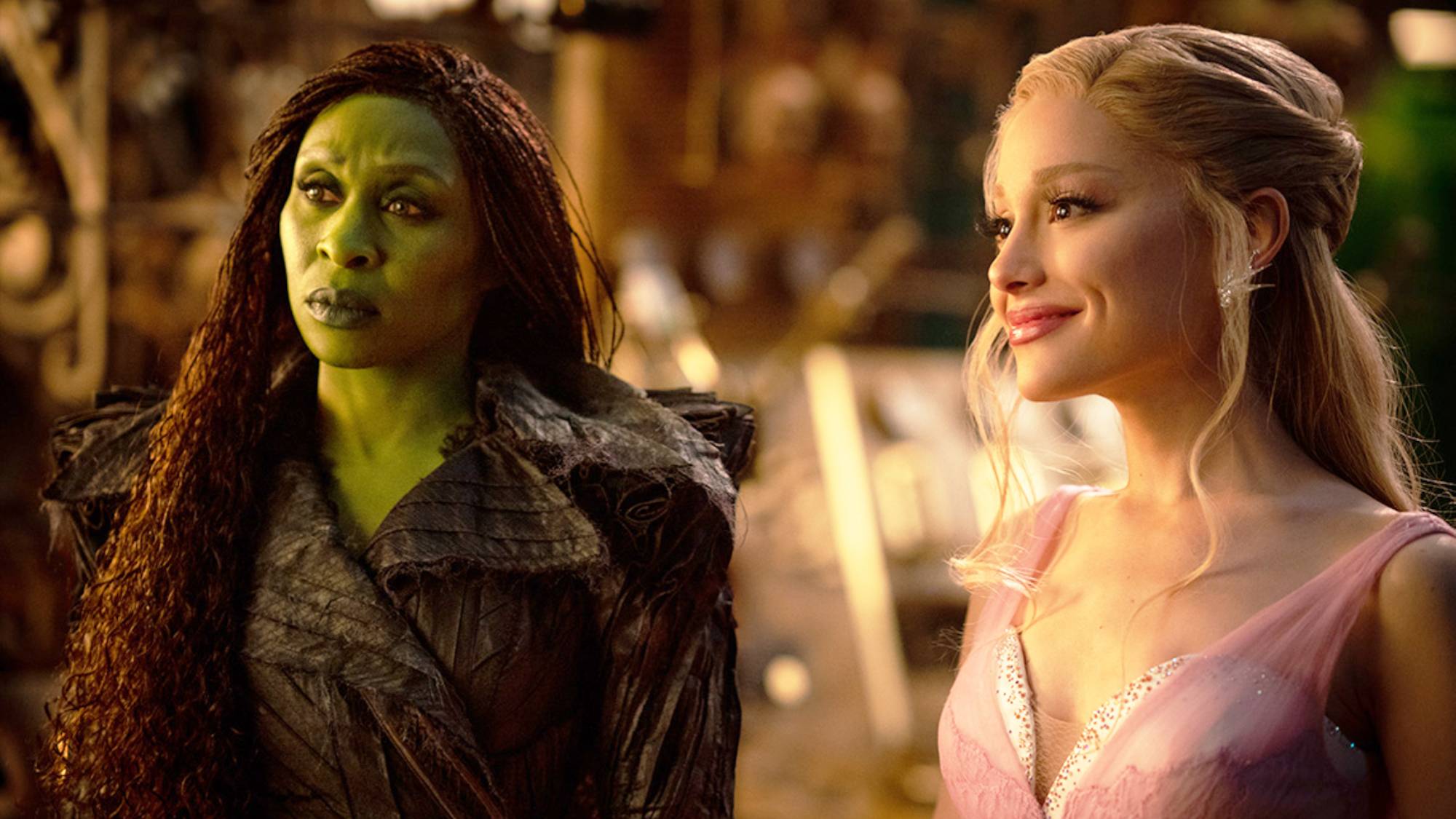
The cinematic landscape for musical adaptations has experienced a turbulent period, with recent releases like "Power Ballad" and the live-action "Moana" failing to resonate with audiences at the box office. Offering a potential beacon of hope in this challenging climate, John M. Chu’s highly anticipated 2025 film adaptation of the Broadway phenomenon, "Wicked: Part One," is set to premiere on Netflix on July 20th. However, the film arrives with a divided critical reception, mirroring a broader trend of inconsistency within the musical film genre. While "Wicked: Part One" is poised to reach a global audience via streaming, its predecessor, "Wicked" (available on Peacock), has garnered a more favorable critical consensus.
The critical reception for "Wicked: Part One" has been notably mixed, with Rotten Tomatoes reporting a 66% score from critics. This stands in contrast to the original "Wicked" film, which achieved a more robust 88% critic score. Despite this divergence in professional reviews, audience scores present a more unified picture. Both films boast strong audience approval ratings, with "Wicked" at 95% and "Wicked: Part One" at 92%, suggesting that while critics may be divided, the core fanbase remains enthusiastic. This disparity highlights a recurring theme in modern movie musicals: a potential disconnect between critical evaluation and audience engagement.
The article points to "Wicked: Part One" as a potential respite, but this framing is somewhat misleading. The original Broadway production of "Wicked" is renowned for its iconic songs, many of which are concentrated in the first act. "Wicked: Part One" adapts this first half, leaving the second half, and potentially some of the most beloved musical numbers, for a subsequent film. This structural division inherently places "Wicked: Part One" in a position of being a prelude, rather than a standalone, complete narrative arc, which may contribute to some critical reservations.
In light of the current streaming landscape and the fluctuating fortunes of movie musicals, this analysis aims to provide a curated list of compelling musical films available on Netflix, offering viewers a diverse selection of high-quality productions that can uplift, entertain, and inspire.
A Spotlight on Acclaimed Musicals Available on Netflix
The enduring appeal of the musical genre lies in its unique ability to blend storytelling with song and dance, creating immersive experiences that resonate deeply with audiences. While the recent box office performance of some musical films has been disheartening, the streaming platform Netflix continues to offer a rich tapestry of cinematic musicals that showcase the genre’s vitality and artistic breadth. This selection focuses on productions that have garnered critical acclaim and demonstrated significant audience engagement, providing a robust viewing experience for enthusiasts of all ages.
"Merrily We Roll Along" (2025): A Deep Dive into Friendship and Ambition
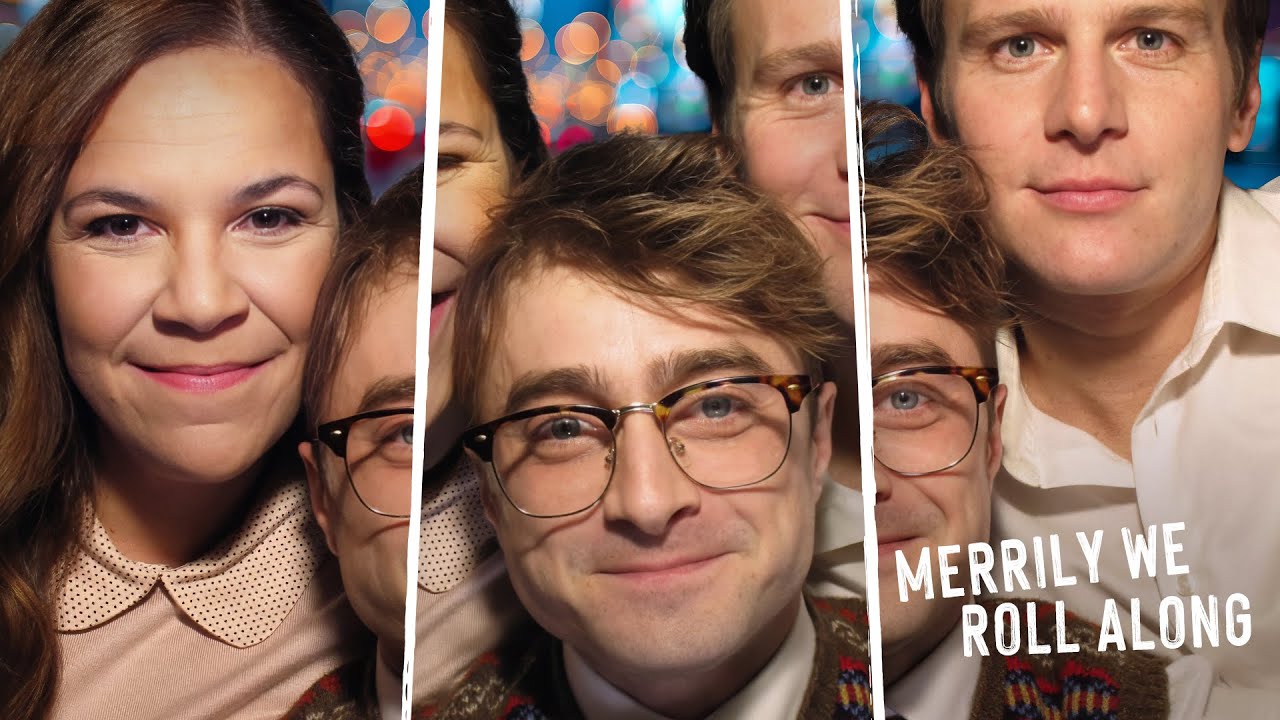
Director Maria Friedman’s acclaimed revival of Stephen Sondheim’s "Merrily We Roll Along," featuring a stellar cast including Jonathan Groff, Daniel Radcliffe, and Lindsay Mendez, is a significant addition to the musical film catalog available on Netflix. This production is not merely a filmed stage play; it represents a meticulously crafted cinematic adaptation that captures the emotional depth and intricate narrative of Sondheim’s masterpiece. Winning four Tony Awards, including Best Revival of a Musical, this production has been lauded for its innovative approach and powerful performances.
The narrative of "Merrily We Roll Along" unfolds in reverse chronological order, tracing the diverging paths of three lifelong friends: composer Franklin Shepard (Groff), writer Mary Flynn (Mendez), and lyricist Charley Kringas (Radcliffe). Over the span of three decades, their once-unbreakable bond is tested by ambition, compromise, and the harsh realities of life. Originally debuting on Broadway in 1981, the musical was initially met with mixed reviews but has since been recognized as one of Sondheim’s most profound and emotionally resonant works. Its complex structure and mature themes explore the nature of success, the sacrifices made in pursuit of artistic and personal goals, and the enduring impact of past choices.
The film adaptation has been a long time in development, with a feature film version of "Merrily We Roll Along" having been in production for over two decades, initially conceived with a unique approach of filming over 20 years. This Netflix version, however, leverages the acclaimed stage revival, allowing audiences to experience the work’s powerful emotional arc and Sondheim’s lyrical brilliance through a cinematic lens. The ensemble cast delivers performances that are both nuanced and electrifying, bringing Sondheim’s intricate melodies and profound lyrics to life with exceptional skill. The musical’s exploration of the bittersweet nature of time and the complexities of human relationships makes it a timeless and deeply moving experience.
Watch "Merrily We Roll Along" on Netflix now.
"Matilda: The Musical" (2022): A Whimsical and Uplifting Adaptation
While the 1996 film adaptation of Roald Dahl’s beloved children’s novel "Matilda" holds a special place in the hearts of many, the 2022 musical film adaptation, "Matilda: The Musical," based on the Tony Award-winning stage production, offers a fresh and vibrant interpretation that has captivated both critics and audiences. Directed by Matthew Warchus, who also helmed the original stage show, the film successfully retains the dark humor and mischievous spirit of Dahl’s iconic story while infusing it with the energy and spectacle of a modern musical.
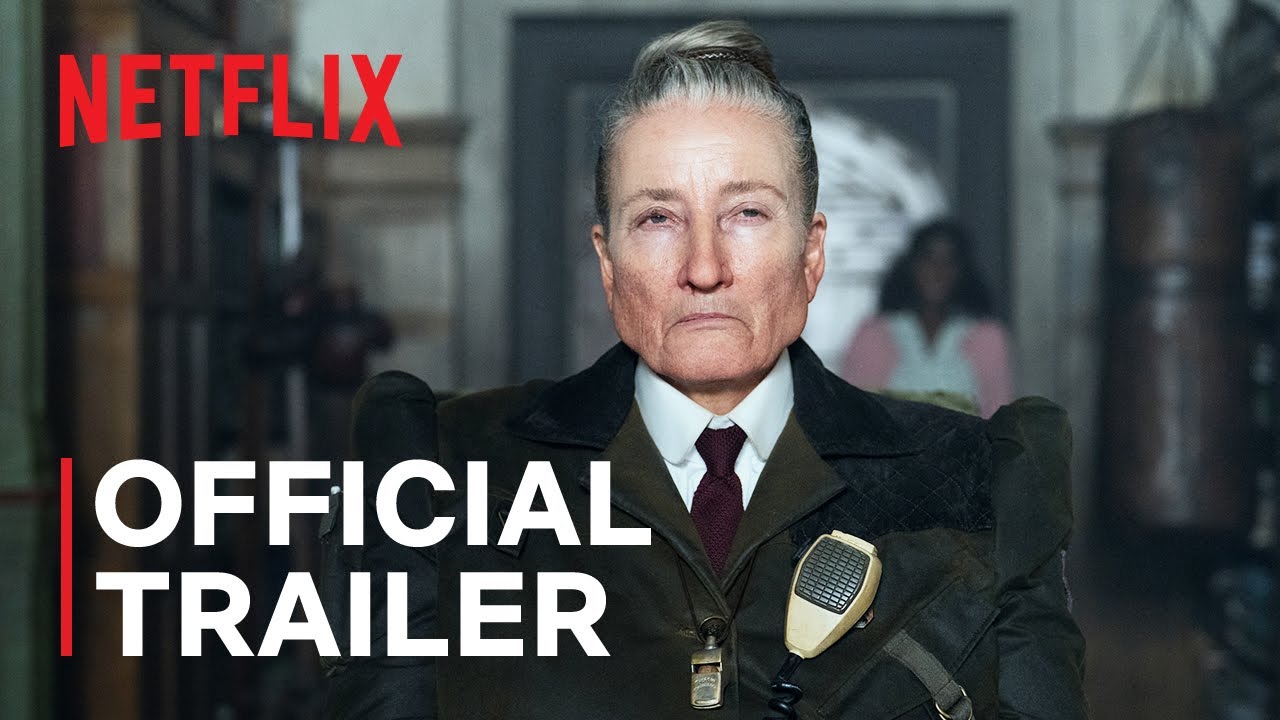
Alisha Weir delivers a breakout performance as Matilda, a gifted and telekinetic young girl who finds solace in books and her own imagination amidst a neglectful family and a tyrannical school environment. The formidable Miss Trunchbull, portrayed with menacing gusto by Emma Thompson, presides over Crunchem Hall with an iron fist, creating a world of fear and oppression. However, Matilda, with the unwavering support of the kind and compassionate Miss Honey (Lashana Lynch), inspires her classmates to find their courage and stand up against injustice.
The musical’s score, composed by Tim Minchin, is a highlight, featuring a collection of catchy, inventive, and emotionally resonant songs that perfectly complement the narrative. Warchus’s direction masterfully balances the story’s inherent darkness with moments of pure joy and theatrical flair. The film’s visual style is vibrant and imaginative, drawing inspiration from Dahl’s unique aesthetic. "Matilda: The Musical" is a testament to the power of resilience, the importance of education, and the magic that can be found in unexpected places, making it an enchanting experience for viewers of all ages.
Watch "Matilda: The Musical" on Netflix now.
"The Portrait" (2017): A Grand Musical Epic Set Against Historical Turmoil
"The Portrait," a visually stunning and emotionally charged musical film from 2017, offers a sweeping narrative set against the backdrop of the Philippines on the precipice of World War II. Directed with a clear reverence for classic Hollywood musicals, the film tells the story of two impoverished sisters, Joanna Ampil and Rachel Alejandro, who are thrust into desperate circumstances following their father’s incapacitation. Their father, a renowned painter, leaves them with a final, unfinished masterpiece and the hope that it will provide a solution to their financial woes.
The arrival of a mysterious lodger, Tony Javier, played by Paulo Avelino, introduces a new dynamic and a potential turning point for the sisters. As they grapple with their precarious situation, their belief in the intrinsic value of their father’s final portrait is put to the test. The film excels in its portrayal of the sisters’ unwavering conviction and their struggle to maintain their dignity and hope in the face of adversity.
"The Portrait" is distinguished by its meticulous production design and polished technical craftsmanship. Every frame is imbued with a sense of grandeur, reflecting the era and the dramatic scope of the story. The performances by Ampil and Alejandro are particularly compelling, conveying a depth of emotion that anchors the musical numbers. The film’s commitment to its visual storytelling and its powerful thematic exploration of art, family, and resilience make it a standout in the musical film genre.
Watch "The Portrait" on Netflix now.
The Broader Context of Musical Films in the Streaming Era
The inclusion of these acclaimed musicals on Netflix underscores a significant shift in how audiences consume cinematic content, particularly within the musical genre. The rise of streaming platforms has democratized access to a wider array of films, allowing diverse productions to find their audience beyond traditional theatrical releases. This is particularly beneficial for musicals, which often require a significant investment and a dedicated fanbase to succeed at the box office.
The critical reception of "Wicked: Part One" serves as a microcosm of the challenges and opportunities facing musical films today. While the genre continues to produce works of exceptional artistic merit, its success is increasingly reliant on a multi-faceted approach that includes strong critical reviews, robust audience engagement, and strategic distribution channels. The disparity between critical and audience scores for "Wicked" films suggests that while critical consensus can shape initial perceptions, the enduring appeal of musical storytelling often rests with the audience’s emotional connection to the characters and their songs.

The success of films like "Matilda: The Musical" and the critical appreciation for "Merrily We Roll Along" on Netflix indicate a continued demand for well-crafted musical narratives. These productions, with their rich storytelling, memorable music, and compelling performances, demonstrate that the musical genre remains a vibrant and vital form of cinematic expression. As streaming platforms continue to evolve, it is likely that we will see more ambitious and diverse musical projects find their home and their audience, further enriching the cinematic landscape. The future of the movie musical, while perhaps more complex than in past decades, remains promising, fueled by a passionate creative community and an eager global audience.