The Ultimate Guide to High-Power 100W+ Car Chargers: Anker, Baseus, and UGREEN Lead the Market in Road Trip Power Solutions

Power delivery inside the modern automobile has evolved far beyond the humble cigarette lighter adapters of previous decades. As commuters and travelers increasingly rely on power-hungry productivity devices—including high-performance laptops, tablets, portable gaming consoles, and multi-device smartphone ecosystems—standard 12W or 18W auxiliary port chargers have become obsolete. For daily urban commutes, magnetic Qi2 wireless car mounts offer convenient, clamp-free charging for smartphones. However, long-haul journeys, professional road trips, and mobile office environments demand robust, high-wattage wired solutions capable of delivering rapid energy simultaneously to multiple heavy-duty electronics.
Industry testing and consumer adoption patterns indicate that portable power accessories must now support a minimum baseline of 60W to 65W to effectively charge a modern Chromebook or MacBook while on the move. When splitting that power across multiple passengers or devices, output thresholds must scale significantly higher. Over recent years, three manufacturers have emerged as the definitive market leaders in reliability, safety engineering, and raw output capacity: Anker, Baseus, and UGREEN. Comprehensive evaluations of their flagship high-wattage vehicular power adapters reveal critical insights into how modern power delivery is transforming in-car productivity.
The Shift Toward Multi-Port High-Wattage In-Car Power
The demand for high-capacity vehicular charging solutions is intrinsically tied to the changing nature of mobile work and travel. Historically, vehicles featured standard USB-A ports integrated directly into the dashboard, typically outputting a meager 5W to 7.5W—barely enough to maintain a smartphone’s battery level while utilizing GPS navigation. As USB-C Power Delivery (PD) protocols standardized across the consumer electronics industry, the hardware requirements for charging laptops shifted dramatically.
Manufacturers of vehicular power accessories responded by engineering multi-port chargers utilizing advanced Gallium Nitride (GaN) components and proprietary smart chips. These internal controllers dynamically allocate wattage based on connected devices, regulate operating temperatures, and protect sensitive battery management systems from voltage surges. Consequently, the automotive accessory market has transitioned from simple power conversion to intelligent energy distribution hubs capable of replacing traditional wall bricks while traveling.
Anker Nano Car Charger (167.5W, 3 Ports): Performance and Engineering
Anker has long maintained a dominant market share in the mobile charging sector, and its tri-ported vehicular entry exemplifies the brand’s engineering focus. Retailing at a standard MSRP of $53.99—though frequently subject to promotional discounts bringing it down to approximately $37.79—the Anker Nano Car Charger (167.5W, 3 Ports) offers exceptional value for enterprise users and frequent travelers.
Technical Specifications and Port Architecture
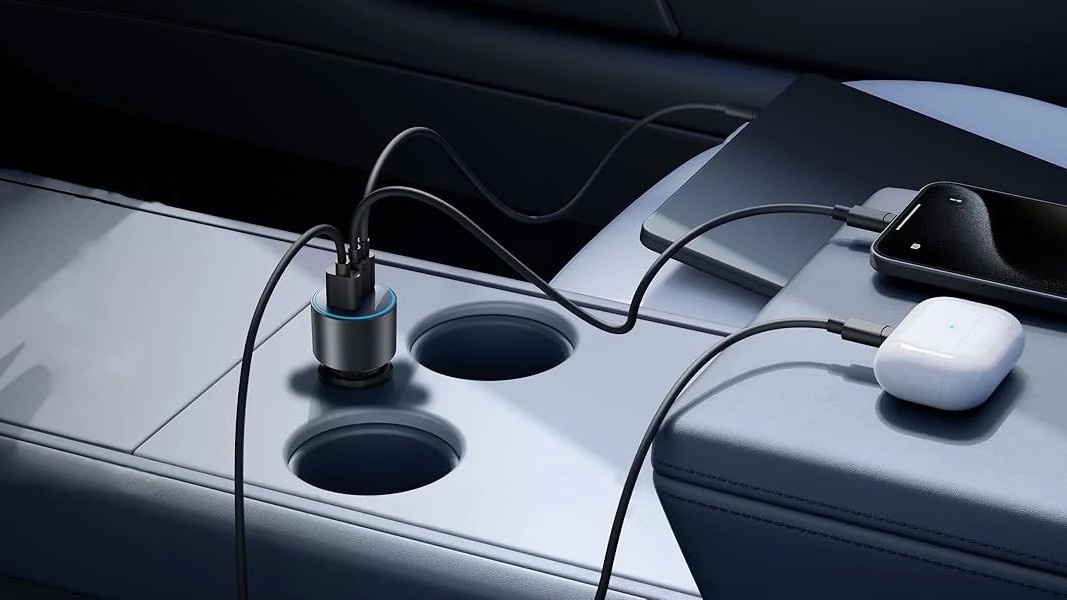
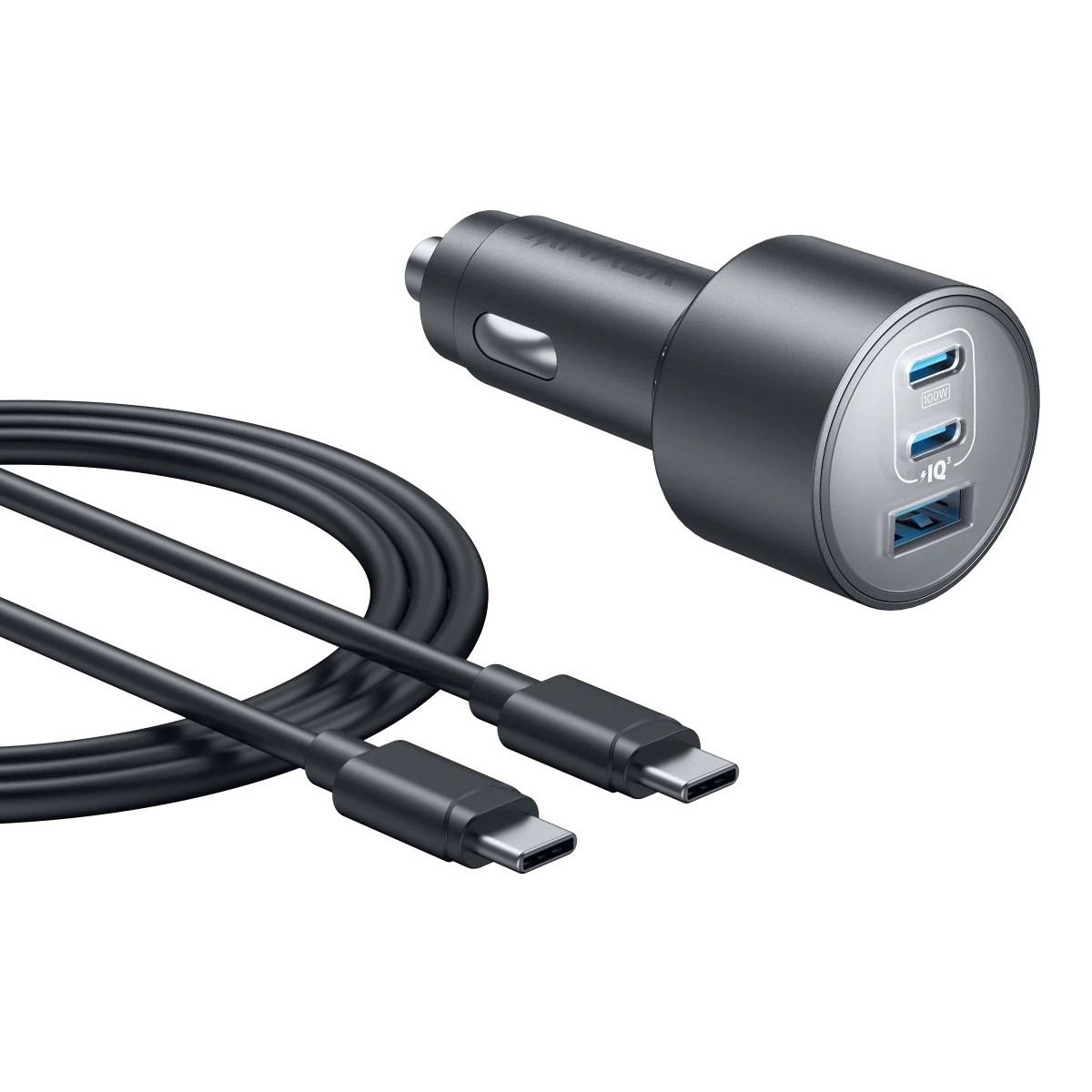
The charger features a compact, durable footprint outfitted with three distinct connection points: one legacy USB-A port and two modern USB-C ports, culminating in a combined maximum output rating of 167.5W.
- Primary USB-C Port: Delivers up to 100W of dedicated power, making it fully compatible with power-demanding laptops such as the 16-inch MacBook Pro and high-end Windows enterprise workstations.
- Secondary USB-C Port: Rated at 45W, suitable for fast-charging tablets, secondary laptops, or modern flagship smartphones.
- USB-A Port: Delivers up to 22.5W, accommodating legacy accessories, dash cams, or secondary mobile devices.
To ensure hardware longevity and safety, Anker integrates its proprietary ActiveShield thermal monitoring system. This smart chip dynamically measures temperatures millions of times per day, throttling output automatically if heat accumulation exceeds safe operational thresholds. Furthermore, the package includes a 3.3-foot USB-C to USB-C cable and is backed by an 18-month manufacturer warranty.
Baseus PrimeTrip VR2 Max 240W: Solving Cable Management and Maximum Output
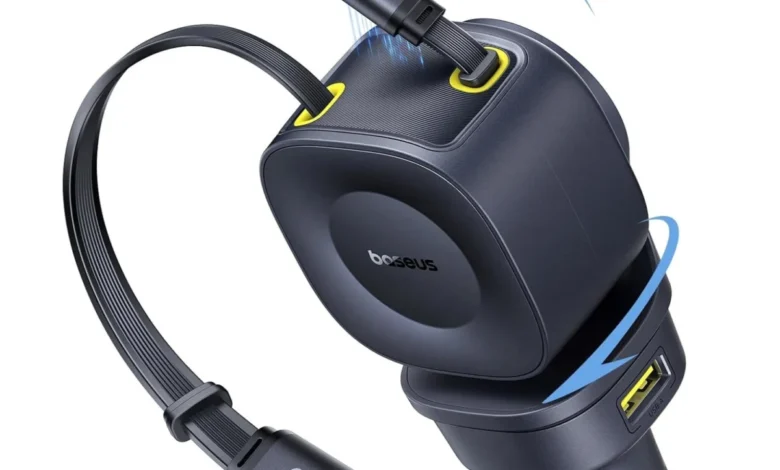
For consumers seeking absolute maximum power output alongside innovative physical design, the Baseus PrimeTrip VR2 Max 240W represents a significant leap forward in accessory engineering. Co-endorsed by prominent technology reviewers and industry analysts, this unit addresses one of the most persistent frustrations of vehicular charging: cable clutter.
Retractable Engineering and Multi-Directional Adjustment
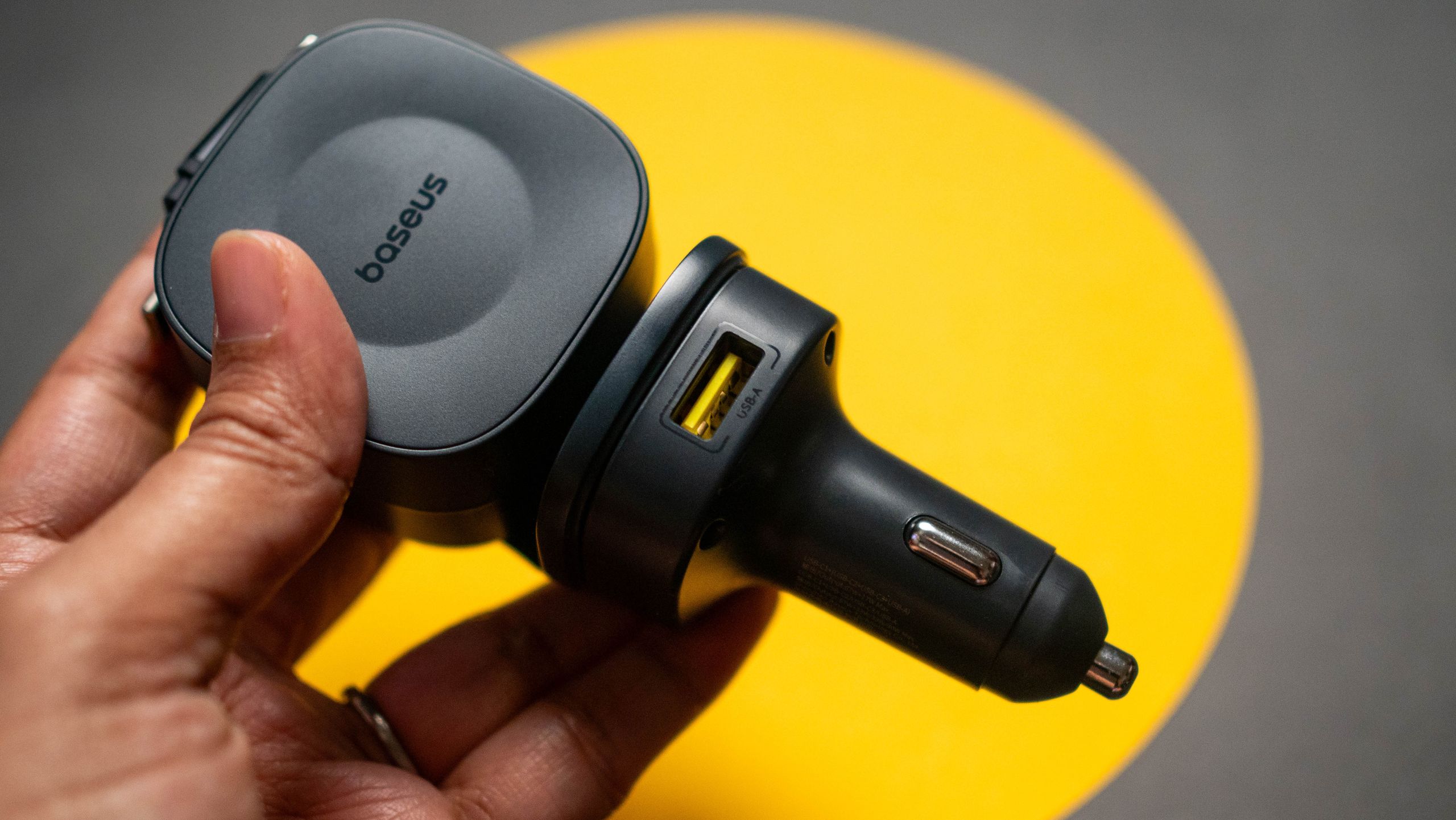
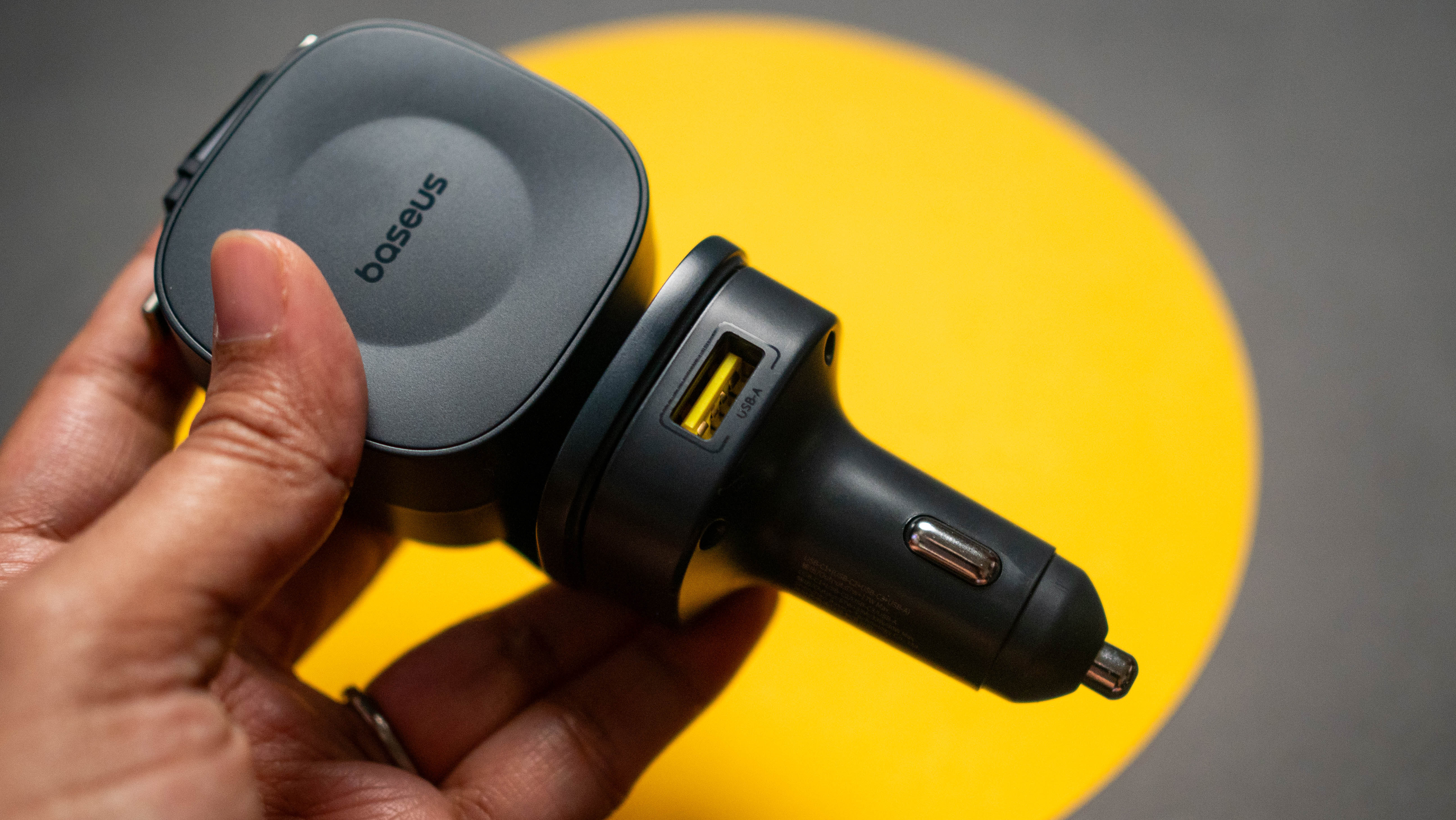
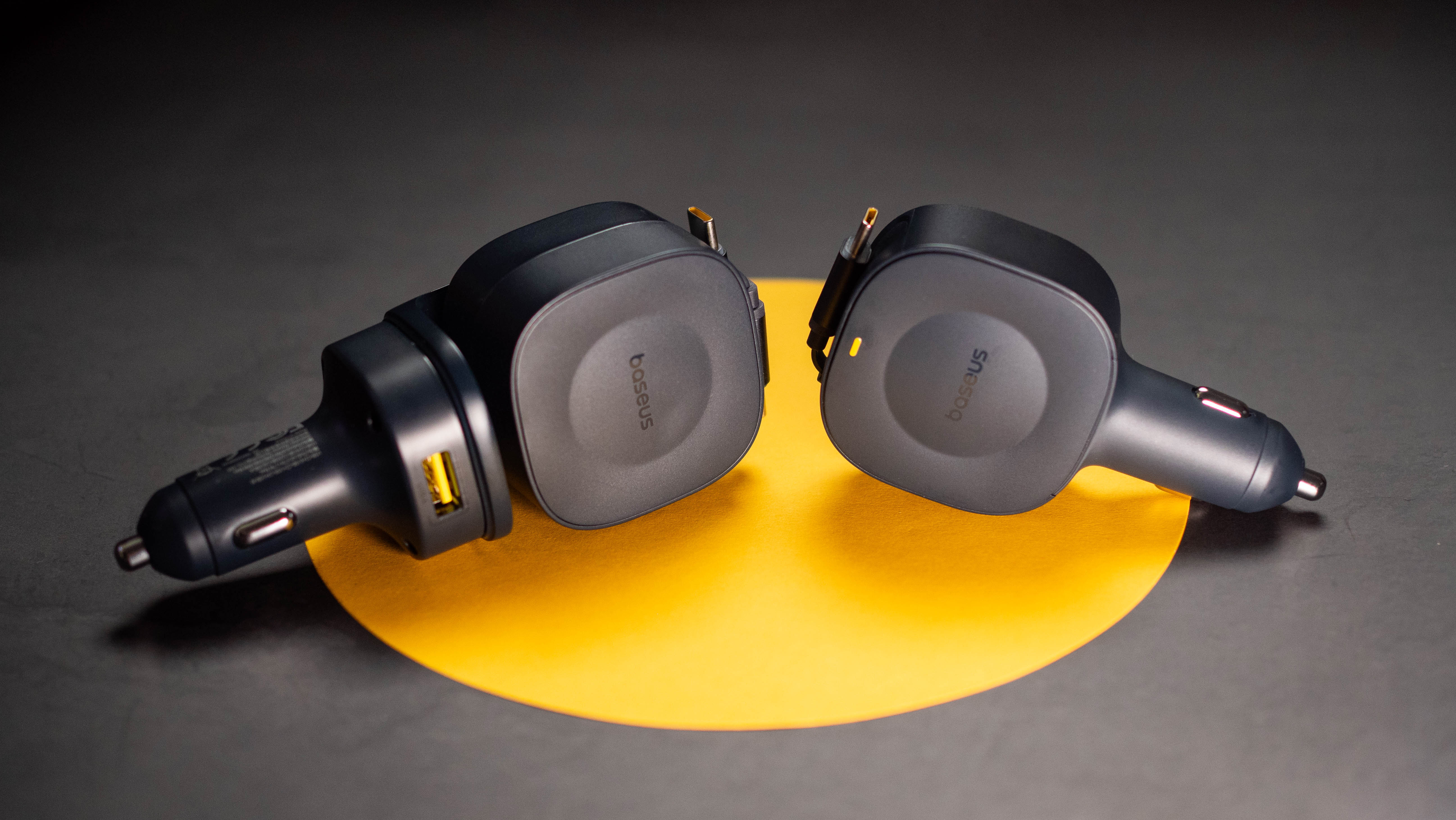
Priced at an MSRP of $59.99—with periodic retail promotions slashing prices by up to 40%—the PrimeTrip VR2 Max introduces a mechanical cable deployment system. Housed within the upper chassis are two built-in, 105W, 31.5-inch retractable USB-C cables that pull out smoothly and lock into place, eliminating tangled cords across the center console.
In addition to the retractable lines, the base of the unit features an auxiliary 33W USB-C port and a 30W USB-A port. To accommodate varying dashboard layouts and cigarette lighter socket placements, the upper portion of the charger incorporates a 450-degree multi-directional rotational adjustment mechanism.
Safety Architecture and Thermal Management
Delivering up to 240W of total output requires rigorous safety protocols. Baseus implements a comprehensive seven-layer protection matrix encompassing:
- Flame-retardant outer shell construction.
- Over-current, over-voltage, and short-circuit safeguards.
- Intelligent temperature control microprocessors.
- Automatic load balancing to prevent device overheating during extended navigation and charging sessions.
UGREEN Nexode Car Charger 145W: Affordability Meets Retractable Convenience
UGREEN’s Nexode product family has achieved widespread acclaim for blending premium build quality with aggressive pricing strategies. While the brand’s desktop GaN chargers dominate office desks, the UGREEN Nexode Car Charger 145W brings that same design philosophy to the automotive market.
Cost-Effective Power Distribution
Retailing at $49.99—and frequently discounted to around $34.99 through major online retailers—this model stands as one of the most economical high-wattage charging solutions available. Despite its accessible price point, the unit features a sophisticated four-port configuration:
- Retractable USB-C Cable: Built directly into the housing, rated at 60W for rapid smartphone or tablet replenishment.
- Dedicated USB-C Port: Delivers a robust 100W output for primary laptop charging.
- Secondary USB-C Port: Outputs 30W for peripheral electronics.
- USB-A Port: Provides 30W output capabilities for traditional cables.
Industry Implications and Consumer Impact
The inclusion of a built-in retractable cable alongside traditional open ports demonstrates a clear industry trend toward user-centric convenience. UGREEN incorporates industrial-grade fireproof casing alongside multi-layered surge and voltage regulation circuits, ensuring that budget-conscious consumers are not forced to compromise on safety features.
Market Implications and Future Outlook
The rapid commercialization of 100W+ vehicular chargers signals a broader shift in consumer electronics expectations. As remote work, ridesharing, and long-distance commuting continue to blur the lines between office spaces and personal vehicles, power accessories must adapt to professional-grade demands.
Industry analysts note several key implications of this technological shift:
- Standardization of USB-C Power Delivery: Legacy USB-A infrastructure is rapidly being phased out of primary charging roles, with manufacturers allocating the vast majority of internal silicon resources to USB-C ports capable of supporting USB-IF Power Delivery 3.0 and Programmable Power Supply (PPS) protocols.
- Heightened Safety Certifications: As raw wattage scales past the 150W and 200W thresholds, regulatory compliance and independent safety testing (such as UL and CE certifications) are becoming essential differentiators for reputable brands against unverified white-label alternatives found on global e-commerce platforms.
- Ergonomic Innovation: Mechanical integration, such as retractable cabling and multi-angle rotational heads, highlights a transition from passive electronic accessories to active ergonomic tools designed to improve cabin safety by reducing driver distraction caused by loose wires.
Conclusion
Selecting the appropriate high-wattage car charger ultimately depends on individual travel habits and hardware ecosystems. For users prioritizing maximum power density and multi-device workstation support without breaking the bank, the Anker Nano Car Charger (167.5W) remains a dependable, industry-standard choice. For those seeking to eliminate interior clutter via integrated retractable cabling while maintaining high output capacity, the Baseus PrimeTrip VR2 Max 240W sets a high benchmark. Meanwhile, budget-conscious consumers looking for balanced power distribution and robust safety engineering will find exceptional value in the UGREEN Nexode Car Charger 145W. As mobile computing power continues to climb, these high-capacity vehicular charging hubs ensure that productivity remains uninterrupted, regardless of distance from the nearest wall outlet.