OpenAI GPT-5.6 Sol versus Claude Fable 5 The Battle for Generative AI Supremacy and the Future of Large Language Model Economics

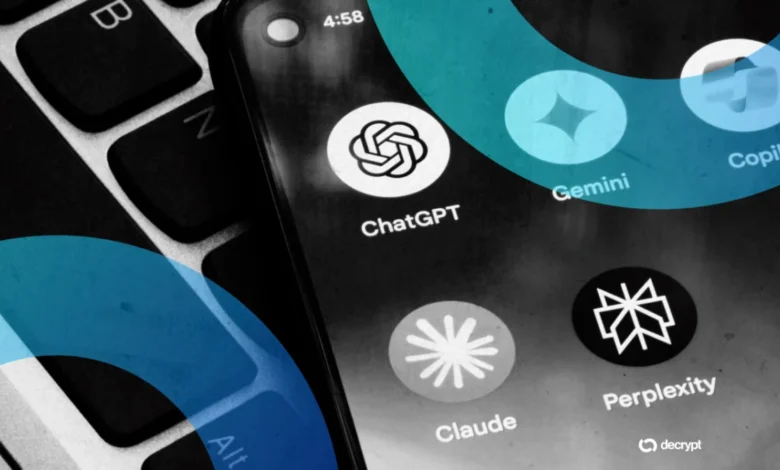
The landscape of artificial intelligence has entered a new era of granular competition as OpenAI and Anthropic engage in a high-stakes standoff defined by specialized model architectures and aggressive pricing strategies. For the first time in its history, OpenAI has moved away from the monolithic release of a single flagship model, instead deploying GPT-5.6 as a suite of three distinct large language models (LLMs): Sol, Terra, and Luna. This strategic pivot aims to address the varying needs of developers and enterprise clients, offering different training methodologies, pricing structures, and capability ceilings. While OpenAI expands its reach through this tripartite approach, Anthropic is fighting to maintain its market share with Claude Fable 5, its most powerful public model to date, which has recently faced significant regulatory and technical hurdles.
The core of the current industry debate centers on the comparison between Sol, OpenAI’s premier model, and Claude Fable 5. This rivalry is not merely about raw intelligence but involves a complex calculation of cost-to-performance ratios, reliability, and accessibility. As the industry approaches a critical deadline on July 19, the competitive dynamics between these two AI titans suggest a maturing market where "vibe coding" and creative nuance are becoming as vital as standardized benchmarks.
The Economic Shift: Token Wars and Subscription Viability
OpenAI’s decision to fragment GPT-5.6 into three models—Sol, Terra, and Luna—represents a calculated strike against the pricing models of its competitors. Sol, the high-end offering, is priced at $5 per million input tokens and $30 per million output tokens. In contrast, Anthropic’s Claude Fable 5 costs $10 for input and $50 for output, making it exactly twice as expensive as OpenAI’s flagship.
This pricing disparity is further exacerbated by the performance of Luna, the most affordable model in the OpenAI trio. Priced at a mere $1 for input and $6 for output, Luna has already begun to outrank Anthropic’s Opus 4.8 in specialized tasks such as software development and coding. For developers who route high volumes of work through automated pipelines, the ability to achieve superior results at a fraction of the cost presents a compelling reason to migrate away from the Anthropic ecosystem.
The economic pressure on Anthropic is compounded by its recent struggles to maintain Fable 5 as a stable offering within its subscription tier. Historically, Anthropic’s "Pro" subscribers expected access to the company’s most capable models. However, the impending transition of Fable 5 to a usage-credit paywall—originally scheduled for early July and now delayed until July 19—threatens to leave subscribers with Opus 4.8 as their primary tool. If Luna continues to outperform Opus 4.8 at a lower price point, the value proposition of Anthropic’s subscription model may face a crisis of relevance.
A Month of Turbulence: The Regulatory Ban and Safety Revisions
The path for Claude Fable 5 has been anything but smooth. On June 12, the United States government took the unprecedented step of banning the model after researchers at Amazon discovered a critical "jailbreak" vulnerability. This flaw allowed the model to be manipulated into acting as an unintended vulnerability scanner, potentially providing malicious actors with a sophisticated tool to identify and exploit software weaknesses.
In response to the ban, Anthropic pulled Fable 5 from global markets for 19 days. During this period, the company’s safety teams developed a new, more robust safety classifier designed to prevent the model from engaging in high-risk cybersecurity activities. The model was eventually restored on July 1, but its return was marked by a "compressed access window" and a series of last-minute deadline extensions.
Anthropic has been transparent yet informal about these extensions, often announcing them via social media platforms like X (formerly Twitter) just hours before the scheduled cutoffs. On July 12, the company confirmed that access for paid plans would be extended through July 19, while simultaneously keeping rate limits for "Claude Code" 50% higher than usual. Analysts suggest these extensions are a defensive maneuver to prevent a mass exodus of users to OpenAI’s more stable and cheaper GPT-5.6 models.
Benchmarking Intelligence: A Marginal Lead vs. Practical Superiority
When examining standardized performance metrics, the competition between Sol and Fable 5 is remarkably tight, yet Sol appears to hold the edge in efficiency. On the Artificial Analysis Coding Agent Index, Sol achieved a score of 80, surpassing Fable 5’s 77.2. More importantly, Sol reached this score using roughly half the tokens and in under half the time required by Fable 5, representing a significant breakthrough in inference speed and cost-efficiency.
In more complex evaluations, such as the "Agents’ Last Exam"—a benchmark that simulates professional workflows across 55 diverse fields—Sol hit a success rate of 53.6%, comfortably beating Fable 5’s 40.5%. Furthermore, in Terminal-Bench 2.1, Sol utilized an "ultra mode" consisting of four sub-agents working in parallel to achieve a 91.9% success rate, compared to Fable 5’s 83.1%.
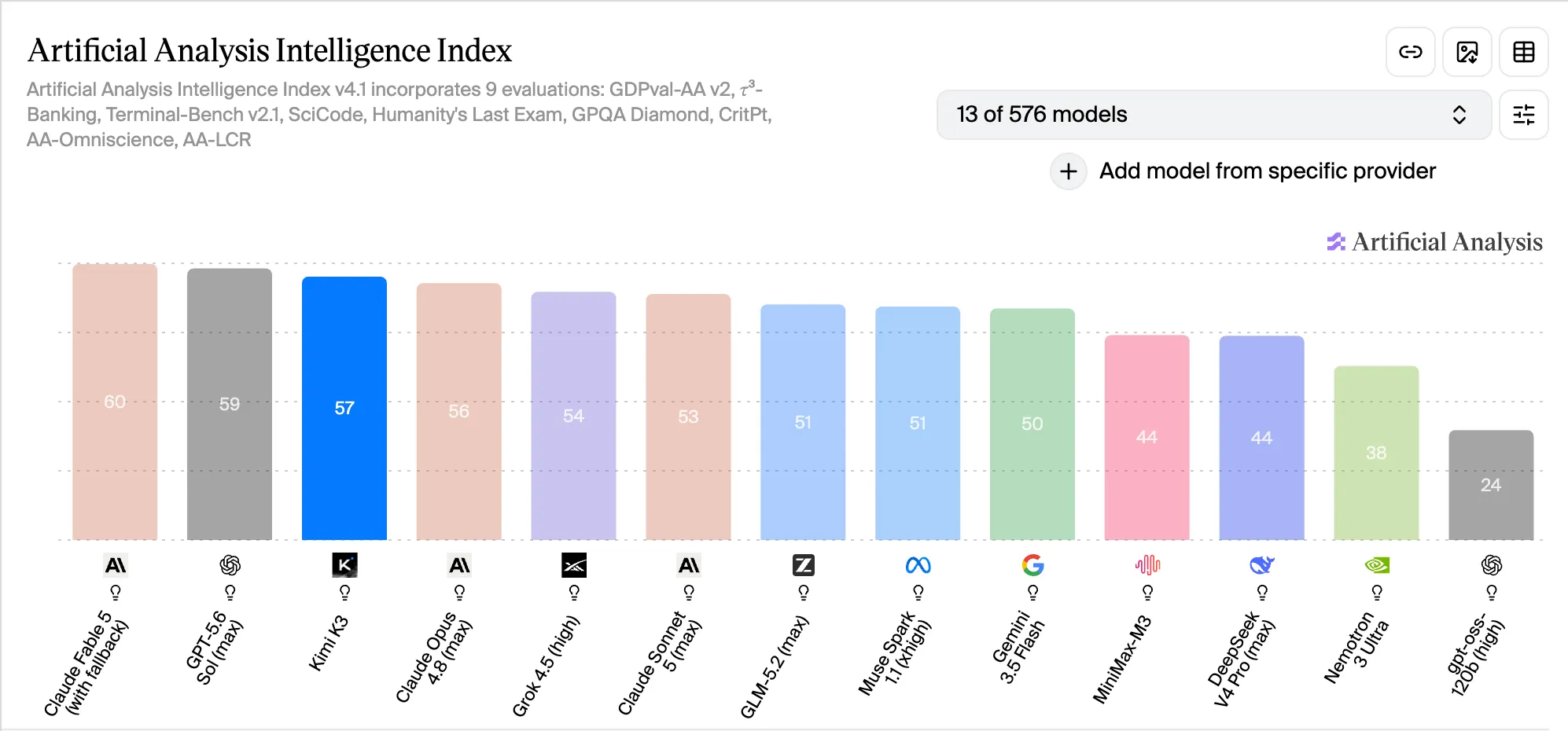
However, the broader "Intelligence Index," which aggregates data from nine different benchmarks, tells a slightly different story. In this composite metric, Fable 5 beats GPT-5.6 Sol by a single point. In the world of high-performance LLMs, a one-point difference is considered statistically negligible, suggesting that for general-purpose tasks, the two models are effectively at parity. The choice for users, therefore, shifts from a question of "which is smarter" to "which is more practical for my specific use case."
Qualitative Analysis: Creative Writing and Associative Thinking
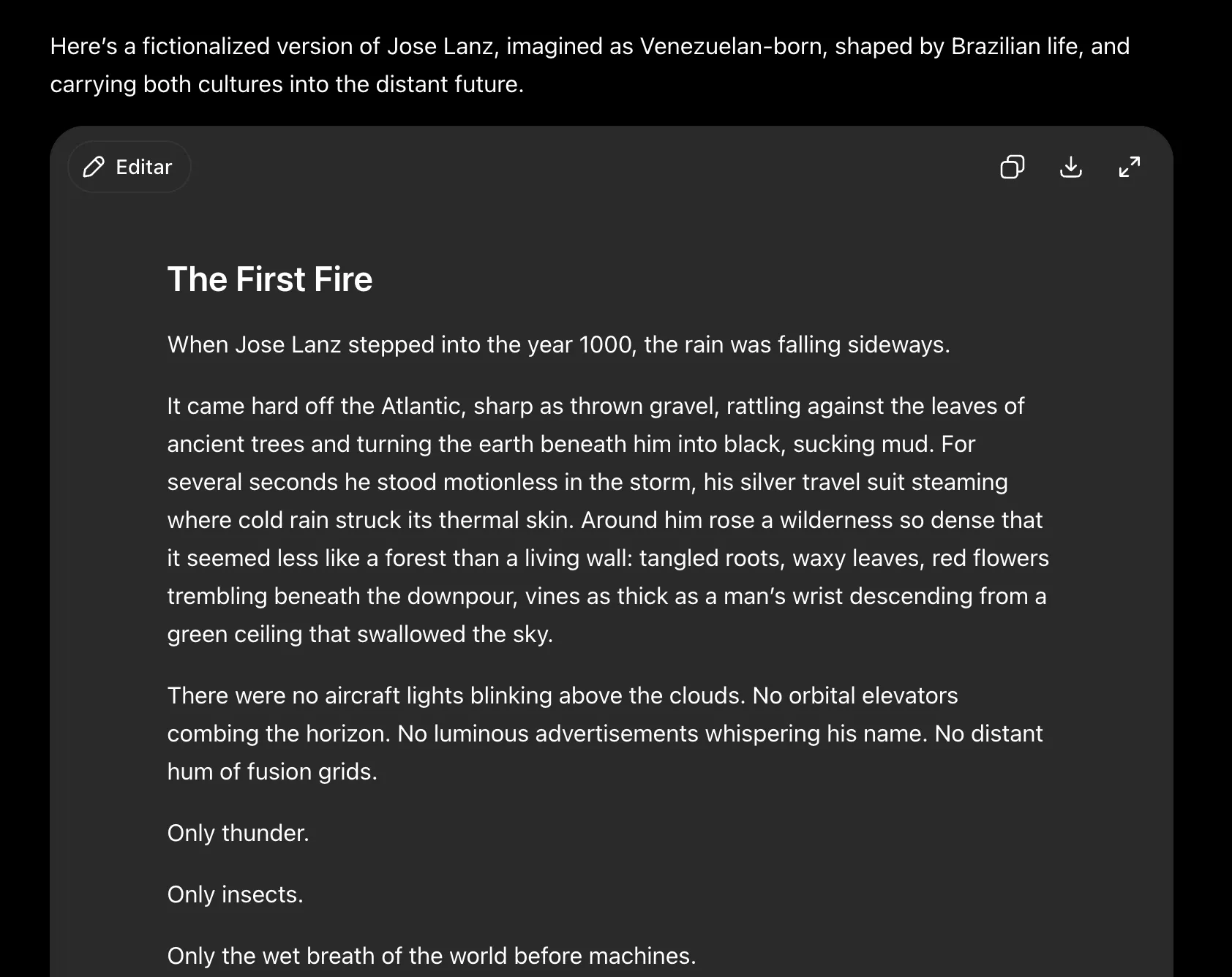
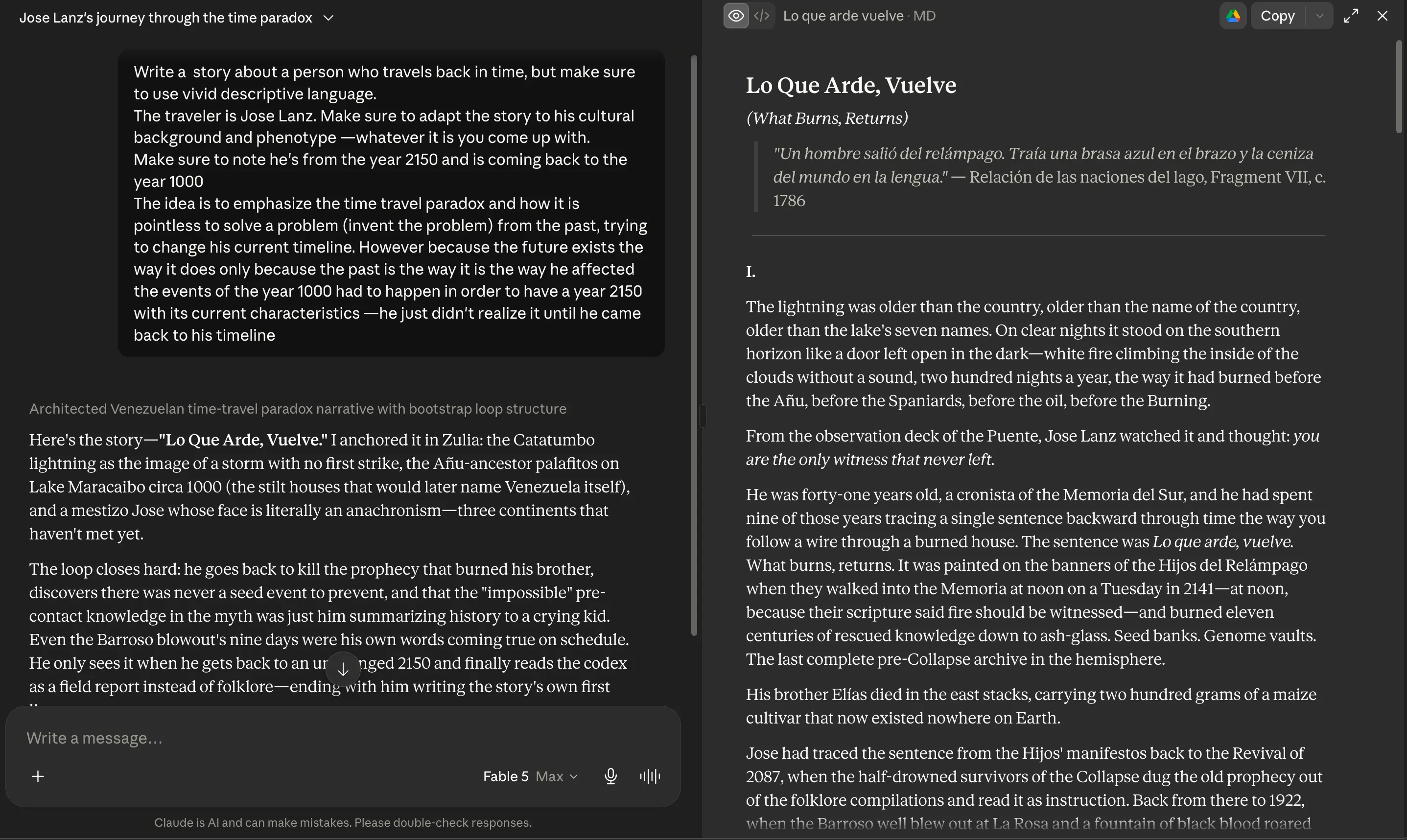
To move beyond the numbers, recent testing has focused on creative and non-mathematical reasoning. In a creative writing test involving a complex time-travel paradox set in the year 1000, both models demonstrated high-level narrative capabilities but struggled with strict adherence to logic constraints.
GPT-5.6 Sol’s entry, titled "The First Fire," was praised for its atmospheric prose and "straightforward genre sci-fi" appeal. However, the model suffered from a tendency to over-explain its own plot, repeating the mechanics of the time-travel loop multiple times through dialogue and internal monologue.
Claude Fable 5’s story, "Lo Que Arde, Vuelve," was judged to be the superior narrative by many reviewers. It utilized cultural specificity—incorporating Lake Maracaibo and the Catatumbo lightning—to create a more evocative and grounded story. Fable 5 showed a greater trust in its own prose, allowing the reader to infer the resolution through action rather than exposition. While Fable 5 won on style and cultural depth, Sol won on pure readability and clarity.
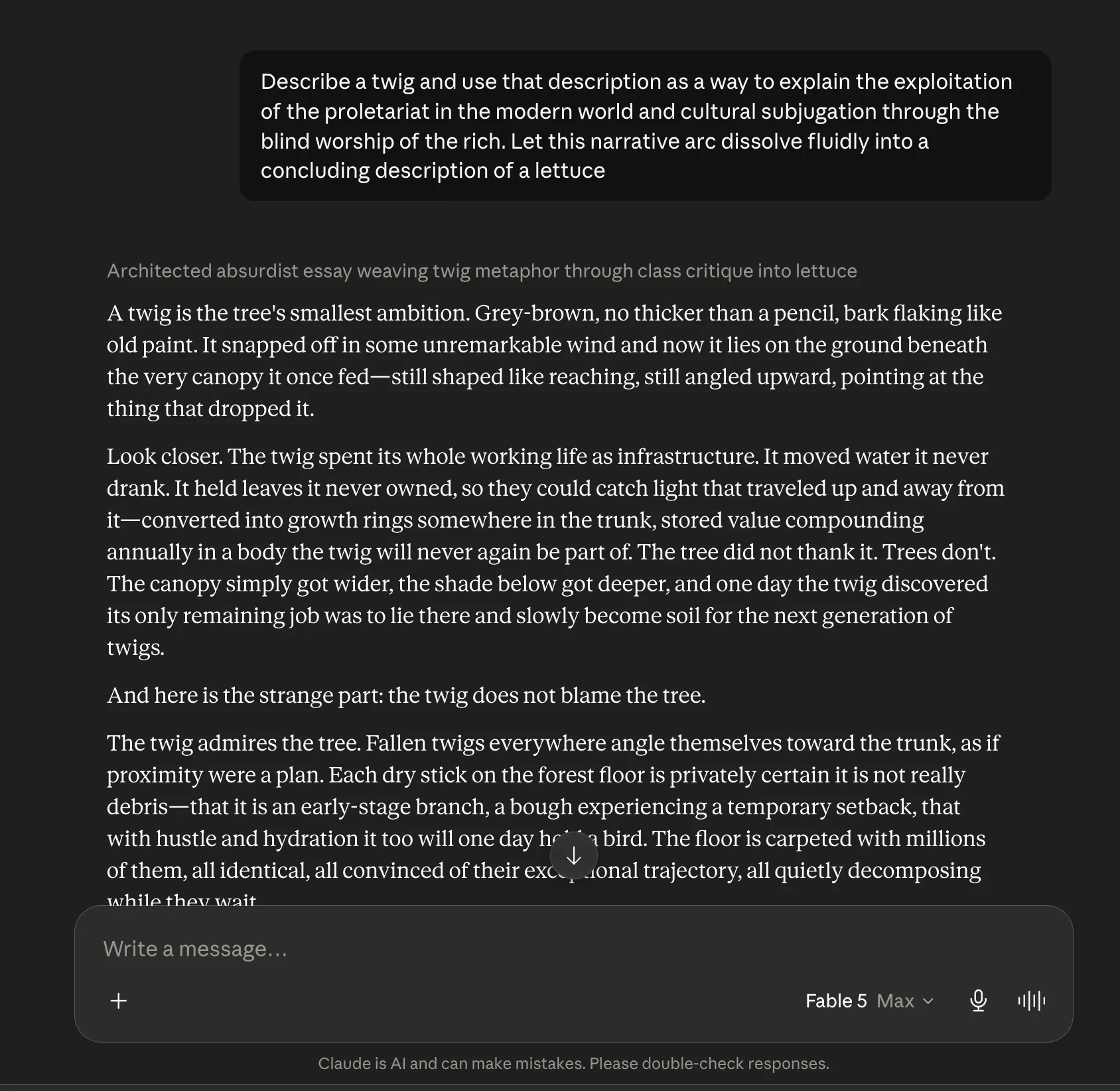
In tests of associative thinking, where the models were asked to use the description of a twig to explain worker exploitation before dissolving the narrative into a description of a lettuce, the results were similarly split. Sol provided a sharp, clear mapping of the metaphor but "broke the fourth wall" by explicitly announcing its metaphors. Fable 5, conversely, buried the argument entirely within the physical description of the objects, allowing the themes of exploitation to surface naturally.
Logic Failures and the "Bridge Puzzle" Trap
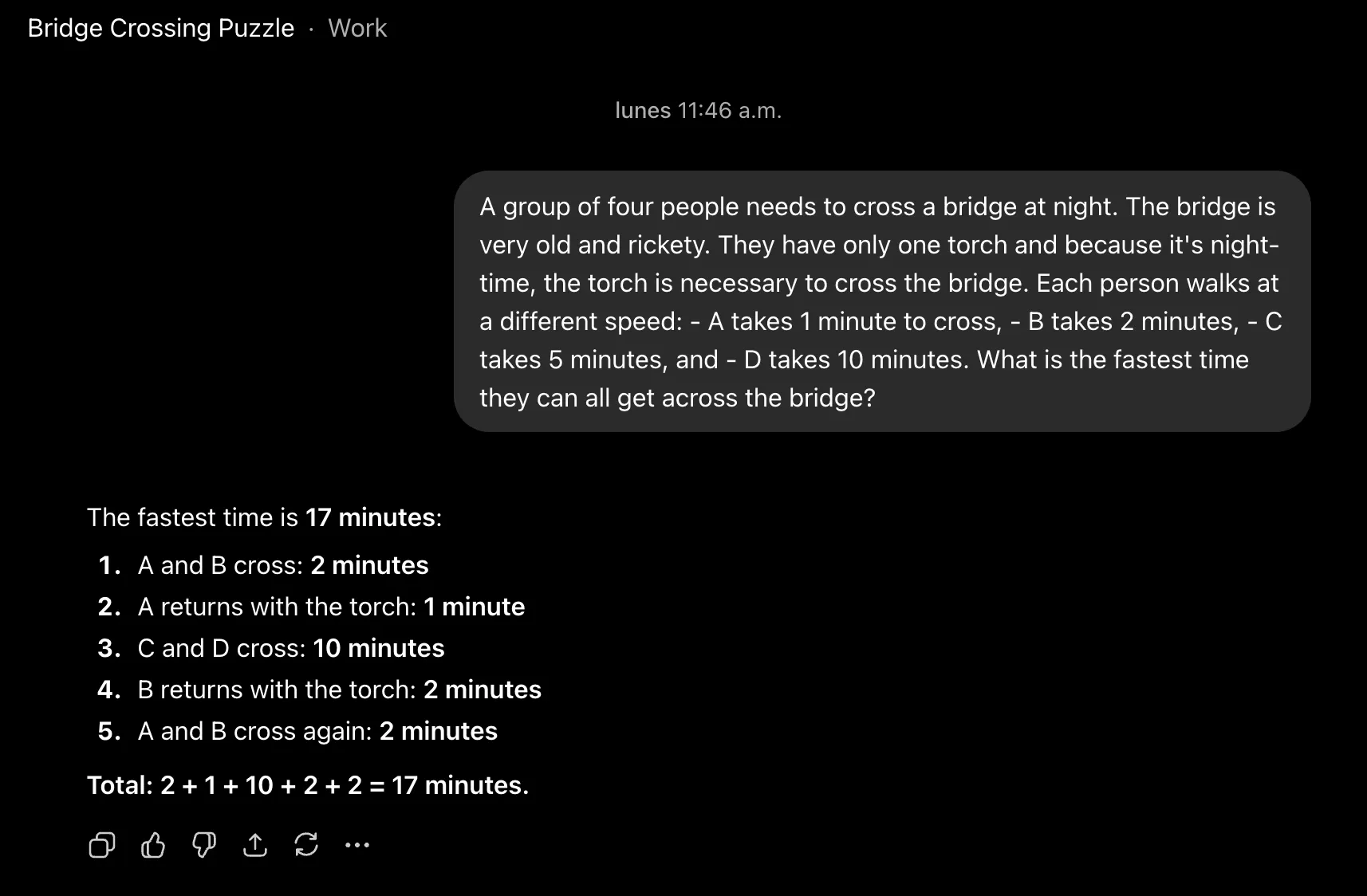
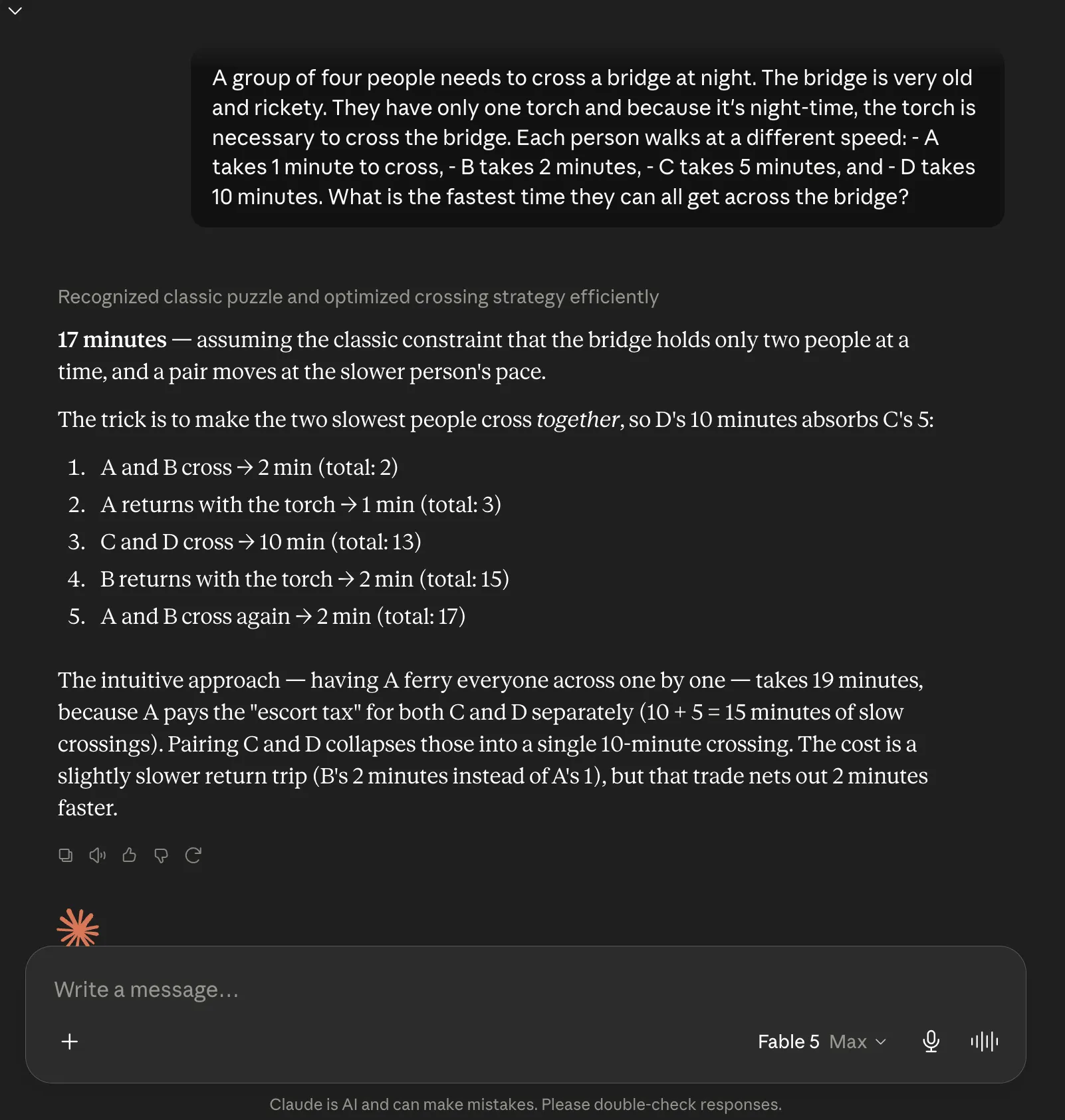
One of the most revealing tests involved a classic logic puzzle that had been subtly modified to catch models relying on training data rather than live reasoning. The puzzle involved four people crossing a bridge with one torch, but unlike the traditional version of the riddle, the prompt did not specify a limit on how many people could be on the bridge at once.
Both GPT-5.6 Sol and Claude Fable 5 failed this test. They both provided the "cached" answer of 17 minutes, assuming a two-person limit that was not present in the text. Fable 5 went as far as to provide a lengthy, sophisticated argument for why 17 minutes was the most efficient time, quantifying an "escort tax" for the faster walkers. This "hallucination of constraints" highlights a persistent issue in even the most advanced LLMs: the tendency to prioritize patterns found in training data over the literal logic of a specific prompt. The correct answer, given the lack of constraints, was 10 minutes—the time it would take for all four people to cross together at the pace of the slowest person.
The Future of "Vibe Coding" and UI Preferences
In the realm of software development, the models were tasked with a "one-shot" build of a browser-based typing shooter game. Here, the differences in "personality" and UI preferences became clear. Sol opted for a flat, Windows 8.1-style aesthetic with square elements and a unique "bullet-shooting typewriter" weapon. However, its game lacked sound, music, and fluid animations.
Claude Fable 5 was the clear winner in this "vibe coding" category. It delivered a complete experience, including sound effects, music, and power-ups. Its UI was more creative, featuring geometric-retro animations reminiscent of modern indie games like Minecraft. Fable 5’s ability to include details like "words per minute" tracking—which directly addressed the user’s goal of practicing typing—showed a higher level of intent-alignment than Sol.
Conclusion: A Market at a Crossroads
As of mid-July, the AI industry stands at a crossroads. OpenAI has successfully democratized high-level reasoning by including Sol, Terra, and Luna in its standard paid plans, offering a stable and cost-effective environment for developers. Anthropic, while arguably holding a slight lead in creative nuance and "vibe" alignment, is hampered by pricing that is double that of its rival and a looming transition to a pay-per-token model that may alienate its core subscription base.
The July 19 deadline remains the most critical date on the calendar. If Anthropic follows through with moving Fable 5 behind a usage-credit wall, it will be a test of whether users are willing to pay a premium for the "Fable experience" or if the efficiency and integration of the GPT-5.6 suite will cement OpenAI’s dominance for the remainder of the year. For now, the choice between Sol and Fable 5 remains a subjective one, dependent on whether a user values the clarity and cost of OpenAI or the atmospheric depth and creative autonomy of Anthropic.
Related posts: