Samsung Galaxy Unpacked Set to Unveil Next-Generation Foldables and Wearables in London

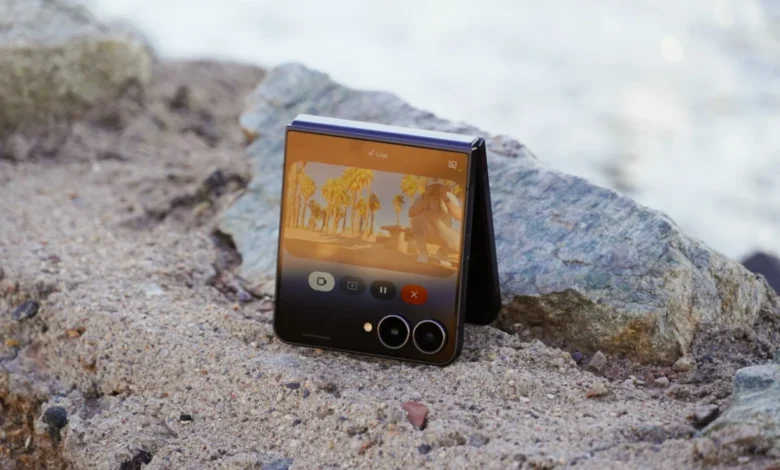
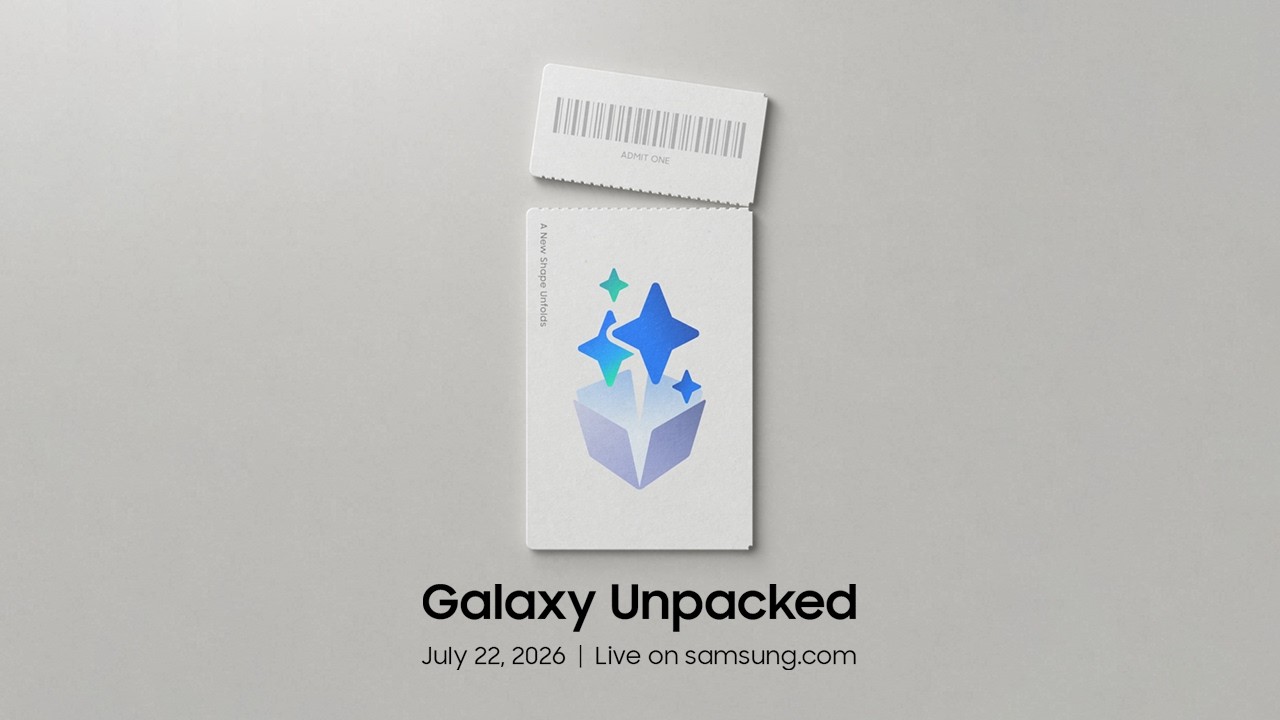
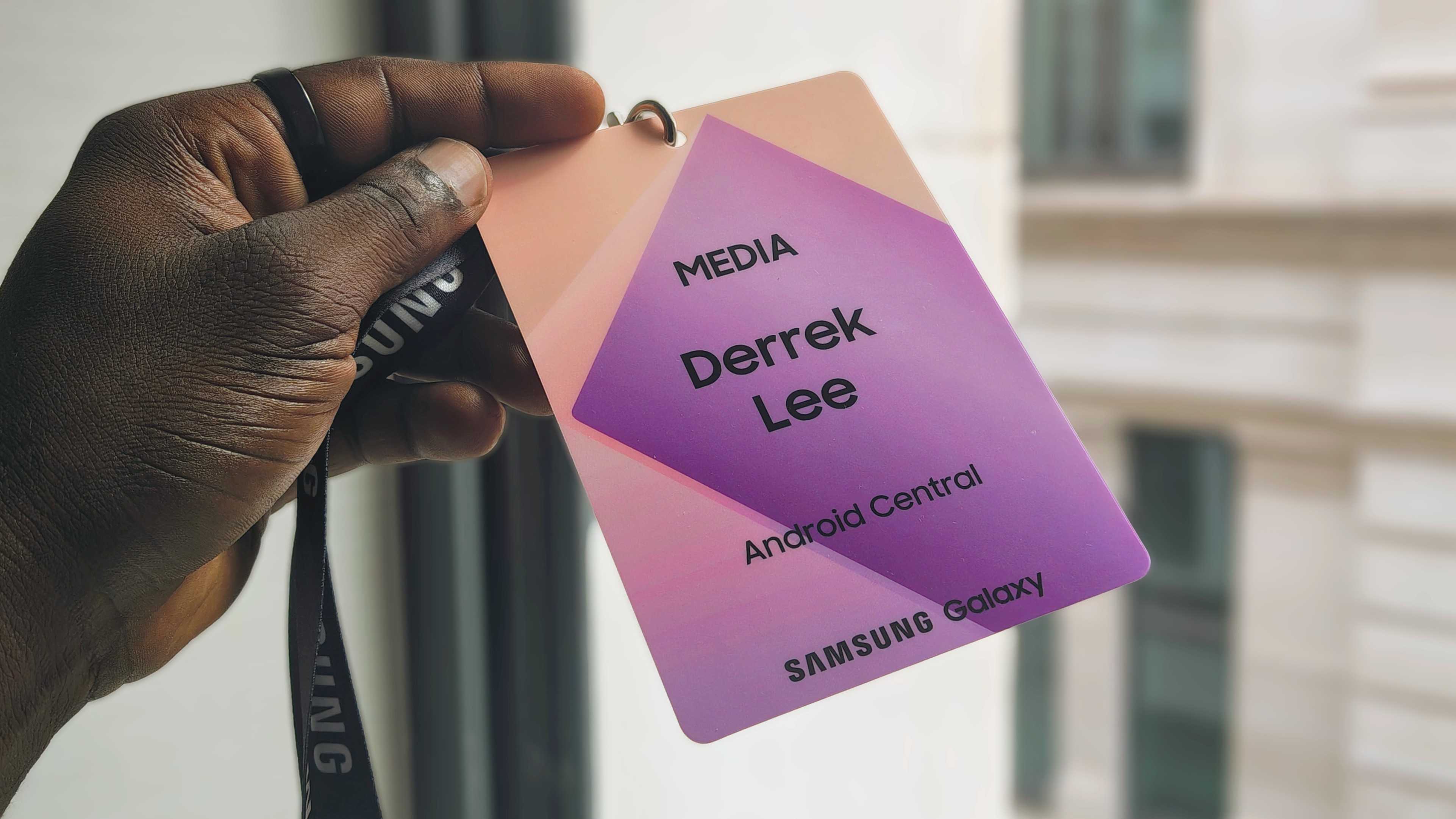
Samsung is poised to kick off its highly anticipated Galaxy Unpacked event today, July 22nd, at 9:00 AM EST (2:00 PM BST) in London, England. The global technology giant is expected to unveil a suite of new devices, with a particular focus on its latest foldable smartphones and advancements in wearable technology. Managing Editor Derrek Lee from Android Central is on location in the U.K., ready to provide live coverage and expert analysis of all announcements.
The decision to host this significant launch event in London marks a notable return for Samsung, nearly 14 years after the unveiling of the groundbreaking Galaxy S3 in the same city. Historically, Samsung has alternated its major Unpacked events between the United States and South Korea, making this re-engagement with the European market a strategic move. This choice underscores the growing importance of the European tech landscape and Samsung’s commitment to its global consumer base. Preparations for the event have been underway for days, with media personnel, including Lee, engaging in various briefings throughout the week, hinting at a substantial slate of innovations to be revealed.
A Look Back: The Evolution of Samsung’s Unpacked Events
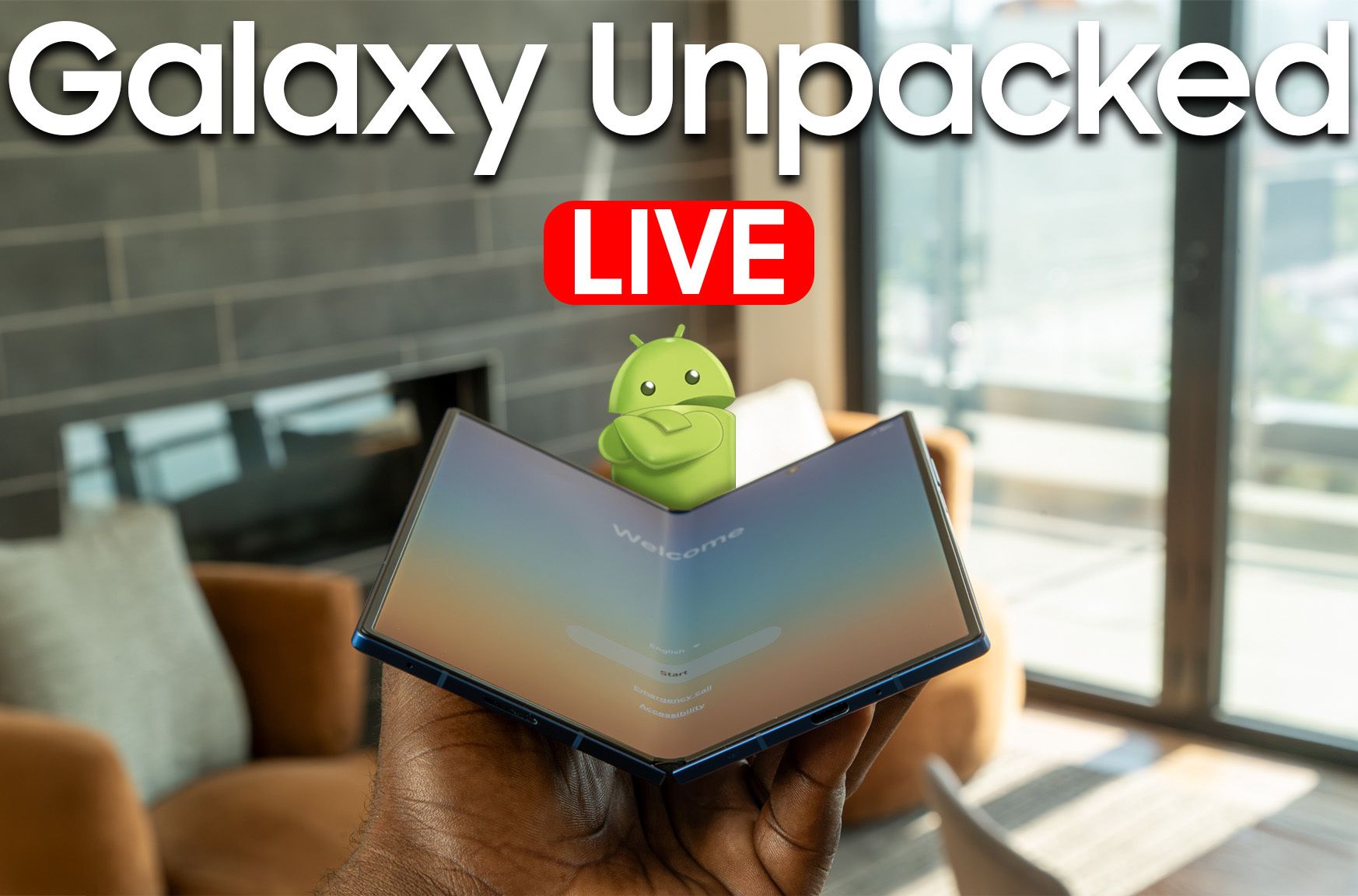
Samsung’s Galaxy Unpacked series has served as the primary platform for the company to showcase its flagship devices and technological breakthroughs for over a decade. These events are meticulously orchestrated spectacles, blending product reveals with strategic messaging about Samsung’s vision for the future of mobile technology. From the early days of the original Galaxy S series, which established Android as a formidable competitor to Apple’s iOS, to the introduction of the Note series that popularized large-screen smartphones and stylus integration, Unpacked events have consistently been at the forefront of mobile innovation.
The mid-2010s saw Samsung consolidate its position as a global leader, often leveraging Unpacked to introduce iterative but impactful improvements to its Galaxy S and Note lines. However, the true paradigm shift began in 2019 with the introduction of the first Galaxy Fold, marking Samsung’s audacious foray into the nascent foldable smartphone market. This initial launch, while ambitious, was met with early challenges, highlighting the complexities of pioneering a new form factor. Yet, Samsung’s perseverance led to rapid improvements, with subsequent generations refining the hinge mechanism, display durability, and software optimization.
The return to London for this Unpacked event is not just a geographical shift but also a symbolic one. The city has a rich history in global technology and commerce, and hosting such a high-profile event there allows Samsung to directly engage with a diverse international audience and media, reaffirming its global presence and innovation leadership. This move could also be seen as an effort to tap into the mature European tech market, which often sets trends for design and user experience.
The Rise of Foldables: Market Dynamics and Samsung’s Strategy
The foldable smartphone market has matured significantly over the past seven years, transitioning from niche experimental devices to a more mainstream product category. This maturation is evident in increased demand, not only in key markets like the U.S. but globally. The improved reliability, thinner designs, and enhanced user experiences of recent models, such as the Galaxy Z Fold 7, have made these devices increasingly appealing as an upgrade path for users accustomed to traditional Galaxy S smartphones.
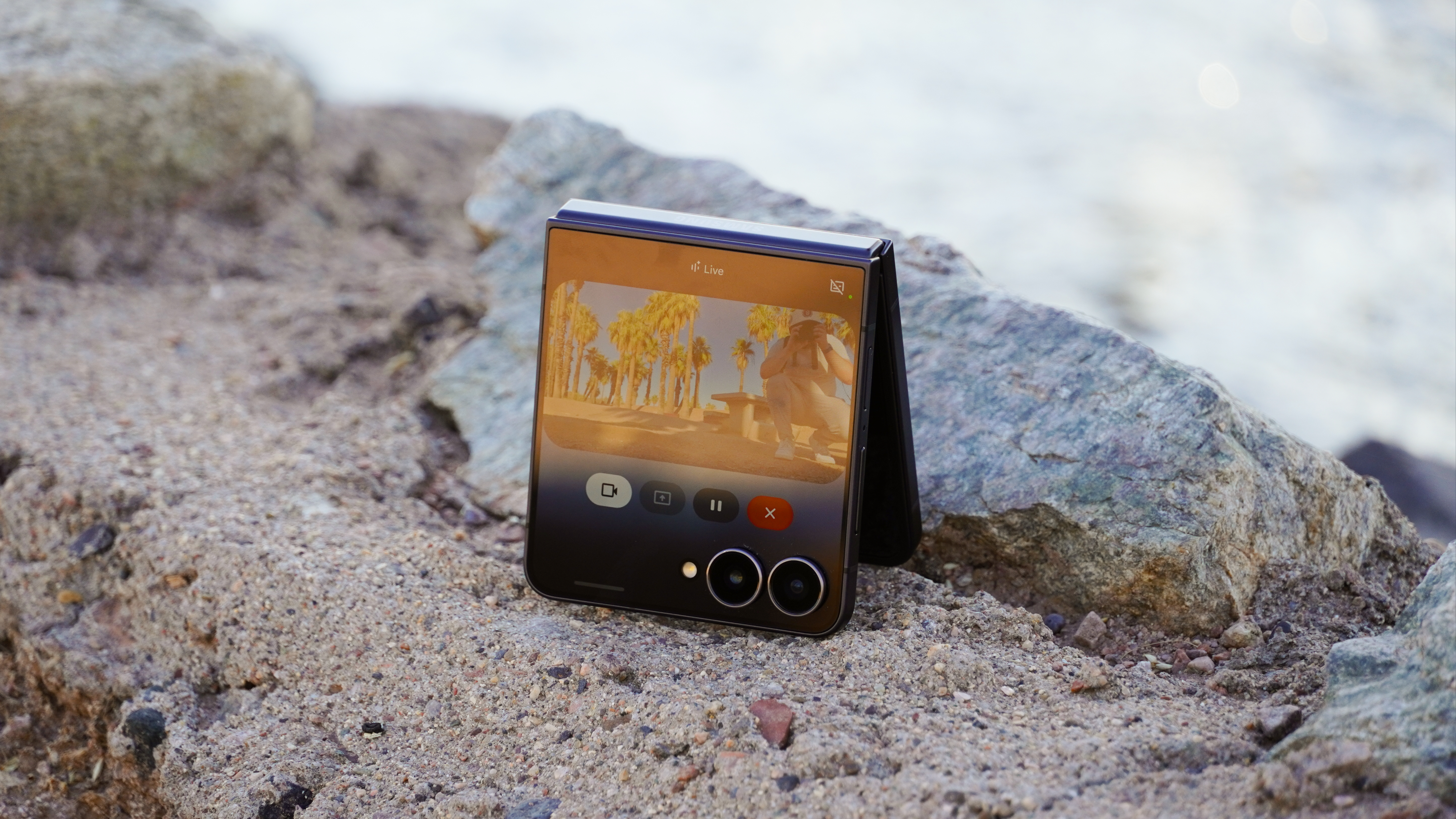
A key trend observed by industry analysts is the growing dominance of "book-style" foldables, like Samsung’s Galaxy Z Fold series, over "flip phone" style foldables, such as the Galaxy Z Flip series, in terms of sales volume. This shift is likely driven by consumers valuing the larger, tablet-like internal display for productivity and immersive content consumption offered by book-style devices. While flip phones offer a compelling compact form factor, the utility of a larger internal screen for tasks ranging from multitasking to media viewing appears to be a stronger draw for many.
In response to these market dynamics, Samsung is reportedly expanding its foldable lineup by offering two distinct Fold variants this year. This strategy aims to broaden the appeal of its book-style foldables, potentially addressing different price points or feature sets within the premium segment. By diversifying its offerings, Samsung hopes to capture a wider demographic and further solidify its leadership in the competitive foldable market. This strategic pivot suggests a confidence in the form factor’s long-term viability and Samsung’s commitment to driving its evolution.
Anticipated Flagship: The Galaxy Z Fold 8 Takes Center Stage
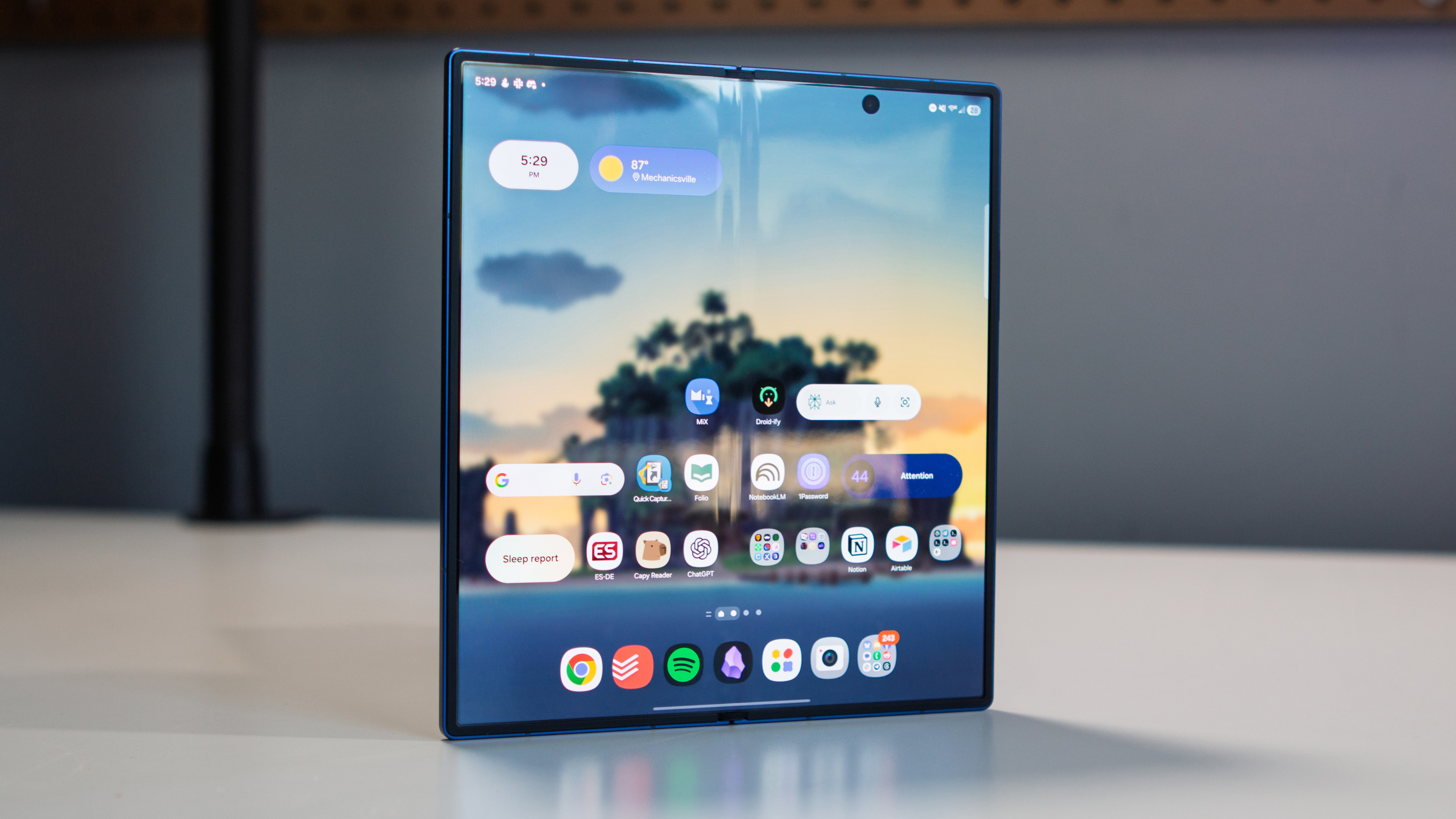
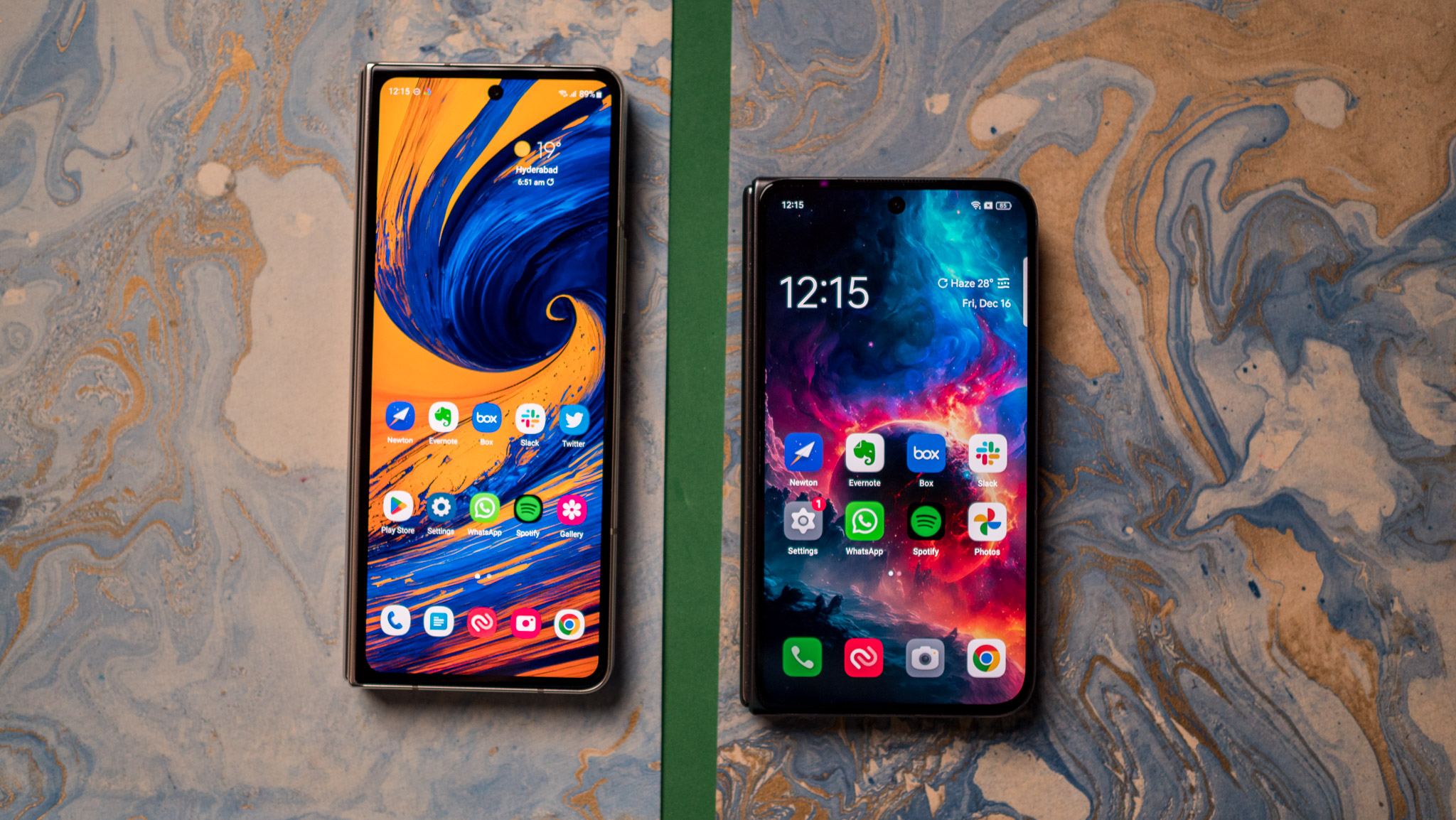
Foremost among the expected announcements is the Galaxy Z Fold 8, which is anticipated to be the highlight of the event. Leaks and industry whispers suggest significant design changes, most notably a rumored "shorter and wider" aspect ratio. This alteration is seen as a direct response to user feedback and market trends, aiming to enhance the device’s ergonomics and usability.
Analysis of the New Aspect Ratio:
- Enhanced Content Consumption: A wider external display is expected to make content, such as videos, web pages, and social media feeds, more comfortable and immersive to view without the need to constantly unfold the device. This addresses a common criticism of previous Fold models, where the narrow external screen felt cramped for typical smartphone usage.
- Improved Usability: A shorter, wider form factor could make the Z Fold 8 easier to hold and operate with one hand when folded, improving its practical utility as a conventional smartphone. This change would bring it closer in feel to traditional flagship phones, reducing the learning curve for new foldable users.
- Multitasking Potential: On the internal folding screen, the wider aspect ratio could offer a more natural canvas for multitasking, allowing applications to be displayed side-by-side with greater screen real estate for each. This aligns with the productivity-focused appeal of large-screen foldables.
However, the new aspect ratio also presents potential challenges. Industry experts, including Android Central’s Managing Editor Derrek Lee, have expressed curiosity, and at times, a degree of skepticism, regarding how well apps will adapt to both the external and internal displays. The optimization of third-party applications for non-standard aspect ratios has historically been a hurdle for innovative form factors, as seen with devices like the Microsoft Surface Duo or even the OPPO Find N2, which featured a wider, more tablet-like internal display. Ensuring a seamless and intuitive user experience across a vast ecosystem of applications will be crucial for the Z Fold 8’s success. Lee specifically questioned if this design would truly be "optimal" for a foldable, suggesting that it might be an "awkward attempt" to replicate other form factors rather than a truly organic evolution. The live event and hands-on demonstrations will be critical in addressing these concerns.
The Absence of a Galaxy Z Flip FE and the Dual Fold Strategy
While the focus is heavily on the Z Fold 8, there’s a notable absence of expectations regarding a new "Fan Edition" (FE) for the Galaxy Z Flip line. Derrek Lee, a self-professed fan of flip phones, expressed disappointment but acknowledged the strategic rationale. The market data indicating that book-style foldables have surpassed flip phones in sales volume likely influenced Samsung’s decision to concentrate its resources and marketing efforts on the Fold series.
Instead of a new Flip FE, Samsung’s strategy appears to involve offering two distinct variants of the Z Fold. This move could signify a premium and a slightly more accessible or specialized version of the book-style foldable. For instance, one variant might push the boundaries of technology with advanced cameras or a built-in S Pen, while the other might focus on a lighter, thinner profile at a slightly lower price point to attract a broader audience. This dual-Fold approach aims to maximize market penetration and cater to a wider range of user preferences within the rapidly growing foldable segment.
Beyond Foldables: Wearables and the Broader Ecosystem
Beyond the highly anticipated foldable smartphones, Samsung Unpacked events typically serve as a platform for launching new wearables, including smartwatches and true wireless stereo (TWS) earbuds. While specific details remain under wraps, it is highly probable that Samsung will introduce its next generation of Galaxy Watch devices, potentially the Galaxy Watch 7 series. These new smartwatches are expected to feature advancements in health monitoring, fitness tracking, battery life, and possibly new software enhancements building on Wear OS, developed in collaboration with Google. Speculation includes improved sensor accuracy, new wellness features like advanced sleep tracking or stress management tools, and updated designs that blend functionality with aesthetic appeal.
The event may also see updates to Samsung’s Galaxy Buds lineup, offering improved audio quality, active noise cancellation (ANC), and seamless integration within the Samsung ecosystem. These smaller, yet significant, announcements contribute to Samsung’s overarching strategy of building a comprehensive and interconnected smart device ecosystem. Any "everything else" could range from new tablet announcements to updates on Samsung’s SmartThings platform for home automation, further solidifying its presence in the connected living space.
How to Watch Samsung Galaxy Unpacked 2026
For those eager to witness the unveiling live, Samsung is providing multiple accessible viewing options:
- Samsung’s Official Websites: The event will be livestreamed directly on Samsung.com and the Samsung Newsroom. These platforms often offer additional content, such as press releases and detailed product specifications, immediately following the keynote.
- Official YouTube Channel: Perhaps the most convenient option for many, Samsung’s official YouTube channel will host the live broadcast. Viewers can set a "Notify Me" reminder on the video link (e.g., https://www.youtube.com/watch?v=Nul7mPL7Nt4) to ensure they don’t miss the start.
The event begins at 9:00 AM EST (New York time), which translates to 2:00 PM BST for those in the U.K. and other regions. Android Central will also be providing a live play-by-play and real-time reactions to all of Samsung’s announcements, offering immediate expert insights as the devices are revealed.
Broader Impact and Implications
The 2026 Samsung Galaxy Unpacked event holds significant implications not just for Samsung, but for the wider mobile technology industry. The success of the Galaxy Z Fold 8, particularly with its new design philosophy, could either set a new standard for foldable ergonomics or highlight the challenges of deviating too far from established form factors. If successful, it could accelerate the mainstream adoption of foldables, prompting competitors to redouble their efforts in this segment.
Samsung’s continued investment in foldables reinforces its commitment to innovation and its strategy to differentiate itself in a highly competitive smartphone market. By pushing the boundaries of hardware and software integration for unique form factors, Samsung aims to maintain its position as a leader in premium mobile experiences. The performance of these new devices in the market will offer valuable insights into consumer preferences for advanced mobile technology and the future trajectory of smartphone design. The London event is more than just a product launch; it’s a statement of intent from a company determined to shape the next era of personal electronics.