Sperm Whales Regulate Vertical Sleeping Buoyancy by Strategically Releasing Air Bubbles

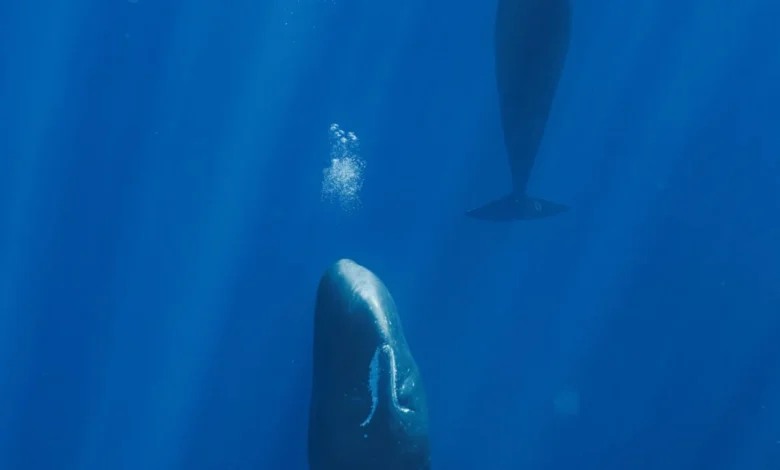
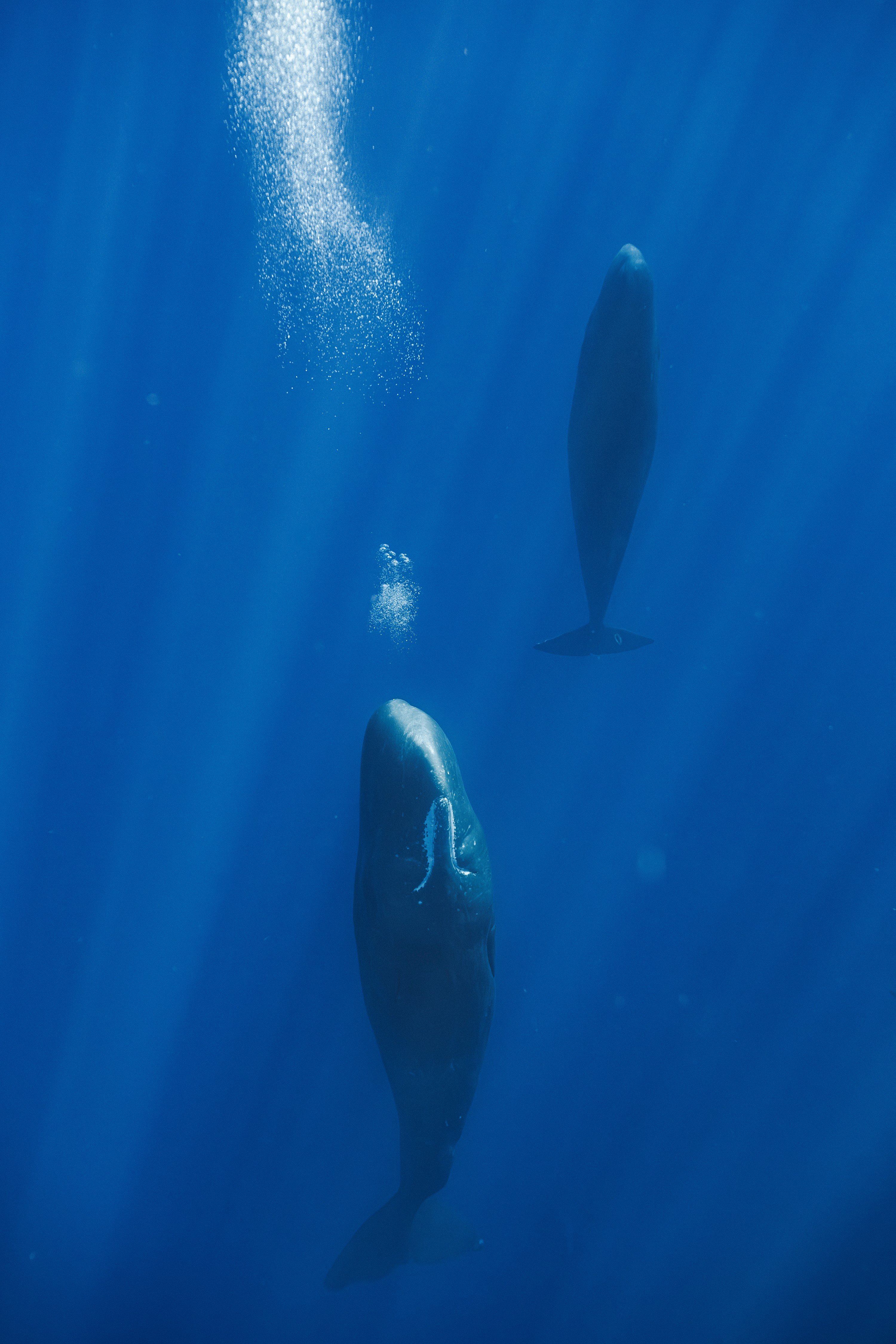
The depths of the world’s oceans have long concealed the private lives of its largest inhabitants, but recent advancements in bio-logging technology are peeling back the veil on the sophisticated behaviors of the sperm whale (Physeter macrocephalus). A groundbreaking study published in the Journal of Experimental Biology has identified a specific mechanism by which these massive marine mammals manage their buoyancy during periods of rest. Researchers have determined that sperm whales, which famously sleep in a vertical, head-up orientation, utilize the release of air bubbles to prevent themselves from floating toward the surface, a discovery that adds a new layer of complexity to our understanding of cetacean physiology and behavior.
The Mechanics of Vertical Rest in the Deep
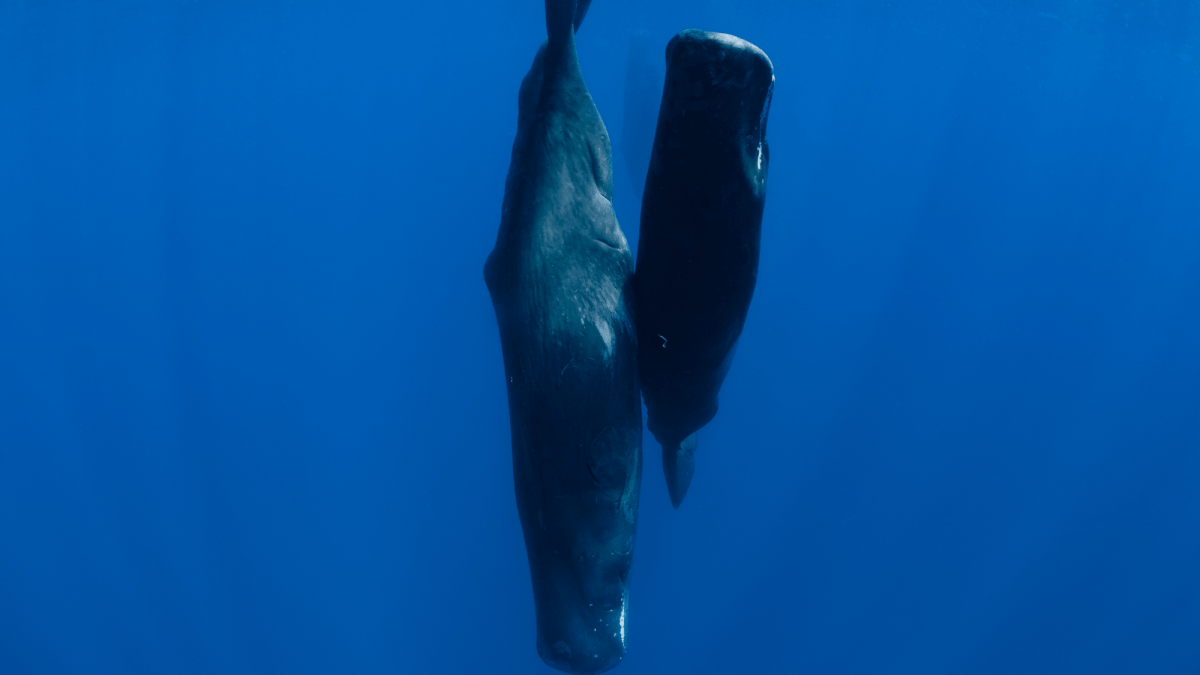
Sperm whales are known for their extraordinary diving capabilities, often descending to depths exceeding 2,000 meters in search of giant squid. However, their periods of rest are equally remarkable. Unlike many other marine mammals that may rest while swimming slowly, sperm whales engage in short, intense bouts of sleep lasting between 10 and 15 minutes. During these intervals, they hang motionless in the water column, positioned vertically with their snouts pointed toward the surface.
This posture has long puzzled biologists. The sperm whale’s head is its most distinctive feature, containing the massive spermaceti organ—a complex system of oil-filled chambers used for echolocation and, theoretically, buoyancy control. Because this region is highly buoyant, a sleeping whale faces the constant risk of drifting upward. If a whale floats too close to the surface while unconscious, it could be exposed to turbulent waters or ship strikes. Conversely, if it sinks too deep, it may struggle to reach the surface in time for its next breath. The study, led by Noémie Freymond and Patrick Miller, suggests that the release of bubbles serves as a fine-tuning mechanism for maintaining a stable "sleeping depth."
Methodology: Tracking Giants in the Lofoten Islands
The research team focused their efforts on the waters surrounding Norway’s Lofoten Islands, a region known for its deep-water canyons and rich biodiversity. To gather data, the scientists monitored 42 individual sperm whales using sophisticated suction-cup tags. These non-invasive devices are equipped with a suite of sensors, including accelerometers to track body orientation, depth gauges, and hydrophones to record acoustic data.
The logistical challenge of such a study is significant. The tags must remain attached long enough to capture natural resting behavior, which only accounts for a small fraction of the whale’s daily cycle. Once the tags detach—usually after several hours or days—they float to the surface, where they emit a radio signal for retrieval.
Upon analyzing the acoustic and positional data, the team identified a clear correlation between bubble release and resting depth. By synchronizing the sound of "bubble bursts" with the whales’ pitch and depth profiles, the researchers were able to quantify exactly how often and under what conditions the whales were exhaling during their naps.
Buoyancy and the Physics of the Water Column
The study revealed that sperm whales utilize three primary methods of entering a resting state, each dictated by their preceding activity and current depth.
- Shallow Sink: Whales may slowly descend to approximately 8 meters (26 feet), tail-first, before settling into a vertical posture.
- The Head-First Dive: Whales may dive head-first to a shallow depth before their buoyant heads naturally pivot them into a vertical "standing" position.
- Deep-Rise Rest: Following a deep foraging dive, whales may begin to float upward from depths exceeding 200 meters (656 feet), utilizing their natural buoyancy to ascend passively while they sleep.
The data showed a stark difference in bubble-blowing frequency based on depth. Whales resting near the surface—where the air in their lungs is less compressed and thus more buoyant—released bubbles approximately 11 times per nap. In contrast, whales resting at greater depths, where the immense water pressure compresses the air in their lungs and reduces their overall buoyancy, only released bubbles three or four times.
This finding aligns with Archimedes’ principle. At depth, the density of the whale increases as gas volumes shrink, making them less likely to float away. Near the surface, the "balloon effect" of the lungs is at its strongest, requiring the whale to expel air to maintain its position in the water column.
A Growing Portfolio of Human-Like Traits
This discovery regarding sleep is part of a broader trend in marine science that highlights the surprisingly "human" characteristics of sperm whales. Recent studies into their acoustic communication have suggested the existence of a "phonetic alphabet." Sperm whales communicate using patterns of clicks known as codas. Researchers have found that these codas possess a structure similar to human language, involving variations in tempo, rhythm, and even "vowels" (spectral features of the clicks).
Furthermore, the social structures of sperm whales are among the most complex in the animal kingdom. They live in matrilineal societies, share "regional dialects," and exhibit babysitting behaviors where adults take turns guarding calves during deep dives. The realization that they also have a sophisticated method for managing sleep—one that requires precise physiological regulation—further narrows the perceived gap between human and cetacean intelligence.
The Consciousness Debate: Snoring or Strategy?
One of the most provocative questions raised by the study is whether the bubble-blowing is a conscious or unconscious act. In many cetaceans, such as bottlenose dolphins, sleep is "unihemispheric," meaning only one half of the brain sleeps at a time while the other remains alert to breathe and watch for predators. It is currently unclear if sperm whales follow this pattern or if they enter a state of full bi-hemispheric sleep, which would more closely resemble human REM sleep.
If sperm whales are fully asleep, the release of bubbles might be an autonomic reflex—a biological "pressure valve" triggered by the sensation of ascending. However, if they retain some level of environmental awareness, the behavior could be a conscious strategy to remain within a specific "safety zone" below the surface.
Noémie Freymond, who is now pursuing a PhD studying sleep in chimpanzees at the University of Neuchâtel, noted that while the team has proven why the whales blow bubbles, the how remains a mystery. The comparison to human snoring is tempting, but the researchers emphasize that while snoring is a byproduct of relaxed airways, whale bubbles appear to be a functional requirement for maintaining stability.
Chronology of Discovery in Cetacean Sleep
The understanding of sperm whale sleep has evolved rapidly over the last two decades:
- Pre-2000s: It was widely assumed that large whales slept while moving slowly or at the surface, similar to "logging" behavior seen in other species.
- 2008: Dr. Patrick Miller and colleagues published the first definitive evidence of vertical sleep in sperm whales after stumbling upon a group of motionless whales in the Atlantic.
- 2010-2020: Advancements in DTAG (digital acoustic recording tag) technology allowed for more precise measurements of body pitch and duration of rest.
- 2024: The Freymond and Miller study provides the first physiological explanation for the bubble-blowing behavior observed during these vertical rests.
Environmental and Conservation Implications
Understanding the nuances of sperm whale sleep is not merely a matter of biological curiosity; it has significant implications for conservation. The ocean is becoming increasingly noisy due to shipping, seismic surveys, and military sonar. If sperm whales require these 10-15 minute "power naps" to function, chronic noise pollution could disrupt their sleep cycles, leading to physical exhaustion or impaired cognitive function.
Furthermore, because these whales are resting relatively close to the surface (often within the first 10 to 50 meters), they are highly vulnerable to ship strikes. Knowing that they utilize bubble-blowing to stay submerged suggests that they are actively trying to remain away from the surface, yet they remain within the "danger zone" of deep-draft commercial vessels.
Conclusion
The image of a 40-ton predator hanging motionless and vertical in the dark silence of the ocean, gently releasing bubbles to stay in place, is a powerful testament to the elegance of evolution. As researchers continue to analyze the data from Norway and beyond, the sperm whale continues to emerge as one of the most sophisticated residents of our planet. Future studies are expected to delve deeper into the neurological state of these sleeping giants, perhaps finally answering whether their bubble-blowing is a conscious act of buoyancy control or a deep-sea version of a heavy sigh. For now, the "bubble-blowing" mystery serves as a reminder that even in their most vulnerable moments of rest, sperm whales are perfectly calibrated to the demands of their environment.