Critical Security Flaw Found in TP-Link Tapo C200 Cameras: Immediate Firmware Update Required


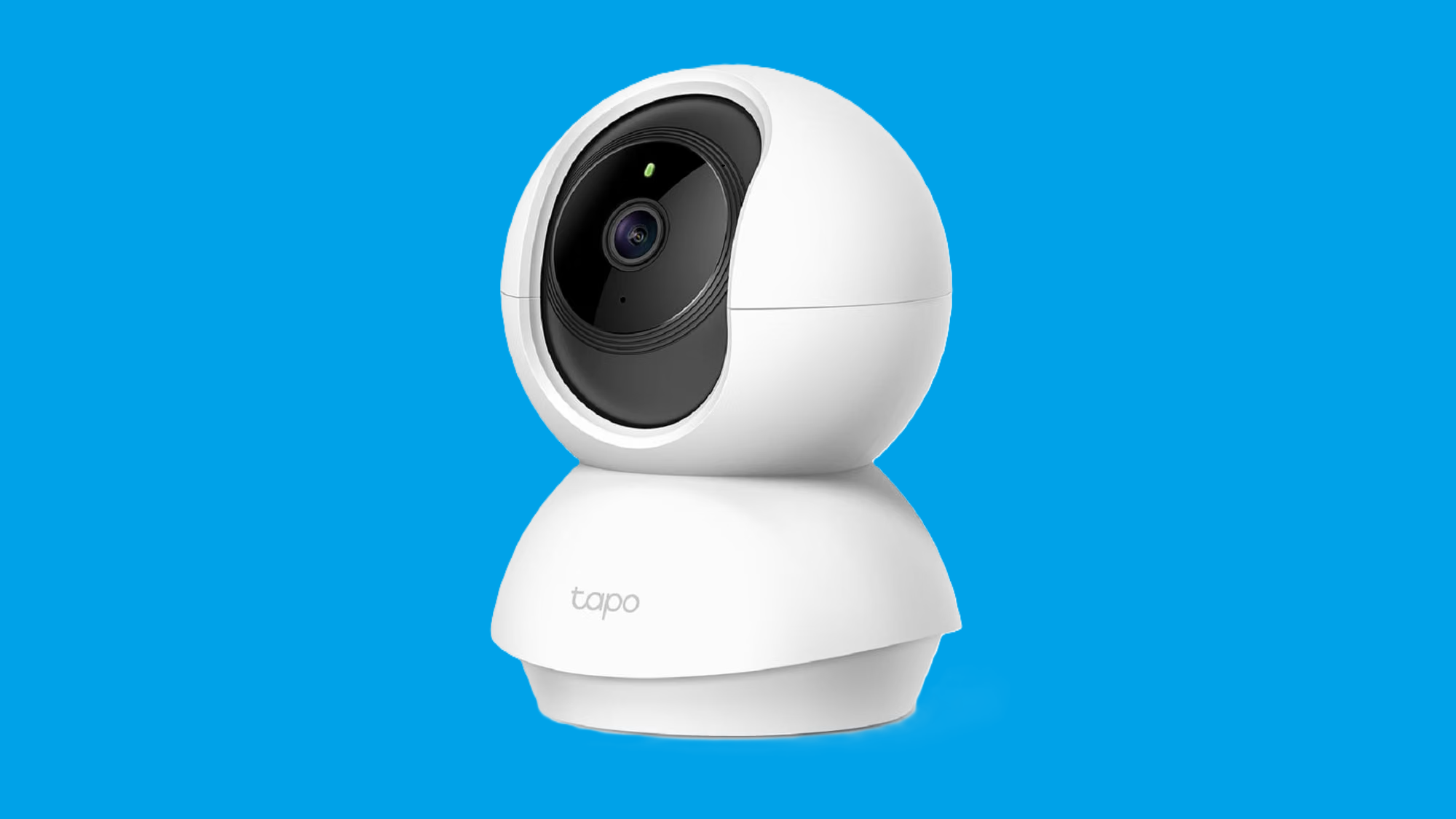
Users of the widely popular TP-Link Tapo C200 home security camera have been urged to update their device firmware immediately following the disclosure of two severe zero-day vulnerabilities. Cybersecurity researchers from OPSWAT published a comprehensive advisory detailing flaws that could potentially allow malicious actors on the same network to bypass authentication protocols, gain administrative control, and covertly spy on users without needing to crack or recover the administrator password.
The discovery highlights growing security concerns surrounding Internet of Things (IoT) devices, particularly those deployed in sensitive residential environments such as nurseries and living rooms. As smart home adoption accelerates globally, vulnerabilities in connected hardware present significant privacy risks to everyday consumers.
Anatomy of the Vulnerabilities: CVE-2026-15315 and CVE-2026-15316
The security flaws, officially cataloged as CVE-2026-15315 and CVE-2026-15316, affect the authentication and management architecture of the TP-Link Tapo C200 camera. According to OPSWAT’s technical analysis, these vulnerabilities enable an unauthorized attacker with local network access to circumvent standard login checks and acquire valid administrative privileges.
In a technical blog post detailing the findings, OPSWAT researchers explained the severe scope of the administrative access granted by the exploits. "The resulting administrative access enables the attacker to invoke privileged management functions, modify device configuration, and perform operations that would normally require authorized administrator access," the firm stated.
Beyond altering camera settings, this level of compromise grants malicious actors unhindered entry to live video feeds and stored cloud or local recordings. For a device frequently marketed and utilized as an affordable home security monitor or a baby monitor, the prospect of an unauthorized third party watching live video streams introduces profound privacy and physical security implications.
Timeline of Discovery and Remediation
The identification and resolution of these zero-day vulnerabilities followed standard cybersecurity disclosure protocols, though the speed of the manufacturer’s response has averted a prolonged exploitation window.
- August 17: TP-Link officially releases firmware version V5-1.4.6 Build 260709, specifically designed to remediate the authentication bypass and denial-of-service vectors.
- Post-Release Disclosure: OPSWAT publicly releases details of CVE-2026-15315 and CVE-2026-15316, notifying the wider public and device owners of the inherent risks prior to the update.
- Present Day: Security experts and manufacturers strongly urge all remaining unpatched device owners to immediately apply the August patch.
Official Response from TP-Link
Upon being notified of the vulnerabilities by OPSWAT’s research team, hardware manufacturer TP-Link moved quickly to address the flaws. A company spokesperson emphasized the brand’s commitment to consumer safety in a statement provided to industry media.
"TP-Link Systems Inc. takes the security of our products and the privacy of our customers very seriously," the spokesperson said, noting that upon being made aware of the findings, the company immediately investigated the flaws and successfully developed targeted firmware updates to eliminate the security gaps.
The manufacturer has reiterated that the vulnerabilities have been fully remediated in the latest software build and encourages all customers utilizing the Tapo C200 to verify their version numbers and update immediately.
How to Secure Your Tapo C200 Camera

Securing affected devices requires updating the camera’s firmware to version V5-1.4.6 Build 260709 or later. Users can accomplish this directly through the official Tapo mobile application by navigating to the device settings and checking for firmware updates. Alternatively, manual update instructions and support files can be downloaded from the official Tapo C200 support portal.
Given the prevalence of IoT devices in modern households, cybersecurity professionals recommend adopting several best practices to mitigate potential network-borne risks:
- Enable Automatic Updates: Configure smart home devices to install firmware updates automatically whenever available.
- Segment Home Networks: Place IoT devices on a separate guest or Internet of Things VLAN (Virtual Local Area Network) to isolate them from primary computers, NAS drives, and sensitive personal data.
- Change Default Credentials: Always modify default administrative usernames and passwords, even on devices that do not outwardly appear vulnerable to authentication bypass.
Broader Industry Context: TP-Link’s Market Position and Regulatory Landscape
The timing of this security disclosure intersects with a complex period for TP-Link, a major player in the global networking and smart home equipment sector. While widely recognized by consumers for its accessible Wi-Fi routers—accounting for approximately six percent of the United States router market—the company faces an increasingly stringent international regulatory environment.
TP-Link is currently navigating potential operational hurdles stemming from evolving Federal Communications Commission (FCC) policies regarding foreign-manufactured networking hardware. Despite these broader geopolitical and market challenges, the company’s rapid response to the OPSWAT disclosure demonstrates an active approach to maintaining product integrity and consumer trust in its security ecosystem.
As smart home technology continues to evolve—with upcoming hardware standards like Wi-Fi 8 promising unprecedented range, speed, and reliability—securing the foundational software layer remains paramount. Incidents like the Tapo C200 zero-day discovery underscore the ongoing necessity of robust collaboration between independent security researchers and hardware manufacturers to protect consumer privacy in an increasingly interconnected world.