Garmin Venu 3S Drops to Record-Low Price in Amazon Sale, Offering Premium Fitness Tracking for Slighter Wrists

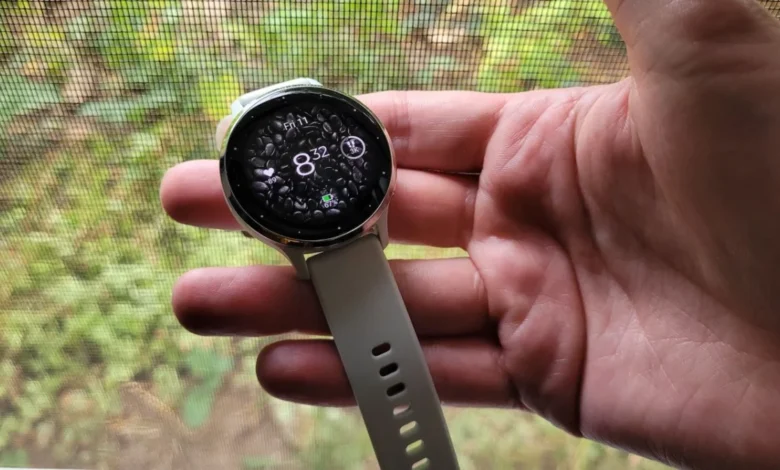
The consumer wearables market has long faced a persistent design dilemma: how to pack advanced health-monitoring hardware into a chassis that does not overwhelm smaller frames. For years, dedicated fitness tracking ecosystems—particularly those engineered by Garmin—catered primarily to endurance athletes and outdoor enthusiasts who preferred bulky, rugged aesthetics capable of withstanding extreme conditions. However, the introduction and ongoing market evolution of devices like the Garmin Venu 3S have effectively bridged the gap between high-performance athletic analytics and discreet, everyday horology.
In a significant retail development for fitness enthusiasts and casual athletes alike, Amazon has slashed the price of the Garmin Venu 3S by an unprecedented 36%. This aggressive markdown represents the lowest price ever recorded for the hybrid-style smartwatch, bringing the cost down to $288 from its standard retail price point. For consumers who have previously hesitated to invest in Garmin’s premium ecosystem due to financial barriers or design constraints, this historical discount marks an optimal entry point into advanced biometric monitoring.
Main Facts and Pricing Breakdown
The current promotional pricing on Amazon reduces the financial barrier to entry for one of the market’s most capable lifestyle-fitness hybrids. While the device initially commanded a price tag hovering around $450 at its initial launch, and more recently traded around $350, the new $288 price point shatters previous discounting records.
Unlike conventional smartwatches that prioritize smartphone notification mirroring over health metrics, or rugged sports watches that sacrifice aesthetic versatility, the Venu 3S occupies a specific niche. It scales down the robust internal architecture of the flagship Venu 3 into a more compact form factor tailored for users with slender wrists. Despite the reduction in physical dimensions, the device retains nearly all of the advanced computational and biometric sensors found in its larger counterpart, ensuring that users do not have to compromise on data fidelity for the sake of comfort.
Comprehensive Biometric and Health Tracking Suite
At the core of the Garmin Venu 3S appeal is its comprehensive array of health-tracking sensors and software metrics. The wearable is equipped with continuous heart rate monitoring, an optical sensor capable of tracking variations and anomalies, and pulse oximetry (Pulse Ox) measurements to gauge blood oxygen saturation levels. Furthermore, the inclusion of electrocardiogram (ECG) capabilities—subject to regional regulatory approvals—allows users to check for signs of atrial fibrillation directly from their wrist.
Beyond traditional vital statistics, Garmin’s proprietary software ecosystem sets the Venu 3S apart from generic smartwatches. Features such as Body Battery—which aggregates data on sleep, daily stress, and physical activity to provide a real-time energy reserve score—help users optimize their workout schedules and recovery periods. Additionally, the device’s advanced Sleep Score analysis provides actionable insights into sleep stages, heart rate variability during rest, and personalized recommendations for improving overall sleep hygiene. Because the Venu 3S features a lightweight, ergonomically refined chassis, it overcomes a common industry hurdle: it is comfortable enough to be worn continuously through the night without causing wrist fatigue or skin irritation.
Connectivity, Storage, and Activity Modes
Designed to function as a standalone training companion as well as a daily smartwatch, the Garmin Venu 3S integrates multi-band GPS tracking to map outdoor runs, hikes, and cycling routes with high precision without requiring a tethered smartphone. For auditory motivation during workouts, the wearable includes 8GB of onboard storage capacity, allowing users to download and store local music files or sync playlists from supported streaming platforms for offline playback via Bluetooth earbuds.
The device supports over 30 pre-installed indoor and outdoor activity profiles, ranging from mainstream pursuits like running, swimming, and cycling to specialized movements such as Pilates, yoga, and HIIT workouts. While endurance-focused flagships in Garmin’s catalog—such as the heavy-duty Fenix series—boast multi-week battery longevity and advanced topographic mapping suited for multi-day back-country expeditions, the Venu 3S balances power efficiency with lifestyle convenience. Under typical usage conditions, including active GPS tracking and continuous health monitoring, the Venu 3S delivers a reliable battery life of approximately one week before requiring a recharge, positioning it competitively against rivals in the lifestyle smartwatch sector.
Market Context and Industry Implications
The timing of this historic price reduction aligns with broader consumer electronics retail trends, where manufacturers and retailers utilize deep discounts to capture market share during non-traditional shopping holidays. The wearable technology sector has become increasingly saturated, with technology conglomerates and specialized fitness brands vying for dominance across distinct demographic segments.
Industry analysts note that while Apple and Samsung continue to dominate the mainstream smartwatch market through deep integration with their respective smartphone operating systems, specialized brands like Garmin maintain a distinct advantage among users who prioritize deep-dive health analytics, reliable physical buttons, and extended battery lifespans over cellular connectivity and app-store ecosystems. By discounting the Venu 3S to sub-$300 levels, Garmin effectively targets consumers who might otherwise settle for basic fitness bands or lifestyle smartwatches that lack clinical-grade biometric tracking depth.
Consumer Reception and Practical Utility
User and critic reception of the Venu 3S since its initial launch has largely centered on its accessibility. Casual runners, cyclists, and individuals seeking to establish structured wellness routines have praised the device for stripping away the intimidating, militaristic aesthetic associated with traditional sports watches. The ability to seamlessly transition from a morning running trail to a professional office environment without drawing undue attention to the wrist has been a primary driver of the model’s popularity.
Moreover, the inclusion of Garmin’s robust software updates ensures that devices purchased at historical discount points continue to receive feature enhancements, bug fixes, and security patches long after their initial release window. As consumer demand shifts toward preventative healthcare and self-quantification, hardware platforms that reliably aggregate sleep, stress, and cardiovascular metrics in an unobtrusive package are expected to see sustained demand.
Broader Impact on the Wearables Landscape
The aggressive discounting of the Garmin Venu 3S on major e-commerce platforms signals a shifting competitive landscape within the fitness tracking industry. As manufacturing efficiencies improve and sensor technology becomes more cost-effective to produce, premium health features that were once exclusive to ultra-high-end tier devices are rapidly filtering down into mid-range and lifestyle-oriented products.
For prospective buyers currently evaluating the crowded wearable market, the current price drop removes one of the primary deterrents associated with Garmin products: their traditionally high cost of entry. Whether the device is utilized to support a newly minted running regimen, monitor chronic cardiovascular indicators, or simply track daily step counts and sleep patterns, the Venu 3S at its current record-low price represents a significant value proposition within the current consumer electronics ecosystem. As retail inventories fluctuate in response to the promotion, market observers expect heightened interest among consumers seeking a balance between sophisticated athletic software and daily wearable elegance.