Waymo Robotaxi Service Resumes in San Francisco After Brief Suspension Amidst Widespread Power Outage

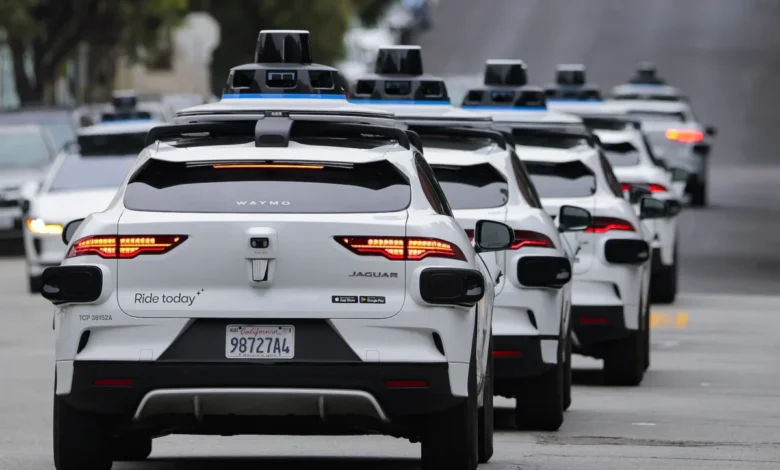
Waymo, the autonomous vehicle subsidiary of Alphabet Inc., announced today that its robotaxi service in San Francisco has resumed normal operations following a temporary pause necessitated by a significant power outage that affected approximately 7,000 Pacific Gas and Electric (PG&E) customers across the city. The disruption, which occurred on the afternoon of July 18, 2026, prompted Waymo to make "temporary adjustments" to its operations to assess the local conditions and ensure the safety and reliability of its fleet.
The incident highlights the ongoing challenges and complexities associated with deploying autonomous vehicle technology in dynamic urban environments, particularly when faced with unforeseen infrastructure failures. While Waymo has since confirmed the resumption of its service, the brief suspension has reignited discussions around the preparedness and regulatory oversight of self-driving car operations during major city-wide disruptions.
Timeline of the Incident and Response
The power outage, which reportedly began around midday on July 18, 2026, rapidly impacted various neighborhoods within San Francisco. Initial reports of Waymo’s service disruption emerged shortly thereafter, with social media platforms becoming a conduit for real-time updates from affected users and observers. A screenshot posted online by user Ethan McKanna depicted a notification from Waymo to San Francisco customers stating that service had been "temporarily paused" and that "freeway routes are unavailable."
This early communication indicated a proactive, albeit temporary, measure by Waymo to manage its fleet and passenger safety during the unfolding power grid issue. The company’s statement to TechCrunch at the time of initial reporting confirmed the adjustments: "We are making temporary adjustments to our service while we monitor local conditions. We know riders depend on us, and we will return to normal operations as soon as possible."
Further clarification was provided by a Waymo spokesperson in an update to the article, revealing that the company "decided to pause service for approx. one hour to assess the scale of the power outage affecting a large portion of San Francisco and coordinate with local officials." This indicates a deliberate, albeit brief, shutdown period, allowing the company to gather information and potentially engage with city authorities before reinstating services. The timeframe of approximately one hour for the service pause suggests a swift evaluation and resolution process by Waymo’s operational teams.
Background: Power Outages and Autonomous Vehicle Operations
This is not the first instance where power disruptions have impacted Waymo’s operations in San Francisco. The city’s complex infrastructure, coupled with the growing presence of autonomous vehicles, creates a unique set of challenges. In December 2025, a blackout led to a more significant suspension of Waymo’s service, with several vehicles stalling on city streets. Another notable incident occurred on the Fourth of July, where a similar power issue, potentially exacerbated by crowds and events surrounding a Golden Gate Bridge fireworks display, reportedly caused traffic disruptions attributed in part to stalled autonomous vehicles.
These recurring events underscore a pattern of vulnerability for autonomous vehicle fleets when faced with widespread power failures. Unlike human drivers who can adapt to sudden blackouts by pulling over safely or seeking alternative routes, autonomous systems rely heavily on continuous power for their sensors, computing, and navigation systems. When that power is compromised, the vehicles’ ability to operate safely and predictably can be significantly hindered.
The specific cause of the July 18, 2026, power outage remains under investigation by PG&E. However, its impact on such a substantial portion of the city—approximately 7,000 customers—indicates a notable failure within the local grid. The convergence of a city-wide power failure and the operation of a fleet of driverless vehicles naturally raises questions about the resilience of both systems and their interdependencies.

Regulatory Scrutiny and Official Reactions
The recurring disruptions have intensified scrutiny from city officials, particularly San Francisco Mayor Daniel Lurie. Following previous incidents, Mayor Lurie has been a vocal proponent of stricter regulations governing autonomous vehicles. In July 2026, he called for "tougher state regulations" to "adequately address how autonomous vehicles operate during major incidents, planned or not." This sentiment is likely amplified by the latest incident, suggesting a continued push for legislative action to ensure greater accountability and safety measures for AVs, especially during emergencies.
The implications of these incidents extend beyond operational disruptions. They raise critical questions for policymakers regarding:
- Emergency preparedness: How should autonomous vehicle companies be integrated into city-wide emergency response plans? What protocols should be in place to ensure AVs do not impede emergency services or create additional hazards during crises?
- Infrastructure resilience: What measures can be implemented to ensure autonomous vehicle technology can function safely or gracefully fail during power outages and other critical infrastructure failures?
- Data transparency: How can regulators ensure that AV companies are transparent about the performance of their vehicles during incidents, and that data is shared to facilitate safety improvements?
- Public trust: Repeated disruptions, even if temporary, can erode public confidence in autonomous vehicle technology. Clear communication, robust safety records, and effective responses to incidents are crucial for building and maintaining trust.
Supporting Data and Industry Context
Waymo’s operations in San Francisco are part of a broader trend of increasing autonomous vehicle deployment globally. The company has been a pioneer in the space, with its robotaxi service operating commercially in multiple cities, including Phoenix and Los Angeles, in addition to San Francisco. As of mid-2026, Waymo has accumulated millions of autonomous miles, demonstrating a growing level of maturity in its technology.
However, San Francisco presents a particularly challenging operational environment due to its dense urban landscape, complex traffic patterns, unpredictable weather, and aging infrastructure. The city has also been a focal point for regulatory debates, with the California Public Utilities Commission (CPUC) granting permits to Waymo and its competitor Cruise (though Cruise has faced significant setbacks and operational restrictions in recent times) to expand their paid driverless services.
The power outage on July 18, 2026, while brief in its impact on Waymo’s service, serves as a stark reminder that even advanced technologies are not immune to the vulnerabilities of the physical world. The interconnectedness of urban systems—power grids, transportation networks, and communication infrastructure—means that a failure in one area can have cascading effects across others.
Analysis and Future Implications
The resumption of Waymo’s service signifies the company’s ability to quickly adapt and recover from the power outage. The fact that the pause lasted approximately one hour suggests that Waymo’s internal protocols for handling such events are efficient. However, the underlying issue of AV reliance on a stable power supply remains a significant consideration for the future of autonomous mobility.
For the industry, this incident underscores the need for:
- Enhanced fallback systems: Developing more robust onboard power solutions or fail-safe mechanisms that allow vehicles to navigate to a safe stopping point or remain operational for a longer duration during power interruptions.
- Improved communication protocols: Establishing clearer and more direct lines of communication between AV operators, city emergency services, and utility companies during critical events.
- Dynamic risk assessment: Continuously evaluating and updating risk assessments to account for a wider range of potential disruptions, including infrastructure failures and their impact on AV operations.
- Collaborative urban planning: Encouraging closer collaboration between AV developers, city planners, and infrastructure providers to ensure that future urban development and upgrades consider the needs and vulnerabilities of autonomous transportation.
As San Francisco, and cities worldwide, continue to embrace autonomous vehicle technology, the ability to navigate unforeseen challenges like power outages will be a critical determinant of their successful and safe integration. The events of July 18, 2026, while resolved for Waymo’s passengers, serve as an important data point in the ongoing evolution and regulation of self-driving vehicles, emphasizing the need for resilience, transparency, and robust public safety measures.