The Digital Archeology of Celebrity Scandals Lena Dunhams Famesick and the Resurgence of the Jack Antonoff and Lorde PowerPoint Conspiracy

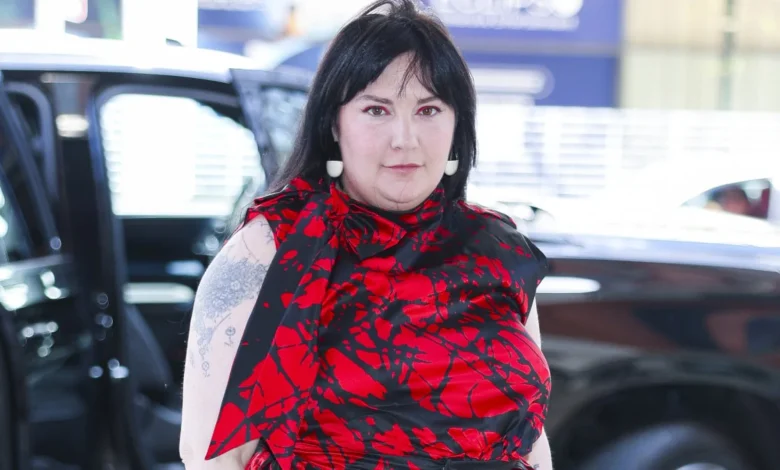
The contemporary cultural landscape currently operates within a paradox of rapid technological acceleration and profound aesthetic regression. While global industries grapple with the integration of generative artificial intelligence and aerospace agencies like NASA execute the Artemis II mission to return humans to lunar proximity, digital discourse remains tethered to the mid-2010s. This phenomenon, often described as "2010s nostalgia," has manifested in the revival of hipster aesthetics, the resurgence of specific media fandoms, and a renewed scrutiny of celebrity relationships that defined the previous decade. The most prominent example of this temporal loop is the sudden return to public consciousness of the relationship between actor-director Lena Dunham and musician-producer Jack Antonoff, fueled by the release of Dunham’s latest memoir, Famesick.
The narrative surrounding Dunham and Antonoff, who were a prominent "it-couple" between 2012 and 2017, has been revitalized not merely as a retrospective but as a central point of debate regarding the ethics of celebrity collaborations and the accuracy of internet-born conspiracy theories. The catalyst for this renewed interest is Dunham’s candid reflection on the emotional complexities of her partnership with Antonoff and his professional proximity to a "teen pop star," widely identified by the public as the New Zealand singer-songwriter Lorde.
A Chronology of the Relationship and the Rise of the PowerPoint
To understand the current discourse, one must analyze the timeline of the Dunham-Antonoff relationship within the context of the burgeoning "stan culture" of the 2010s. Lena Dunham, the creator of the HBO series Girls, and Jack Antonoff, then the guitarist for the band Fun. and frontman of Bleachers, began dating in 2012. For five years, they were fixtures of the New York creative scene, frequently appearing together at high-profile events and collaborating on various projects.
The relationship concluded in late 2017, a period that coincided with Antonoff’s rise as a premier producer for major pop artists, including Taylor Swift, Lana Del Rey, and Lorde. It was the release of Lorde’s critically acclaimed sophomore album, Melodrama, in 2017—produced largely by Antonoff—that sparked initial rumors of a romantic entanglement between the producer and his protégé.
In 2018, these rumors were codified into digital folklore by a Twitter user known as @buzzkillary, who authored a 29-slide PowerPoint presentation titled "Lorde and Jack Antonoff: A Thesis." The document utilized lyrical analysis, social media timestamps, and public appearances to argue that Antonoff and Lorde had engaged in an affair that led to the dissolution of his relationship with Dunham. While dismissed by some as a fringe conspiracy, the "PowerPoint" became a seminal text in the history of internet sleuthing, establishing a template for the deep-dive video essays and TikTok "theories" that dominate modern celebrity commentary.
New Revelations in Famesick and the "Aunt Lena" Anecdote
For years, the parties involved remained largely silent or offered vague denials regarding the "PowerPoint" allegations. However, the publication of Dunham’s memoir, Famesick, has provided the first substantive response to the era’s rumors from a primary source. In the book, Dunham details the fallout of her relationship with Antonoff with a level of specificity that has startled both critics and fans.
Dunham describes a period during which she was suffering from chronic illness and required the use of a walker. During this time, she alleges that a young pop star—referred to in the text with descriptors that align with Lorde’s public profile—became a constant presence in their shared domestic life. Dunham recounts instances of the artist being "ensconced" with Antonoff for hours and, perhaps most pointedly, notes that the star referred to her as "Aunt Lena."
One particular passage has been widely circulated on social platforms: Dunham describes finding the star weeping in Antonoff’s lap on their sectional couch. According to the memoir, Antonoff comforted the young woman by telling her that her "teens are for experimenting," using a tone of "expansive generosity" that Dunham claims had long been absent from their own romantic interactions.
Furthermore, Dunham admits in Famesick to her own transgressions, revealing that she cheated on Antonoff toward the end of their relationship as the emotional distance between them grew. This admission has reframed the narrative from a simple story of betrayal into a more nuanced study of a deteriorating partnership under the pressures of fame and illness.
The Producer-Muse Dynamic: Supporting Data and Context
The resurgence of this drama highlights a broader conversation regarding the professional and personal boundaries between male producers and young female artists. Jack Antonoff has become the most visible figure in this debate. Since 2014, Antonoff has produced or co-written hits for a significant portion of the "pop-girl" pantheon:
- Taylor Swift: 1989, Reputation, Lover, Folklore, Evermore, Midnights, and The Tortured Poets Department.
- Lana Del Rey: Norman Fucking Rockwell!, Chemtrails over the Country Club, and Did You Know That There’s a Tunnel Under Ocean Blvd.
- Lorde: Melodrama and Solar Power.
- St. Vincent: Masseduction and Daddy’s Home.
Critics of the "Antonoff Sound" often point to the intense emotional intimacy required for such collaborations as a breeding ground for parasocial confusion among fans. In the case of Lorde, who was 17 when she met Antonoff and 20 during the production of Melodrama, the age gap—Antonoff is 12 years her senior—has become a focal point for retrospective analysis.
However, factual counter-narratives exist. During the peak of the rumors in 2015 and 2016, Lorde was frequently linked to Justin Warren, a Universal Music promotions director 17 years her senior. Many music historians and fans argue that Warren, rather than Antonoff, was the primary muse for the heartbreak themes explored in Melodrama.
Digital Reactions and the "I Told You So" Moment
The response to Dunham’s memoir has been divided across generational and platform-specific lines. On TikTok, the "PowerPoint truthers" have claimed a moral victory, viewing Dunham’s descriptions of emotional intimacy as confirmation of the 2018 conspiracy. The platform’s algorithm has pushed the "Aunt Lena" anecdote to millions of users, many of whom were too young to witness the original drama in real-time but are now engaging with it as a form of "digital archeology."
On platforms like X (formerly Twitter) and Tumblr, the reaction has been more cynical. While some express sympathy for Dunham’s experience with chronic illness and emotional isolation, others have revived the vitriolic criticism that has followed her career since the debut of Girls. The discourse has also touched upon Taylor Swift’s role as a mutual friend to all parties involved, with some theorists suggesting that Swift’s lyrics in songs like "You’re Losing Me" or "Fortnight" may contain coded references to the Antonoff-Dunham-Lorde triangle.
In a surprising turn, Dunham herself addressed the "PowerPoint" during her press cycle for Famesick. In an interview with the New York Times, she admitted to having seen the presentation years ago, stating it was "so convincing they had me rethinking events that I myself had been present for." She even confessed to contacting the creator of the presentation during a period of personal distress, highlighting the strange feedback loop between celebrities and the online communities that dissect their lives.
Fact-Based Analysis of Implications
The revival of the Dunham-Antonoff-Lorde saga serves as a case study for several emerging trends in media and culture:
- The Persistence of the Digital Record: In the age of social media, celebrity scandals no longer "fade away." They are archived, waiting to be "reheated" by a new book, album, or viral trend. The "PowerPoint" survived because it was a structured piece of media that could be easily redistributed.
- The Evolution of the Memoir: Dunham’s Famesick represents a shift in celebrity autobiography toward "radical honesty" that includes acknowledging internet rumors. By addressing the conspiracy directly, Dunham has reclaimed a measure of narrative control, even if the revelations invite further scrutiny.
- Nostalgia as a Coping Mechanism: The obsession with "2016" and the mid-2010s suggests a collective desire to return to a pre-pandemic, pre-generative AI era of the internet—a time when celebrity drama felt more tangible and less influenced by bot farms or algorithmic manipulation.
- The Ethics of Collaboration: The discourse reinforces the need for a critical look at power dynamics in the music industry. While no evidence of illegal conduct exists, the emotional toll described by Dunham suggests that the "expansive generosity" of a producer toward a muse can have profound collateral effects on personal lives.
Ultimately, the outcome of this discourse remains inconclusive. There has been no mass "cancellation" of Lorde or Antonoff, nor has Dunham been fully vindicated in the eyes of her detractors. Instead, the public is left with a complex web of conflicting accounts—a memoir that admits to infidelity while alleging emotional betrayal, a producer who remains the industry’s most sought-after collaborator, and a pop star who has moved on to new creative eras. As 2026 continues to mirror the cultural fixations of 2016, it is clear that the "chronically online" are not just living in the past; they are actively rewriting it.