Panasonic Toughbook 34 Review: A New Standard for Extreme Environments and Field Operations

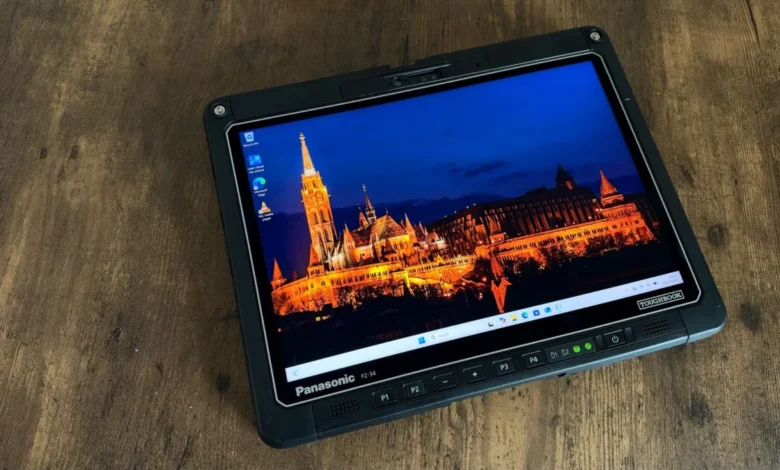
The Panasonic Toughbook 34 represents a significant evolution in the niche but critical market of ultra-rugged computing. Designed specifically for industries where failure is not an option—such as emergency services, defense, oil and gas, and field engineering—this latest iteration, the MK1, blends traditional durability with the cutting-edge requirements of modern enterprise computing, specifically the integration of on-device artificial intelligence. While many enterprise devices prioritize slim profiles and aesthetic elegance, the Toughbook 34 stands as a testament to industrial functionality, ensuring that high-performance hardware remains operational in environments that would destroy standard commercial-grade laptops within minutes.
The Evolution of Ruggedized Hardware
The lineage of the Panasonic Toughbook series dates back to the mid-1990s, when the company first identified that standard laptops were ill-equipped for the rigors of mobile workforces. Over the last three decades, the brand has become synonymous with survival. The introduction of the MK1 model marks a departure from legacy hardware constraints, incorporating the Intel Core Ultra Series 3 vPro chipset. This transition is not merely a performance upgrade; it is a strategic response to the shifting needs of field operations, where technicians and emergency responders increasingly rely on data-heavy applications and, more recently, localized AI to expedite decision-making in the field.
The device arrives at a time when digital transformation is reaching the most remote corners of the globe. As organizations transition from paper-based logs to cloud-synced digital twins and real-time diagnostic software, the hardware required to host these tools must be as resilient as the personnel operating them. The Toughbook 34 is built to meet MIL-STD 810H standards, a rigorous set of benchmarks developed by the United States Department of Defense. This certification guarantees that the device can withstand significant drops, vibrations, humidity, and, crucially, extreme temperature fluctuations ranging from -29 degrees Celsius to 60 degrees Celsius.
Design and Field-Ready Ergonomics
The chassis of the Toughbook 34 is a study in tactical utility. It is visually distinctive, characterized by its reinforced, impact-resistant housing, port covers that seal against ingress, and a series of mechanical latches. The design philosophy acknowledges that in high-stress scenarios—such as a search-and-rescue mission or a remote infrastructure repair—the user may be wearing gloves or operating in low-light conditions.
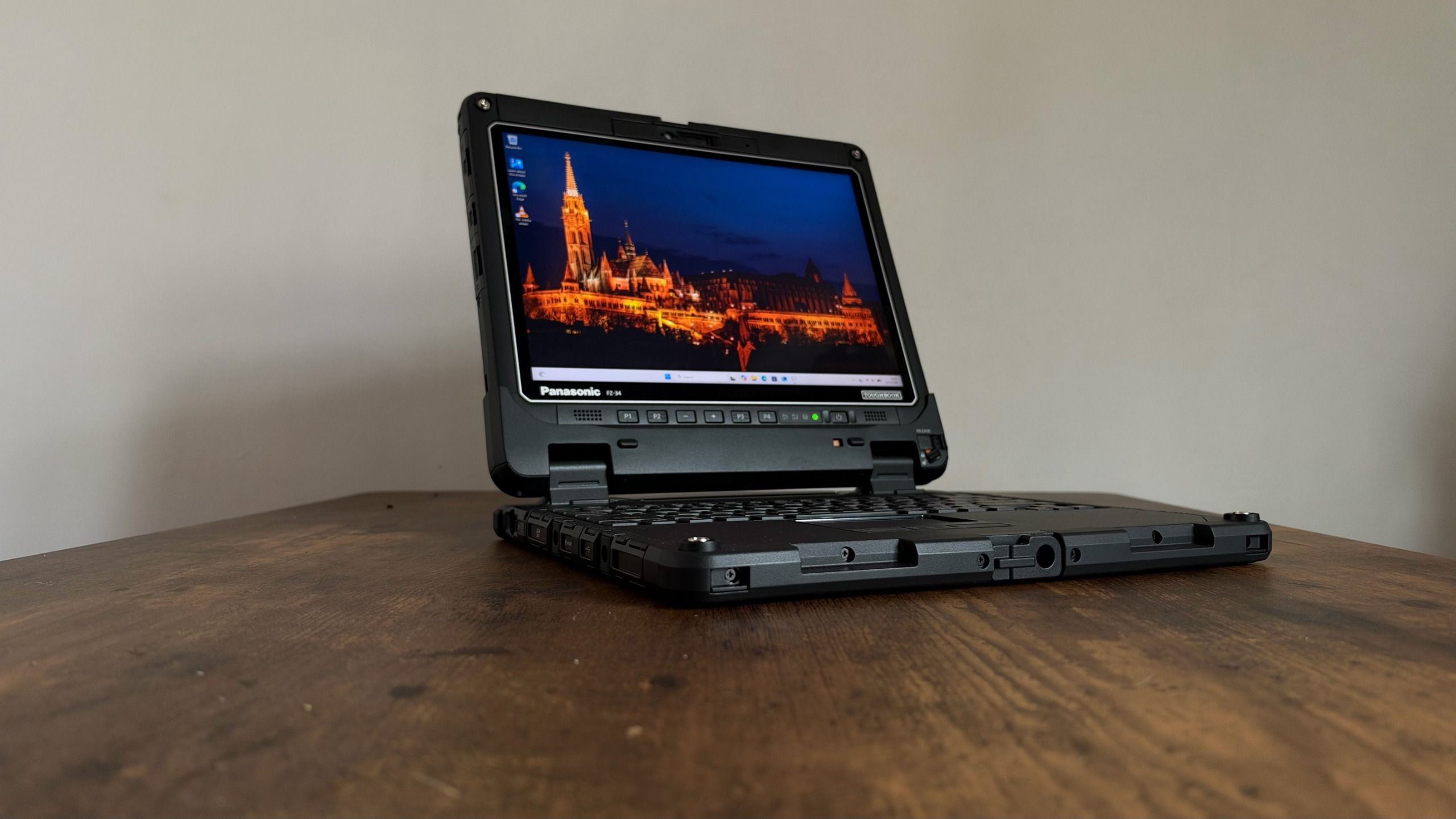
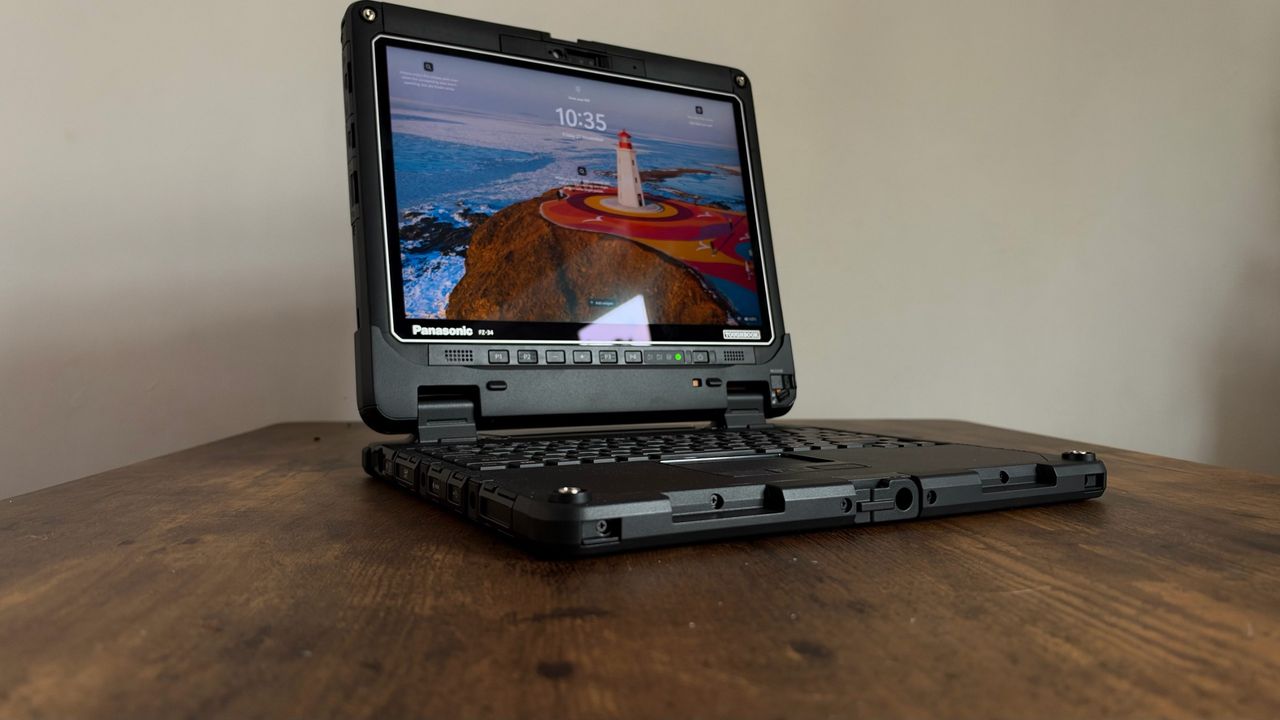
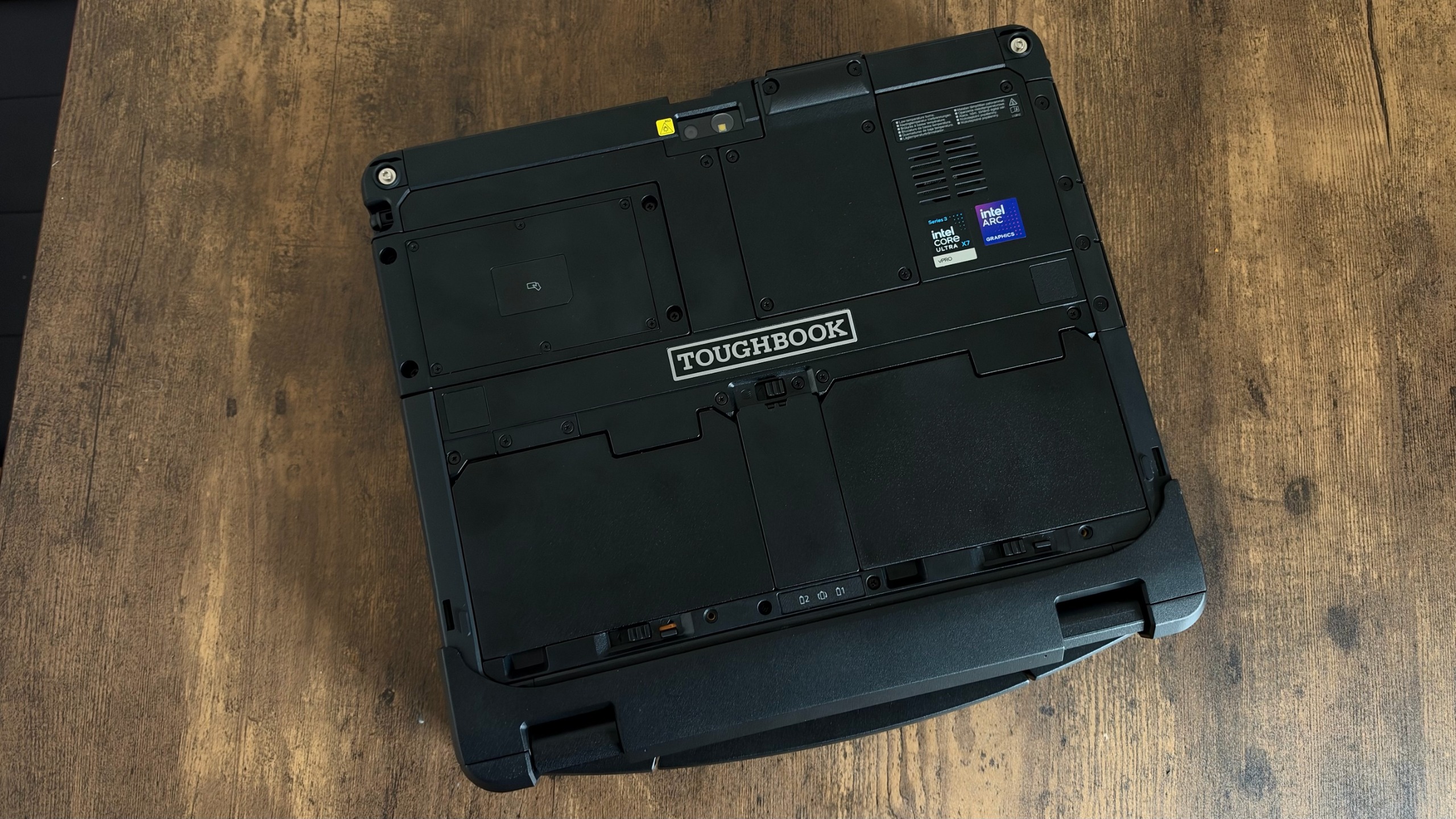
One of the defining features of this model is its modularity. The screen is detachable, transforming the unit from a laptop into a high-performance, ruggedized tablet. This capability allows the device to function in cramped quarters, such as the cockpit of a vehicle or a confined utility space, where a full-sized clamshell device would be cumbersome. The integration of a retractable carrying handle underscores the focus on mobility, allowing the device to be treated as a portable toolkit rather than a fragile piece of office equipment.
The internal layout is equally practical. Despite the ruggedized exterior, the device maintains a manageable weight of 1.36kg, a notable feat for a machine that prioritizes structural integrity over portability. The keyboard is designed for tactile feedback, with keys that are spaced to prevent accidental inputs, even when the user is operating in sub-zero environments.
Display Performance and Interface
For field operatives, the display is the primary window into critical diagnostic data. Panasonic has equipped the Toughbook 34 with a panel that achieves a peak brightness of 975.95 cd/m2. This is essential for outdoor visibility, where glare from direct sunlight typically renders standard displays unreadable. By matching the brightness levels of premium, office-centric ultrabooks, Panasonic ensures that information remains legible in bright daylight.
Furthermore, the color accuracy, measured at 99.2% coverage of the standard color gamut, provides a level of fidelity rarely seen in rugged devices. While color grading is not the primary function of such a device, the high-quality panel ensures that maps, technical schematics, and video feeds are rendered with high precision. The touch interface is highly responsive, supporting ten-finger capacitive input and digitized stylus support, which is critical for engineers needing to annotate technical documents on-site.
However, the trackpad remains a point of compromise. Given the space constraints of a rugged chassis and the priority given to the touchscreen and physical ports, the trackpad is relatively small. Users may find it less fluid than those on consumer laptops, though this is effectively mitigated by the versatility of the touch interface and the physical stylus included with the unit.
Computational Power and AI Integration
The inclusion of the Intel Core Ultra Series 3 vPro chipset is the most notable internal advancement. This processor provides the necessary overhead for on-device AI—a crucial development for field teams that may operate without a reliable internet connection. By processing data locally, the Toughbook 34 allows for real-time analysis, such as predictive maintenance, voice-to-text transcription for incident reporting, or the processing of complex geospatial datasets, without the latency associated with cloud-based AI.
In benchmarking tests, the device recorded a single-core score of 2360 and a multi-core score of 8260 in Geekbench 7. While these figures do not compete with top-tier creative workstations, they are exceptionally high for a device designed for stability and longevity. The system supports up to 64GB of DDR5 RAM, ensuring that multitasking remains smooth even when running resource-intensive field applications.
Power Management and Connectivity
One of the most persistent challenges in field computing is power endurance. The Toughbook 34 addresses this with a dual-battery system, theoretically offering 18 hours of operation. In practical, looped video testing, the device managed an impressive 20 hours and 35 minutes, suggesting that in real-world, intermittent use scenarios, the device could easily last through multiple shifts without requiring a charge.
Connectivity options are extensive, reflecting the diverse needs of its user base. The machine includes two Thunderbolt 4 ports, a Gigabit LAN port, and an array of legacy and modern connectors including HDMI, USB 3.2, and a 2D barcode reader. The inclusion of Wi-Fi 7 and optional 4G/5G mobile data ensures that the device can stay connected in even the most remote locations. The absence of a dedicated headphone jack is a minor inconvenience, though in industrial settings, users are increasingly moving toward Bluetooth-enabled communication gear.
Strategic Implications for IT Departments
The decision to invest in a device like the Toughbook 34 is often a top-down strategic choice rather than an individual preference. For IT decision-makers, the Total Cost of Ownership (TCO) of a rugged laptop is significantly lower than that of a standard consumer laptop over a five-year period. Consumer devices, when deployed in the field, are prone to chassis failure, screen cracks, and water damage, leading to high repair costs and downtime.
The Toughbook 34 minimizes this risk. Furthermore, the standardization of hardware across a fleet of devices simplifies support and maintenance. With the added capability of on-device AI, organizations can begin to deploy sophisticated software tools that were previously tethered to desktop environments, effectively turning every field operative into a mobile data center.
Conclusion: A Purpose-Built Tool
The Panasonic Toughbook 34 is not a device for the average office worker. It is a specialized tool that excels in its intended purpose. While the trackpad is lackluster and the aesthetic is strictly utilitarian, these are secondary to the device’s primary goal: performance in adversity.
By combining the raw power of the Intel Core Ultra vPro series with a chassis that is virtually impervious to the elements, Panasonic has created a machine that bridges the gap between traditional computing and the requirements of the modern, connected field worker. For organizations operating in the most demanding environments on earth, the Toughbook 34 is not just a laptop; it is a critical piece of infrastructure that ensures connectivity, efficiency, and data-driven intelligence are available wherever the job takes them.
Specifications Summary
- CPU: Intel Core Ultra Series 3 vPro
- Memory: 16GB to 64GB DDR5 RAM
- Storage: 512GB to 2TB Quick Release OPAL NVMe SSD
- Display: 12.4-inch Adaptive Dual Touch (10-finger capacitive/digitizer)
- Ports: 2x Thunderbolt 4, USB 3.2, USB 2.0, Gigabit LAN, HDMI, Smart Card Reader, NFC, Fingerprint Reader, Native Serial, 2D Barcode Reader
- Connectivity: Intel Wi-Fi 7, Bluetooth 5.4, 4G/5G option
- OS: Windows 11 Pro / Red Hat Enterprise Linux 10 certified
- Dimensions: 313.0 x 288.4 x 46.1mm
- Weight: 1.36kg
Related posts: