


What is distributed enterprises and why does cybersecurity matter? This exploration delves into the intricate world of geographically dispersed and virtually connected organizations, highlighting the critical role cybersecurity plays in their success. We’ll examine the unique security challenges presented by these structures, comparing them to traditional centralized models. From defining the various types of distributed enterprises to implementing robust security strategies, this comprehensive guide equips you with the knowledge to navigate the complex landscape of distributed enterprise security.
Understanding the intricacies of distributed enterprises is crucial in today’s interconnected world. This approach, which often involves employees working remotely or in multiple locations, brings a unique set of security considerations. We’ll analyze the vulnerabilities and risks inherent in these models, looking at everything from remote access security to cloud-based resource protection. Furthermore, the article will explore the emerging technologies shaping the future of distributed enterprise security, including AI, machine learning, and zero-trust architectures.
Defining Distributed Enterprises
The modern business landscape is increasingly characterized by dispersed teams, global operations, and interconnected technologies. This shift has given rise to the distributed enterprise, a flexible and adaptable organizational structure that transcends geographical limitations. Understanding its intricacies is crucial for navigating the complexities of today’s interconnected world.Distributed enterprises are no longer a niche concept but a fundamental model for many businesses.
They offer unique advantages in terms of talent acquisition, cost optimization, and market reach. Crucially, embracing cybersecurity measures becomes paramount as these organizations rely heavily on networked systems and remote access points.
Defining Distributed Enterprise Structures
Distributed enterprises encompass a wide range of organizational structures, each with its own set of characteristics and benefits. They move beyond the traditional centralized model, embracing flexibility and agility. Key features include geographically dispersed teams, virtual collaboration tools, and a reliance on robust communication networks.
Distributed enterprises rely heavily on interconnected networks, making cybersecurity paramount. Keeping systems secure is crucial for smooth operation. For example, staying up-to-date on mobile operating system updates, like the Motorola Edge Plus’s Android 11 and 12 updates here , is vital for protecting sensitive data. Robust security protocols across all devices and platforms are essential for safeguarding company data and maintaining trust with clients in a distributed environment.
Types of Distributed Enterprise Structures
- Geographically Dispersed: This structure involves teams and employees located across different cities, states, or even countries. The success of such organizations hinges on effective communication, project management, and consistent workflows across diverse time zones. Companies like Amazon and Netflix, with their global operations, exemplify this model.
- Virtually Connected: In this model, employees collaborate remotely using digital platforms and tools. Project management software, video conferencing, and instant messaging facilitate seamless communication and teamwork. This structure allows companies to assemble diverse talent pools irrespective of location. Many freelance platforms and digital agencies utilize this model.
- Hybrid Models: A growing number of organizations adopt a hybrid approach, combining elements of both geographically dispersed and virtually connected structures. This allows companies to leverage the benefits of remote work while maintaining a physical presence for certain tasks or functions. This flexibility caters to diverse employee preferences and business needs.
Centralized vs. Distributed Enterprise Models
| Feature | Centralized Enterprise | Distributed Enterprise |
|---|---|---|
| Decision-Making | Decisions are typically made at a central location, often by a top-down hierarchy. This can lead to slower response times to market changes. | Decisions are often decentralized, allowing for quicker responses to market trends and local conditions. This can be facilitated through distributed leadership and empowered teams. |
| Communication | Communication channels are often formal and hierarchical. Information flow can be slow and potentially restricted. | Communication is facilitated through various digital channels, enabling faster and more flexible information sharing. Collaboration tools are critical to maintain connectivity. |
| Resource Management | Resources are typically concentrated at a central location. This can lead to inefficiencies in resource allocation. | Resources are often managed in a more distributed fashion, enabling greater agility in resource allocation based on project needs. |
Cybersecurity Challenges in Distributed Enterprises: What Is Distributed Enterprises And Why Does Cybersecurity Matter

The rise of distributed enterprises, characterized by geographically dispersed teams and remote workforces, presents unique cybersecurity challenges. Traditional security models often struggle to adapt to this dynamic environment, creating vulnerabilities that can be exploited by sophisticated attackers. Protecting sensitive data and maintaining operational continuity across diverse locations and devices requires a proactive and robust security strategy.Maintaining a secure perimeter is no longer sufficient in this new landscape.
Distributed enterprises must embrace a more comprehensive approach that considers the expanded attack surface, the complexities of managing diverse security tools and policies, and the potential for insider threats and supply chain vulnerabilities. This necessitates a shift in mindset, from a centralized approach to a distributed security strategy.
Unique Cybersecurity Risks in Distributed Environments
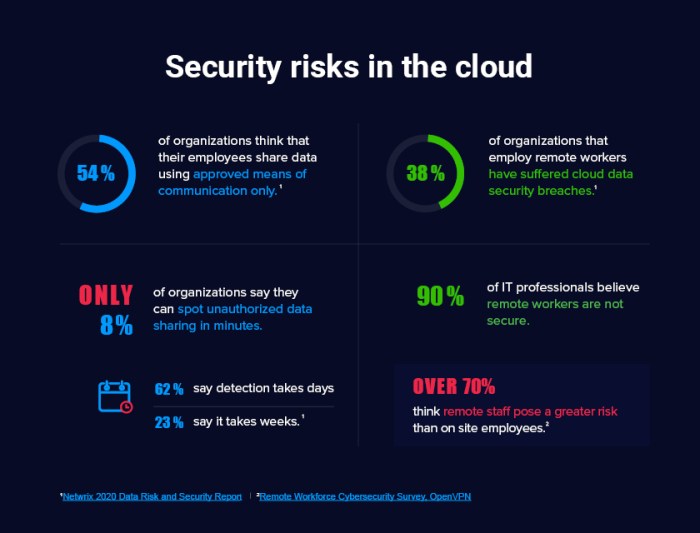
Distributed enterprises face a significantly expanded attack surface compared to centralized ones. Remote access points, cloud services, and various devices used by employees across different locations introduce new avenues for cyberattacks. This increased complexity necessitates a comprehensive security posture that goes beyond traditional perimeter defenses. Critically, the diverse range of devices, operating systems, and applications used by employees across locations makes enforcing consistent security policies extremely challenging.
Challenges in Maintaining Consistent Security Policies
Maintaining consistent security policies across diverse locations and devices presents a significant hurdle. Different regions may have varying regulatory requirements, and employees might use personal devices or applications that aren’t aligned with corporate security standards. Furthermore, ensuring that all employees receive consistent security training and adhere to established protocols across the dispersed workforce can be challenging. Implementing centralized security management tools and standardized security configurations across locations can be cumbersome and require significant investment.
Security teams must find creative ways to balance flexibility with security.
Centralized vs. Distributed Network Security Vulnerabilities
Centralized networks have a more contained attack surface, making security management more straightforward. However, they can be vulnerable to targeted attacks on the central infrastructure. In contrast, distributed networks are more complex, with numerous access points and potential vulnerabilities, but the impact of a breach can be more geographically dispersed. A successful attack in a distributed environment can potentially impact multiple locations, potentially causing wider damage.
Security measures in distributed enterprises need to be more proactive and adaptable to the dispersed nature of the network.
Classifying Cybersecurity Risks in Distributed Enterprises
A robust framework for classifying cybersecurity risks in distributed enterprises is crucial. This framework should categorize risks based on their likelihood and potential impact, taking into account the specific context of the enterprise.
- Supply Chain Attacks: Third-party vendors and suppliers with access to the enterprise’s network or data can introduce vulnerabilities. A breach at a supplier level can compromise the entire network. A good example is a recent case where a seemingly minor software update from a vendor introduced malware into the company network.
- Insider Threats: Malicious or negligent employees, either current or former, can pose a significant threat. Implementing robust access controls and monitoring employee activity are essential. Consideration must also be given to disgruntled employees who may have access to sensitive information and who may intentionally or unintentionally compromise security protocols.
- Remote Access Vulnerabilities: Remote access points are prime targets for attackers. Weak passwords, unpatched software, and inadequate security protocols on remote access solutions can lead to significant security breaches. Implementing multi-factor authentication and regularly updating remote access software are critical security measures.
Importance of Network Segmentation
Network segmentation is crucial in mitigating risks within distributed enterprise environments. By logically separating different parts of the network, the impact of a breach is contained. This limits the potential damage caused by an attack and isolates vulnerable areas. This method is particularly important in distributed enterprises, as it helps reduce the impact of a breach in one location on other parts of the network.
Cybersecurity Measures for Distributed Enterprises
Securing a distributed enterprise is a multifaceted challenge. Traditional perimeter-based security models are inadequate in this environment. Distributed enterprises, with their dispersed workforce and reliance on cloud services, demand a robust and adaptable security posture. This necessitates a proactive approach that goes beyond simple reactive measures. A layered security strategy encompassing people, processes, and technology is paramount.Effective cybersecurity in a distributed enterprise isn’t just about preventing attacks; it’s about establishing a culture of security awareness, implementing strong technical controls, and ensuring continuous monitoring and adaptation to emerging threats.
This requires a comprehensive understanding of the unique security risks and vulnerabilities inherent in a distributed network.
Remote Access Security
Robust remote access protocols are crucial for enabling employees to work effectively from anywhere. Virtual Private Networks (VPNs) play a pivotal role in securing remote connections. Strong encryption protocols, such as OpenVPN or WireGuard, are essential for protecting data transmitted over public networks. Multi-factor authentication (MFA) is a critical component of any remote access solution.
Distributed enterprises are all the rage these days, but with that comes a huge need for robust cybersecurity. Protecting sensitive data across multiple locations is crucial, and a company’s security posture needs to adapt to the ever-changing threat landscape. This is especially relevant with the possible arrival of the Poco F2 Pro in India next month here.
While smartphones are cool, the cybersecurity implications for companies handling sensitive data in distributed environments remain paramount. A strong security strategy is vital to prevent data breaches and maintain trust with customers and partners.
Data Transmission Security
Secure data transmission protocols, like Secure Sockets Layer (SSL) or Transport Layer Security (TLS), are vital for protecting sensitive information during transit. These protocols encrypt data to prevent unauthorized access and tampering. Data loss prevention (DLP) tools can identify and prevent sensitive data from leaving the enterprise network. Implementing encryption on data at rest is also a necessary step.
Authentication and Authorization
Strong authentication and authorization mechanisms are fundamental to controlling access to resources. Multi-factor authentication (MFA) adds a layer of security beyond simple passwords, making it harder for attackers to gain unauthorized access. Role-based access control (RBAC) allows administrators to precisely define what users can access, minimizing potential damage from compromised accounts. Regular audits of user accounts and permissions are essential for maintaining security.
Distributed enterprises are booming, but robust cybersecurity is crucial. Think about how much data is being shared and exchanged in these setups, especially with the recent surge in popularity of gaming consoles like the Sony PS5. The massive sales figures for the PlayStation 5, as detailed in this article sony ps5 playstation 5 sales , highlight the need for secure systems.
Protecting this data flow is paramount to maintaining a successful and safe distributed enterprise model.
Cloud Security Best Practices
Cloud-based resources are integral to modern distributed enterprises. Employing strong access controls, including MFA and RBAC, is crucial for managing access to cloud-based applications and data. Regular vulnerability assessments and penetration testing of cloud infrastructure are vital. Employing data encryption at rest and in transit ensures the confidentiality of sensitive information stored in the cloud.
Security Tools and Solutions
A robust security posture requires a diverse set of tools and solutions. Security information and event management (SIEM) systems collect and analyze security logs from various sources to detect anomalies and potential threats. Endpoint detection and response (EDR) solutions provide real-time monitoring and protection for individual devices. Intrusion detection and prevention systems (IDS/IPS) monitor network traffic for malicious activity and block attacks.
Firewalls protect the network perimeter, controlling incoming and outgoing traffic. Regular software updates and patches are critical to address known vulnerabilities. Antivirus and antimalware software are essential for protecting against malware infections.
Example of a Robust Security Protocol for Remote Access
A company could implement a VPN solution using WireGuard, a modern, high-performance VPN protocol. This protocol prioritizes speed and security while enabling remote access through a secure tunnel. By combining WireGuard with strong authentication methods like MFA, the company can significantly enhance the security of its remote access infrastructure.
Implementing Cybersecurity Strategies
Building a robust cybersecurity strategy is crucial for distributed enterprises, acknowledging the unique challenges posed by dispersed workforces and diverse technologies. A well-defined strategy not only protects sensitive data but also fosters a culture of security awareness among all employees. This proactive approach minimizes vulnerabilities and ensures business continuity in a constantly evolving threat landscape.A comprehensive cybersecurity strategy should be adaptable and scalable to accommodate future growth and technological advancements.
It must consider the specific needs of each department and location, recognizing that different teams might have varying levels of access to sensitive information. This tailored approach ensures that security measures are relevant and effective.
Creating a Comprehensive Cybersecurity Strategy
A well-structured cybersecurity strategy for a distributed enterprise requires a phased approach. Initial steps include conducting a thorough risk assessment to identify potential vulnerabilities. This includes analyzing the organization’s digital footprint, evaluating the types of data handled, and assessing the sophistication of potential threats. This analysis provides a baseline for prioritizing security controls and resource allocation. The strategy should also encompass clear policies and procedures for data handling, access controls, and incident response.
These policies should be easily accessible and understandable for all employees.
Implementing a Security Awareness Program
A strong security awareness program is essential for distributed enterprises. It equips employees with the knowledge and skills to identify and report potential threats. A structured program should encompass regular training sessions, covering topics such as phishing awareness, password security best practices, and safe internet browsing. Regular quizzes and simulated phishing attacks help reinforce learning and identify areas for improvement.
Training materials should be readily available in multiple languages to cater to a diverse workforce.
Effective Communication Strategies for Security Updates and Incidents
Effective communication is key during security updates and incidents. A dedicated communication channel should be established for security announcements, updates, and incident reports. This channel should be easily accessible and provide clear, concise information. Examples of effective communication strategies include regular newsletters, email alerts, and dedicated intranet pages. Different communication methods should be used to ensure broad reach and avoid relying on a single channel.
Important security updates should be delivered in a clear, concise manner, using simple language and avoiding jargon.
Developing Incident Response Plans for Distributed Environments
Developing incident response plans for a distributed enterprise is critical. These plans must be tailored to address specific vulnerabilities and potential threats. They should Artikel clear procedures for identifying, containing, and recovering from security incidents. The plan should detail roles and responsibilities for each team member, and the plan should be regularly reviewed and updated. The response plan should address the specific challenges of a distributed workforce, such as varying levels of access and geographical dispersion.
Roles and Responsibilities within a Distributed Enterprise’s Security Team
The security team in a distributed enterprise needs a clear division of labor. A well-defined structure ensures accountability and efficient response to security incidents.
| Role | Responsibilities |
|---|---|
| Security Officer | Oversees security policies, procedures, and training programs; coordinates incident response. |
| Security Analyst | Monitors security systems, identifies vulnerabilities, and develops security solutions. |
| Network Administrator | Manages and secures network infrastructure, including firewalls, routers, and switches. |
| System Administrator | Maintains and secures servers and operating systems. |
| Data Protection Officer | Ensures compliance with data protection regulations and policies. |
The Role of Technology in Distributed Enterprise Security
Distributed enterprises face unique cybersecurity challenges due to their dispersed nature and reliance on various interconnected systems. This necessitates a robust technological approach to security, encompassing advanced tools and strategies to mitigate risks and maintain operational integrity. Leveraging emerging technologies is crucial to proactively addressing these challenges and ensuring data protection and business continuity.
Emerging Technologies Enhancing Distributed Security
Distributed environments demand innovative security solutions. Emerging technologies such as blockchain, AI/ML, and zero-trust architectures provide powerful tools for bolstering security posture. These technologies offer enhanced visibility, improved threat detection, and more effective incident response capabilities, ultimately minimizing the impact of cyberattacks.
AI and Machine Learning in Threat Detection and Prevention, What is distributed enterprises and why does cybersecurity matter
AI and machine learning are revolutionizing cybersecurity. Sophisticated algorithms can analyze vast amounts of data from diverse sources to identify patterns indicative of malicious activity. This proactive approach to threat detection allows for faster response times and improved accuracy in identifying and mitigating potential threats. For instance, AI-powered systems can detect anomalies in network traffic, user behavior, and system logs, alerting security teams to suspicious activity before significant damage occurs.
Zero-Trust Security Architectures in Distributed Environments
Zero-trust security architectures are critical for safeguarding distributed environments. This approach assumes no implicit trust, validating every user, device, and application attempting access to resources. By verifying identities and enforcing granular access controls, zero trust minimizes the impact of a security breach. This approach is particularly relevant in a distributed setting where users and devices may access resources from various locations.
Zero-trust architecture enforces micro-segmentation, restricting access to specific resources based on the context of the request, thus limiting the potential damage of an attack.
Secure Software Development Practices
Secure software development practices are fundamental to preventing vulnerabilities in distributed systems. Implementing these practices throughout the entire software development lifecycle is crucial. This includes incorporating security considerations into every stage of development, from design and coding to testing and deployment. By proactively integrating security measures, enterprises can significantly reduce the risk of vulnerabilities being exploited by attackers.
Using secure coding standards, performing regular security audits, and incorporating security testing into the software development lifecycle are essential steps.
Impact of Cloud Security on Distributed Enterprises
Cloud security plays a vital role in securing distributed enterprises. Cloud environments provide scalability and flexibility, but also introduce new security challenges. Ensuring data protection, access control, and compliance within cloud deployments is paramount. A robust cloud security strategy should include implementing strong authentication mechanisms, enforcing data encryption, and adhering to industry best practices. Cloud security also requires a comprehensive understanding of cloud infrastructure and how it intersects with other security measures within the distributed environment.
Organizations must prioritize security in their cloud deployments to safeguard their data and systems.
Case Studies of Successful Distributed Enterprise Security
Learning from the successes of others is crucial in the ever-evolving landscape of cybersecurity. Understanding how distributed enterprises have proactively addressed security challenges and maintained business continuity provides valuable insights. This section delves into practical examples, highlighting strategies and lessons learned.
Examples of Successful Distributed Enterprise Security Implementations
Distributed enterprises, by their very nature, face unique cybersecurity challenges. These organizations often span multiple geographical locations, employing diverse technologies, and involving a large, geographically dispersed workforce. Successful implementation of cybersecurity strategies requires a holistic approach, encompassing people, processes, and technology. Successful cases often involve a commitment to ongoing vigilance and adaptability.
- Netflix: Netflix, a global streaming giant, operates a complex distributed network. Their robust cybersecurity strategy centers on a multi-layered approach. This includes sophisticated intrusion detection systems, rigorous access controls, and a culture of security awareness training for employees. Their decentralized structure necessitates a decentralized security model. This ensures that each location has the tools and knowledge to protect its portion of the network.
This strategy is crucial for maintaining a secure and reliable streaming service, crucial for user experience and business continuity.
- Salesforce: Salesforce, a cloud-based software company, boasts a massive global user base and a sophisticated distributed infrastructure. A key aspect of their security posture involves continuous monitoring of security threats and rapid response mechanisms. Their proactive approach to security vulnerability patching is a critical component of their success. This ensures that their global network and user data are protected from ever-evolving cyber threats.
- Shopify: Shopify, a global e-commerce platform, protects its extensive network of merchants through a combination of security technologies. This includes regular security audits and proactive measures against potential vulnerabilities. Their commitment to protecting merchant data and preventing fraudulent activities has fostered trust and confidence among their clients.
Security Challenges Faced by Distributed Enterprises
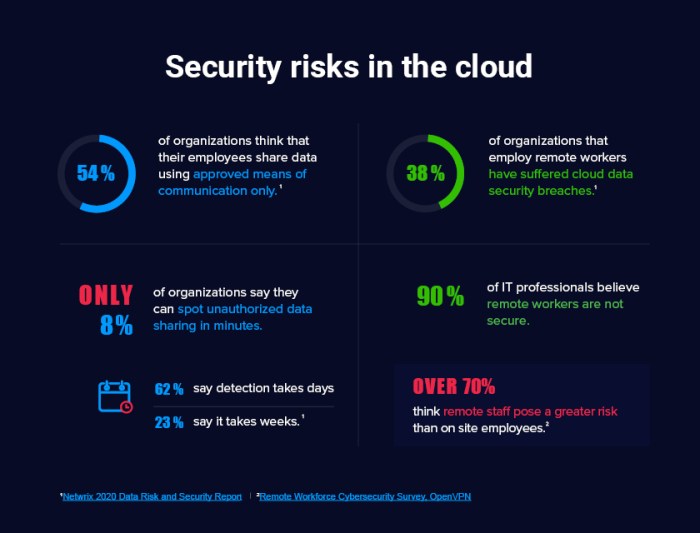
Distributed enterprises face a myriad of security challenges, stemming from their very nature. These include the increased attack surface resulting from multiple locations, the complexity of maintaining consistent security policies across diverse environments, and the difficulty in enforcing security protocols across remote workers.
- Maintaining Consistent Security Policies Across Diverse Environments: Maintaining a uniform security posture across numerous locations, each with potentially different infrastructure and configurations, can be challenging. This involves integrating security solutions and protocols seamlessly across all locations.
- Enforcement of Security Protocols for Remote Workers: Enforcing security policies and procedures for remote workers can be difficult. Remote workers often access corporate resources through various devices and networks, requiring stringent security protocols and remote access management.
- Securing Sensitive Data in Distributed Environments: Protecting sensitive data in a distributed environment necessitates robust encryption and access controls. Data loss prevention (DLP) systems play a crucial role in preventing unauthorized access and exfiltration.
Overcoming Challenges to Ensure Business Continuity
Successful distributed enterprises recognize the criticality of business continuity and proactively address security challenges.
| Enterprise | Security Approach | Key Strategies |
|---|---|---|
| Netflix | Multi-layered security | Intrusion detection systems, access controls, security awareness training, decentralized security model |
| Salesforce | Proactive security | Continuous threat monitoring, rapid response, proactive vulnerability patching |
| Shopify | Comprehensive security measures | Regular security audits, proactive vulnerability mitigation, robust data protection |
Final Thoughts
In conclusion, what is distributed enterprises and why does cybersecurity matter? This discussion underscores the vital importance of robust cybersecurity measures for distributed organizations. Successfully navigating the unique challenges requires a proactive and comprehensive approach, encompassing everything from well-defined security policies to sophisticated technological solutions. By addressing the diverse risks and implementing the strategies Artikeld, distributed enterprises can ensure the confidentiality, integrity, and availability of their data and systems, fostering trust and enabling business continuity in today’s dynamic landscape.