
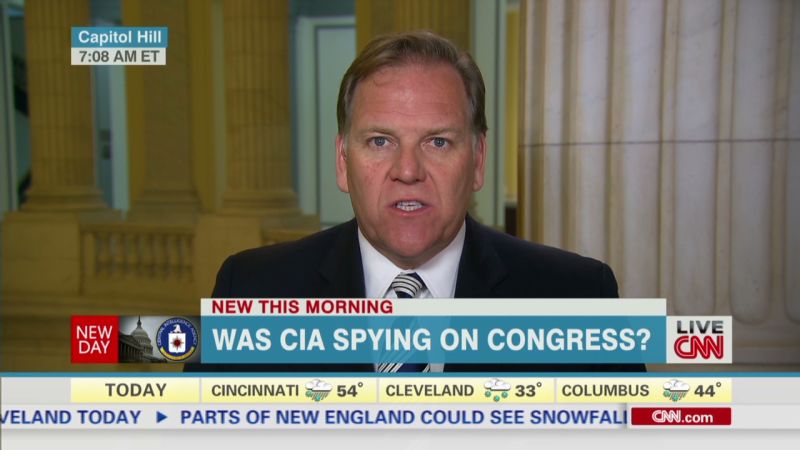
CIA cleared illegally searching senate computers. This shocking revelation raises profound questions about the balance between national security and civil liberties. How did this breach of protocol occur, and what are the potential ramifications for the Senate’s integrity and the democratic process? The investigation into this sensitive matter promises to be a long and complex one, touching upon decades of surveillance practices and the ever-evolving legal landscape surrounding electronic data access.
The CIA’s alleged unauthorized access to Senate computers necessitates a thorough examination of the historical context of surveillance in the US. We will explore the evolution of legal frameworks surrounding electronic surveillance, tracing their development from the Cold War to the present day. This investigation delves into potential legal violations, the possible punishments, and the impact on the delicate balance of power within the government.
Historical Context of Surveillance: Cia Cleared Illegally Searching Senate Computers
Government surveillance in the United States has a long and complex history, evolving alongside technological advancements and societal anxieties. From the early days of wiretapping to modern-day digital monitoring, the balance between national security and individual privacy has been a constant source of debate and legal challenges. This exploration delves into the historical context, tracing the development of surveillance practices and the legal frameworks designed to regulate them.The pursuit of national security has often been a justification for expanding surveillance powers.
However, the potential for abuse and the erosion of civil liberties have been recurring concerns. Understanding this historical interplay is crucial to contextualizing the current debate surrounding controversial surveillance activities.
The CIA’s alleged illegal search of Senate computers is a serious breach of trust. Protecting your own sensitive data, like passwords and saved information, is crucial. A strong way to do that is by using a custom passphrase to securely sync your Chrome passwords and data, like the methods outlined in this helpful guide: how use custom passphrase securely sync your chrome passwords and data.
This kind of proactive security measure can help prevent similar breaches in the future, and should be a lesson to all of us in the face of such serious government overreach.
Evolution of Surveillance Practices
The earliest forms of surveillance in the United States focused on physical observation and communication interception. Early 20th-century wiretapping, for example, was initially a matter of local law enforcement and was often used to gather evidence in criminal investigations. The development of radio technology in the 1920s and 1930s further expanded the potential for surveillance.
Development of Legal Frameworks
The legal landscape surrounding surveillance has undergone significant transformation. The landmark 1967 Omnibus Crime Control and Safe Streets Act introduced regulations on wiretapping and electronic surveillance. This act established specific procedures and requirements for obtaining warrants and limitations on the use of intercepted communications. Subsequent legislation, such as the Foreign Intelligence Surveillance Act (FISA) of 1978, created a separate legal framework for intelligence gathering, often prioritizing national security concerns over individual privacy.
Relationship Between Past Controversies and Current Issue
Historical controversies surrounding government surveillance highlight the enduring tension between national security and individual rights. Past instances of abuse or perceived overreach, such as the use of surveillance technologies during the Cold War or the controversial domestic surveillance programs after 9/11, have influenced public perception and shaped the debate on current issues. The current controversy regarding the alleged illegal search of Senate computers echoes these historical anxieties.
Comparison of Historical Surveillance Events and Legal Outcomes
| Event | Description | Legal Outcome |
|---|---|---|
| The 1967 Omnibus Crime Control and Safe Streets Act | Established legal framework for wiretapping and electronic surveillance. | Established guidelines and procedures for surveillance. Led to ongoing debate about the balance between law enforcement needs and individual privacy. |
| The 1978 Foreign Intelligence Surveillance Act (FISA) | Created a separate legal framework for intelligence gathering, focusing on national security. | Established a process for obtaining court authorization for surveillance of foreign intelligence targets. Led to numerous legal challenges and debates about its constitutionality and potential for abuse. |
| The Cold War surveillance activities | Extensive surveillance programs targeting suspected communists and dissidents. | Generated public controversy and concern over potential government overreach and abuse of power. |
| Post-9/11 domestic surveillance programs | Increased surveillance activities aimed at combating terrorism. | Generated significant public debate and legal challenges regarding the extent of government power and the protection of civil liberties. Led to legislative reforms and court decisions addressing the scope of surveillance activities. |
Legal Ramifications of Illegally Accessing Senate Computers
The unauthorized access to Senate computers, if proven, carries severe legal consequences. This breach of trust has far-reaching implications for the integrity of the legislative process and the rule of law. The actions taken, or not taken, by those involved will be scrutinized meticulously.The potential violations of law and procedure in such a scenario are significant, impacting various legal domains.
This includes not only criminal charges but also the potential for substantial civil liability. Understanding the specific legal pathways and penalties is crucial for assessing the gravity of the situation.
Potential Violations of Law and Procedure
The unauthorized access to Senate computers could violate multiple federal laws, particularly those related to computer crime. These laws often define unauthorized access, use, or modification of protected computer systems as criminal offenses. The specific charges would depend on the extent of the intrusion and the data accessed. Federal laws often distinguish between simple unauthorized access and more serious violations, such as data theft or disruption of government operations.
Relevant Legal Statutes and Constitutional Amendments
Several federal statutes govern unauthorized access to computers and data, including but not limited to the Computer Fraud and Abuse Act (CFAA). This act prohibits unauthorized access to protected computer systems. Constitutional amendments, such as the Fourth Amendment, which protects against unreasonable searches and seizures, also come into play, especially if the access is deemed a violation of privacy rights.
The specific constitutional amendments and their application will depend on the nature of the intrusion and the context of the Senate computers’ use.
Possible Punishments for Such Actions
Penalties for violating computer crime laws vary depending on the severity of the offense. The Computer Fraud and Abuse Act, for example, carries penalties that range from significant fines to lengthy prison sentences. These punishments can escalate depending on the nature of the accessed data, the extent of the damage caused, and the intent behind the unauthorized access.
Potential Civil Lawsuits
Beyond criminal charges, individuals or entities whose data or privacy was compromised could pursue civil lawsuits for damages. These lawsuits could seek compensation for financial losses, emotional distress, and reputational harm. The specific damages would depend on the circumstances and the extent of the harm caused. Potential plaintiffs might include individuals whose sensitive information was compromised or government agencies whose operations were disrupted.
Comparison and Contrast of Legal Precedents
Numerous legal precedents exist concerning unauthorized access to government computers and data. Some cases involve unauthorized access to military or intelligence agency systems, while others involve intrusions into federal agencies’ networks. Analyzing these precedents can offer valuable insights into the potential legal arguments and defenses that might be raised in a case involving unauthorized access to Senate computers.
A comprehensive review of similar cases would provide a comparative analysis, highlighting the similarities and differences in the specific legal contexts.
Impact on Democratic Processes
The unauthorized access to Senate computers represents a profound breach of trust, impacting the very foundations of democratic governance. This clandestine act undermines the integrity of the legislative process and potentially jeopardizes the Senate’s ability to function effectively. The separation of powers, a cornerstone of American democracy, is directly challenged when one branch of government surreptitiously interferes with another.This act of illegal surveillance erodes public confidence in government institutions.
Citizens rely on their elected officials to conduct their duties transparently and ethically. When such trust is violated, the legitimacy of the entire political system is questioned. The public’s perception of government becomes tarnished, making it harder for elected officials to build consensus and address critical issues.
Potential Damage to Public Trust in Government Institutions
The unauthorized access to Senate computers is a serious blow to public trust. Citizens expect their elected officials to operate with transparency and accountability. When this trust is violated, it can lead to widespread disillusionment and a decline in civic engagement. The public may become more cynical about the political process, leading to decreased voter turnout and increased distrust in all branches of government.
Historical examples of government misconduct, such as the Watergate scandal, demonstrate how such actions can severely damage public trust and require significant time to rebuild.
Impact on the Integrity of the Legislative Process
The integrity of the legislative process hinges on the confidentiality and security of communications and data. Unauthorized access to Senate computers jeopardizes the privacy of sensitive information, potentially compromising the deliberations and decisions made by senators. This compromises the legislative process by potentially influencing the outcome of votes, manipulating the agenda, or swaying public opinion through leaked information.
The ability to debate and consider legislation in a safe and secure environment is compromised.
Potential Consequences for the Senate’s Ability to Function Effectively
Such unauthorized surveillance can disrupt the Senate’s ability to function effectively. The diversion of resources to investigate the breach, the potential exposure of sensitive information, and the resulting distrust can create a climate of fear and suspicion within the institution. The time and effort dedicated to addressing the breach detract from the Senate’s ability to focus on its primary responsibilities, such as crafting legislation and overseeing the executive branch.
This can lead to gridlock and inefficiencies in the legislative process.
The CIA’s alleged illegal search of Senate computers is a serious breach of trust. Meanwhile, it’s interesting to see how the gaming world is moving forward, with the Witcher Monster Slayer soft launching on Android for the first time in New Zealand. This new release is certainly exciting, but it’s a stark contrast to the troubling issues surrounding the CIA’s actions.
Ultimately, the focus needs to stay on the serious implications of the illegal search of sensitive government information.
Importance of Maintaining the Separation of Powers in This Context
The separation of powers is fundamental to the American system of government. It ensures a balance of authority among the legislative, executive, and judicial branches. When one branch oversteps its authority and interferes with the workings of another, it undermines the delicate balance of power. This unauthorized access to Senate computers directly challenges this fundamental principle. The judiciary’s role in upholding the rule of law becomes crucial in such cases, ensuring that all branches operate within their constitutional boundaries.
Possible Impacts on Various Political Actors
| Political Actor | Potential Impacts |
|---|---|
| Senators | Erosion of privacy, potential for compromised votes and legislative initiatives, decreased trust in colleagues and institutions, increased scrutiny and potential investigations. |
| Senate Staff | Increased workload and stress, potential for disciplinary action, erosion of trust in security protocols. |
| Executive Branch | Potential for political leverage, damage to relationship with the Senate, loss of credibility. |
| Public | Decreased trust in government, increased cynicism about the political process, potential for political polarization. |
| Political Oppositions | Potential for exploitation of sensitive information, opportunity to damage reputation of the majority party. |
Potential Actors and Motivations

The unauthorized access to Senate computers, especially with CIA clearance implications, raises serious questions about the individuals and groups potentially involved. Understanding their motivations and potential consequences is crucial for assessing the damage to democratic processes and national security. The potential for foreign interference adds another layer of complexity to this investigation.
Possible Actors Involved
Several actors could be involved in such an incident. These range from disgruntled or rogue individuals within the government to foreign intelligence agencies attempting to gain political or strategic advantage. Internal dissent or personal vendettas could also motivate such actions, potentially driven by ideological or political disagreements.
- Government Employees: Current or former government employees with access to classified information, potentially harboring grievances or seeking to expose wrongdoing, could be involved. This could involve individuals holding sensitive security clearances, who might be disgruntled or seeking to leverage their position for personal gain or political purposes.
- Foreign Intelligence Agencies: State-sponsored actors, such as foreign intelligence agencies, could be motivated by a desire to disrupt political processes or gather sensitive information about policy decisions. This could involve sophisticated hacking techniques or exploiting vulnerabilities in security systems.
- Hacktivists or Cybercriminals: Groups or individuals motivated by ideological or political agendas might target Senate computers to disrupt operations or spread disinformation. These actors could be motivated by a desire to undermine trust in government institutions or advance a particular cause.
Possible Motivations Behind Such Actions
The motivations behind such actions can be diverse and interconnected. Political gain, espionage, disruption of democratic processes, or even personal vendettas could be the driving forces.
- Espionage: Foreign governments might seek to gather sensitive information on policy decisions or political strategies to gain an advantage in international relations. Such actions could involve targeting specific individuals or sensitive data within the Senate.
- Political Disruption: Groups or individuals might aim to damage the reputation of political figures or parties, or undermine the democratic process. This could involve leaking confidential information or spreading disinformation.
- Personal Vendetta: Disgruntled employees or individuals with personal grievances might seek to retaliate against the Senate or specific individuals. This could be driven by ideological disagreements or perceived injustices.
Possible Consequences for Involved Parties
The consequences for the actors involved can vary significantly, depending on the nature and scope of their actions.
- Government Employees: Individuals involved could face criminal charges, loss of employment, and severe penalties for violating national security protocols. This could include imprisonment, fines, and damage to reputation and career.
- Foreign Intelligence Agencies: Foreign governments involved in such activities could face international sanctions, diplomatic isolation, and reputational damage. The implications could include disruption of diplomatic relations and potential retaliation.
- Hacktivists/Cybercriminals: These actors could face legal repercussions, including criminal prosecution and significant financial penalties. This could involve imprisonment, fines, and reputational damage.
Potential for Foreign Interference
The possibility of foreign interference in such an incident cannot be discounted. Foreign governments might use various methods to infiltrate and manipulate political processes, including through covert operations and cyberattacks. Examples of past foreign interference events are evident in various countries’ political landscapes.
Table: Roles of Different Actors and Their Possible Motives, Cia cleared illegally searching senate computers
| Actor | Possible Role | Possible Motives |
|---|---|---|
| Government Employees | Insider Threat | Personal Gain, Political Agendas, Retaliation |
| Foreign Intelligence Agencies | Espionage | Gaining Strategic Advantage, Political Interference |
| Hacktivists/Cybercriminals | Disruption | Ideological Agendas, Political Protest |
Procedural Steps in Senate Investigations
Senate investigations into allegations of misconduct, particularly those involving unauthorized access to sensitive data, follow a rigorous and often complex process. These investigations are crucial for maintaining the integrity of the legislative process and upholding the public’s trust in the Senate. The procedures, while varying based on the specifics of the allegations, generally involve a series of steps designed to gather evidence, evaluate the claims, and ultimately determine the appropriate course of action.
Typical Procedures for Investigating Misconduct
The process typically begins with an initial report or complaint, which can come from various sources, including staff members, whistleblowers, or even the public. This initial report triggers a preliminary assessment by Senate leadership to determine the validity and seriousness of the allegations. If the allegations warrant further action, the matter is usually referred to a relevant Senate committee.
Roles of Different Committees
Different Senate committees possess specialized jurisdictions and expertise, enabling them to handle specific types of misconduct allegations. For instance, the Committee on Rules and Administration often plays a key role in investigating issues related to internal operations and compliance. The Intelligence Committee might be involved if national security concerns are implicated. The Judiciary Committee, in some cases, could be involved if the allegations pertain to potential violations of law.
The selection of the appropriate committee depends on the nature of the allegations.
Flowchart of Investigation Process
| Step | Description |
|---|---|
| Initial Report | Allegations of misconduct are received and assessed for validity. |
| Preliminary Review | Senate leadership determines the need for further investigation. |
| Committee Assignment | The matter is referred to the relevant Senate committee with jurisdiction over the issue. |
| Evidence Gathering | Committee staff gathers information through interviews, document requests, and other investigative methods. |
| Public Hearings (if applicable) | Public hearings may be held to present evidence and allow testimony from witnesses. |
| Report and Recommendations | The committee prepares a report outlining findings and recommendations. |
| Senate Action | The Senate deliberates on the committee’s report and decides on appropriate actions, ranging from reprimands to sanctions. |
| Resolution | Final resolution of the issue, which could involve disciplinary action or further investigation. |
Examples of Past Investigations
Several past investigations into misconduct, although not directly mirroring the specific situation of illegally accessing Senate computers, offer valuable insights into the process. Examples include investigations into campaign finance violations, ethics breaches by senators, and instances of inappropriate use of government resources. These investigations often involve a combination of internal reviews, external audits, and public hearings. The outcome of these investigations has ranged from issuing reprimands to recommending criminal charges.
Potential Outcomes of Senate Investigations
The outcomes of Senate investigations into allegations of misconduct can vary significantly. They can lead to public reprimands, censure, or even expulsion of a Senator, depending on the severity and nature of the wrongdoing. In some instances, the investigation may reveal no evidence of wrongdoing, leading to a dismissal of the allegations. Other investigations might identify violations of rules, regulations, or laws, prompting further action from the relevant authorities.
Public Perception and Reaction
The potential for public outrage and distrust is immense when high-profile institutions like the Senate are implicated in alleged illegal activity. The public’s trust in the integrity of government processes is paramount, and any perceived breach can have profound and lasting consequences. The reaction will likely be highly dependent on the specific details of the alleged intrusion, the perceived motivations of the perpetrators, and the perceived speed and thoroughness of the investigation and any subsequent repercussions.The fallout from such a scandal can be multifaceted, impacting everything from voter turnout to public confidence in the political process itself.
The level of public anger and disillusionment will determine the extent to which this event shapes political discourse and public policy. Media coverage will play a pivotal role in shaping this narrative, amplifying certain aspects and potentially obscuring others.
Potential Public Reactions
Public reactions to the alleged illegal search of Senate computers will likely vary across demographics, reflecting pre-existing political leanings and personal experiences. A significant portion of the public will likely be deeply concerned about the potential erosion of democratic processes.
- Widespread concern and distrust: A substantial segment of the public, regardless of their political affiliations, may express concern about the integrity of the political system and the rule of law. This concern could lead to a decline in public trust in government institutions.
- Political polarization: The issue will likely exacerbate existing political divisions. Supporters of the alleged perpetrators may dismiss the accusations as politically motivated, while opponents may view it as a grave assault on democratic norms. This polarization could create a hostile environment for constructive dialogue and compromise.
- Increased demand for transparency and accountability: The public may demand greater transparency in government operations and stricter oversight of intelligence agencies. This could translate into increased support for legislation aimed at curbing government overreach and strengthening oversight mechanisms.
Consequences of Negative Public Perception
Negative public perception can have severe ramifications, ranging from decreased voter turnout to a shift in public policy priorities. The long-term consequences could include a decline in political engagement and a sense of disillusionment with the political process.
- Reduced political participation: Widespread distrust can lead to a decline in voter turnout, as citizens may feel their voices do not matter or that the system is inherently corrupt.
- Shift in public policy priorities: The public’s concern may influence policymakers to prioritize issues related to government transparency and accountability, potentially leading to legislative reforms.
- Increased scrutiny of intelligence agencies: Negative reactions could trigger a surge in public scrutiny of intelligence agencies, prompting demands for greater oversight and stricter regulations.
Role of Media Coverage
Media coverage plays a critical role in shaping public opinion. The way the story is framed, the sources quoted, and the emphasis placed on particular aspects will significantly impact the public’s understanding and reaction. Sensationalism, bias, and incomplete reporting can lead to misinformed public perception.
- Framing the issue: The media’s narrative will significantly influence how the public perceives the issue. Framing it as a blatant violation of privacy or as a politically motivated act can have dramatically different effects on public opinion.
- Source selection: The credibility and reliability of the sources quoted will be crucial in determining the public’s trust in the narrative. Unreliable or biased sources can undermine the credibility of the entire story.
- Focus and emphasis: The media’s emphasis on particular aspects of the story can shape public perception. Focusing on sensational details might distract from the underlying issues and consequences.
Strategies to Address Public Concerns
Transparency and accountability are crucial in addressing public concerns. Open investigations, clear communication, and concrete actions to rectify any wrongdoing can help restore public trust.
- Open investigations: Conducting thorough and impartial investigations into the alleged illegal activity is crucial for maintaining public trust. The investigations must be conducted transparently and swiftly to regain public confidence.
- Clear communication: Communicating the findings of the investigation clearly and concisely to the public is essential. This communication should address public concerns directly and honestly, providing context and clarity.
- Concrete actions: Taking concrete steps to rectify any wrongdoing and prevent similar incidents in the future is vital. This might involve disciplinary actions, legislative reforms, or enhanced security protocols.
Potential Reactions Across Demographics
The public’s reaction will vary significantly based on factors such as age, political affiliation, and socio-economic background. Different demographics will likely have distinct concerns and priorities regarding the issue.
| Demographic | Potential Reaction |
|---|---|
| Young Adults (18-29) | Potentially more concerned about the implications for democracy and future political participation. |
| Middle-Aged Adults (30-59) | Likely to react based on pre-existing political leanings and experiences with similar events in the past. |
| Seniors (60+) | May react based on personal experiences with political corruption and government accountability. |
| Democrats | May view this as a grave assault on democratic norms and institutions. |
| Republicans | May view the issue through a politically motivated lens. |
| Low-income | Potentially more concerned about the impact on their daily lives and public services. |
| High-income | May react based on their perceived risk and potential for policy changes affecting their financial interests. |
Cybersecurity Implications
The recent incident of unauthorized access to Senate computers highlights a critical vulnerability in government infrastructure. Protecting sensitive information is paramount, especially within the legislative branch, where debates, policy proposals, and classified data are routinely handled. A breach of this nature jeopardizes not only the integrity of the Senate’s operations but also the public’s trust in the democratic process.
Robust cybersecurity measures are essential to prevent future incidents and maintain the sanctity of sensitive information.
Importance of Cybersecurity in Protecting Sensitive Information
Protecting sensitive information is paramount in today’s digital landscape. Government institutions, particularly those involved in policymaking, handle extremely sensitive data, ranging from personal information to national security secrets. Breaches can lead to significant repercussions, including identity theft, reputational damage, and, in some cases, national security risks. The unauthorized access to Senate computers demonstrates the real-world consequences of inadequate cybersecurity measures.
Importance of Robust Security Protocols in Government Institutions
Government institutions must implement stringent security protocols to protect their computer systems. These protocols should encompass a multi-layered approach, combining hardware and software solutions, personnel training, and regular security audits. Robust security measures are not a luxury but a necessity in safeguarding sensitive information and maintaining public trust. Effective protocols are crucial to deterring malicious actors and mitigating the impact of potential breaches.
Need for Regular Audits and Assessments of Security Systems
Regular audits and assessments of security systems are critical to identify and address potential vulnerabilities. These assessments should encompass both internal and external security threats, as well as the human element. An effective security audit program should analyze current security practices, identify weaknesses, and recommend improvements. Such proactive measures help to maintain a strong security posture, reducing the likelihood of successful attacks.
Regular audits ensure that the security systems are aligned with current threats and emerging vulnerabilities.
Potential Vulnerabilities in the Senate’s Computer Systems
Potential vulnerabilities in the Senate’s computer systems can stem from various sources. These include outdated software, inadequate password management policies, insufficient employee training on cybersecurity best practices, and inadequate physical security measures. Furthermore, reliance on third-party vendors and contractors with potentially weaker security protocols can create further vulnerabilities. These vulnerabilities, if not addressed, could create avenues for malicious actors to exploit and compromise sensitive data.
Specific Cybersecurity Protocols to Prevent Such Incidents
Implementing specific cybersecurity protocols is crucial to prevent incidents like the one involving Senate computers. These protocols should include multi-factor authentication for all sensitive accounts, regular software updates, robust firewall configurations, intrusion detection and prevention systems, and strong data encryption protocols. Furthermore, thorough employee training on cybersecurity awareness and best practices is essential to prevent phishing attacks and social engineering tactics.
The CIA’s clearance to illegally search Senate computers is a serious breach of trust. It’s definitely a concerning situation, and raises important questions about transparency and accountability. Meanwhile, tech companies are pushing the boundaries of innovation, like ZTE’s upcoming phone with an under-display camera, here’s what ZTE’s first phone with an under-display camera will look like.
This new tech, while exciting, is just another distraction from the serious issue of government overreach, and the ongoing debate about the CIA’s actions.
Regular security awareness training for staff is crucial in a multi-layered security approach. A strong, multi-faceted approach to cybersecurity is needed to protect sensitive information and ensure the continued integrity of the Senate’s operations.
- Multi-factor authentication: Implementing multi-factor authentication (MFA) adds an extra layer of security, requiring more than one form of verification (e.g., password and security token). This significantly reduces the risk of unauthorized access.
- Regular software updates: Keeping software up-to-date is crucial, as updates often include security patches addressing known vulnerabilities. Failure to update software can leave systems susceptible to exploitation.
- Robust firewall configurations: Firewalls act as a barrier, controlling network traffic and blocking unauthorized access. Proper configuration is essential to protect against external threats.
- Intrusion detection and prevention systems: These systems monitor network traffic for suspicious activity, detecting and preventing potential intrusions. This proactive approach helps mitigate the impact of cyberattacks.
- Strong data encryption protocols: Encrypting sensitive data renders it unreadable to unauthorized individuals. Strong encryption algorithms and protocols are crucial for protecting sensitive information.
Alternative Perspectives on Surveillance
The debate surrounding government surveillance is a complex one, deeply intertwined with the tension between national security and individual privacy. Different perspectives emerge, each with compelling arguments, and the ideal balance between these competing interests remains a significant challenge. Understanding these diverse viewpoints is crucial to navigating this sensitive issue in a democratic society.This multifaceted issue necessitates examining the various perspectives and the nuanced arguments for and against greater surveillance.
The spectrum of opinions ranges from those who advocate for robust surveillance measures as essential for national security to those who see such measures as a threat to individual liberties and democratic principles. This analysis aims to explore the different viewpoints and their implications.
Arguments For Increased Surveillance
Advocates for increased surveillance often cite national security as the primary justification. They believe that robust surveillance measures are crucial for preventing terrorism, combating crime, and protecting critical infrastructure. The potential for early detection and disruption of threats is frequently highlighted. They also argue that surveillance can deter criminal activity and improve public safety. Technological advancements in surveillance technologies are often cited as tools to enhance safety and efficiency.
Arguments Against Increased Surveillance
Opponents of increased surveillance frequently raise concerns about the erosion of individual liberties and civil rights. They argue that the potential for misuse and abuse of surveillance powers is substantial. The possibility of targeting innocent individuals and groups, and the potential for a chilling effect on free speech and assembly, are frequently raised. Furthermore, concerns about the potential for government overreach and the collection of vast amounts of personal data without proper safeguards are central to these arguments.
The Balance Between Security and Privacy
Finding the appropriate balance between national security and individual privacy is a crucial challenge in the modern world. A central tenet of this debate involves the development of safeguards and limitations on surveillance powers. Establishing clear legal frameworks and independent oversight mechanisms is essential. The need for transparent procedures and accountability for surveillance activities is emphasized by many who advocate for a balance between these competing values.
Differing Viewpoints on the Role of Government Surveillance in a Democratic Society
Different perspectives exist regarding the role of government surveillance in a democratic society. Some argue that surveillance is a necessary tool for maintaining order and security, while others view it as a threat to democratic principles.
Comparative Table of Perspectives
| Perspective | Arguments For | Arguments Against | Role in a Democratic Society |
|---|---|---|---|
| Pro-Surveillance | Enhanced national security, crime prevention, protection of critical infrastructure. | Potential for misuse, erosion of civil liberties, chilling effect on free speech. | Essential for maintaining order and security. |
| Anti-Surveillance | Protection of individual liberties, prevention of government overreach, safeguarding against abuse. | Potential for limitations on freedoms, possible reduced effectiveness of law enforcement. | Fundamental to the preservation of democratic values and individual rights. |
Final Summary
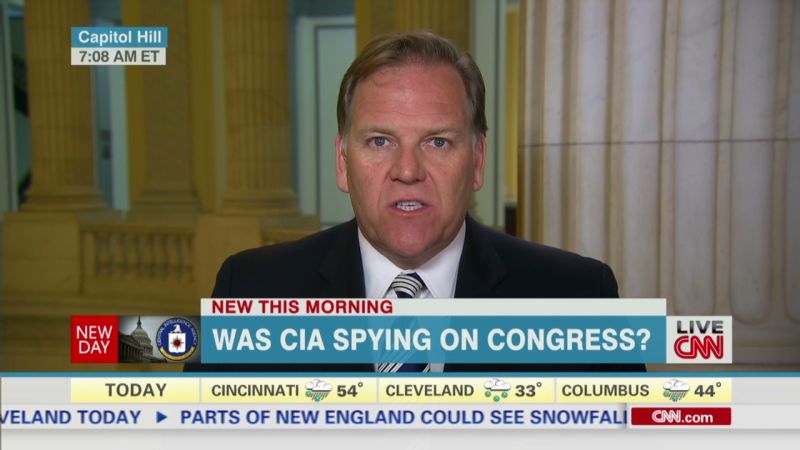
The case of the CIA clearing illegally searching senate computers highlights a crucial tension between national security and democratic processes. The implications extend far beyond the immediate issue, forcing a critical examination of surveillance practices, cybersecurity protocols, and the importance of upholding the separation of powers. This incident underscores the need for robust oversight mechanisms and transparent processes to prevent similar breaches in the future.