Apple’s MacBook Ultra: A Comprehensive Look at the Anticipated High-End Redesign and Its Groundbreaking Features

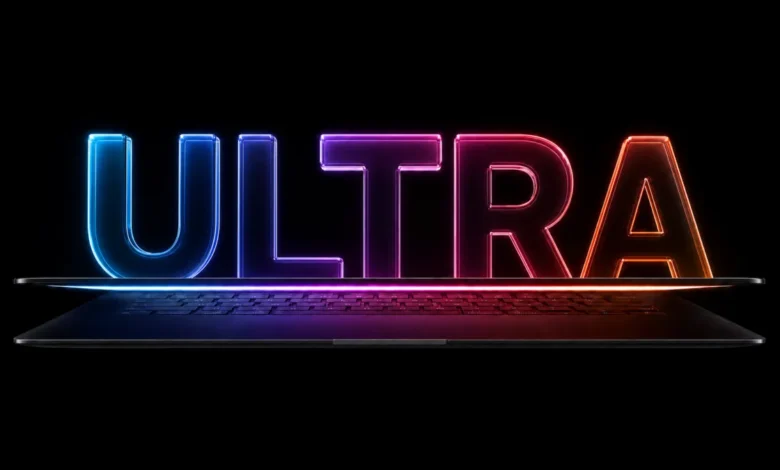
Apple is on the cusp of unveiling its most significant high-end MacBook redesign in half a decade, a development poised to introduce an array of unprecedented features to the venerable Mac platform. This highly anticipated device, widely rumored to bear the "MacBook Ultra" moniker, represents a strategic evolution in Apple’s professional laptop lineup, promising to push the boundaries of performance, design, and user interaction.
The Impending Redesign: A New Era for Mac Laptops
The last major overhaul of the MacBook Pro series occurred in 2021, marking the debut of the M1 Pro and M1 Max chips alongside a refreshed chassis, improved displays, and the return of essential ports. Five years later, the "MacBook Ultra" is poised to redefine the high-end laptop experience once again, cementing Apple’s commitment to innovation in the professional computing space.
According to Bloomberg’s esteemed Apple correspondent, Mark Gurman, the launch window for this revolutionary laptop is projected to span from late 2026 to early 2027. Recent industry insights, however, suggest that the latter end of this timeline is becoming increasingly probable, primarily due to persistent global memory chip shortages impacting the supply chain. Complementing Gurman’s projections, analyst Ming-Chi Kuo anticipates that mass production of the device will commence by late 2026, setting the stage for an early 2027 market introduction. This timeline underscores the intricate challenges of bringing a product of this complexity to market amidst global supply chain volatility.
Groundbreaking Features Under Scrutiny
The "MacBook Ultra" is not merely an incremental update; it is expected to be a paradigm shift, integrating technologies and design philosophies previously exclusive to Apple’s mobile ecosystem or entirely new to the Mac. Several key features are at the forefront of speculation, each carrying significant implications for how users will interact with their Macs.
1. Touchscreen Integration and Direct Touch Input:
Perhaps the most radical departure from traditional Mac design is the rumored inclusion of a touchscreen. For years, Apple executives, including Tim Cook, have publicly expressed skepticism about touch interfaces on traditional laptops, often citing ergonomic concerns. However, recent developments within Apple’s software suggest a profound change in this philosophy.
macOS 27, codenamed "Golden Gate," provides compelling evidence of touch capabilities. The operating system introduces "direct touch input" to Sidecar, a feature that allows users to extend their Mac desktop to an iPad. Currently, Sidecar relies on the Apple Pencil for direct interaction with macOS elements on the iPad screen. The ability to use a finger for direct input would fundamentally alter the Sidecar experience, making it more intuitive and blurring the lines between the iPad and Mac. This move suggests that Apple is exploring touch as a valid input method for macOS, even if initially through an auxiliary display.
Furthermore, macOS 27 incorporates iPhone-style "pull-to-refresh" functionality across core applications such as Safari, Mail, News, Podcasts, and Calendar. This ubiquitous gesture, deeply ingrained in iOS and iPadOS user habits, signifies a deliberate effort to harmonize the user experience across Apple’s platforms. Its adoption on the Mac hints at a UI designed to accommodate touch interactions seamlessly, where a finger swipe down could trigger content refreshes, mirroring the tactile feedback of a mobile device.
2. The Dynamic Island’s Mac Debut:
Another significant rumored feature is the integration of the Dynamic Island, first introduced on the iPhone 14 Pro and subsequently expanded to the iPhone 15 series. The new "Search or Ask" Siri interface within macOS 27’s Spotlight adopts a dark, pill-shaped design, strikingly similar to the Dynamic Island’s aesthetic. This design choice strongly suggests that the MacBook Ultra could feature a Dynamic Island-like cutout in its display, serving as an interactive hub for system alerts, background activities, and quick access controls. On the Mac, this could manifest as a dynamic space for notifications, timers, Face ID authentication, audio playback controls, or even indicators for connected accessories, offering a sophisticated alternative to the traditional menu bar icons.
3. OLED Display Technology:
While not explicitly detailed in the initial snippets, "popular stories" related to the MacBook Ultra consistently highlight the potential for an OLED display. The adoption of OLED (Organic Light Emitting Diode) technology would represent a substantial upgrade over the mini-LED displays currently found in high-end MacBook Pros. OLED panels offer unparalleled contrast ratios, true blacks (as individual pixels can be completely turned off), vibrant colors, and faster response times. This would translate to a visually stunning experience for professional users involved in video editing, graphic design, and photography, where color accuracy and dynamic range are paramount. Moreover, OLED panels can be thinner and potentially more power-efficient for displaying dark content, contributing to a more refined and potentially lighter device. Apple has already embraced OLED in its iPhone, Apple Watch, and iPad Pro (M4 generation), making its arrival on the Mac a logical progression for its premium lineup.
4. Next-Generation Apple Silicon: M5 Pro and M5 Max Chips:
At the heart of the "MacBook Ultra" will be Apple’s latest custom silicon, specifically the M5 Pro and M5 Max chips. Building on the foundational success of the M1, M2, M3, and M4 series, these chips are expected to deliver substantial advancements in CPU, GPU, and Neural Engine performance. Users can anticipate significant gains in multi-core processing, essential for demanding tasks like 3D rendering, complex software compilation, and professional video encoding. The integrated GPU will likely offer a new level of graphical prowess, enhancing gaming, virtual reality applications, and professional creative workflows. Furthermore, the Neural Engine will see accelerated AI and machine learning capabilities, becoming increasingly vital for features like on-device language processing, advanced image manipulation, and intelligent system optimizations.
An interesting dynamic arises concerning the chip generation. Initial reports suggest the first "MacBook Ultra" might launch with M5 series chips, which could have already been available in other Apple devices for several months. This presents a potential "awkwardness for buyers" as a successor model with even more advanced chips (e.g., M6 series) could follow less than a year later, a faster refresh cycle than typical for Macs. This strategy could allow Apple to introduce the groundbreaking design and new form factors first, followed by rapid silicon iterations to continually push performance boundaries for its most demanding users.
5. Thinner and Lighter Design:
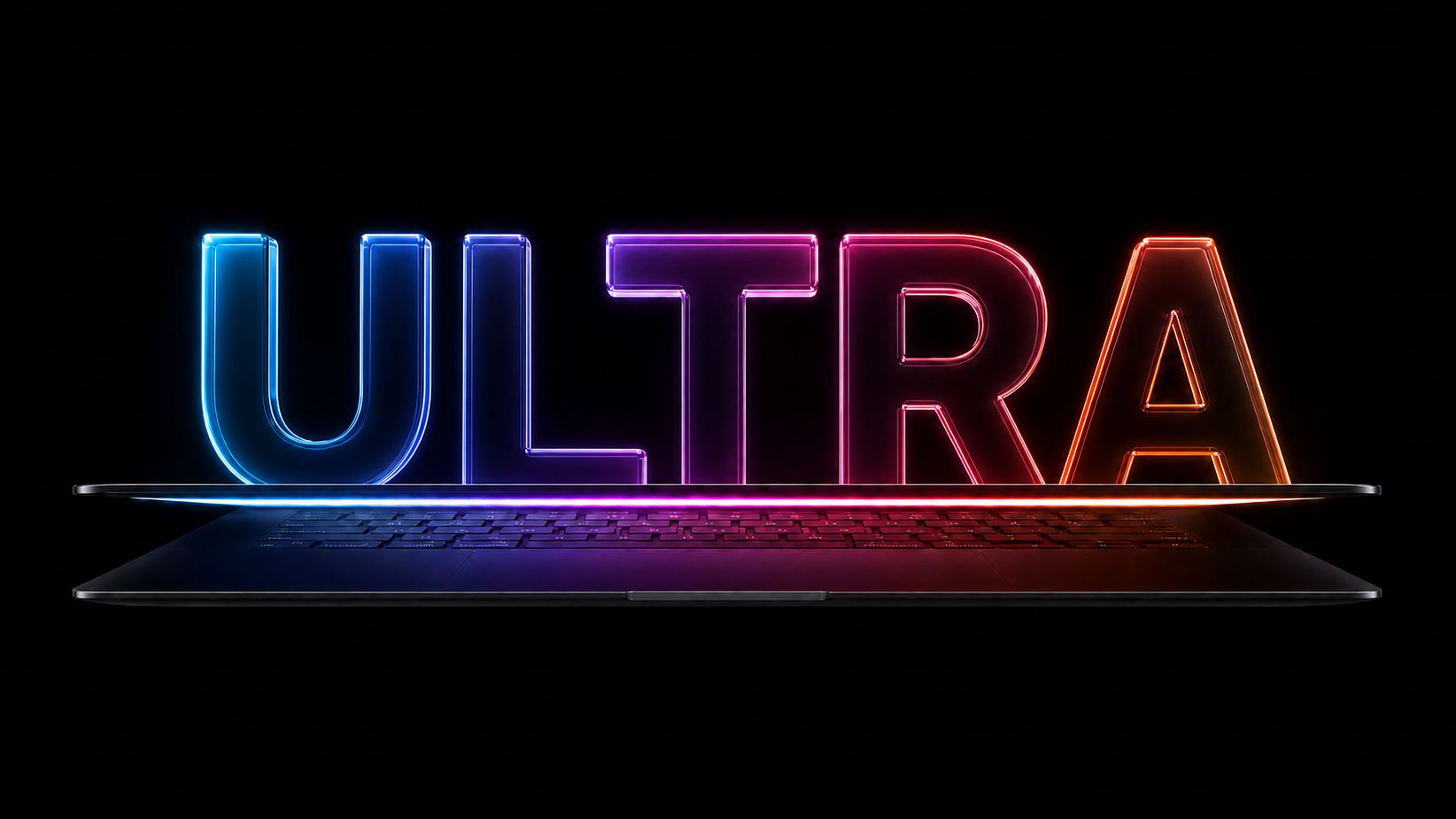
Apple has historically prioritized sleek, minimalist designs, and the "MacBook Ultra" is expected to continue this trend with a potentially thinner and lighter chassis. Achieving this while incorporating powerful chips, advanced cooling solutions, and potentially new display technologies is a significant engineering feat. A thinner profile would enhance portability and aesthetics, aligning with Apple’s design language across its product portfolio. This could involve innovative battery designs, more compact internal components, and advanced materials.
6. C2 Modem for Built-in Cellular Connectivity:
Another transformative feature rumored for the "MacBook Ultra" is the integration of Apple’s next-generation C2 modem, enabling built-in cellular connectivity. This would mark a significant shift for the Mac, providing always-on internet access without relying on Wi-Fi hotspots or tethering to an iPhone. For professionals, particularly those who travel frequently or work remotely, built-in cellular offers unparalleled convenience, security, and consistent connectivity. It could leverage eSIM technology for flexible carrier plans and seamless global roaming, transforming the MacBook into a truly untethered mobile workstation.
Timeline of Development and Anticipation
The journey towards the "MacBook Ultra" has been a gradual accumulation of rumors and technical hints:
- 2021: Apple last redesigned the MacBook Pro, setting the benchmark for the subsequent five-year cycle.
- April 2026: Reports begin to emerge, citing a global memory chip shortage as a potential factor in pushing the MacBook Ultra’s release window later into 2027.
- June 2026: macOS 27 "Golden Gate" is revealed, containing explicit hints at direct touch input via Sidecar, the widespread adoption of pull-to-refresh gestures, and a pill-shaped Siri interface in Spotlight, all strongly suggesting a future Mac with touch capabilities and a Dynamic Island.
- Late 2026 – Early 2027: Mark Gurman’s revised projection for the MacBook Ultra’s market arrival, with early 2027 becoming more likely.
- Late 2026: Ming-Chi Kuo predicts the commencement of mass production for the device.
- July 2026: Further reports confirm the "MacBook Ultra" name gaining traction and that the device is "on track" for release, with internal testing reportedly underway using macOS 27.1, scheduled for public release in October. This confirms that Apple is actively developing and refining the software experience for this new hardware.
Market Positioning and Pricing Strategy
The "MacBook Ultra" is unequivocally positioned as the pinnacle of Apple’s laptop offerings, designed to sit above even the current high-end MacBook Pro models. This premium placement necessitates a commensurately high price point. Apple’s recent price adjustments across its Mac lineup in June further underscore this strategy. The 14-inch MacBook Pro now starts at $1,999, escalating to $2,499 with the M5 Pro chip, while the 16-inch model begins at $2,999. Given these figures, the "MacBook Ultra" is widely expected to command a starting price well in excess of $3,000, potentially reaching or surpassing $4,000 for its base configuration, especially with advanced chips and features like OLED and cellular connectivity.
This pricing strategy targets a specific demographic: professional users who require the absolute cutting edge in performance, design, and functionality, for whom the investment is justified by increased productivity and creative output. The existence of a "MacBook Ultra" also raises questions about the future of the current MacBook Pro line. Some analysts speculate that the "MacBook Ultra" could eventually replace the highest-tier MacBook Pro models, potentially simplifying Apple’s professional laptop lineup into a more distinct good/better/best structure. The "entry-level MacBook Pro," often seen as a gateway into the professional ecosystem, might also see a redefinition or even eventual discontinuation in favor of a more consolidated high-end offering.
Broader Implications for the Apple Ecosystem
The introduction of the "MacBook Ultra" carries significant implications for Apple’s broader ecosystem and its vision for the future of computing.
1. Convergence of Ecosystems: The integration of touchscreen capabilities, pull-to-refresh gestures, and the Dynamic Island on the Mac signals a continued effort by Apple to harmonize the user experience across macOS, iOS, and iPadOS. This convergence suggests a future where interactions feel consistent regardless of the device, fostering a more fluid and intuitive workflow for users who operate within Apple’s walled garden. It could also pave the way for more unified app development, allowing developers to create applications that feel at home on both touch-first and keyboard-and-mouse-driven interfaces.
2. Enhanced Professional Productivity: For the target audience of creative professionals, developers, engineers, and researchers, the "MacBook Ultra" promises unprecedented levels of performance and versatility. The M5 Pro/Max chips will power complex simulations, high-fidelity content creation, and intensive data analysis with greater efficiency. The touchscreen, if implemented thoughtfully, could revolutionize workflows for designers and artists, offering a more direct and intuitive way to manipulate digital content. Built-in cellular connectivity ensures that professionals remain productive and connected from virtually anywhere.
3. Redefining the Laptop Category: By introducing a high-performance laptop with a touchscreen and potential cellular connectivity, Apple is challenging traditional notions of what a laptop can be. This move could inspire other manufacturers in the competitive landscape to accelerate their own innovations, particularly in the premium Windows laptop market, which has long offered touchscreens and 2-in-1 form factors. Apple’s entry into this space, however, is unique due to its integrated hardware-software-chip design, which often results in superior optimization and user experience.
4. Apple’s Strategic Vision: The "MacBook Ultra" reinforces Apple’s long-standing strategy of vertical integration and its focus on the premium segment of the market. By controlling every aspect from chip design to software and hardware, Apple can deliver a cohesive and powerful product. This device is not just about raw power; it’s about a holistic experience designed to cater to the most demanding users who are willing to pay a premium for unparalleled performance, cutting-edge features, and seamless integration within the Apple ecosystem. It underscores Apple’s belief that while the iPad Pro can be a computer for many, a traditional clamshell laptop, reimagined with new input methods and capabilities, remains essential for the highest echelons of professional work.
In conclusion, the "MacBook Ultra" is shaping up to be more than just Apple’s next-generation laptop; it is poised to be a statement product that redefines the high-end portable computing experience. With its anticipated blend of groundbreaking design, advanced silicon, and innovative interaction methods, it promises to usher in a new era for the Mac, further solidifying its position as a tool of choice for professionals worldwide. The wait for its arrival, though potentially extended by global supply challenges, is filled with the promise of a truly transformative device.