Motorola’s Razr 2026 Series and Razr Fold Poised to Disrupt Foldable Market with Advanced AI, Enhanced Cameras, and Strategic Design.

Motorola has consistently demonstrated impressive growth in the competitive foldable smartphone market, carving out a significant niche globally and notably strengthening its foothold in the United States. The success of its Razr series, particularly the acclaimed Razr Ultra 2025, has been a testament to the company’s commitment to innovative design and user experience. With the Razr Ultra 2025 having captivated users since its launch in early 2025, anticipation is now building for the rumored Razr 2026 series, expected to debut around April 2026, maintaining Motorola’s established annual release cycle. This upcoming launch, alongside the eagerly awaited Razr Fold, presents a critical juncture for Motorola as it seeks to further solidify its position against established giants and emerging challengers in the rapidly evolving foldable landscape. The question for consumers is whether to capitalize on current-generation deals or hold out for the potential advancements promised by the next wave of Motorola foldables.
Motorola’s Resurgence in the Foldable Market: A Strategic Overview
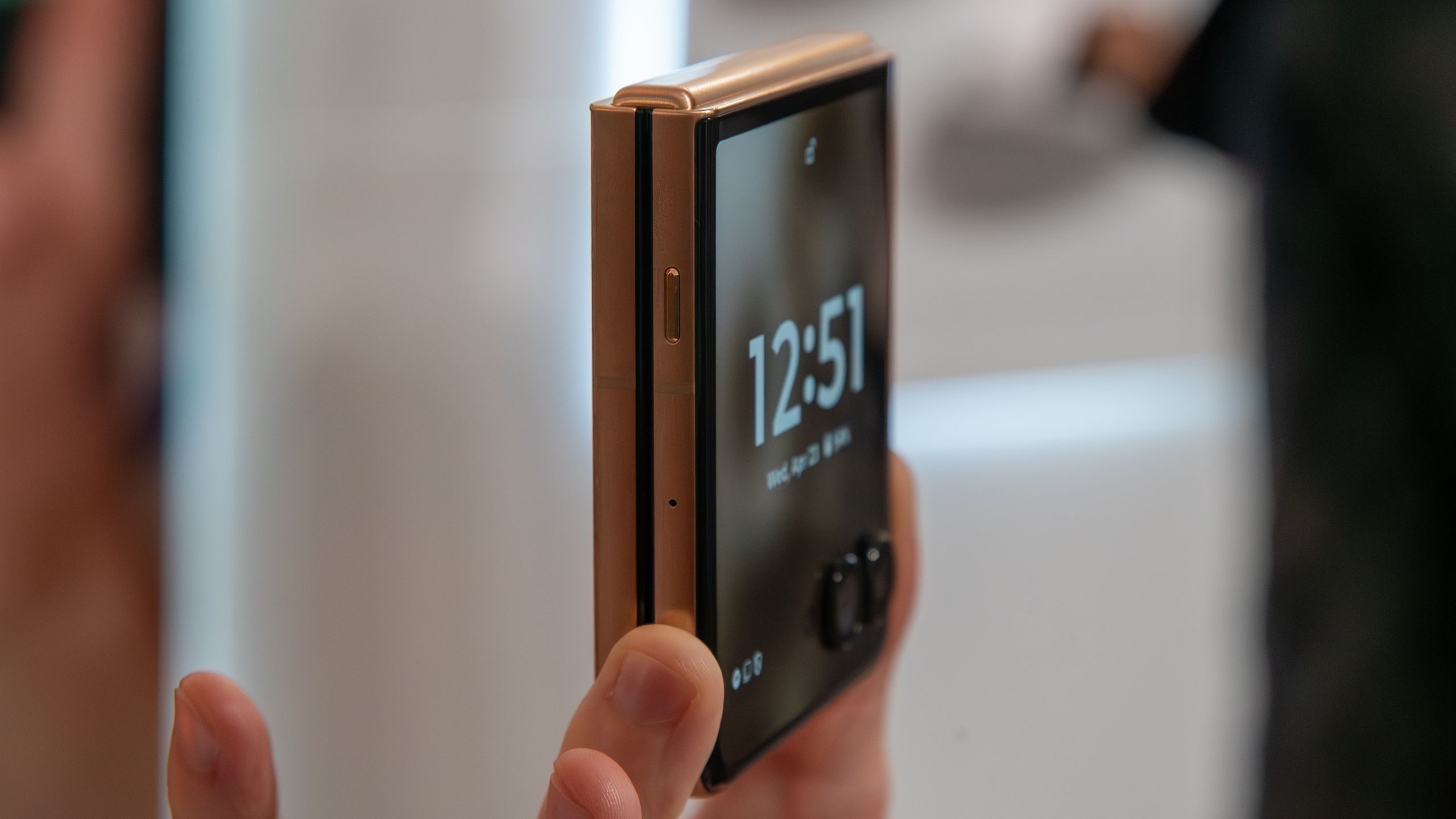
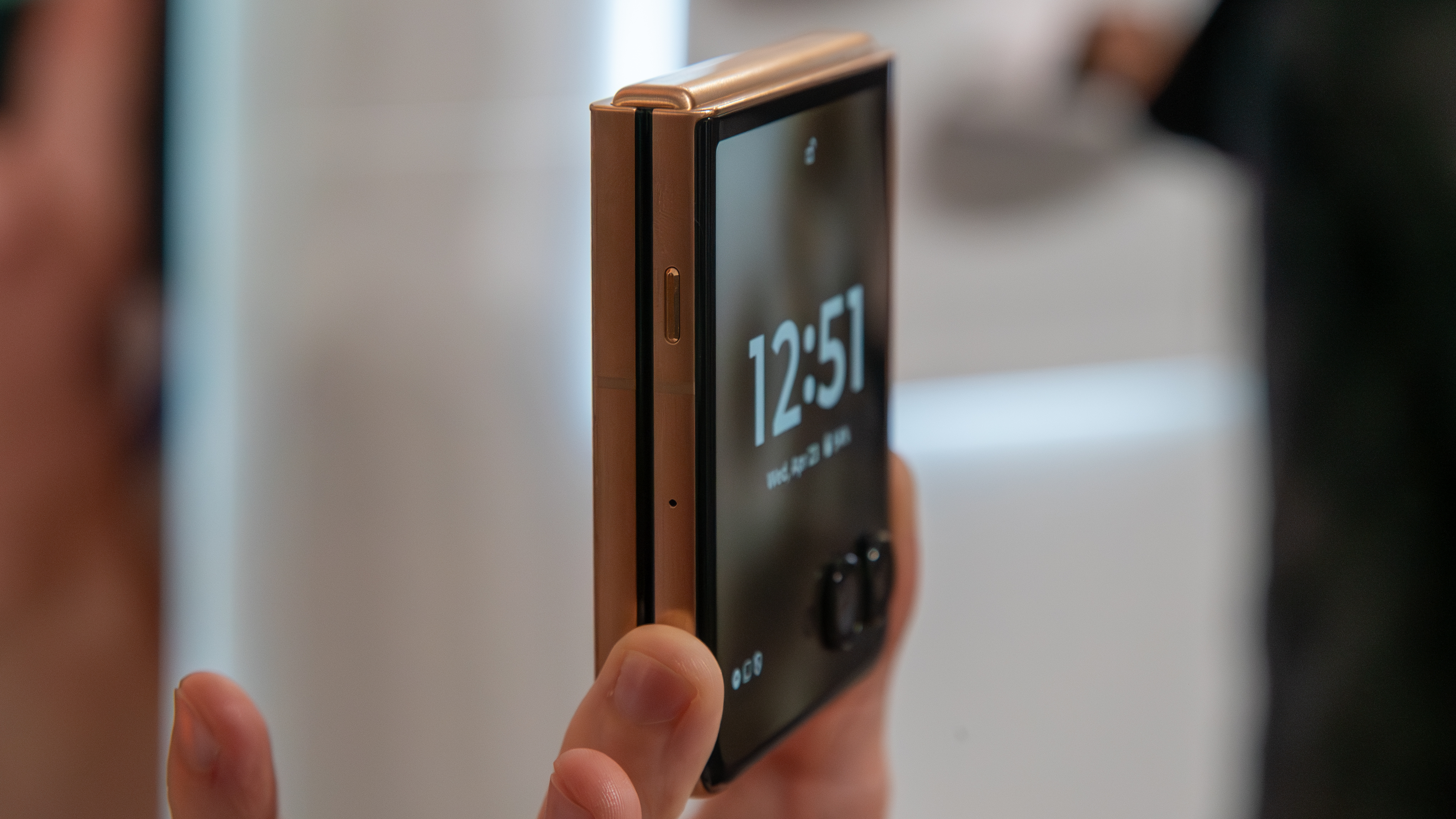
Motorola, a brand with a storied history in mobile telecommunications, has skillfully leveraged its iconic Razr lineage to re-enter and thrive in the premium foldable segment. After an initial cautious re-entry, the company has steadily refined its flip-style foldables, focusing on design aesthetics, improved durability, and competitive pricing. This strategy has paid dividends, with recent market analyses indicating a steady increase in Motorola’s foldable shipments, often surpassing growth rates of some competitors. For instance, reports from early 2025 showed Motorola securing a notable percentage of the global foldable market, particularly in North America, where its Razr models have resonated with consumers looking for alternatives to the dominant players. The Razr Ultra 2025, with its refined hinge mechanism, vibrant external display, and capable performance, served as a strong benchmark, demonstrating Motorola’s ability to deliver compelling hardware. This consistent performance underscores Motorola’s strategic intent to not merely participate but to lead in specific segments of the foldable market.
Anticipating the Razr 2026 Series: Key Innovations Expected
The impending launch of the Razr 2026 series is generating considerable excitement, primarily due to several anticipated technological leaps and strategic enhancements. While official announcements from Motorola remain pending, industry leaks and historical trends provide a clear roadmap of what to expect from the next generation of flip phones.
Next-Generation Chipsets and Performance Implications
One of the most significant upgrades expected for the Razr 2026 lineup revolves around its internal processing power. The Razr 2025 series, while capable, utilized chipsets that were competitive for their price point. For the 2026 models, there is a strong expectation that Motorola will integrate the very latest System-on-Chips (SoCs). Speculation points towards the high-end Snapdragon 8 Gen 5 and the premium-tier Snapdragon 8 Elite Gen 5, Qualcomm’s cutting-edge processors designed for flagship Android devices. These new chips are anticipated to bring substantial improvements in raw computational power, graphics rendering, and, crucially, on-device AI capabilities. The Snapdragon 8 Gen 5 is expected to offer a significant leap in CPU and GPU performance, potentially up to 20-30% faster than its predecessors, along with enhanced power efficiency. The Snapdragon 8 Elite Gen 5, positioned for ultra-premium devices, could push these boundaries further, enabling more complex AI tasks, higher frame rates in demanding games, and smoother multitasking. Such an upgrade would ensure the Razr 2026 series remains at the forefront of smartphone performance, providing a robust foundation for advanced features and a future-proof user experience.
The Evolution of Moto AI and Qira: A New Era of Intelligence
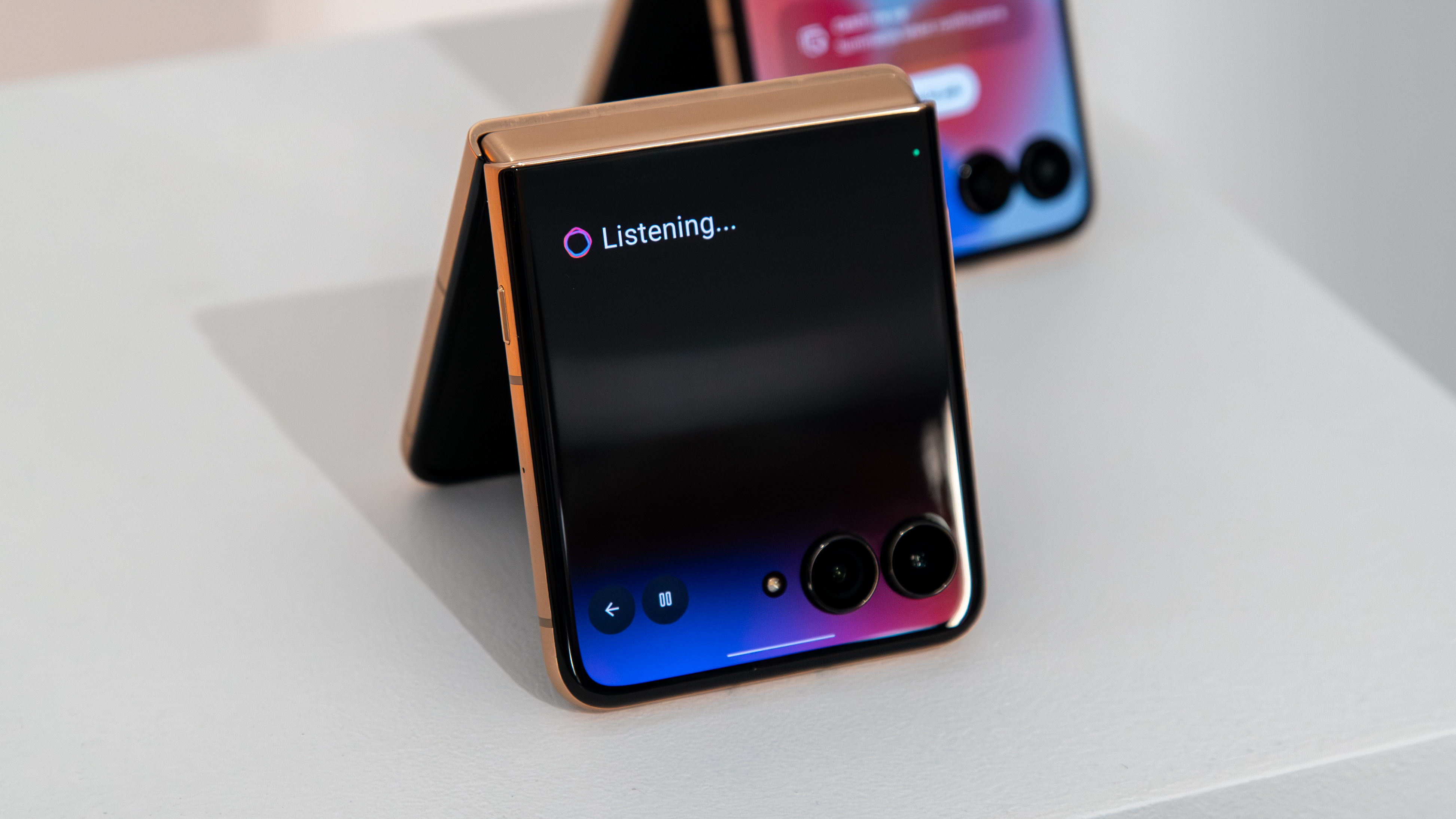
With new chipsets inevitably comes a new generation of software and artificial intelligence capabilities. Motorola has been actively investing in AI research and development, teasing features that promise to revolutionize user interaction. The Razr 2026 series is expected to showcase these advancements prominently. Motorola has been testing AI functionalities that streamline daily tasks, such as intelligent automation for booking ride-shares or ordering food through simple voice prompts, effectively allowing the AI to "skip words and get straight to doing what you ask." This hands-free, intuitive approach aligns with the broader industry trend of ambient intelligence.
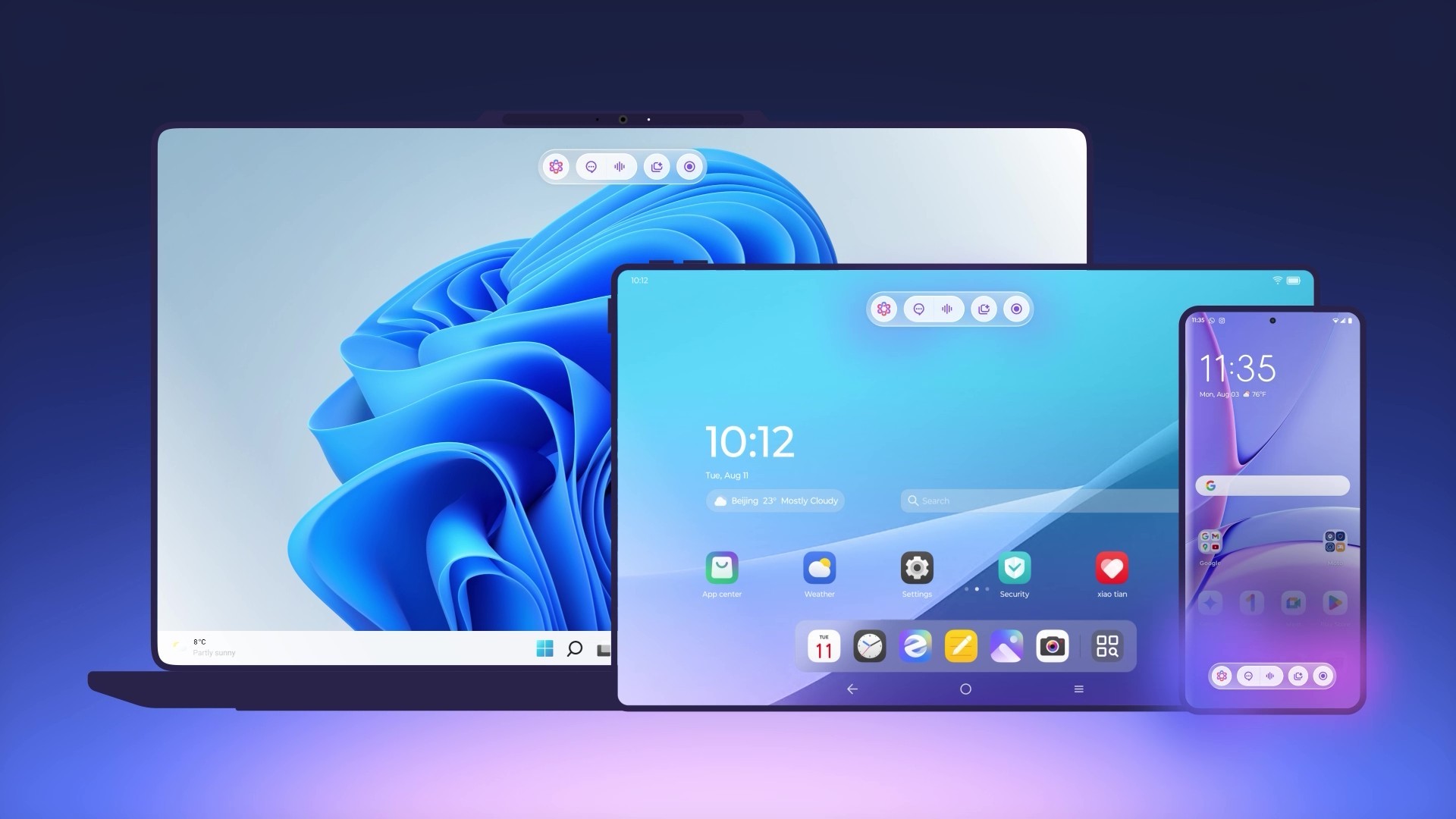
Furthermore, Motorola has unveiled its revamped AI suite, "Qira," which is envisioned as a personalized ambient intelligence ecosystem. Qira appears to be Motorola’s answer to Google’s Gemini, aiming to provide live, conversational AI assistance that can sync seamlessly across various devices, including Lenovo laptops – a significant advantage given Motorola’s parent company. The integration of Qira could offer advanced contextual understanding, proactive suggestions, and a truly hands-free experience that anticipates user needs. If successfully implemented, Qira could differentiate the Razr 2026 series by offering a deeply integrated and intelligent personal assistant experience, potentially rivaling or even surpassing existing AI implementations on competitor devices like the latest Pixel phones and the Galaxy S26, which currently feature Gemini screen automation.
Enhanced Software Support: A Commitment to Longevity
In an era where software longevity is a significant purchasing factor, Motorola is reportedly stepping up its game. Following the impressive seven-year software update promise for the upcoming Razr Fold, it is highly probable that Motorola will extend this commitment to its Razr flip phone series. A seven-year update policy, encompassing both Android OS upgrades and security patches, would place Motorola among the industry leaders in terms of device support. This commitment not only enhances the value proposition for consumers but also aligns with growing environmental consciousness by promoting longer device lifecycles. Such a move would be a strong indicator of Motorola’s confidence in the hardware’s durability and its long-term vision for its flagship devices.
Camera System Advancements: Focusing on User Preferences
Camera performance has always been a key battleground in the smartphone market, and Motorola has shown consistent improvement in this area over recent years. For the Razr 2026 series, significant camera enhancements are anticipated. Rumors suggest that the base Razr 2026 model could feature a 3x optical zoom, indicating the potential inclusion of a dedicated telephoto sensor. This would be a welcome addition for users who prioritize versatile photography capabilities, offering improved clarity and detail for distant subjects compared to digital zoom. The current Razr models primarily rely on ultrawide and main sensors, so a telephoto lens would address a common user request and bring the device closer to the comprehensive camera systems found in traditional flagships. These improvements are expected to be complemented by enhanced computational photography features, leveraging the new chipsets’ AI capabilities to deliver superior image processing, low-light performance, and video recording.
Design Evolution and Material Choices
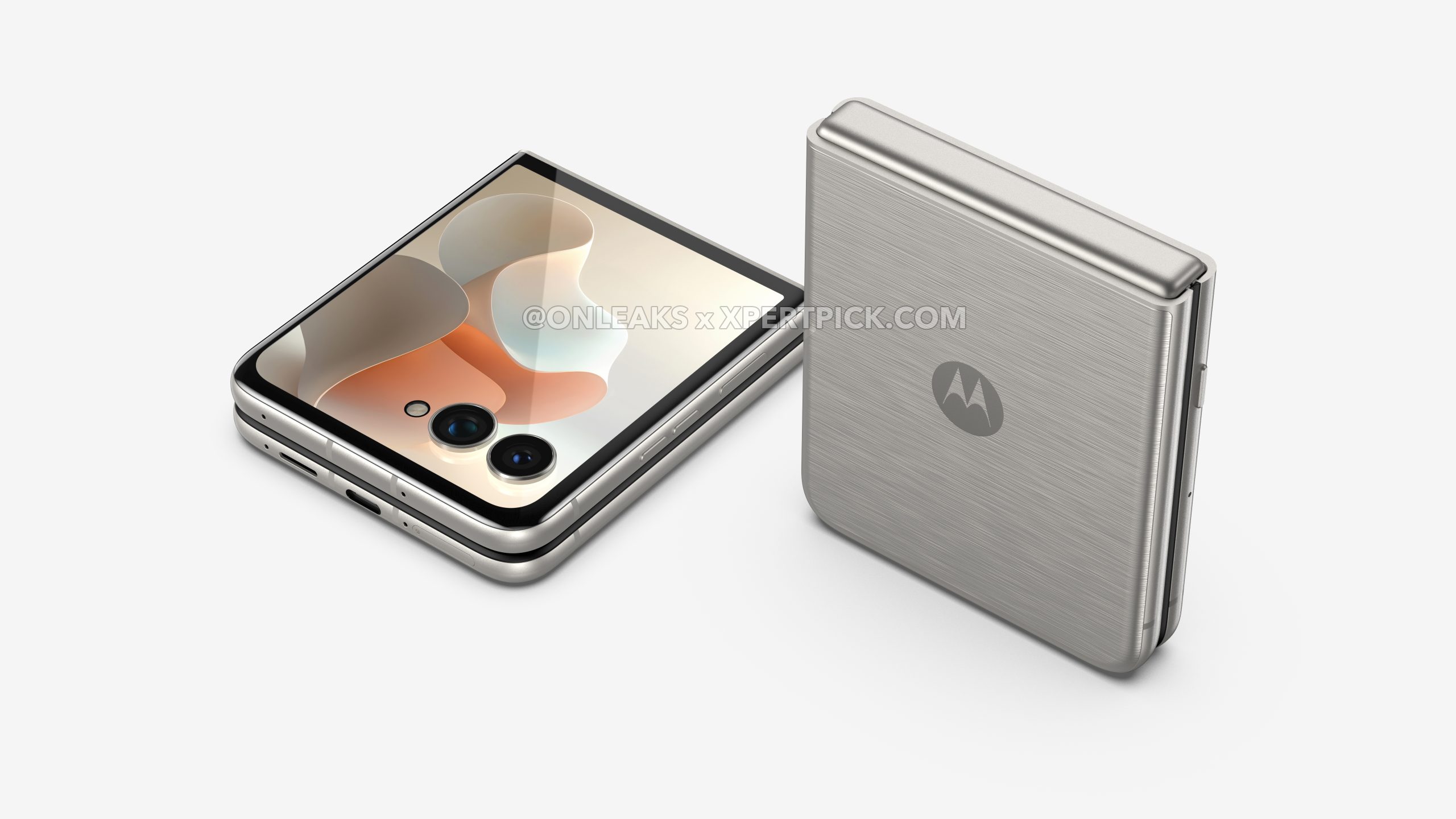
Leaked renders and industry whispers also point to refinements in the Razr series’ design and material options. While the overall form factor of the Razr 2026 and Razr Ultra 2026 is expected to retain the familiar, beloved clamshell design, Motorola is known for its refreshing approach to aesthetics. The upcoming models are rumored to introduce exciting new colorways and textures. Potential options include a sophisticated wood finish, a luxurious purple Alcantara, and a classic white model, offering consumers a broader range of personalized choices. Furthermore, the Razr Ultra 2026 is rumored to be slightly thicker, a design compromise that could translate into a significantly larger battery capacity – a highly sought-after improvement for any smartphone, especially foldables. A larger battery would directly address one of the primary concerns for power users, enhancing the device’s endurance throughout the day.
The Dilemma: To Upgrade or Not to Upgrade?
Despite the exciting prospects of the Razr 2026 series, a crucial question looms for potential buyers: should they wait, or is the current Razr 2025 series still a compelling purchase?
Analyzing the Potential "Half-Step" Upgrade
Some industry rumors suggest that the Razr 2026 series might represent more of a "half-step" upgrade rather than a revolutionary leap. For instance, one leak indicated that the Razr Ultra 2026 might retain the Snapdragon 8 Elite chipset (likely referring to the 8 Gen 4, if 8 Gen 5 is the next next generation, or simply a slightly older ‘Elite’ tier) instead of adopting the absolute latest Snapdragon 8 Elite Gen 5. If true, this could be a strategic decision by Motorola, potentially influenced by global supply chain challenges, such as the ongoing RAM crisis, or an effort to manage production costs and keep the final price competitive. While the existing Snapdragon 8 Elite is undoubtedly a powerful and capable processor, offering a similar chip in a new flagship model, especially if accompanied by a price increase, could be a point of contention for tech enthusiasts expecting cutting-edge performance. Motorola would need to convincingly articulate the value proposition of such a device, highlighting other significant improvements that justify the purchase.
The Crucial Role of Pricing in Market Strategy
Pricing remains a critical factor in the foldable market. The recent launch of the Moto G Stylus 2026, which saw a $100 price increase over its predecessor, raises concerns about potential pricing adjustments for the Razr 2026 series. The Razr Ultra 2025 already commands a premium price, often comparable to high-end traditional flagships like the Galaxy S26 Ultra. A further price hike beyond the $1,299 mark could make it challenging for Motorola to justify the cost, especially if the internal specifications are not a generational leap. This creates an interesting conundrum: would consumers prefer newer, more powerful chips at a higher price, or slightly older, yet still highly capable, chips at a more accessible (or identical) price point? Motorola’s pricing strategy will be pivotal in determining the market reception of the Razr 2026 series.
The Appeal of Current-Generation Discounts
In light of the impending launch, the Razr 2025 series is currently experiencing significant discounts, making them increasingly appealing. For instance, the Razr Ultra 2025 at $799, especially with Motorola’s promotion of a free upgrade to the 1TB model, represents exceptional value. This makes the current generation a strong contender for those seeking premium foldable features without the wait or potential higher cost of the new models. The Razr Ultra 2025 remains a highly capable device, and for many users, the performance difference with a "half-step" upgrade might not be substantial enough to warrant the additional investment.
Introducing the Razr Fold: A New Challenger in the Large Foldable Segment
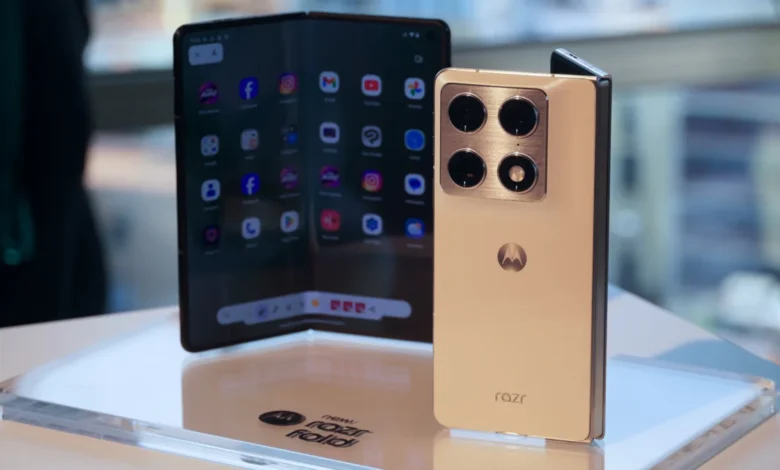
Beyond the flip-style Razr series, Motorola is also preparing to launch the Razr Fold, a device poised to become a major contender in the larger-screen foldable market. Given the company’s success with its flip phones and the increasing mainstream adoption of tablet-style foldables, the Razr Fold could significantly challenge established players.

Hardware Specifications and Performance
The Razr Fold is shaping up to be a formidable device. While it may not feature the absolute latest chipset, the inclusion of the Snapdragon 8 Gen 5 processor ensures plenty of power for even the most demanding applications and multitasking scenarios. This processor, combined with Motorola’s optimizations, should deliver a smooth and responsive user experience. Furthermore, the Razr Fold is rumored to boast a remarkably thin profile, a larger battery compared to competitors, and faster charging capabilities than Samsung’s current foldable offerings. These hardware advantages could address critical pain points for existing foldable users, such as battery anxiety and the bulkiness often associated with larger foldable devices.
Camera Prowess and Industry Recognition
Motorola is particularly touting the Razr Fold’s camera system. It is expected to feature a triple 50MP camera setup on the rear, a configuration that has already garnered high praise from DXOMARK, an independent benchmark for camera quality. DXOMARK has reportedly hailed it as the "#1 foldable camera system," indicating a significant focus on photographic excellence. This endorsement suggests that Motorola is not only competing on form factor but also striving to deliver a top-tier imaging experience, which could be a strong differentiator in a market where camera performance is paramount.
The Return of Stylus Support: A Niche, Yet Significant Feature
One notable advantage the Razr Fold is expected to offer is support for an active stylus pen. This feature stands in stark contrast to Samsung’s decision to remove S Pen support from the Galaxy Z Fold 7, much to the dismay of creative professionals and power users. The inclusion of stylus support on the Razr Fold could appeal strongly to those who wish to leverage the expansive inner screen for note-taking, drawing, or precise navigation, providing a tangible productivity advantage over its direct competitor. This strategic choice caters to a dedicated user base, potentially drawing them away from rival ecosystems.
Market Positioning and Competitive Landscape
The Razr Fold is entering a competitive arena dominated by Samsung’s Galaxy Z Fold series and increasingly challenged by devices from Google, OnePlus, and Chinese manufacturers. Its rumored specifications – thin design, large battery, fast charging, stellar camera, and stylus support – position it as a strong contender. If Motorola can deliver on these promises and couple them with a compelling software experience, the Razr Fold could capture a significant share of the premium large foldable market.
Release Timeline and Pricing Considerations
While an official release date for the Razr Fold is yet to be confirmed, indications suggest it could arrive as early as May 2026. However, early reports on its pricing overseas suggest it may be quite expensive, which could translate to a premium price point in North American markets. The interplay between its advanced features, competitive pricing, and availability will be crucial to its success.
Broader Market Implications and Motorola’s Future
The upcoming launches of the Razr 2026 series and the Razr Fold signify a confident and aggressive push by Motorola into the premium smartphone segment, particularly within the burgeoning foldable market. By focusing on cutting-edge AI, robust software support, and differentiated hardware features, Motorola aims to not only maintain but expand its market share. The success of these devices will hinge on balancing innovation with competitive pricing and effectively communicating their unique value propositions to consumers. If Motorola delivers on its promises, these new foldables could significantly disrupt the current market hierarchy, offering compelling alternatives that blend nostalgic design with futuristic technology. The coming months will be critical in shaping Motorola’s trajectory in the ever-evolving mobile technology landscape.