Born into an era of economic volatility, one might develop a cynical acceptance of "blatant dysfunction" as a sign of a robust economy. The free market, in this view, thrives on its inherent risks, with any potential wreckage a testament to its speed and dynamism. However, as the video game industry navigates increasingly turbulent waters, a disquieting question emerges: are we witnessing a controlled acceleration, or a descent into uncontrolled chaos, with no one at the helm who truly remembers how to drive? This examination delves into the recent strategic missteps and devastating layoffs plaguing major players like Sony and Microsoft, exploring the ramifications for developers, players, and the future of interactive entertainment.
Sony’s Quest for Live-Service Dominance: A Costly Pursuit
Sony Interactive Entertainment, a titan in the console gaming space, has embarked on an ambitious and, thus far, remarkably unsuccessful pivot towards live-service games. This strategic shift, aimed at securing recurring revenue streams, has been marked by significant financial losses and the shuttering of promising projects and studios.

The company’s commitment to this model is underscored by the substantial investment in titles that have ultimately failed to materialize or deliver on their promises. The game Concord, for instance, reportedly consumed hundreds of millions of dollars in development before its ignominious launch-week demise. Similarly, Bluepoint Games, a studio renowned for its exceptional remasters, was reportedly tasked with developing a live-service God of War spin-off. This project, a departure from Bluepoint’s core strengths, ultimately contributed to its eventual closure in February 2026, a casualty of Sony’s shifting priorities and the perceived failure of its live-service ambitions.
Despite these high-profile setbacks, Sony has shown little inclination to abandon its live-service strategy. Even after cancelling eight of the twelve planned live-service titles slated for release by 2025, Sony Interactive Entertainment CEO and president Hideaki Nishino publicly stated the company’s intention to "continue to take on" live-service projects. This declaration came mere days after Sony implemented significant layoffs at Bungie, the developer of the long-running live-service title Destiny 2.
The Bungie layoffs, which reportedly impacted almost the entirety of the Destiny 2 team, have drawn particular scrutiny. While Destiny 2‘s output had faced criticism for delays and a perceived decline in quality, the game had recently seen a surge in returning players with a new update, marking nearly a decade as one of the industry’s most enduring live-service titles. The decision to cull this experienced team, whose expertise could have been invaluable for future live-service endeavors, has been widely questioned. Instead, Bungie’s remaining staff have reportedly been reassigned to Marathon, a project whose own development has been marred by the departure of its game director just four months after its launch.

The financial implications of Sony’s strategic recalibrations are also being felt in its physical media business. The company’s announcement of ceasing physical disc production by 2028, opting for exclusive digital distribution, will undoubtedly improve quarterly balance sheets. However, this move risks alienating a significant segment of the player base who rely on the resale of used games to make gaming more affordable. For many, particularly those who grew up with console gaming, the ability to trade in or sell pre-owned titles has been a crucial factor in maintaining their hobby. The elimination of this market could inadvertently curtail the accessibility of gaming for a substantial demographic.
Microsoft’s Game Pass Gamble and the Era of Mass Layoffs
Microsoft’s gaming division, under the leadership of Phil Spencer, has pursued a strategy heavily reliant on the subscription service Game Pass. This approach involved massive acquisitions, including the colossal purchase of Activision Blizzard, with the overarching goal of bolstering the Game Pass library and attracting a vast subscriber base.
However, reports suggest that Game Pass has fallen short of its ambitious subscriber targets, failing to achieve the necessary numbers to sustain the significant investments made. This financial shortfall has precipitated a period of widespread restructuring, characterized by recurring mass layoffs, studio closures, and project cancellations across the Xbox ecosystem.

The fallout from this strategy has been particularly harsh for studios acquired under the Xbox umbrella. Tango Gameworks, creators of the critically acclaimed Hi-Fi Rush, was abruptly shut down in 2024, a year after the studio’s game had reportedly exceeded all key performance indicators. This decision, alongside other significant downsizing efforts, has led to widespread developer disillusionment, with many questioning the stability and long-term viability of working within Microsoft’s gaming division.
In February 2025, a company-wide memo from Spencer, proclaiming that Xbox’s "platform, hardware, and game roadmap have never looked stronger," paradoxically accompanied news of yet another round of layoffs and studio closures. These cuts impacted studios across Bethesda, ZeniMax, Blizzard, King, Mojang, and Xbox Game Studios, reflecting a broad organizational upheaval. The severity of these layoffs has been staggering, with reports indicating that 1,600 employees were terminated in July, and an additional 1,600 are slated for dismissal before the end of Microsoft’s 2027 fiscal year.
The organizational restructuring under new CEO Asha Sharma has further intensified the uncertainty. King and Mojang now report directly to Sharma, as part of a move intended to propel Xbox toward becoming a dominant force in global entertainment. However, the rationale behind these extensive cuts remains a subject of debate. While proponents may argue for the necessity of trimming unprofitable ventures, the sheer scale and seemingly indiscriminate nature of these layoffs cast doubt on their strategic precision.

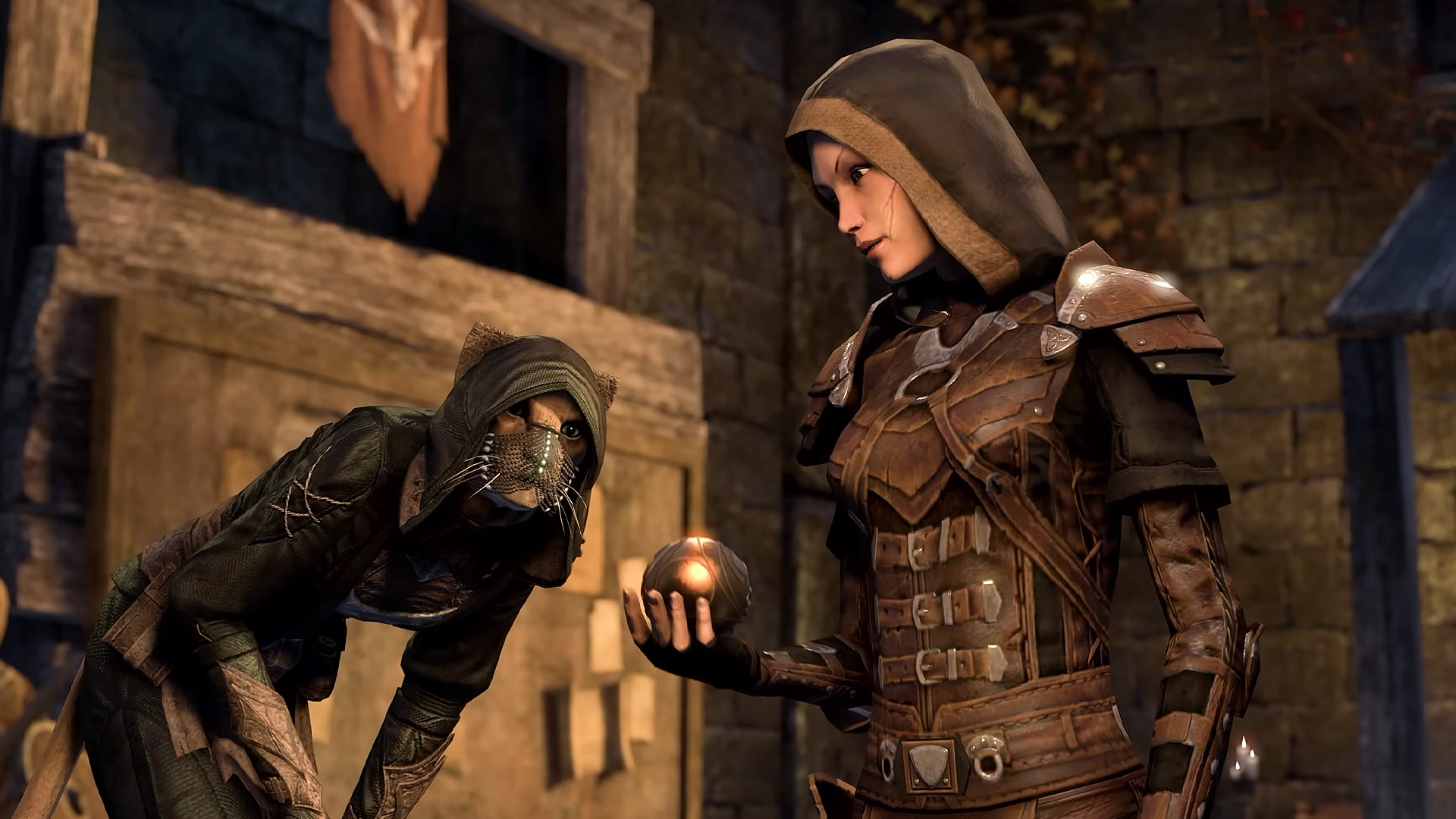
The impact on established studios like ZeniMax Online Studios has been particularly damaging. The studio, responsible for the successful The Elder Scrolls Online, has seen its workforce significantly reduced, raising concerns about its capacity to maintain and develop the game. Despite generating over $2 billion in revenue, the studio’s resources have been curtailed, impacting a game that was gaining momentum with its transition to a seasonal model.
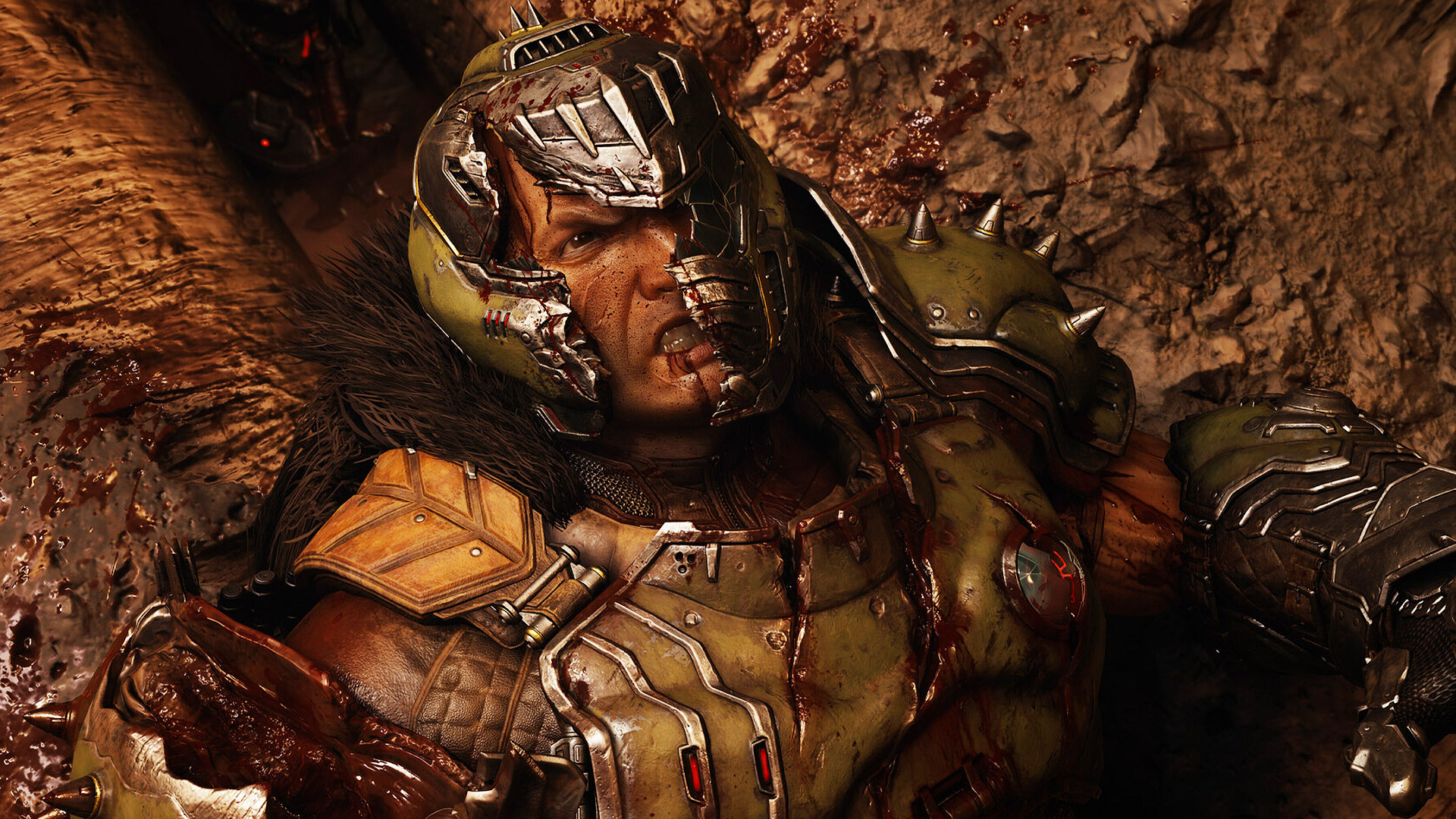
Even id Software, a studio with an unparalleled legacy in the FPS genre, has not been spared. Significant layoffs have occurred at the studio, leading to concerns about the future of its proprietary id Tech engine, a critical piece of technology that underpins not only id’s own titles but also those of its sister studio, MachineGames. Reports suggest that the future of this engine is uncertain, potentially forcing id Software and MachineGames to transition to Unreal Engine, a move that could disrupt their established development pipelines and creative workflows.
The appointment of Matthew Ball, a proponent of the metaverse and co-founder of a "UGC game studio," as Xbox’s new chief strategist, signals a potential shift towards user-generated content platforms, reminiscent of Roblox. This direction, coupled with the relentless focus on cost-cutting, suggests a strategic vision prioritizing scale and profit over the established strengths and legacies of its acquired studios. Matt Firor, founder of ZeniMax Online Studios, noted that "a giant successful videogame is not that stimulating" to Microsoft, which prioritizes large-scale profit, viewing successful projects as mere "numbers on a ledger."

The Pervasive Impact of Layoffs on Game Development
The pervasive trend of layoffs and employment uncertainty is not merely a financial inconvenience; it is actively undermining the long-term health and creative output of the video game industry. While the necessity of financial prudence in game development is undeniable, the current approach of mass layoffs is proving counterproductive.
The immediate aftermath of significant workforce reductions often results in the loss of invaluable institutional knowledge. Developers possess a deep understanding of their studio’s specific tools, pipelines, and collaborative dynamics. When this expertise is lost, it necessitates a period of re-acclimation for new hires or remaining staff, inevitably leading to delays, increased development costs, and a compromised workflow. This disruption directly contradicts the goal of efficient and timely game production.
The cyclical nature of these layoffs has become a defining characteristic of the modern games industry. The development of Destiny 2 faced delays and disappointing expansions following multiple waves of layoffs at Bungie, as the studio grappled with the repercussions of its leadership’s overexpansion. Similarly, the troubled development of Dragon Age: Veilguard was preceded by a layoff of approximately 50 BioWare employees in 2023. Ubisoft’s recent portfolio, including the troubled Skull and Bones, XDefiant, and Star Wars Outlaws, has coincided with company-wide cost-cutting measures that have led to the elimination of over 2,000 jobs since 2022.

Even games with strong pre-release buzz have been impacted. Life is Strange: Double Exposure experienced multiple layoffs prior to its launch, and Civilization 7 development at Firaxis was affected by a significant reduction in staff in 2023. These instances highlight a consistent pattern: periods of instability and uncertainty for developers directly correlate with challenges in game development and launch.
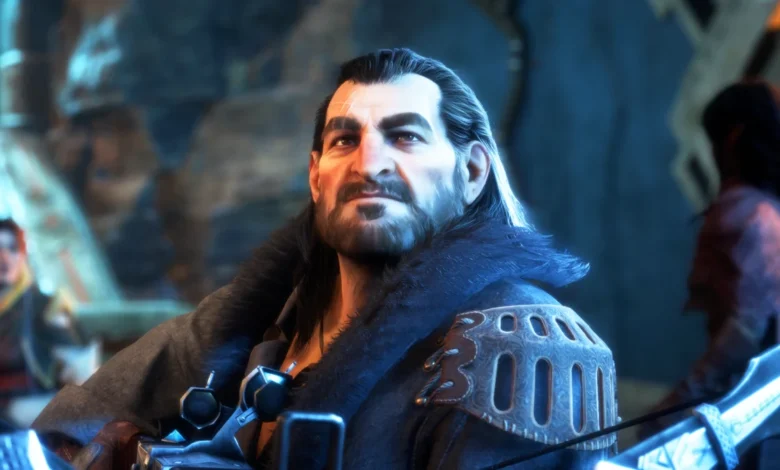
In contrast, studios that have prioritized employee retention and stable development environments have demonstrated remarkable success. Capcom has enjoyed a sustained period of critical and commercial success since avoiding mass layoffs in 2018. Larian Studios, known for its commitment to its employees, achieved a groundbreaking success with Baldur’s Gate 3, a testament to the power of a stable and dedicated development team. These examples serve as a clear counterpoint to the prevailing industry trend, suggesting that fostering a secure and supportive work environment is not an impediment to success, but rather a prerequisite for it.
The Siren Song of Perpetual Platforms and the Diminishing Returns of Innovation
The industry’s current leadership appears largely resigned to a paradigm where cost-cutting and the pursuit of recurring revenue through "games as services" or "platforms" have superseded the traditional model of developing and selling complete, innovative game experiences. This shift has created a landscape where the success of traditional game launches, like Helldivers 2 or Baldur’s Gate 3, feels increasingly like an anomaly rather than the norm.
The industry’s giants are heavily invested in replicating the success of platforms like Roblox and Fortnite, which have captured a significant portion of player playtime. Data from analyst firms like Newzoo indicates that a substantial majority of gamers spend their time on older, established titles and platforms. However, the pursuit of creating a proprietary "Roblox" is a flawed endeavor. Phenomena like Roblox and Fortnite are not manufactured; they emerge organically over extended periods, shaped by unique market conditions and evolving player behaviors. Roblox, launched in 2006, and Fortnite, which evolved from a six-year-old concept into its current free-to-play battle royale format in 2017, are products of their respective eras, not easily replicable blueprints.
This relentless focus on creating perpetual revenue platforms, often through user-generated content and an embrace of AI-generated assets, comes at the expense of fostering genuine innovation in traditional game development. The industry’s current trajectory prioritizes exponential growth and the illusion of endless revenue streams, often at the cost of creative risk-taking and the development of unique, standalone gaming experiences.
The implications of this shift are profound. Players are increasingly presented with a choice between engaging with established, endlessly evolving platforms or risking their time and money on new, traditional games that may be developed under precarious conditions. The success of titles like Helldivers 2 demonstrates a clear and persistent demand for quality, novelty, and variety in purchasable games. The question remains: how many more such titles might have graced the market if major publishers had not become fixated on the unattainable goal of engineering their own viral platforms, rather than nurturing the conditions for new phenomena to emerge organically?
The industry stands at a critical juncture. The current path, characterized by aggressive cost-cutting, workforce instability, and a myopic focus on platform-based revenue, risks alienating both developers and players. While short-term financial gains may be achieved, the long-term consequences for creativity, innovation, and the overall health of the gaming ecosystem could be severe. The question is not whether the industry can continue to operate in its current manner, but rather whether it possesses the foresight and willingness to change course before a catastrophic crash becomes inevitable. The time for a fundamental re-evaluation of priorities, from a relentless pursuit of profit to a genuine investment in sustainable development and creative integrity, is long overdue.