Cuktech 30 Ultra 300W Charging Station Emerges as a Formidable Solution for Advanced Multi-Device Power Management.

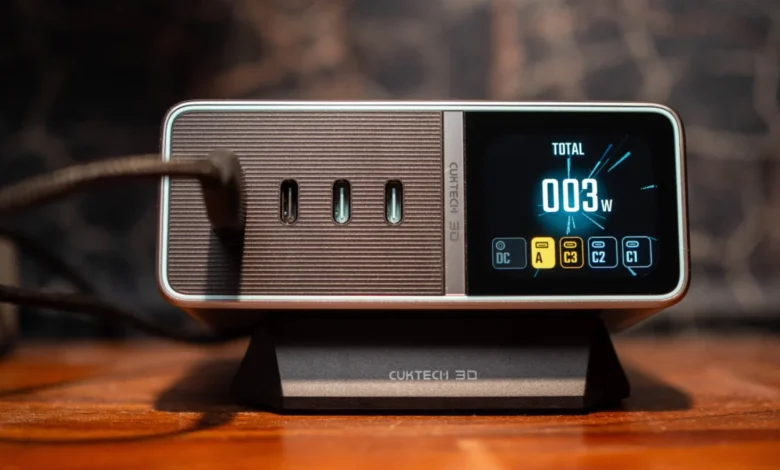
In an era defined by an ever-increasing proliferation of personal electronic devices, managing the charging needs of multiple smartphones, notebooks, tablets, and various accessories has become a significant challenge for consumers and professionals alike. The days of relying on individual, often underpowered, chargers bundled with devices are rapidly fading, giving way to the demand for consolidated, high-efficiency power solutions. Addressing this growing need, the Cuktech 30 Ultra 300W charging station stands out as a noteworthy contender, offering a comprehensive and powerful approach to simultaneous device charging. Having undergone extensive testing over the past month, this device demonstrates a robust feature set designed to declutter workspaces and optimize power delivery.
The Cuktech 30 Ultra, priced at $159 on Amazon, positions itself competitively within the burgeoning market of multi-port charging stations. For context, established alternatives like UGREEN’s Nexode 500W charging station typically retail for around $199, indicating Cuktech’s aggressive pricing strategy for a 300W total output device. Cuktech, a Chinese brand steadily building its reputation for reliable charging peripherals, aims to solidify its presence by delivering products that rival the quality and performance of industry leaders such as UGREEN and Anker. This 300W charging station is capable of powering up to five devices concurrently, making it an attractive option for users with diverse technological ecosystems.
Comprehensive Port Configuration and High-Wattage Delivery
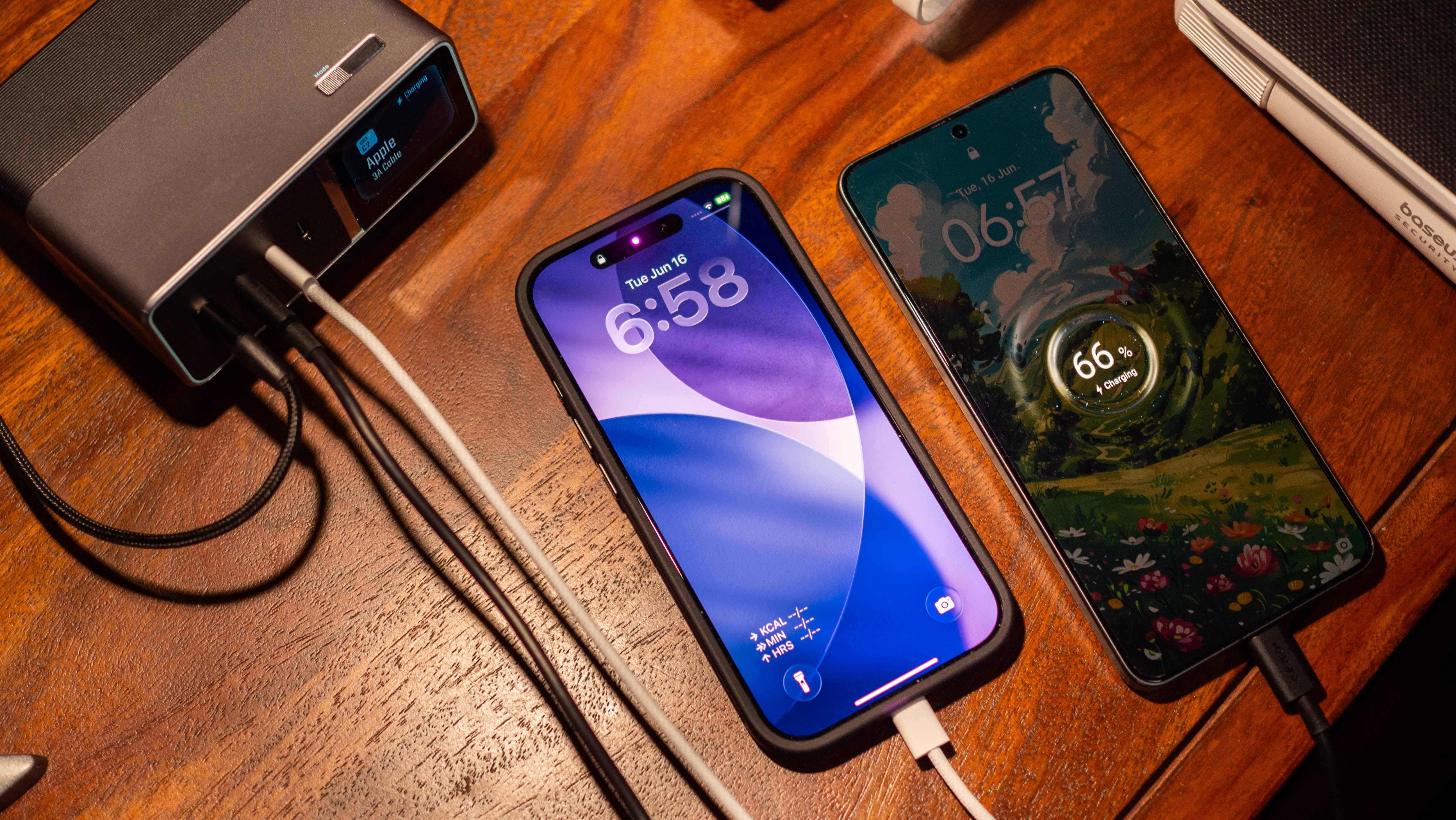
The fundamental appeal of any multi-device charging station lies in its port selection and power delivery capabilities, and the Cuktech 30 Ultra excels in this regard. The unit is equipped with three USB-C ports, one traditional USB-A port, and a dedicated DC connector, offering a versatile array of charging options.
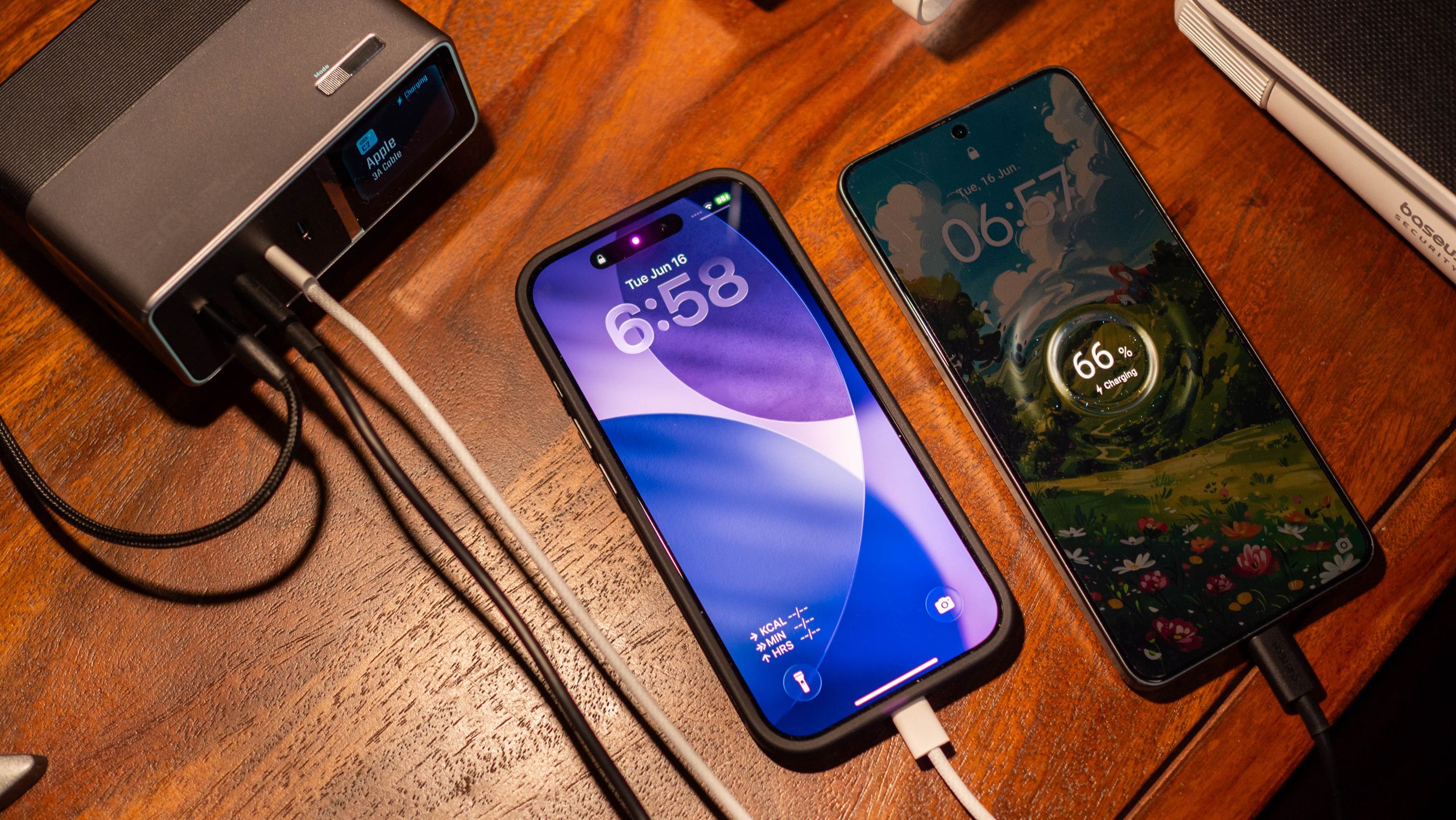
Two of the USB-C ports (USB-C1 and USB-C2) are engineered to deliver a formidable 140W each, leveraging the USB Power Delivery 3.1 protocol. This exceptional capacity means the Cuktech 30 Ultra can simultaneously charge two power-hungry laptops, such as MacBooks, at their maximum supported speeds. This dual 140W output is a significant differentiator, as many competing stations, even those with high overall wattage, often throttle individual port outputs when multiple high-draw devices are connected. The third USB-C port (USB-C3) provides up to 33W, suitable for tablets or smaller notebooks, while the USB-A port offers 18W, catering to older devices or accessories that still utilize this standard. The inclusion of a high-quality 240W USB-C to USB-C cable in the box further enhances the out-of-the-box utility for users.
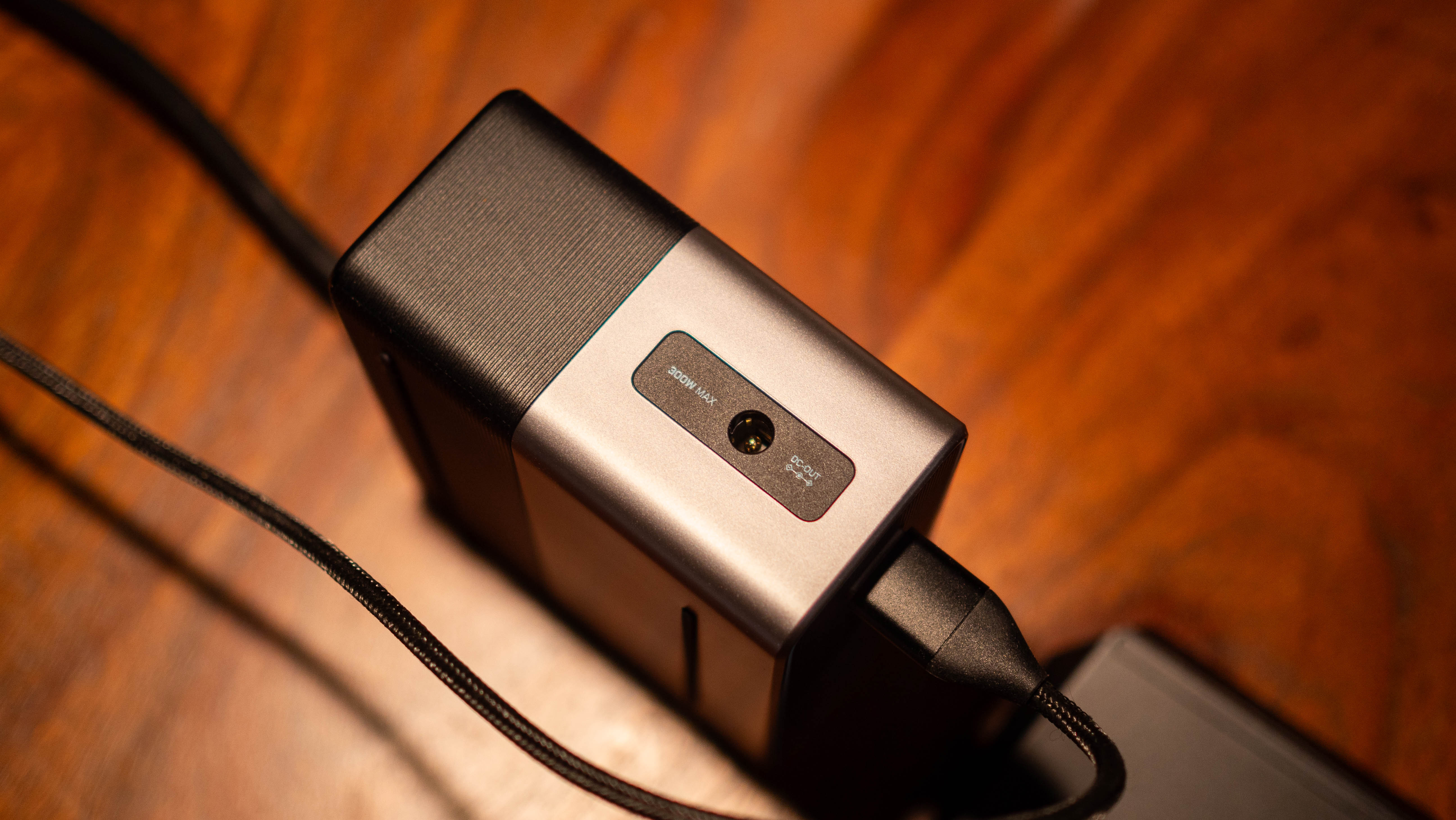
Beyond the USB landscape, the Cuktech 30 Ultra features a crucial dedicated DC connector. This port is capable of delivering up to 300W, a power level typically reserved for the proprietary chargers of high-performance gaming laptops or other demanding computing devices. This inclusion broadens the station’s utility significantly, allowing users to consolidate the charging of even the most power-intensive notebooks without the need for separate, bulky power bricks. The charging station comes bundled with a selection of connectors designed for compatibility with various notebook models, though it is important to note these are exclusively for use with the DC port and not for other USB-connected devices. A thoughtfully designed wedge-style stand angles the unit on a desk, improving accessibility to the ports and contributing to a tidier workspace.
Extensive Protocol Support for Broad Device Compatibility
One of the Cuktech 30 Ultra’s most compelling attributes is its broad support for a multitude of mainstream fast-charging protocols, moving beyond the standard USB Power Delivery. While USB PD forms the core of its high-wattage delivery, Cuktech has integrated several proprietary and widely adopted standards to ensure optimal charging performance across a diverse range of devices.
The charging station supports USB PD with Programmable Power Supply (PPS) up to 100W, a crucial feature for many modern smartphones that utilize PPS for adaptive fast charging, preventing overheating and extending battery life. Furthermore, it incorporates Qualcomm’s Quick Charge 3.0 and 2.0, catering to a vast ecosystem of Android devices. For users of specific Chinese smartphone brands, the Cuktech 30 Ultra offers support for Xiaomi’s 120W charging standard, a feature verified through testing with devices like the Xiaomi 17 Ultra and Xiaomi 17T Pro. Huawei’s fast-charging standard is also supported, further extending its compatibility.
The primary omission in its protocol support is OPPO’s proprietary VOOC (Voltage Open Loop Multi-step Constant-current) charging technology. While this means devices like the Find X9 Ultra may not reach their absolute maximum charging speeds via VOOC, the phone’s ability to charge at up to 50W over USB PD ensures a robust and efficient charging experience nonetheless. This comprehensive, albeit not exhaustive, protocol integration positions the Cuktech 30 Ultra as a highly adaptable charging solution, minimizing instances where a device might revert to slower, generic charging speeds.
Enhanced User Experience with Integrated LCD Panel
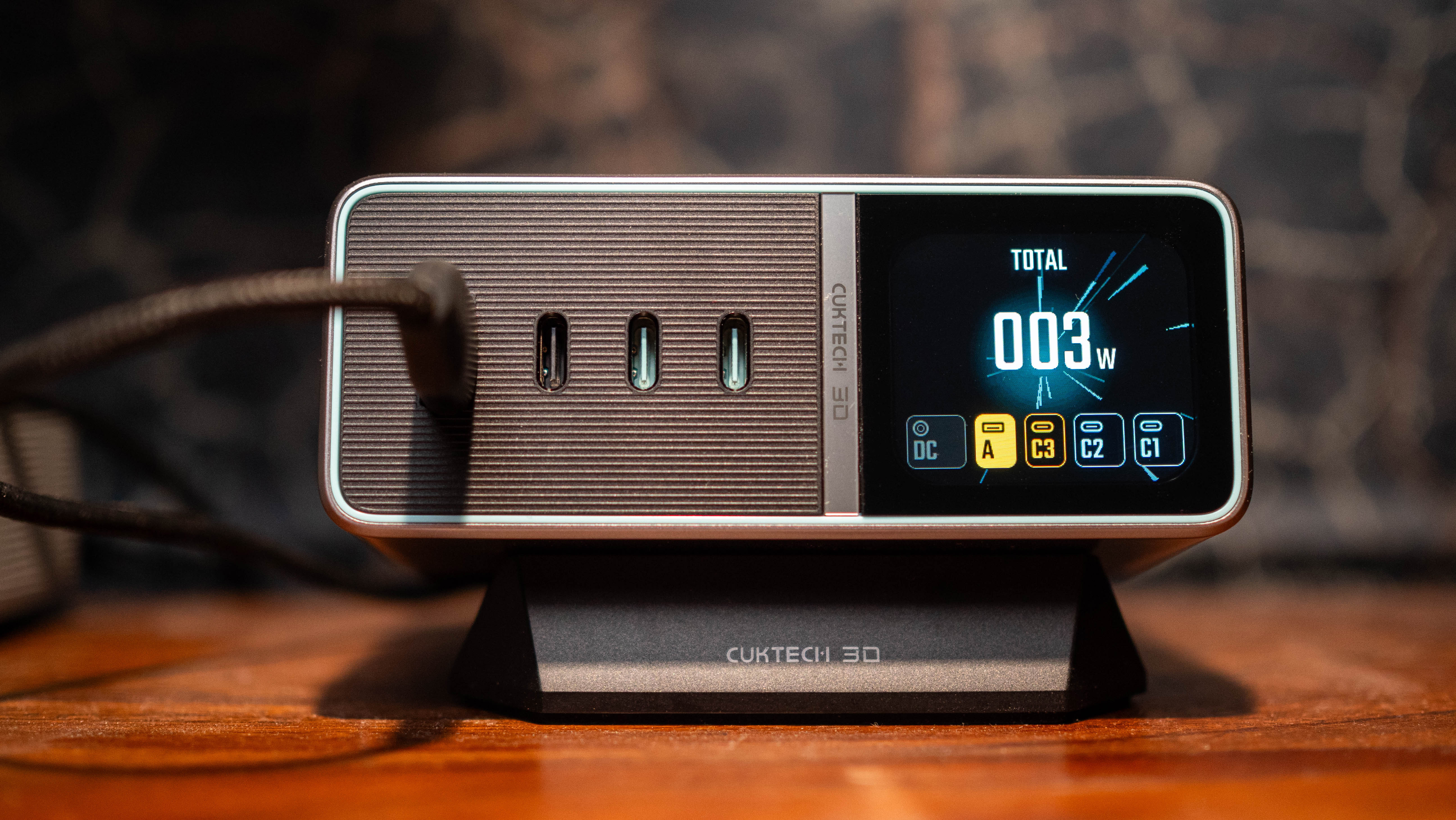
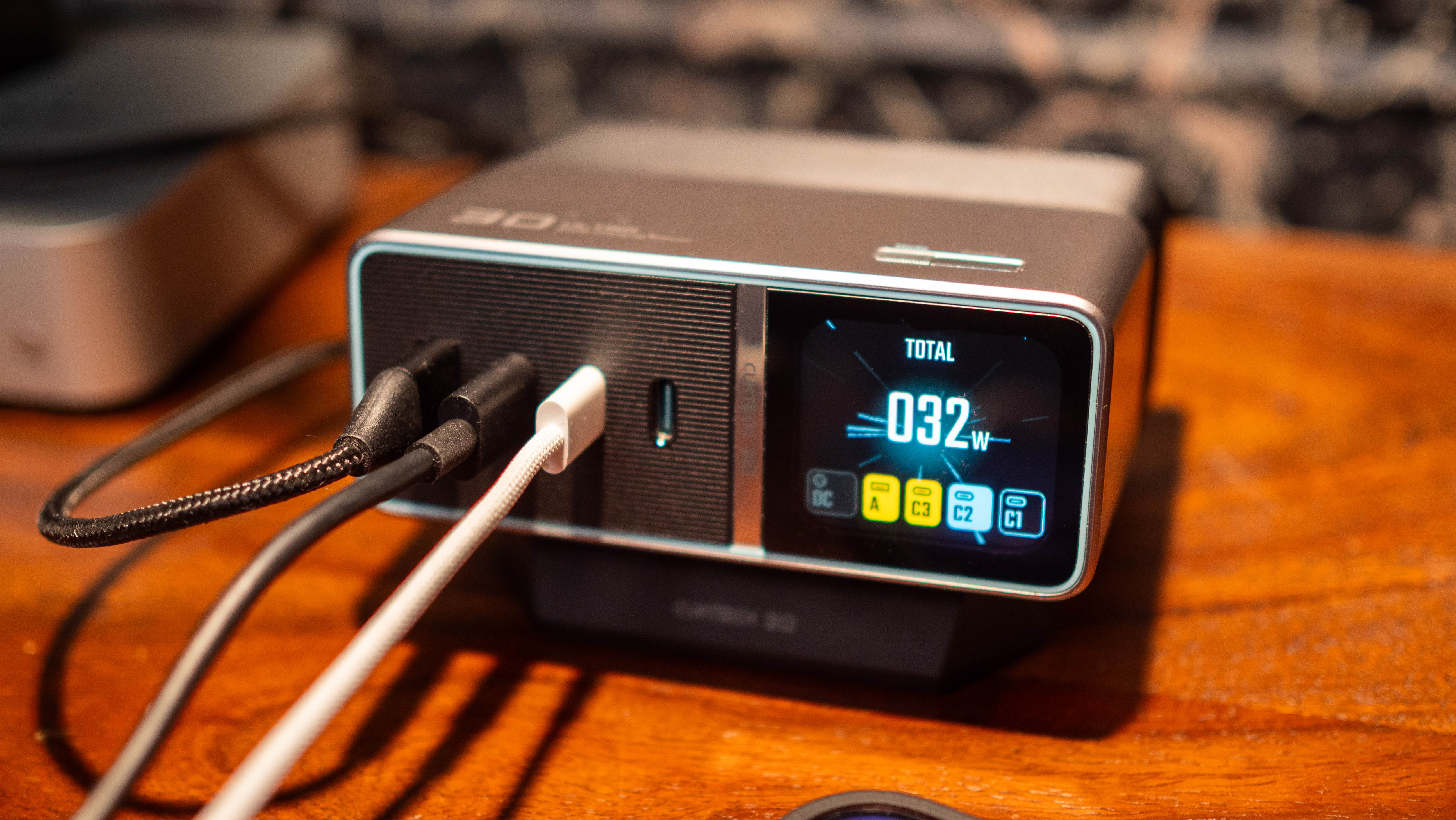
In an increasingly competitive market, user-centric features can significantly elevate a product. The Cuktech 30 Ultra distinguishes itself with a prominent 1.83-inch LCD panel, a feature that transforms basic charging into an informed process. While smaller displays showing charging status are becoming more common in premium chargers, Cuktech’s implementation takes functionality a step further.
This larger display provides real-time charging details, offering insights into the power curve of connected devices and, crucially, displaying the current output for each cable. This level of granular information is invaluable for users who wish to monitor charging efficiency, troubleshoot potential issues, or simply confirm that their devices are receiving the expected power. For professionals or tech enthusiasts juggling multiple gadgets, the ability to glance at the station and instantly understand the charging dynamics of individual devices adds a layer of convenience and control that enhances the overall user experience. This feature directly addresses the need for transparency in power delivery, a common concern among users investing in high-capacity charging solutions.
The Rise of GaN Technology in Power Management
The efficiency and compact form factor of the Cuktech 30 Ultra are largely attributable to the adoption of Gallium Nitride (GaN) technology. GaN is a next-generation semiconductor material that has revolutionized power electronics, particularly in the charging sector. Unlike traditional silicon-based components, GaN transistors can operate at higher voltages, switch frequencies, and temperatures, leading to several key advantages in charger design.
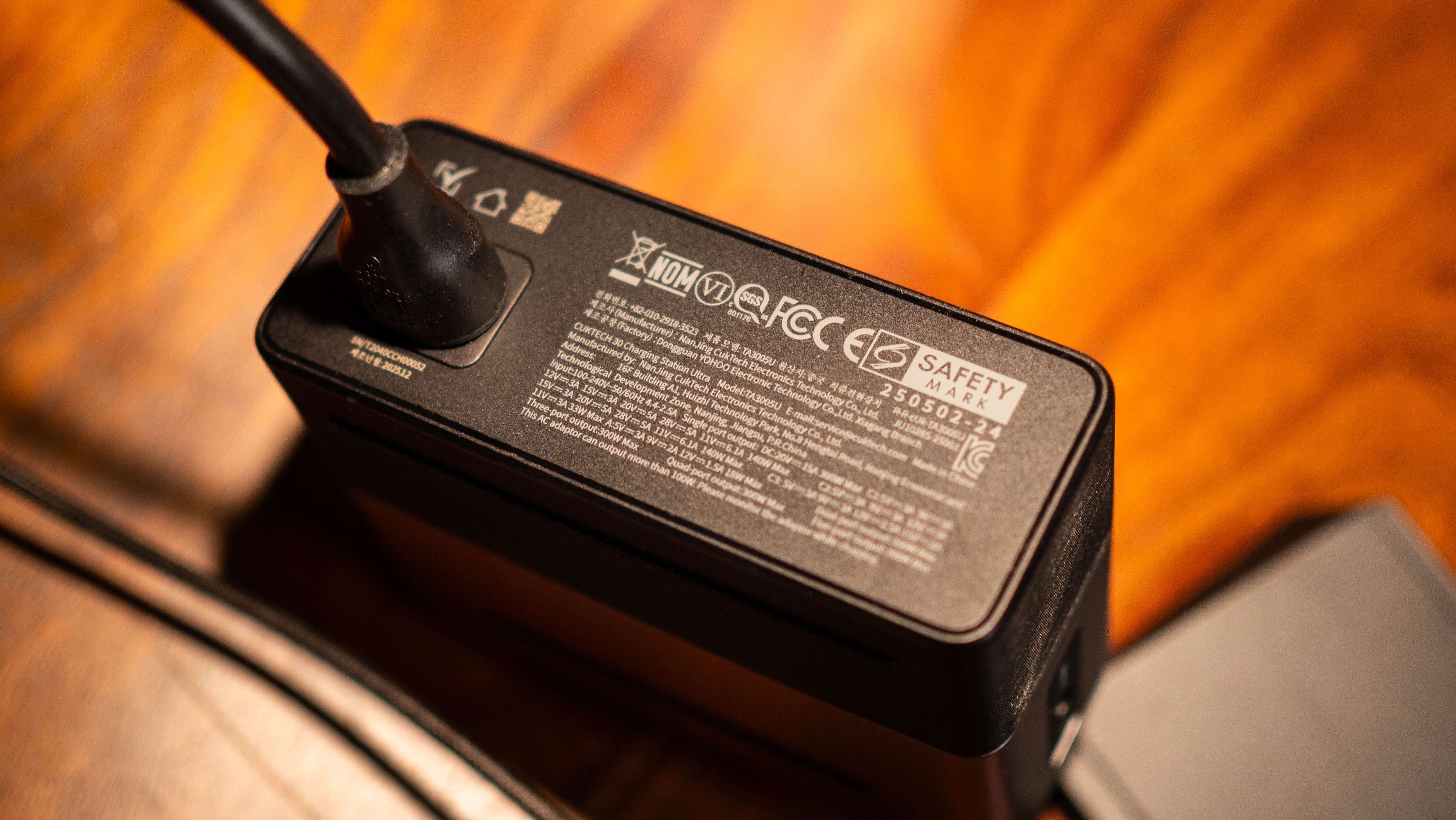
GaN chargers are significantly smaller and lighter than their silicon counterparts of equivalent power output. This allows manufacturers to pack more power into a more compact enclosure, which is essential for multi-port charging stations designed to sit on a desk. Furthermore, GaN technology results in higher energy efficiency, meaning less power is wasted as heat during the charging process. This not only makes the charger run cooler but also contributes to a more sustainable energy consumption profile. The reduced heat generation also enhances the longevity and reliability of the device. The integration of GaN is not merely a technical specification but a fundamental enabler for the Cuktech 30 Ultra’s ability to deliver 300W across multiple ports from a relatively compact footprint, while maintaining operational stability.
Evolution of Charging Solutions and Market Context
The journey from single-port, low-wattage wall adapters to sophisticated multi-device charging stations like the Cuktech 30 Ultra reflects a broader evolution in consumer electronics and power management. Historically, each device came with its own charger, leading to a tangled mess of cables and adapters. The advent of universal standards like USB, and subsequently USB Power Delivery (USB PD), began the consolidation process.
USB PD, particularly with its higher wattage profiles and features like PPS, has become the de facto standard for fast charging across a wide array of devices, from smartphones to laptops. The increasing power demands of modern laptops and the proliferation of powerful handheld devices have pushed the boundaries of what a single charger needs to accomplish. This demand has been further amplified by environmental concerns and cost-saving measures, leading many device manufacturers to omit chargers from their product boxes. Consequently, consumers are actively seeking robust, versatile, and future-proof charging solutions.
Brands like UGREEN, Anker, and now Cuktech have capitalized on this market shift, offering GaN-powered charging stations that promise high power, multiple ports, and broad compatibility. Cuktech’s entry into this segment with products like the 30 Ultra signifies the maturation of the market and the increasing competition among manufacturers to deliver superior power solutions. The brand’s existing reputation for reliable power banks and chargers, such as its 15 Ultra power bank and 140W charger, provides a solid foundation for its foray into charging stations.
Broader Implications and Future Outlook
The introduction of devices like the Cuktech 30 Ultra has significant implications for both consumers and the broader electronics industry. For consumers, it represents a tangible step towards true power management simplification. A single device can replace multiple chargers, reducing clutter on desks, simplifying travel, and ensuring that all critical devices are ready for use. This efficiency boosts productivity for remote workers, content creators, and anyone with a multi-device workflow. The investment, while initially higher than a basic wall adapter, offers long-term value through versatility, advanced features, and potential energy savings.
From an industry perspective, the Cuktech 30 Ultra exemplifies several key trends:
- Consolidation: The move away from fragmented charging solutions towards integrated hubs.
- Higher Power Delivery: The continuous push for greater wattage to support increasingly powerful devices, including high-performance laptops and even some portable gaming consoles.
- Universal Compatibility: The emphasis on supporting a wide range of charging protocols to cater to diverse brand ecosystems.
- Enhanced User Feedback: The integration of informative displays to provide real-time data, transforming charging into a more transparent process.
- Technological Advancement: The widespread adoption of GaN technology as the standard for high-efficiency, compact power solutions.
Industry analysts suggest that the integration of diverse charging protocols and high-wattage DC output positions devices like the Cuktech 30 Ultra as essential tools for modern tech users. This product category is expected to grow further as device manufacturers continue to standardize on USB-C and higher power requirements become more prevalent. Future iterations may see even greater power densities, more sophisticated power distribution algorithms, and potentially wireless charging integration.
Conclusion
After a month of rigorous testing, the Cuktech 30 Ultra 300W charging station emerges as a highly capable and well-designed power solution. Its meticulous port selection, including two 140W USB-C ports and a robust 300W DC output, addresses the diverse and demanding charging requirements of contemporary electronic devices. The comprehensive support for a wide array of fast-charging protocols ensures broad compatibility, while the integrated 1.83-inch LCD panel offers invaluable real-time charging insights, enhancing user control and understanding. Built upon the efficiencies of GaN technology, the 30 Ultra delivers substantial power from a relatively compact and desk-friendly form factor. For individuals seeking to streamline their charging setup, reduce cable clutter, and ensure all their devices receive optimal power delivery, the Cuktech 30 Ultra stands as a compelling and competitive choice in the evolving landscape of advanced power management solutions.