Meta Expands Enhanced Teen Safety Measures and Movie Style Content Ratings to Instagram Users in India

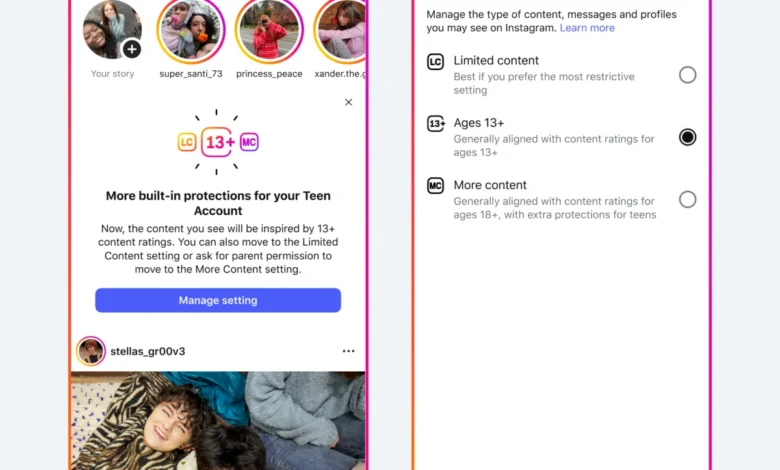
The social media landscape for millions of young users in India is undergoing a significant transformation as Meta announces the expansion of Instagram’s age-appropriate 13+ content rating and its specialized "Limited Content" setting to the Indian market. This initiative represents a foundational shift in how the platform manages the digital experiences of minors, moving toward a "safety-by-default" model that mirrors established standards in the entertainment industry. Under these new protocols, teenagers under the age of 18 will be automatically transitioned into an updated 13+ setting, a restrictive environment that filters sensitive material and limits interactions. Crucially, these protections are mandatory for younger users; those under the age of 18 will not be permitted to opt out of these settings or revert to a more permissive profile without explicit, verified permission from a parent or legal guardian.
The core philosophy behind this update is the alignment of digital content moderation with the familiar standards of motion picture ratings. Meta has indicated that the 13+ setting is designed to ensure that the content teens encounter on Instagram is qualitatively similar to what they would experience while viewing a movie rated for a 13+ audience. This includes the occasional appearance of suggestive content or strong language, but with a rigorous filtering system designed to keep such instances rare. By adopting an independent standard that parents already understand and trust in the context of cinema, Meta aims to bridge the gap between complex algorithmic content delivery and parental expectations of safety.
A Structural Shift in Content Moderation Policies
The introduction of these settings in India follows a period of intensive refinement of Meta’s internal content guidelines. While Instagram has long maintained policies that prohibit the recommendation of sexually suggestive content, graphic violence, and the sale of adult-regulated goods like tobacco or alcohol to minors, the new 13+ rating goes several steps further. The updated framework proactively hides or prevents the recommendation of posts featuring strong language, risky stunts that could lead to physical harm, and content that encourages potentially harmful behaviors. A specific example provided by the company includes the restriction of posts depicting marijuana paraphernalia or other drug-related imagery that, while perhaps not violating general community standards for adults, is deemed inappropriate for a developing teenage audience.
This expansion is powered by significant upgrades in Meta’s proactive identification technology. The company has invested heavily in artificial intelligence and machine learning models capable of scanning vast amounts of data in real-time to identify content that falls into these nuanced "borderline" categories—content that does not necessarily warrant a full ban from the platform but is unsuitable for younger eyes. These technological improvements are being deployed across all facets of the Instagram experience, including the Explore page, Reels, and the main Feed, ensuring a consistent layer of protection regardless of how a teen chooses to navigate the app.
The Introduction of Limited Content and Parental Controls
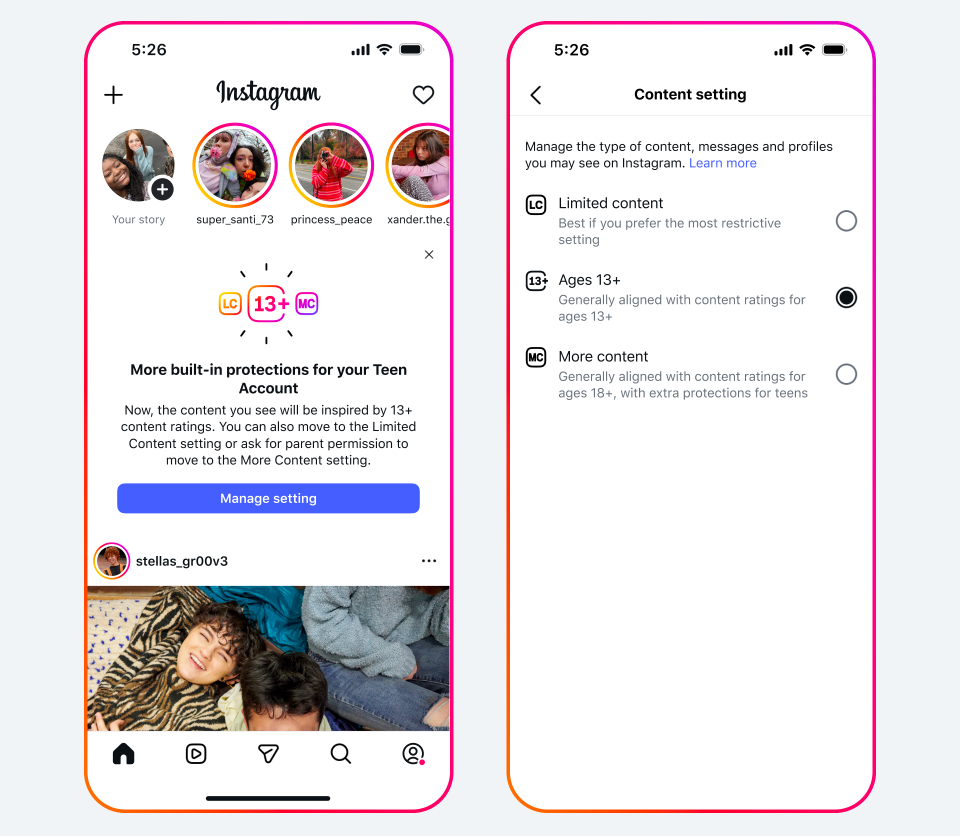
Recognizing that parental comfort levels vary significantly, Meta is also introducing the "Limited Content" setting in India. This feature serves as a secondary, even more restrictive tier for families who feel that the standard 13+ movie-style rating is still too mature for their children. When the Limited Content setting is activated, the platform applies an even more aggressive filter to the types of posts a teen can see. Beyond content filtering, this setting introduces a fundamental change to the social nature of the app: it removes the teen’s ability to see, leave, or receive comments on any posts. This move is specifically designed to curb the potential for cyberbullying, unwanted solicitation, and exposure to toxic discourse, which often manifest in comment sections.
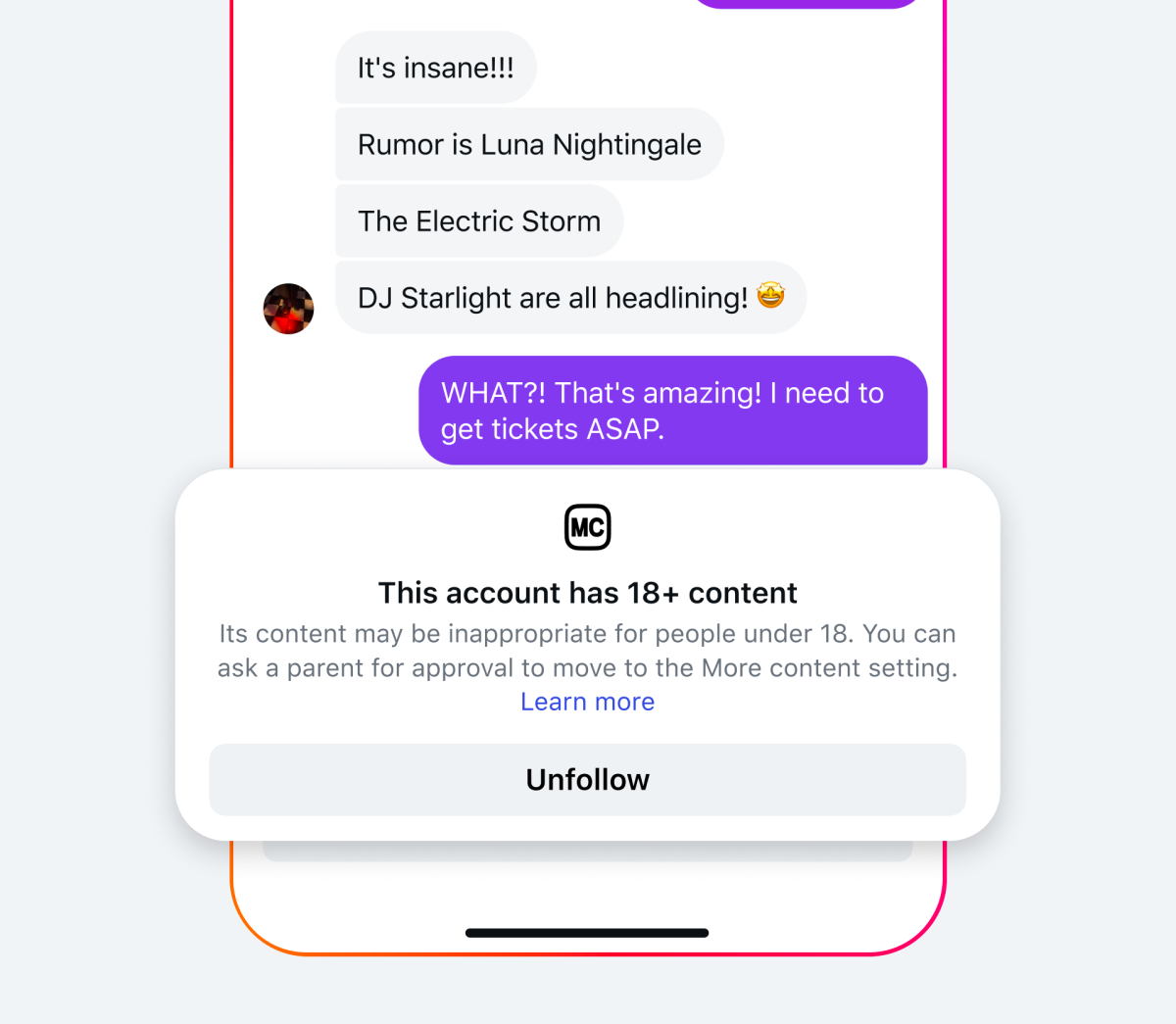
The implementation of these features places parents at the center of the digital experience. The "Teen Account" framework ensures that the most restrictive settings are the baseline. If a teenager wishes to change their settings to a less restrictive mode—for instance, to allow for more open recommendations—they must utilize the platform’s parental supervision tools. This requires a linked parent account to approve the request, effectively ensuring that no minor can bypass safety protocols unilaterally.
Background Context and Global Regulatory Pressure
The rollout in India does not occur in a vacuum; it is part of a broader global strategy by Meta to address mounting criticism and regulatory scrutiny regarding child safety on social media. Over the past two years, Meta has faced intense pressure from the United States Congress, the European Union under the Digital Services Act (DSA), and the United Kingdom’s Online Safety Act to provide more robust protections for minors. In late 2024, Meta launched "Teen Accounts" in the US, UK, Canada, and Australia, marking a pivotal moment in the company’s history. The expansion to India is a logical progression, bringing these global standards to one of Meta’s largest and most important markets.
In the Indian context, the timing is particularly relevant given the government’s focus on the Digital Personal Data Protection (DPDP) Act. The Indian government has consistently signaled its intent to hold big tech companies accountable for the data privacy and mental well-being of young citizens. By proactively introducing these movie-style ratings and parental locks, Meta is positioning itself to be in compliance with evolving local regulations that emphasize "verifiable parental consent" and the protection of children from harmful digital influences.
Chronology of Meta’s Teen Safety Evolution
The journey toward these enhanced protections has been marked by several key milestones:
- September 2024: Meta officially announces the launch of "Teen Accounts" in major Western markets, introducing automatic private accounts and content restrictions for users under 18.
- Late 2024: The company begins refining its "age-appropriate" guidelines, moving away from internal proprietary standards toward the "movie-rating" analogy to improve transparency with parents.
- Early 2025: Meta reports a significant increase in the use of parental supervision tools in markets where Teen Accounts were first deployed.
- Present: The phased rollout begins in India, with the 13+ content rating and Limited Content settings becoming the default for millions of Indian teenagers.
- Coming Months: Meta expects the full integration of these features across all Indian accounts, including legacy accounts belonging to users who were already on the platform before the update.
Supporting Data and the Scale of the Indian Market
The scale of this rollout is immense. India boasts one of the world’s largest populations of internet users, with estimates suggesting over 750 million people are online. A substantial portion of this demographic consists of "digital natives"—teenagers and young adults who use platforms like Instagram for education, entertainment, and social interaction. According to industry data, Indian teens spend an average of three to five hours a day on social media platforms, making the impact of content filtering algorithms highly significant.
Furthermore, Meta’s internal research and feedback from global parenting forums indicated a clear demand for simpler, more relatable safety standards. In surveys, parents frequently cited the complexity of privacy settings as a barrier to effective supervision. By utilizing the "13+" movie rating terminology, Meta has seen a higher rate of comprehension and engagement from parents who previously felt overwhelmed by technical jargon.
Official Stance and Industry Reactions
In official statements, Meta has emphasized that while no automated system is perfect, the company is committed to continuous improvement. "We recognize no system is perfect, and we’re committed to improving over time," the company stated during the announcement. The emphasis is on providing a "reassuring" experience for parents, ensuring that the platform’s default state is one of safety rather than unrestricted access.
Child safety advocates and digital rights groups in India have largely welcomed the move, though many remain cautiously optimistic. Analysts suggest that while these settings are a major step forward, the success of the initiative will depend on the accuracy of age-verification technologies. Meta has been working on various methods to verify age, including AI-driven age estimation and the requirement of government IDs in certain scenarios, to prevent younger children from lying about their birth year to circumvent the 13+ restrictions.
Broader Impact and Implications for the Future
The implications of this rollout extend beyond mere content filtering. By setting a high bar for teen safety in India, Meta is likely to influence the entire domestic app ecosystem. Competitors in the short-video and social networking space may find themselves under increased pressure from both parents and regulators to adopt similar transparent rating systems.
Furthermore, this move could reshape the creator economy in India. Influencers and content creators who target younger audiences will now need to be more mindful of the "13+" guidelines. Content that leans heavily on "shock factor," risky challenges, or suggestive themes may see a significant drop in reach among the teen demographic as the algorithm proactively filters such material from their feeds. This could lead to a shift toward more wholesome, educational, or genuinely age-appropriate entertainment.
Ultimately, the expansion of the 13+ content rating and Limited Content settings to India represents Meta’s acknowledgment that social media platforms carry a "duty of care" toward their most vulnerable users. By integrating parental permission into the very architecture of the teen experience, Instagram is attempting to transform from a purely open social network into a curated, supervised environment that respects the developmental stages of its younger users. As the rollout continues over the coming months, the effectiveness of these measures in creating a safer digital India will be closely watched by parents, policymakers, and tech industry peers alike.
Related posts: