Dbrand Shifts Focus from Flashy Skins to Refined Protection with New MNML Case Line for Pixel 11 Pro

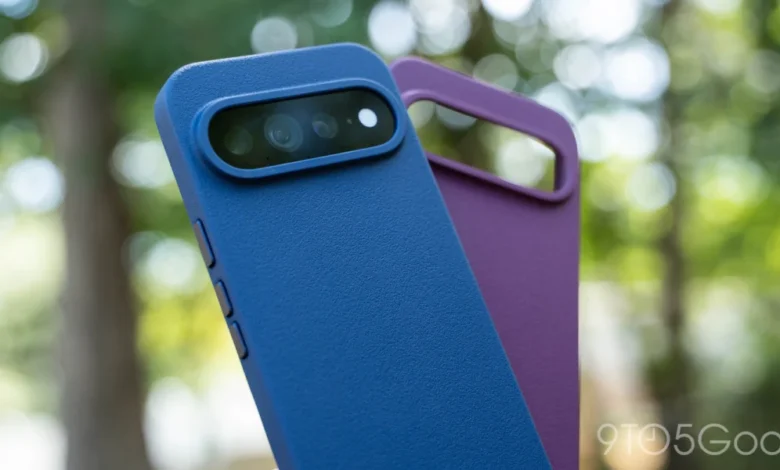
The mobile accessory landscape is undergoing a subtle yet significant shift as Dbrand, a company historically defined by its aggressive marketing and high-contrast, aesthetic-focused vinyl skins, officially pivots toward a more restrained design philosophy. With the launch of the new "MNML" (Minimal) case collection specifically engineered for the Google Pixel 11 Pro and Pixel 11 Pro XL, the Canadian manufacturer is signaling a strategic move to capture the demographic of users who prioritize ergonomics and tactile quality over the maximalist patterns that previously defined the company’s portfolio.
![Hands-on: Dbrand’s MNML Pixel 11 Pro cases are simply good, and that’s the point [Gallery]](https://9to5google.com/wp-content/uploads/sites/4/2026/09/dbrand-mnml-pixel-11-pro-9.jpg?quality=82&strip=all&w=1600)
A Departure from the Status Quo
For over a decade, Dbrand has maintained a market presence built on "bombastic" branding—a strategy that utilized social media irreverence and highly complex, customizable vinyl wraps to secure a loyal following. However, the introduction of the MNML line represents a departure from this identity. The new cases prioritize a "dead-simple" utility, focusing on material science, grip, and device protection without the aesthetic clutter of standard, full-coverage skins.
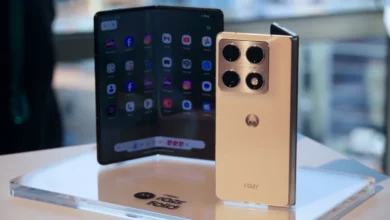
The MNML collection debuts in four distinct colorways: black, navy, tan, and burgundy. Eschewing the bold, geometric, or tech-inspired designs that characterize Dbrand’s core skin business, the MNML cases feature a monochromatic, unbranded aesthetic, save for a discreet four-letter embossed logo on the side profile. The construction utilizes a textured polymer material, intended to provide a high-friction surface that improves device handling—a direct response to the increasing trend of glass-backed smartphones that often feel slippery in hand.
![Hands-on: Dbrand’s MNML Pixel 11 Pro cases are simply good, and that’s the point [Gallery]](https://9to5google.com/wp-content/uploads/sites/4/2026/09/dbrand-mnml-pixel-11-pro-8.jpg?quality=82&strip=all&w=800)
Technical Specifications and Design Integration
The design of the MNML case for the Pixel 11 Pro series reflects a period of intense iterative development. Key design features include:
- Metallic Button Accents: To maintain a premium tactile feel, the case utilizes metallic-finished buttons. This provides a distinct, "clicky" physical feedback that distinguishes the volume and power toggles from the surrounding polymer shell.
- Precision Engineering: Given the hardware architecture of the Pixel 11 Pro, the case offers tailored cutouts for the camera housing and the charging port. Notably, because the Pixel 11 Pro lacks a physical SIM tray, the case design achieves a level of structural integrity and seamlessness that was previously difficult to maintain in earlier iterations where cutouts were required for tray access.
- Integrated Magnetic Array: A critical component of the MNML case is the inclusion of a high-strength magnetic array. Internal testing suggests these magnets are engineered to be more robust than the stock magnetic components found in the internal chassis of the Pixel 11 Pro, effectively expanding the compatibility of the device with third-party magnetic accessories, such as car mounts, wallets, and high-speed wireless charging stands.
Chronology of the Dbrand Product Evolution
Dbrand’s trajectory from skin manufacturer to accessory ecosystem provider has been a multi-year process.
![Hands-on: Dbrand’s MNML Pixel 11 Pro cases are simply good, and that’s the point [Gallery]](https://9to5google.com/wp-content/uploads/sites/4/2026/09/dbrand-mnml-pixel-11-pro-1.jpg?quality=82&strip=all&w=800)
- 2011–2015: Foundation of the company, focusing exclusively on adhesive skins for laptops and early mobile devices.
- 2016–2020: Expansion into "Grip" cases, which merged the company’s signature vinyl skins with a durable, shock-absorbent TPU chassis.
- 2021–2025: Significant R&D investment into materials, including the development of high-strength magnetic rings and proprietary impact-resistant compounds.
- September 2026: Official launch of the MNML brand, marking the first time the company has separated its "minimalist" product line from its "maximalist" skin brand.
Comparative Market Analysis
The mobile accessory market is currently saturated with options ranging from ultra-thin, snap-on plastic shells to heavy-duty, military-grade armor. The MNML case occupies a middle ground, often referred to as the "Thin Fit" segment.
When compared to established competitors like Spigen’s Thin Fit series, the Dbrand MNML case distinguishes itself through its material density and aesthetic finish. While standard thin-profile cases often rely on smooth polycarbonate that can be prone to scratching or fingerprint accumulation, the Dbrand polymer compound employs a rough, matte finish. This material choice is intended to combat the "slippery" nature of modern flagships, which has become a primary pain point for consumers using Google Pixel and Samsung Galaxy devices.
![Hands-on: Dbrand’s MNML Pixel 11 Pro cases are simply good, and that’s the point [Gallery]](https://9to5google.com/wp-content/uploads/sites/4/2026/09/dbrand-mnml-pixel-11-pro-4.jpg?quality=82&strip=all&w=800)
Industry analysts note that by charging a premium price point of $40, Dbrand is positioning the MNML line as a "lifestyle" product. While the price is higher than mass-market generic alternatives, the tiered pricing structure—which offers discounts for multi-unit purchases—is a standard strategy designed to increase the Average Order Value (AOV) while encouraging customers to outfit multiple devices within a household.
Implications of the Shift
The move to launch a sub-brand reflects a broader trend in the tech accessory industry: brand diversification. As consumers become more sophisticated, companies are finding that a singular brand identity cannot satisfy every segment of the market. By launching MNML, Dbrand is effectively insulating its primary brand, which thrives on chaotic and edgy marketing, from the expectations of the "minimalist" user who may prefer a more subdued, professional purchasing experience.
![Hands-on: Dbrand’s MNML Pixel 11 Pro cases are simply good, and that’s the point [Gallery]](https://9to5google.com/wp-content/uploads/sites/4/2026/09/dbrand-mnml-pixel-11-pro-5.jpg?quality=82&strip=all&w=800)
Furthermore, the design choice to include a superior magnetic array suggests that Dbrand is looking to capitalize on the growing "MagSafe-like" ecosystem for Android. By offering a case that potentially exceeds the magnetic performance of the phone’s factory hardware, Dbrand is positioning its accessories as a necessary upgrade for power users who rely on magnetic modularity.
Future Outlook and Consumer Response
Early feedback from reviewers and early adopters has highlighted the tactile satisfaction of the buttons and the precision of the mold. However, some users have noted that the "chunky" feel of the buttons, while functional, lacks a distinctive texture to differentiate the power button from the volume rocker by touch alone. This is an area of potential improvement for future iterations.
![Hands-on: Dbrand’s MNML Pixel 11 Pro cases are simply good, and that’s the point [Gallery]](https://9to5google.com/wp-content/uploads/sites/4/2026/09/dbrand-mnml-pixel-11-pro-6.jpg?quality=82&strip=all&w=800)
The absence of a SIM tray cutout has been met with positive reception, as it highlights a cleaner design aesthetic and reinforces the current trend of eSIM-centric hardware. This design choice also serves as a subtle critique of earlier Dbrand products, where the inclusion of complex, full-coverage skins sometimes rendered essential ports inaccessible or difficult to navigate.
As the smartphone market continues to iterate, the success of the MNML line will likely hinge on whether Dbrand can maintain its reputation for durability while scaling the brand to accommodate a wider variety of devices beyond the Google Pixel 11 Pro. If the current reception holds, it is highly probable that the company will expand the MNML lineup to include Samsung Galaxy and Apple iPhone models in the coming fiscal quarters.
![Hands-on: Dbrand’s MNML Pixel 11 Pro cases are simply good, and that’s the point [Gallery]](https://9to5google.com/wp-content/uploads/sites/4/2026/09/dbrand-mnml-pixel-11-pro-3.jpg?quality=82&strip=all)
Conclusion
The introduction of the MNML case line represents a mature phase in Dbrand’s corporate history. By transitioning from a niche provider of customizable skins to a comprehensive provider of refined, functional hardware, the company is demonstrating a calculated response to shifting consumer preferences. While the $40 price point places the MNML cases at the higher end of the minimalist spectrum, the combination of superior magnetic performance, tactile button quality, and a commitment to precision fit suggests that the product is designed to compete with premium, long-term accessory solutions. As the smartphone industry continues to move toward thinner, sleeker, and more sealed devices, the demand for high-quality, unobtrusive protection will likely remain a robust growth vector for accessory manufacturers.