The Convergence of High Art and Sensory Immersion
Christopher Nolan’s The Odyssey, a meticulously paced adaptation of Homer’s epic poem, was filmed entirely using high-resolution IMAX cameras. In its standard form, the film is a masterclass in visual scale, capturing the vastness of the Mediterranean and the claustrophobia of ancient naval warfare. However, the 4DX iteration, managed by the South Korean company CJ 4DPLEX, introduces a layer of sensory input that traditional cinema cannot replicate.
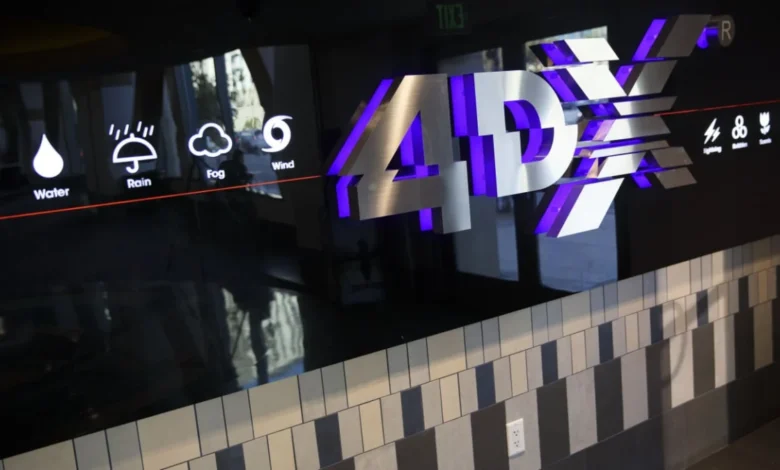
The 4DX experience utilizes motorized seats synchronized with the film’s action, capable of tilting, jarring, and vibrating in tandem with the movements of Odysseus’s trireme. Beyond motion, the theaters are equipped with environmental effects including high-velocity wind, water sprays, simulated fog, and even scents designed to mimic the salt air of the Aegean Sea. For many, this has turned a three-hour historical drama into what social media users are describing as a "survival experience."
The Social Media Reaction: From "Torture" to Standing Ovations
The digital discourse surrounding The Odyssey in 4DX has been characterized by a mix of awe and comedic hyperbole. On platforms like TikTok and X (formerly Twitter), videos of theater-goers emerging from screenings with disheveled hair and damp clothing have garnered millions of views. One viral TikTok, which reached over five million views within days, featured a creator jokingly warning audiences: "Whatever you do, DO NOT watch The Odyssey in 4DX!" despite the caption revealing she had seen it twice.
On Reddit, specifically within communities like r/RegalUnlimited and r/ChristopherNolan, the feedback has been more analytical. Users have noted that while the experience is intense, it is not constant. The 4DX programming team reportedly spent weeks ensuring that the effects were concentrated during the film’s most pivotal set pieces—such as the encounter with the Cyclops and the treacherous passage between Scylla and Charybdis—allowing for periods of "relative calm" during the dialogue-heavy scenes in Ithaca or Ogygia.
Despite some complaints of "back-wrecking" jolts during the final confrontation with the suitors, the general consensus suggests that the format adds a layer of empathy for the protagonist’s struggle. "It makes you realize how much that man went through," one user wrote. "By the time the credits rolled, my theater gave a standing ovation, partly because we were glad to be alive and partly because the immersion was just that good."

The Technical Artistry Behind 4DX Programming
Contrary to popular belief, the physical effects in a 4DX theater are not automated by AI or simple motion sensors. Each film undergoes a rigorous "coding" process conducted by specialized editors at CJ 4DPLEX. These programmers work frame-by-frame to determine the intensity of every jolt and the timing of every misting.
Paul Kim, an executive at CJ 4DPLEX, has previously emphasized that the goal of 4DX is to enhance the narrative rather than distract from it. For The Odyssey, this meant translating Nolan’s practical effects and sweeping cinematography into physical cues. When a storm hits Odysseus’s fleet on screen, the theater’s wind turbines and water jets work in concert with the tilting seats to simulate the pitch and yaw of a vessel in distress.
For viewers who find the water effects too intrusive, 4DX seats are equipped with a toggle switch to disable the spray. However, the motion and "back-tickler" effects—devices in the seat back that simulate impacts—are mandatory components of the seating architecture. This level of synchronization requires a high degree of technical maintenance; reports have surfaced of some theaters failing to deliver the full suite of effects, leading to isolated requests for refunds.
Format Wars: IMAX 70mm vs. 4DX
The rise of 4DX as a popular choice for The Odyssey highlights a shifting landscape in premium large-format (PLF) cinema. Christopher Nolan has famously advocated for IMAX 70mm, a format so rare that only 41 theaters worldwide are equipped to project it. These screenings often sell out months in advance, leaving many fans to seek alternative premium experiences.
| Format | Primary Appeal | Scarcity | Sensory Input |
|---|---|---|---|
| IMAX 70mm | Unparalleled visual detail and scale | Extremely High (41 theaters) | Visual/Auditory |
| Digital IMAX | Enhanced brightness and sound | Low (Widespread) | Visual/Auditory |
| 4DX | Physical immersion and environmental effects | Moderate (Major urban hubs) | Physical/Tactile/Olfactory |
| Dolby Cinema | Superior contrast and Atmos sound | Moderate | Visual/Auditory |
While IMAX focuses on the "purity" of the image, 4DX leans into the "experience" of the event. Industry analysts suggest that the success of The Odyssey in 4DX may signal a permanent shift in how blockbusters are marketed. "We are seeing a move toward ‘theme-park cinema,’" says media analyst Marcus Thorne. "For a film like The Odyssey, which is fundamentally a survival story, the physical toll of 4DX actually serves the story in a way that just looking at a big screen doesn’t."
Broader Implications for the Theatrical Industry
The popularity of 4DX screenings for The Odyssey comes at a time when the theatrical industry is struggling to differentiate itself from high-end home streaming setups. As home theaters become more advanced, studios are increasingly relying on "un-replicable" experiences to drive ticket sales.

The data supports this trend. During the opening weeks of The Odyssey, premium formats accounted for an estimated 45% of the total domestic box office, despite representing a small fraction of total screens. The 4DX screenings, in particular, have shown high "repeat-viewing" statistics, with fans returning to see if they can "survive" the screening with friends or to compare the experience to a standard viewing.
However, the trend is not without its critics. Some film purists argue that the intrusion of physical movement and environmental effects distracts from the nuances of acting and score. They contend that Nolan’s work is meant to be contemplated, not survived like a roller coaster. Nevertheless, the commercial reality is that 4DX has turned a three-hour historical epic into a viral "must-do" event for a younger demographic that might otherwise have waited for the film to arrive on streaming platforms.
Timeline of the Phenomenon
The journey of The Odyssey from a classical text to a 4DX sensation followed a distinct chronology:
- January 2026: Christopher Nolan announces the completion of The Odyssey, emphasizing the use of IMAX 70mm film.
- March 2026: CJ 4DPLEX begins the intensive coding process for the 4DX version, involving a team of 15 programmers.
- June 2026: Pre-sales for IMAX 70mm sell out within hours, forcing fans to look toward 4DX and Dolby Cinema.
- July 15, 2026: The Odyssey premieres globally.
- July 18, 2026: The first "4DX Survival" videos go viral on TikTok, showing audiences drenched after the "Poseidon’s Wrath" sequence.
- July 21, 2026: Social media engagement regarding 4DX reaches an all-time high, with "The Odyssey 4DX" trending globally.
Conclusion: The Future of the Cinematic Journey
As The Odyssey continues its theatrical run, the success of its 4DX presentation serves as a case study for the future of event cinema. By transforming a seated, passive observation into an active, physical trial, the format has successfully tapped into the digital culture’s desire for shareable, "extreme" experiences.
Whether one views it as a gimmick or the next evolution of storytelling, the impact is undeniable. For Odysseus, the journey home took ten years of fighting for his life against monsters and the elements. For modern audiences, that same struggle can be felt in under three hours—provided they are willing to endure the wind, the rain, and the occasional flying bucket of popcorn. As the industry looks forward, the question for major studios will no longer be just what the audience sees, but what they are prepared to feel.