Twitter Under Fire: Whistleblower Alleges Egregious Security Lapses and National Security Risks

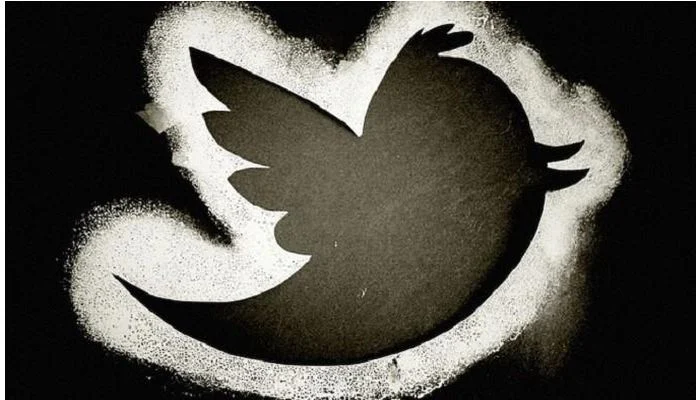
Twitter finds itself embroiled in a deepening controversy following explosive allegations from its former head of security, Peiter "Mudge" Zatko, whose comprehensive whistleblower report claims systemic security and privacy failures at the social media giant, potentially amounting to a severe national security risk. The 84-page document, filed with multiple U.S. government agencies in July 2022 and publicly surfaced in August, paints a grim picture of a company riddled with vulnerabilities, internal mismanagement, and alleged non-compliance with a crucial Federal Trade Commission (FTC) consent order designed to protect user data. Twitter has vehemently denied the accusations, dismissing Zatko as a "disgruntled employee" fired for poor performance, a narrative that has done little to quell the growing concerns among lawmakers and the public.
A Storm of Allegations from a Respected Figure
The core of the scandal revolves around the detailed claims made by Peiter Zatko, a cybersecurity luminary with a distinguished career spanning government roles at DARPA, senior positions at Google and Stripe, and a history as a renowned white-hat hacker. His reputation lends considerable weight to his allegations, making it difficult for Twitter to simply brush them aside. Zatko served as Twitter’s head of security for approximately 15 months, from late 2020 until his termination in January 2022. During his tenure, he claims to have uncovered a myriad of critical deficiencies that, he argues, exposed the platform’s vast user base and sensitive data to unacceptable risks.
Among the most alarming accusations detailed in his report are claims that Twitter deliberately downplayed its security vulnerabilities to its own board and to regulators. Zatko asserts that Twitter had a dangerously lax approach to managing internal access to user data, with far too many employees possessing broad access to sensitive information without proper oversight or logging. This lack of stringent internal controls, he suggests, made the company susceptible to data breaches and potential exploitation by malicious actors, including foreign intelligence services—an assertion that elevates the issue from a corporate governance problem to a national security concern.
Furthermore, Zatko’s report highlights alleged failures in Twitter’s infrastructure, citing outdated software, a significant portion of its servers running on vulnerable, unpatched systems, and a general inability to properly manage its vast IT environment. He also points to a culture where executive bonuses were reportedly tied to user growth metrics rather than security improvements, creating a perverse incentive structure that prioritized expansion over the fundamental safety of the platform. This alleged prioritization, according to Zatko, led to a systemic neglect of critical security updates and best practices. The whistleblower also alleged that Twitter struggled to effectively identify and remove spam and bot accounts, and that its executives were not incentivized to do so, a point that resonated particularly loudly given the ongoing legal battle between Twitter and Elon Musk over his abandoned acquisition bid, where bot accounts were a central dispute.
The Context of Regulatory Compliance
A significant element of Zatko’s report focuses on Twitter’s alleged non-compliance with a 2011 FTC consent order. This order stemmed from previous security breaches where hackers gained access to Twitter’s administrative controls, allowing them to send fake tweets from high-profile accounts and view private user data. Under the terms of this legally binding agreement, Twitter committed to establishing and maintaining a comprehensive information security program to protect user data. Zatko claims that, despite this order, Twitter was not only failing to meet its obligations but was actively misleading the FTC about its progress and capabilities.
The implications of non-compliance are severe. In May 2022, Twitter agreed to pay a $150 million penalty to settle charges with the FTC and the Department of Justice over allegations that it misused users’ phone numbers and email addresses, provided for security purposes, to target advertisements. This recent settlement underscores the FTC’s willingness to levy substantial fines for breaches of consent orders related to user privacy. Zatko’s allegations, if proven true, could lead to even more significant penalties and stricter oversight, potentially crippling the company’s operations and financial standing. The report suggests that Twitter’s security posture was so weak that it was essentially a "ticking bomb" waiting for a major incident, making its claims of compliance with the FTC order disingenuous at best.
A Timeline of Disclosure and Reaction
- Late 2020: Peiter "Mudge" Zatko is hired as Twitter’s head of security, reporting directly to the CEO. His mandate is to identify and rectify security vulnerabilities.
- January 2022: Zatko is terminated by Twitter, allegedly for poor performance and leadership. Zatko contends his dismissal was in retaliation for raising grave security concerns internally.
- July 2022: Zatko formally files his 84-page whistleblower disclosure with various U.S. government agencies, including the Securities and Exchange Commission (SEC), the Department of Justice (DOJ), and the Federal Trade Commission (FTC), as well as intelligence committees in Congress.
- August 2022: The whistleblower report becomes public, first reported by CNN and The Washington Post, sending shockwaves through the tech industry and political circles.
- August 23, 2022: Twitter’s CEO, Parag Agrawal, responds to the allegations in an internal memo to employees, calling Zatko’s claims a "false narrative that is riddled with inconsistencies and inaccuracies, and presented without important context." He asserts that Zatko was fired for "poor performance and ineffective leadership."
- August 23, 2022: Senator Richard Durbin (D-IL), Chairman of the Senate Judiciary Committee, issues a statement confirming the committee is investigating the whistleblower disclosure. Other lawmakers from both sides of the aisle signal their intent for further scrutiny.
Twitter’s Official Stance and Counter-Narrative
In response to the surfacing allegations, Twitter has adopted a defensive posture, primarily characterizing Zatko as a "disgruntled employee" seeking to harm the company. CEO Parag Agrawal’s internal memo to staff, which quickly found its way into the public domain, served as the company’s primary public rebuttal. In the memo, Agrawal attempted to reassure employees, stating that the company takes security and privacy seriously and has made significant strides in these areas. He suggested that Zatko’s claims were selectively presented and lacked crucial context, implying a malicious intent behind the disclosure.
Twitter’s official statements emphasize that the company has a robust, multi-faceted security program and that it continuously works to address and improve its cybersecurity posture. They maintain that Zatko’s assertions about widespread security failures are outdated or simply untrue. The company also highlighted that Zatko was a senior executive and had the authority to implement many of the changes he now claims were neglected, subtly shifting blame back to the whistleblower for any alleged shortcomings during his tenure.
Broader Impact and Implications
The fallout from Zatko’s allegations is multifaceted and far-reaching, impacting Twitter’s regulatory standing, corporate governance, public trust, and even its ongoing legal battles.
Regulatory Scrutiny and Potential Penalties: The most immediate consequence is the intensification of regulatory scrutiny. The FTC, having already fined Twitter for similar issues, is now under pressure to conduct a thorough investigation into the alleged non-compliance with its 2011 consent order. If Zatko’s claims are substantiated, Twitter could face unprecedented fines, potentially in the hundreds of millions or even billions of dollars, alongside stringent monitoring requirements that could significantly impact its operational autonomy. The SEC and DOJ will also scrutinize the claims regarding misleading statements to investors and potential fraud.
National Security Concerns: The accusation of foreign intelligence infiltration and lax internal controls poses a grave national security risk. Twitter is not merely a social media platform; it serves as a critical communication channel for world leaders, journalists, activists, and dissidents. If hostile state actors gained access to internal systems or sensitive user data, it could be used for espionage, disinformation campaigns, and political manipulation on a global scale. This aspect of the report is particularly concerning to intelligence agencies and lawmakers.
Erosion of User Trust: For a platform whose value is intrinsically linked to user engagement and trust, these allegations could be devastating. Users rely on Twitter to protect their data, privacy, and freedom of expression. If the public perceives that Twitter cannot adequately secure its platform, it could lead to a significant exodus of users, particularly those in sensitive professions or regions where online anonymity and security are paramount. This erosion of trust could have long-term reputational and financial consequences.
Corporate Governance and Accountability: The whistleblower report raises serious questions about Twitter’s corporate governance, specifically the oversight role of its board of directors and the accountability of its executive leadership. Zatko alleged that he repeatedly informed senior executives and the board about the severe security deficiencies, only to be largely ignored or actively misled. This could lead to shareholder lawsuits and calls for significant changes in the company’s leadership and board composition.
Impact on the Elon Musk Acquisition Saga: The timing of the report’s public release was particularly sensitive, coinciding with the heated legal battle between Twitter and Elon Musk over his attempt to back out of a $44 billion acquisition deal. Musk’s primary justification for abandoning the deal centered on allegations that Twitter had misrepresented the number of spam and bot accounts on its platform. While Zatko’s report primarily focuses on security and privacy, it does touch upon the issue of bot accounts, alleging that Twitter had little incentive to accurately measure and report them. This overlap could potentially bolster Musk’s legal arguments, though the direct impact on the court proceedings remains to be seen.
Industry-Wide Implications: Beyond Twitter, Zatko’s revelations could trigger broader discussions and reviews of cybersecurity practices across the tech industry. It serves as a stark reminder of the immense responsibility tech companies bear in protecting vast quantities of personal data and maintaining the integrity of digital infrastructure. Regulators and policymakers may look to this case as a catalyst for introducing more stringent cybersecurity regulations and greater transparency requirements for social media platforms.
As the investigations by various government agencies get underway, Twitter faces a challenging period of intense scrutiny. The credibility of Peiter Zatko, combined with the detailed nature of his 84-page report, ensures that these allegations will not be easily dismissed. The unfolding saga promises to be a pivotal moment for Twitter, potentially reshaping its operations, leadership, and its standing in the global digital landscape.
Related posts: