ZWO Seestar S30 Pro Review: A Game-Changing Evolution in Portable Smart Astrophotography

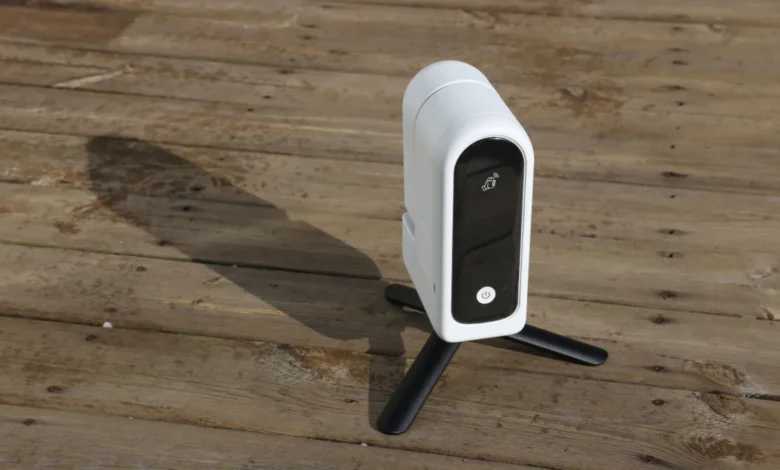
The ZWO Seestar S30 Pro represents a significant milestone in the rapidly evolving field of smart telescopes, offering a self-contained astrophotography system that is compact enough to fit in a standard camera bag while delivering high-resolution, 8.3-megapixel imagery of deep-sky objects. As the latest iteration in ZWO’s line of automated imaging devices, the S30 Pro seeks to bridge the gap between entry-level accessibility and the technical demands of advanced astrophotography. By integrating a quadruplet apochromatic refractor, a motorized mount, dual Sony sensors, and sophisticated image-processing software into a single, smartphone-controlled unit, the device has redefined the experience of urban astronomy. Within minutes of deployment, the system can autonomously align with the night sky, locate celestial targets, and begin stacking exposures to reveal the intricate details of galaxies, nebulas, and star clusters that are often invisible to the naked eye or traditional optical telescopes, particularly in light-polluted environments.
The Technological Shift in Modern Amateur Astronomy
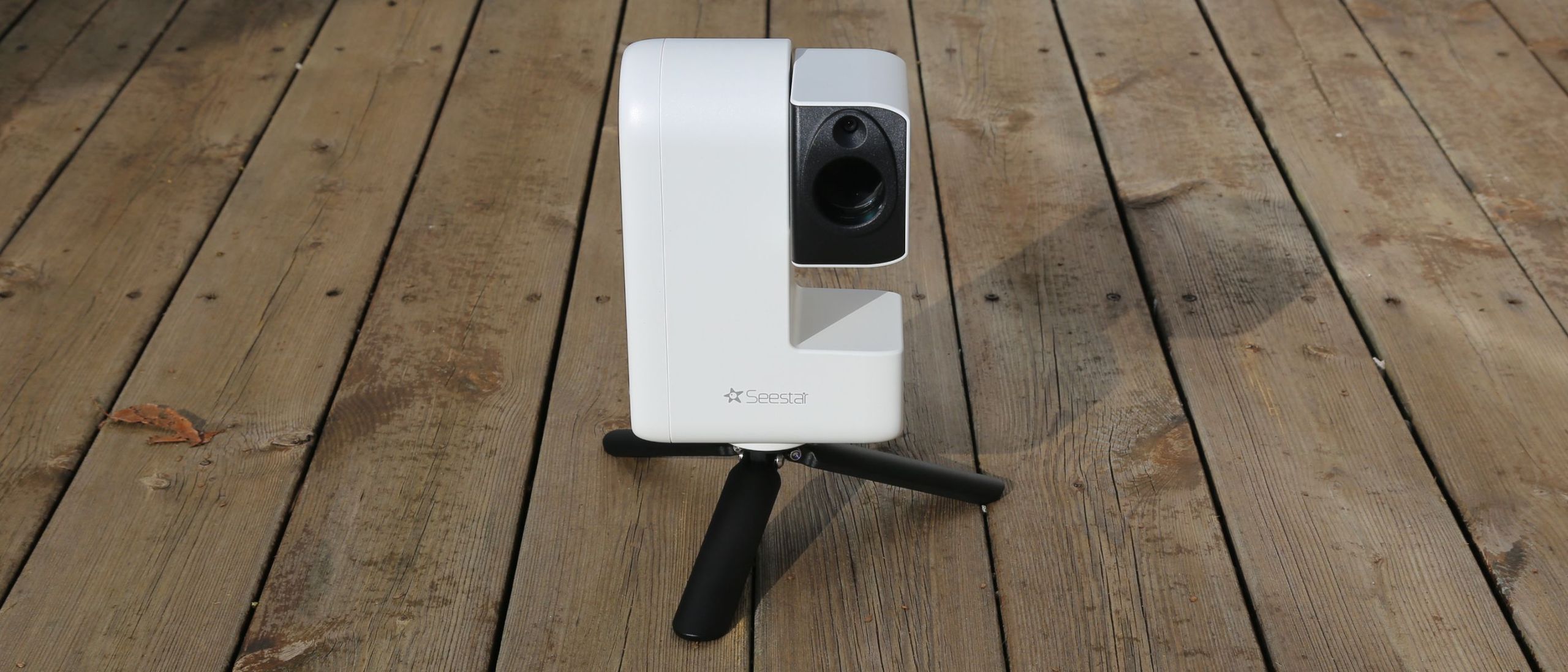
The emergence of smart telescopes has fundamentally altered the landscape of amateur astronomy over the last decade. Historically, capturing high-quality images of deep-sky objects required a steep learning curve, significant financial investment in modular equipment, and hours of manual calibration. Astronomers had to master polar alignment, guide-scope synchronization, and complex post-processing workflows. The Seestar S30 Pro simplifies this entire pipeline, positioning itself as a "grab-and-go" solution for both beginners and seasoned hobbyists who prioritize portability and ease of use.
What distinguishes the S30 Pro from its predecessors and competitors is its dual-camera architecture. While the primary telephoto camera, powered by the Sony IMX585 sensor, is dedicated to high-resolution deep-sky imaging, a secondary wide-angle camera utilizing the Sony IMX586 sensor assists in sky alignment and provides wide-field perspectives. This dual-sensor approach ensures that the device remains accurate in its "plate-solving"—the process of identifying star patterns to determine precise coordinates—while providing the user with a versatile range of imaging modes.
Chronology and Evolution of the Seestar Product Line
The journey toward the Seestar S30 Pro began with ZWO’s dominance in the dedicated astrophotography camera market. Known for their ASI series of cameras, ZWO recognized a growing demand for integrated systems that removed the barriers to entry for celestial imaging.
- The Rise of Electronically Assisted Astronomy (EAA): In the late 2010s, the concept of EAA began to gain traction, utilizing digital sensors to provide "near real-time" views of the cosmos.
- Launch of the Original Seestar Series: ZWO entered the smart telescope market with the aim of providing a more affordable alternative to premium brands. The original Seestar models focused on 2-megapixel resolution and basic automated tracking.
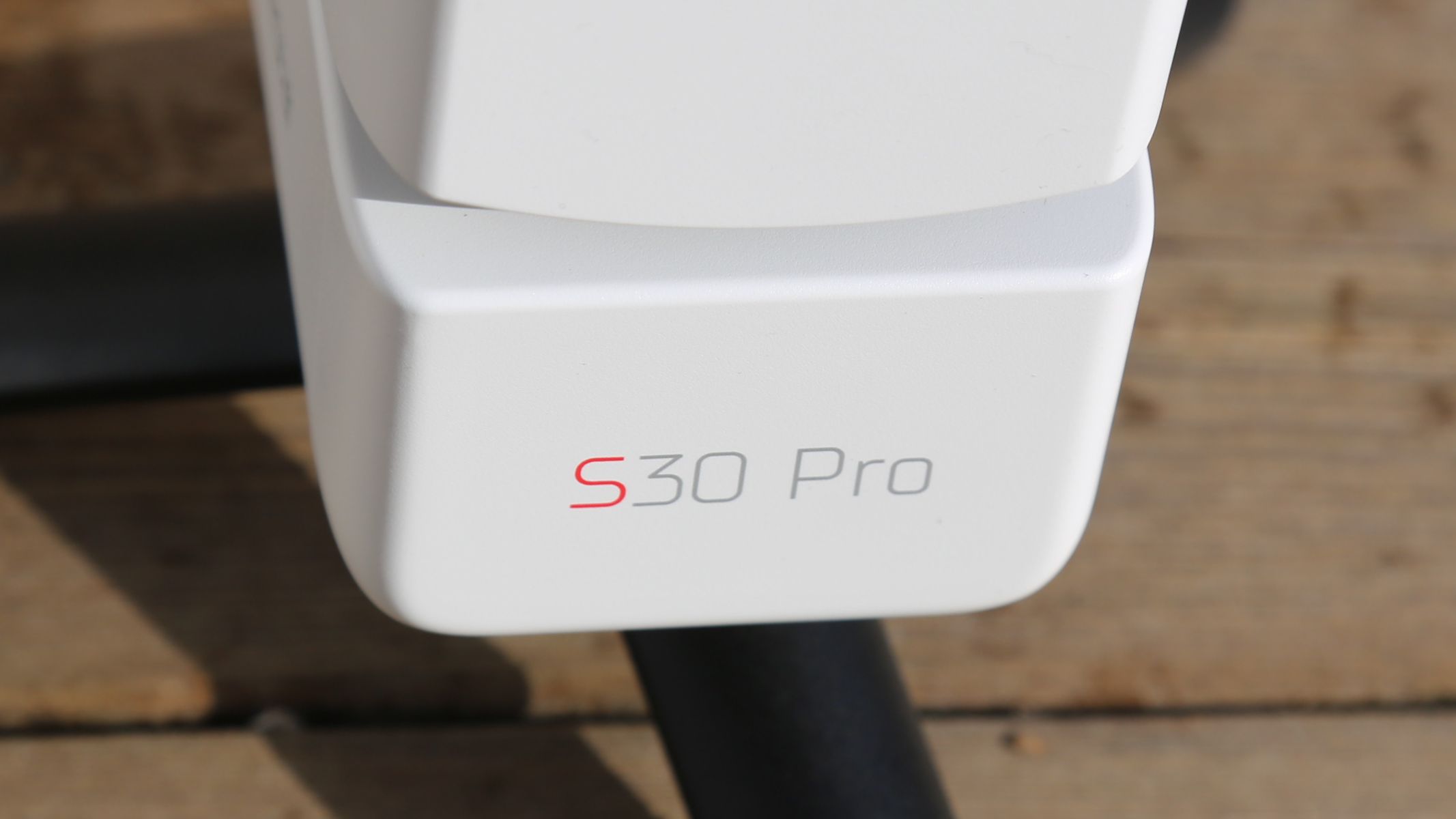
- The Pro Iteration: Following feedback from the global astronomical community, ZWO developed the S30 Pro to address the need for higher resolution (4K), better optical correction, and the ability to track in equatorial (EQ) mode.
- Integration of AI and Automation: The current era, marked by the S30 Pro, sees the inclusion of AI-driven denoising and automated "Plan" modes, allowing for unattended overnight imaging sessions.
Technical Specifications and Supporting Data
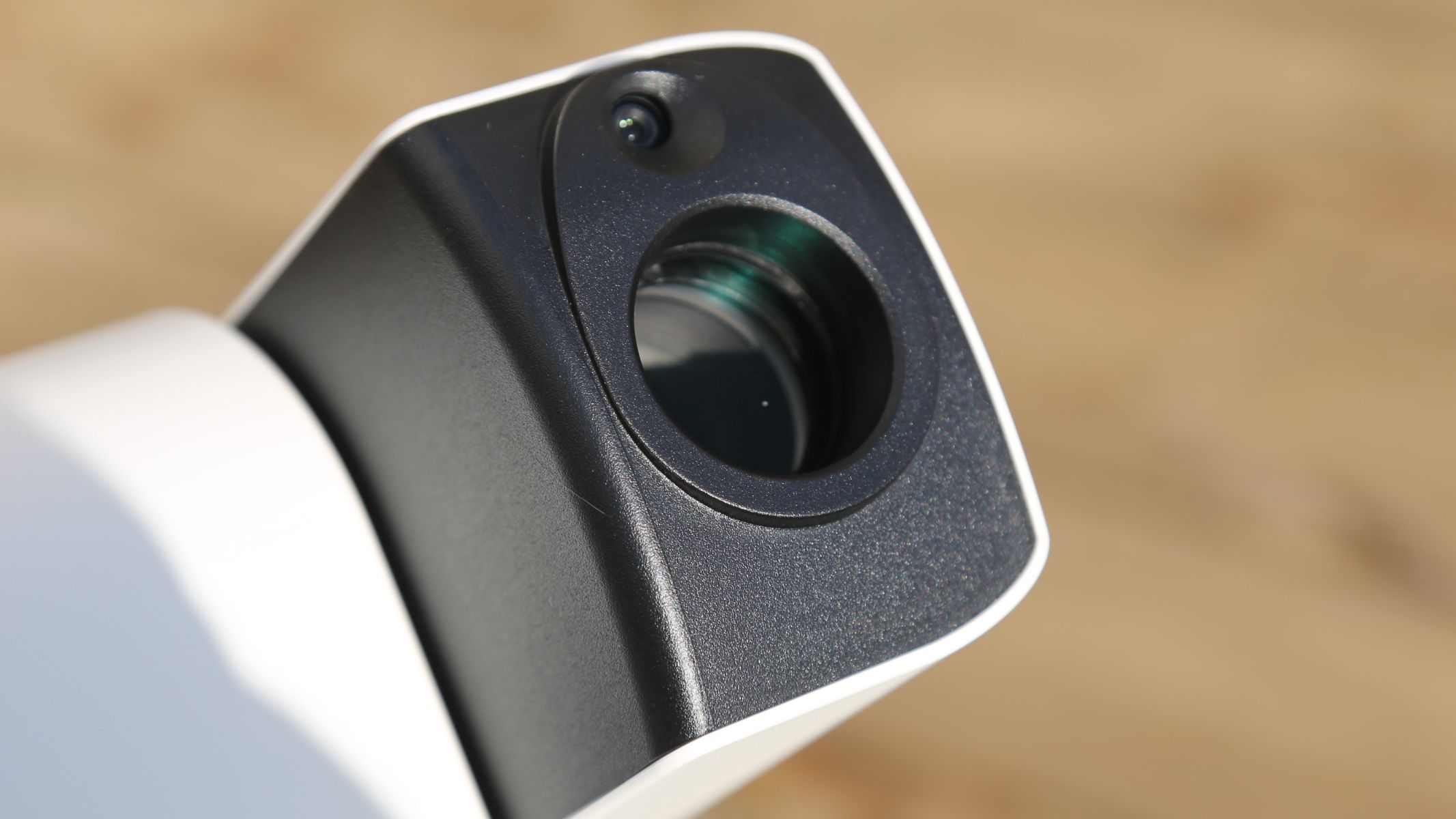
The S30 Pro is built around a sophisticated optical and electronic framework. Its 30mm (1.18 inches) aperture might seem small compared to traditional light-bucket telescopes, but its quadruplet apochromatic design—utilizing Extra-low Dispersion (ED) glass—virtually eliminates chromatic aberration, ensuring that stars remain sharp and color-accurate across the entire field of view.
Primary Optical and Imaging Data:
- Optical Design: Quadruplet apochromatic refractor.
- Focal Length: 160mm (f/5.3 focal ratio).
- Primary Sensor: Sony IMX585 (8.3MP / 3,840 x 2,160 resolution).
- Field of View: 4.6 degrees (Telephoto) / 63 degrees (Wide-angle).
- Storage: 128GB internal eMMC.
- Battery Life: Approximately 6 hours via a 6000 mAh internal battery.
- Weight: 3.6 lbs (1.65 kg), emphasizing its role as a travel-friendly instrument.
The inclusion of the Sony IMX585 sensor is particularly noteworthy. This back-illuminated sensor is known for its high sensitivity and low readout noise, making it ideal for capturing the faint photons of distant nebulas. Furthermore, the 8.3MP resolution allows for 4K output, providing enough detail for large-format digital displays and moderate printing.
Performance Analysis: Deep-Sky vs. Planetary Imaging
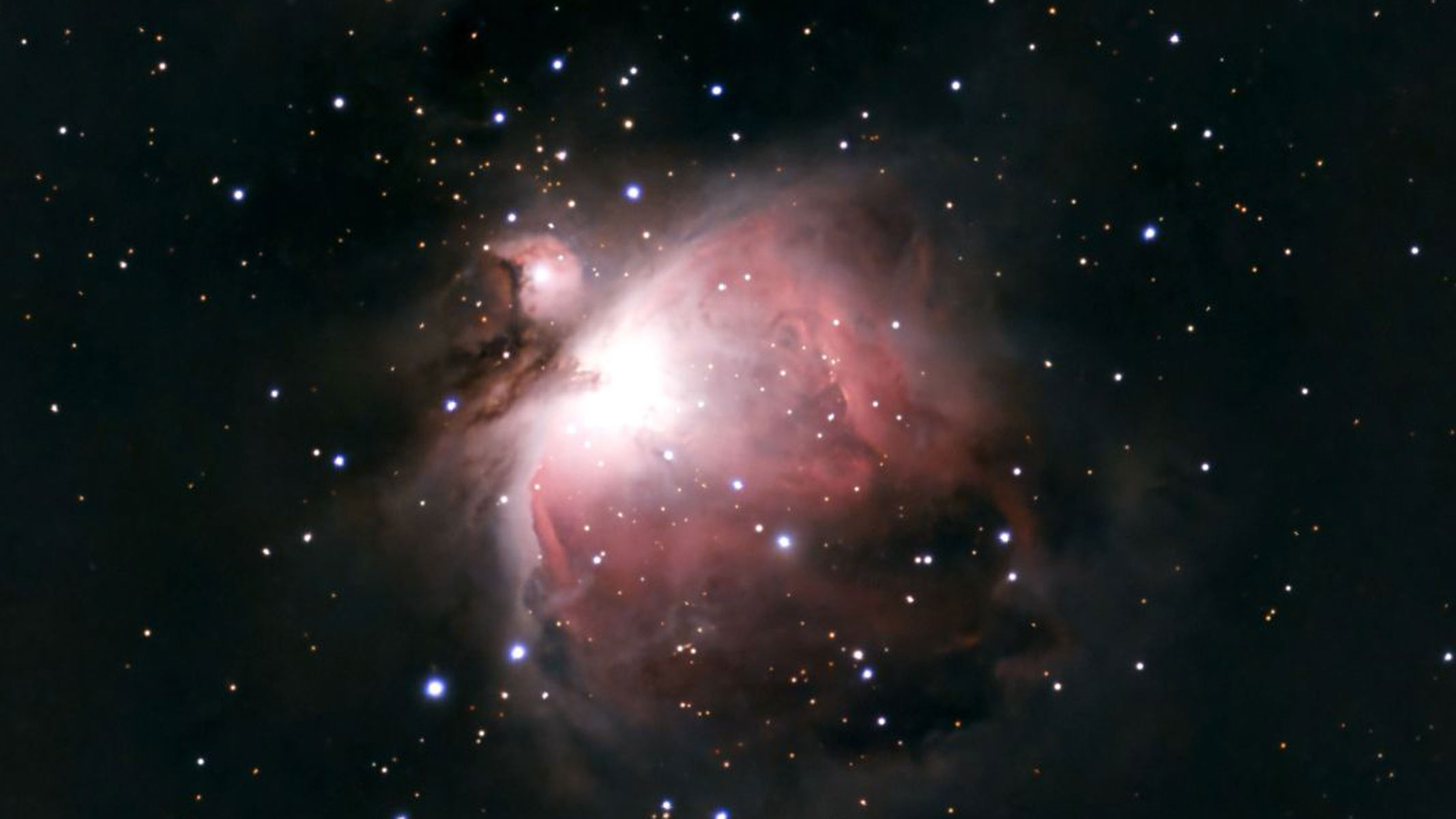
During field testing across various conditions—ranging from suburban Bortle 6 skies to pristine Bortle 2 dark-sky sites—the Seestar S30 Pro demonstrated a clear optimization for deep-sky objects (DSOs). The system’s ability to stack 10-second exposures in real-time allows it to overcome the limitations of light pollution. As the stack grows, the signal-to-noise ratio improves, revealing the spiral arms of the Whirlpool Galaxy (M51) or the vibrant gases of the Orion Nebula (M42).
However, the device’s performance in planetary imaging remains a secondary capability. Due to its short focal length, planets like Jupiter and Saturn appear relatively small in the frame. While the S30 Pro can successfully image the Galilean moons and the rings of Saturn, it lacks the magnification required for high-resolution planetary surface detail. The notable exception is the Moon; the S30 Pro produces exceptionally crisp lunar images, capturing craters and maria with professional-grade clarity.
Advanced Tracking and EQ Mode
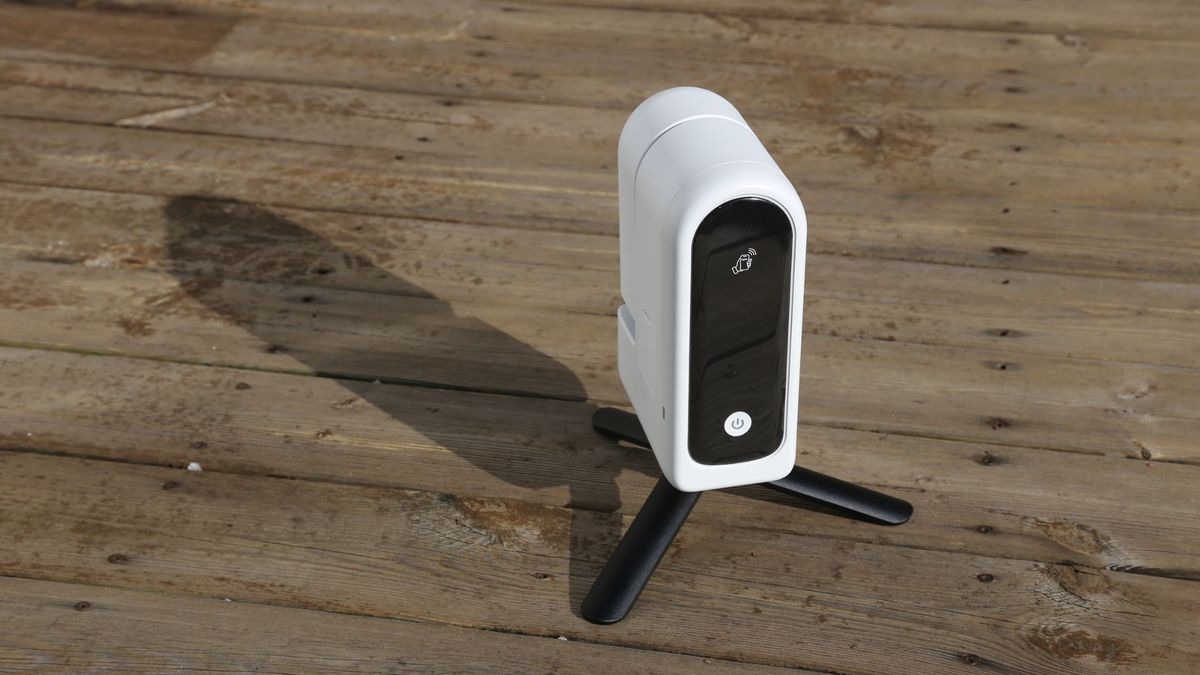
A significant upgrade in the Pro model is the support for Equatorial (EQ) mode. By using an optional fluid tripod head (such as the Seestar TH10), users can tilt the telescope to align with the Earth’s rotational axis. This allows for "Expert Mode" functionality, where exposure times can be extended up to 60 seconds. Longer exposures are critical for capturing the faintest details of distant star clusters, such as the Great Globular Cluster in Hercules (M13).
The Seestar App: A Digital Command Center
The functionality of the S30 Pro is inextricably linked to the Seestar smartphone application. This software serves as the telescope’s "brain," featuring a comprehensive sky atlas that identifies visible targets based on the user’s GPS location.
Key Software Features:
- Automated Plate Solving: The telescope takes a photo of the sky, compares it to an internal database, and confirms its orientation within seconds.
- Plan Mode: This feature allows users to schedule a sequence of targets. For example, a user can set the telescope to image a nebula at midnight and then automatically slew to a galaxy rising at 3:00 a.m., all while the user is asleep.
- Post-Processing Pipeline: The app includes a "Deep Sky Stack" feature and an AI-driven "Denoise" tool. For advanced users, the system supports FITS file export, allowing for manual processing in professional software like PixInsight or Adobe Photoshop.
Market Reactions and Expert Perspectives
Industry analysts and veteran astronomers have noted that the Seestar S30 Pro represents a "democratization" of astrophotography. While purists argue that digital stacking replaces the "romanticism" of looking through an eyepiece, the consensus is that smart telescopes are expanding the hobby to a younger, more tech-savvy demographic.
"The Seestar S30 Pro isn’t just a telescope; it’s a data collection tool for the masses," says one industry reviewer. "By removing the frustration of manual setup, it allows people to focus on the science and beauty of the objects they are capturing."
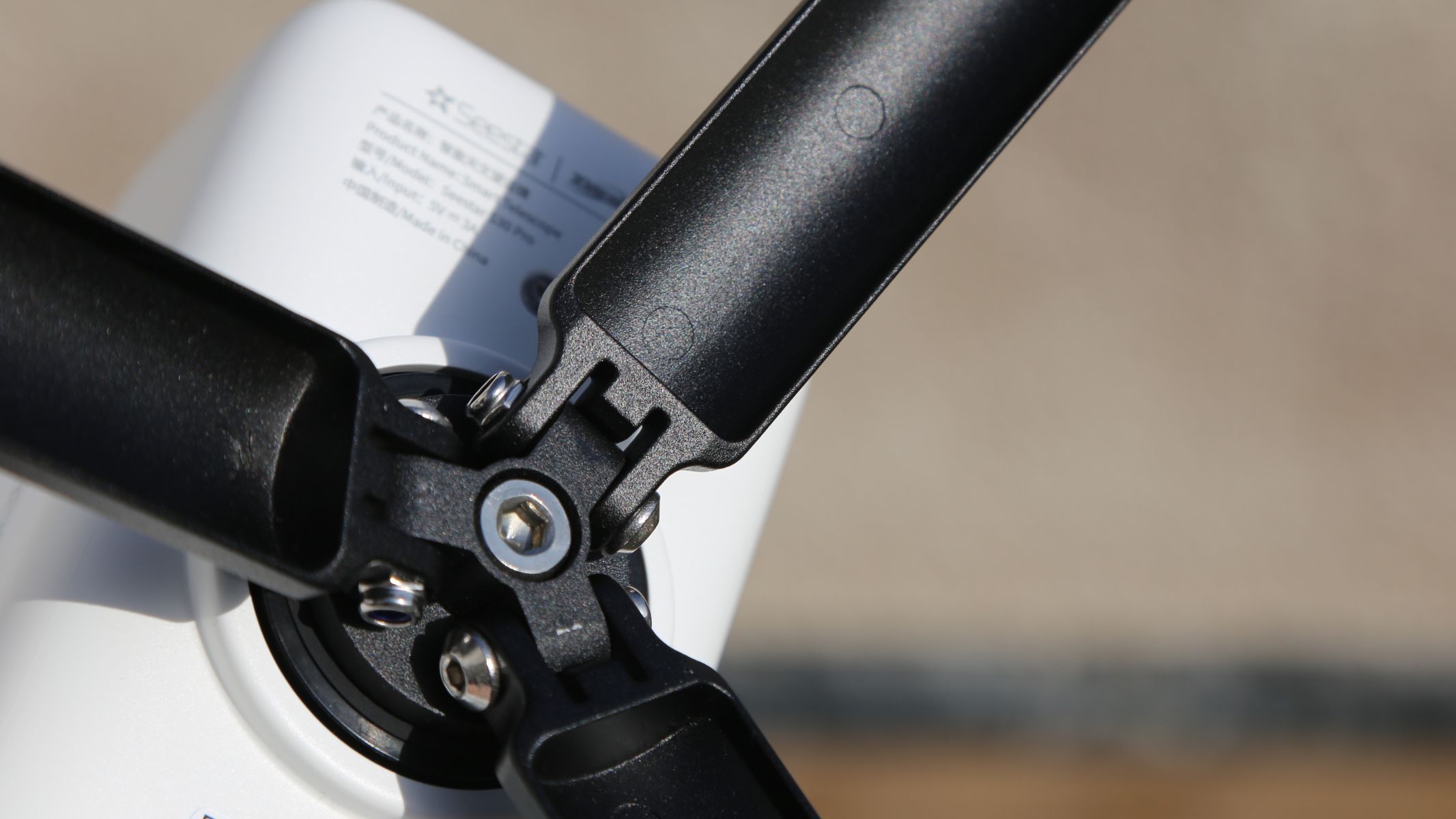
The competitive landscape also reflects this shift. While premium brands like Unistellar offer larger apertures and citizen science integrations, they often come at a price point five to ten times higher than the Seestar. ZWO has successfully carved out a niche by providing "good enough" optics and "excellent" software at a price point that makes it a viable gift or a secondary rig for serious astronomers.
Broader Impact and Future Implications
The success of the Seestar S30 Pro has broader implications for the future of citizen science and space awareness. As more of these devices enter the hands of the public, the sheer volume of celestial data being captured globally increases exponentially. ZWO’s community features allow users to share images and coordinates instantly, creating a global network of amateur observers.
Furthermore, the portability of the S30 Pro makes it an ideal tool for "eclipse chasers" and astro-travelers. As solar and lunar eclipses become major global travel events, the ability to pack a fully automated tracking telescope into a carry-on bag is a significant advantage.
In conclusion, the ZWO Seestar S30 Pro is a testament to the convergence of optical engineering and digital innovation. While it may not replace the high-end, stationary observatories used by professional astrophotographers, it provides an unprecedented entry point for the general public. Its combination of 4K resolution, automated workflow, and extreme portability ensures that the wonders of the deep universe are no longer reserved for those with the most expensive equipment or the most technical expertise. Whether operating from a light-polluted balcony in a major city or a remote dark-sky park, the S30 Pro delivers a window to the stars that is both clear and remarkably easy to open.