Tecno Pova 8 5G: A Comprehensive Review of its Endurance, Innovative Display, and AI-Driven Features in the Mid-Range Segment

The smartphone market, often perceived as saturated with incremental upgrades, occasionally sees devices that strive to differentiate themselves through unique features and aggressive value propositions. The Tecno Pova 8 5G stands as a notable contender in this regard, positioning itself as a robust mid-range offering that challenges conventional expectations with a colossal 8,000mAh battery, a distinctive Active Matrix display, and a suite of AI-enhanced functionalities. While its physical dimensions might be described as substantial, the phone’s design and feature set aim to deliver a compelling user experience that extends beyond mere specifications, appealing to users who prioritize longevity and novel interaction methods.
Design Philosophy and the Active Matrix Display

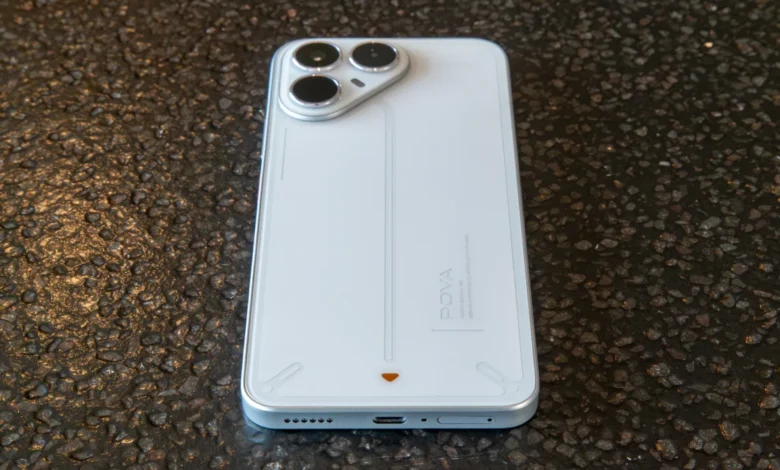
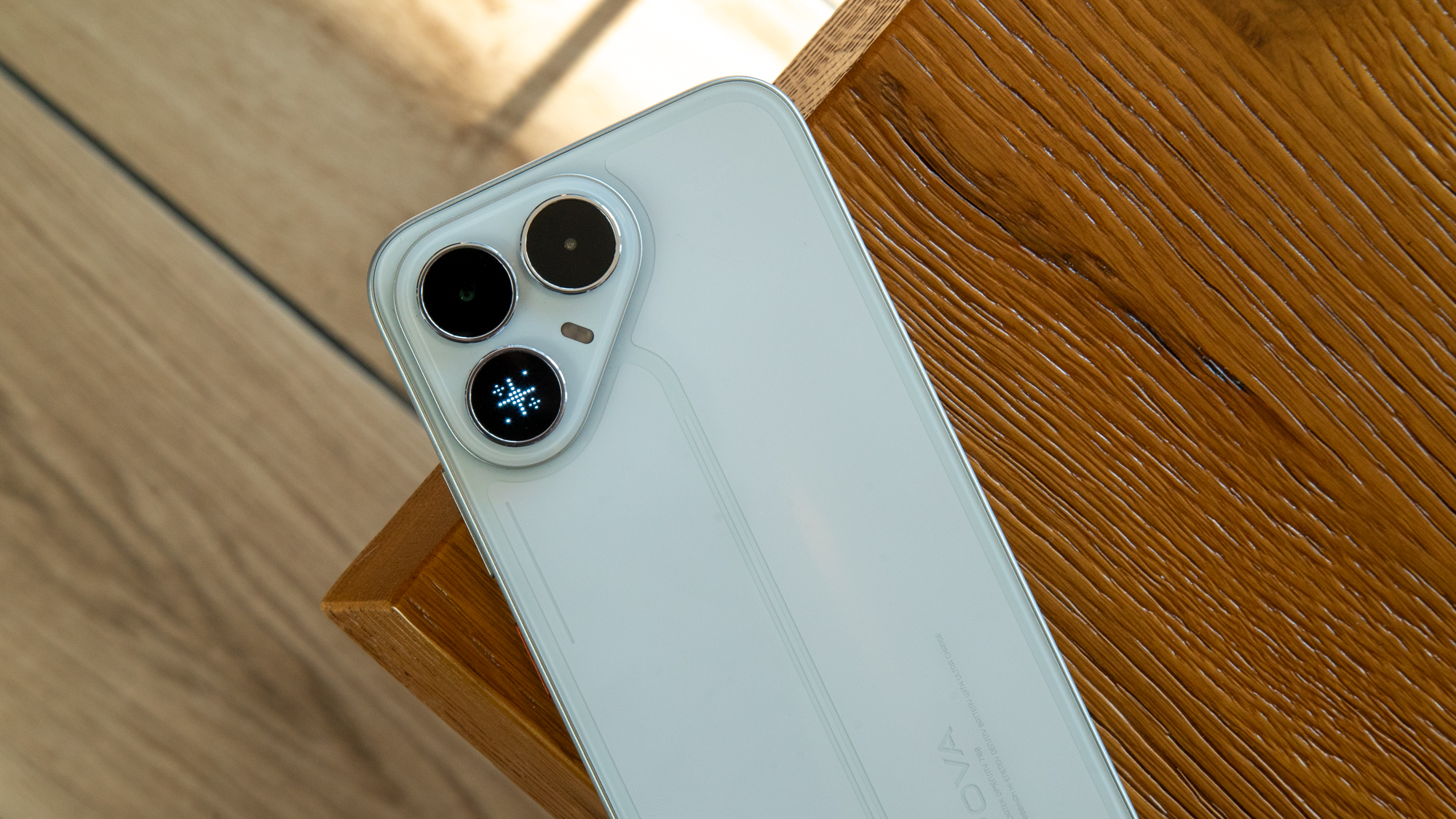
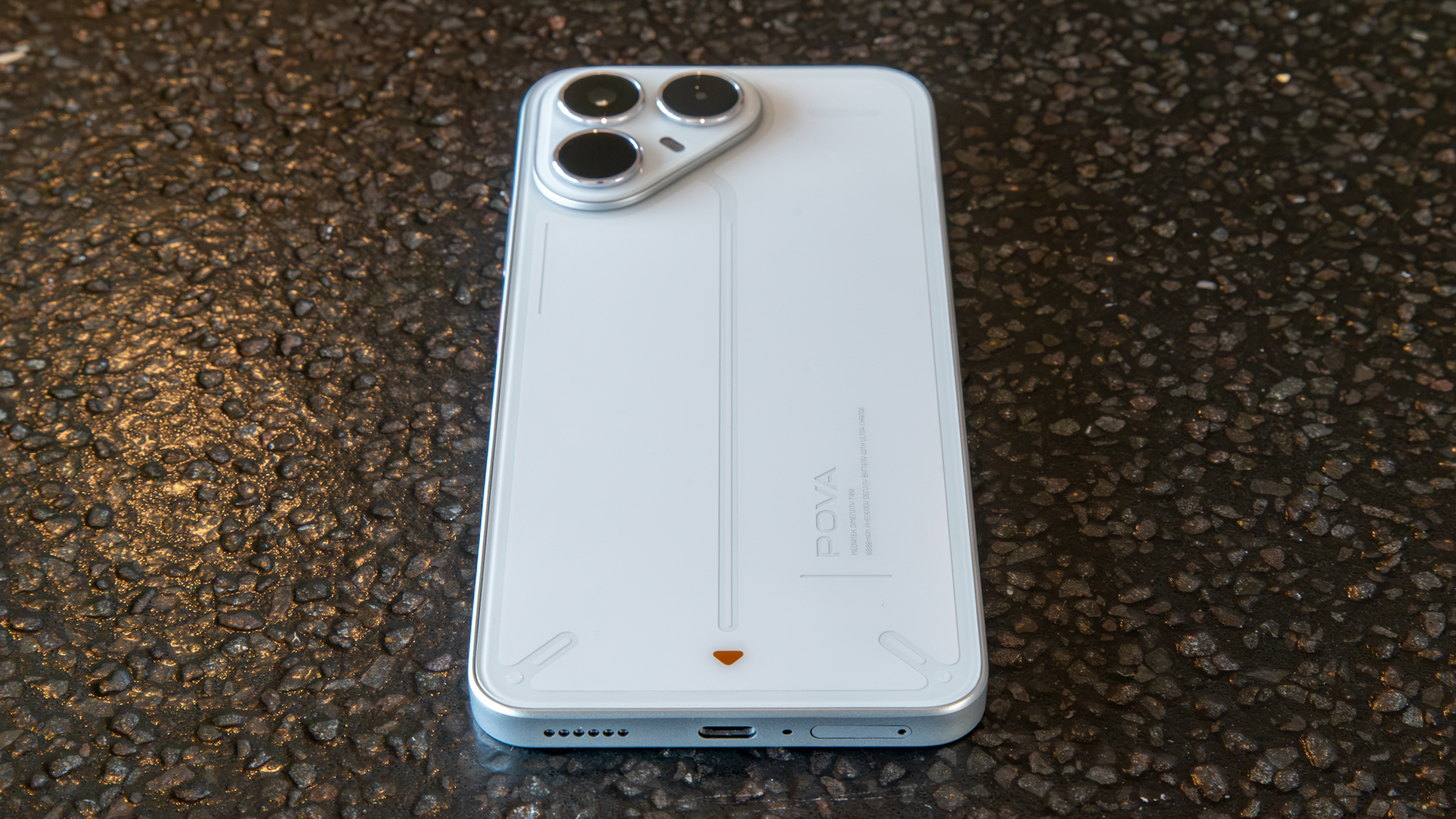
From an aesthetic standpoint, the Tecno Pova 8 5G immediately evokes comparisons with devices known for their distinctive rear panel illumination, particularly the Nothing Phone series. Tecno’s approach, while perhaps more understated than Nothing’s intricate Glyph Interface, achieves a similar effect through what it terms a "semi-transparent back cover" design. This design choice is most apparent in the Arctic White variant, offering a sleek yet noticeable visual appeal, with other color options providing even bolder expressions of this design language. The device’s physical presence is notable, measuring 165.7 x 78.5 x 8.8 mm and weighing 225g, a heft directly attributable to its expansive battery capacity. Despite its "chonky" character, its thickness is surprisingly comparable to some flagship devices, such as the Pixel 10, which is only marginally thinner at 8.6mm, albeit with a significantly smaller battery.
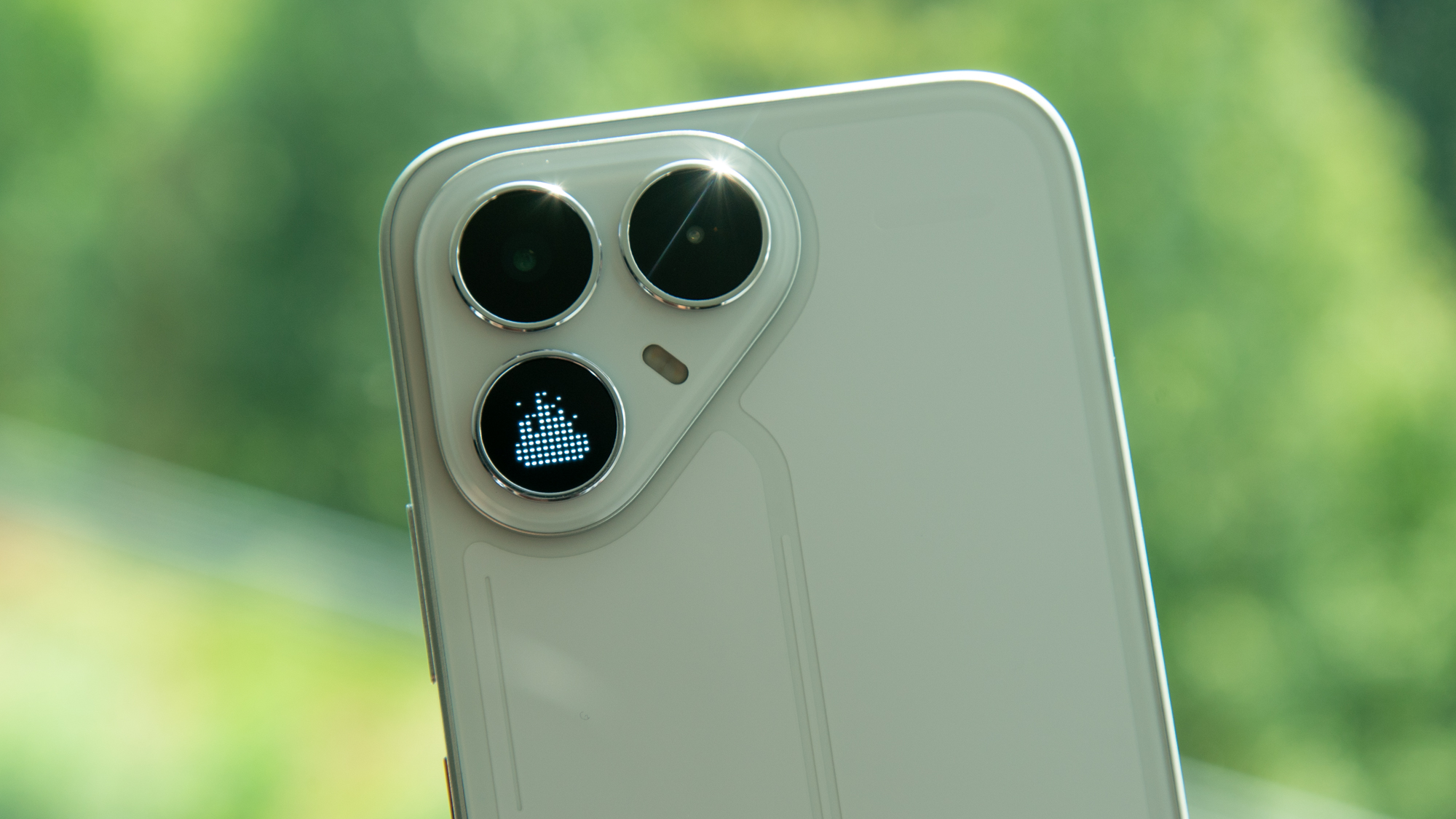
Central to the Pova 8 5G’s unique identity is its Active Matrix display, strategically integrated below a distinct triangular camera housing. This feature serves as a dynamic notification system, a modern evolution of the indicator LEDs once common on smartphones. The Active Matrix display offers a versatile array of visual cues, capable of signaling incoming notifications from popular applications like Instagram and Facebook Messenger. Beyond simple alerts, it provides functional feedback, such as indicating charging status and even displaying a mesmerizing moving waveform when music is played. A particularly intuitive feature allows the display to flash the current time when the phone is flipped face down, adding a layer of convenience and subtle interaction.
The customization options for the Active Matrix display are extensive, empowering users to select from a variety of pre-designed lighting effects or to craft their own unique patterns. Furthermore, control over brightness and duration ensures that the illumination can be tailored to individual preferences and environmental conditions. This innovative implementation has garnered significant positive attention from users, who frequently express surprise and intrigue at its functionality, with only a rare dissenting voice deeming it "excessive." The consensus, however, leans towards appreciating this blend of utility and character, elevating the Pova 8 5G beyond the often-homogenous landscape of contemporary smartphones. It represents a thoughtful reinterpretation of an old-school concept, injecting a fresh element of utility and personality into the device.
Performance and the HiOS 16 User Experience
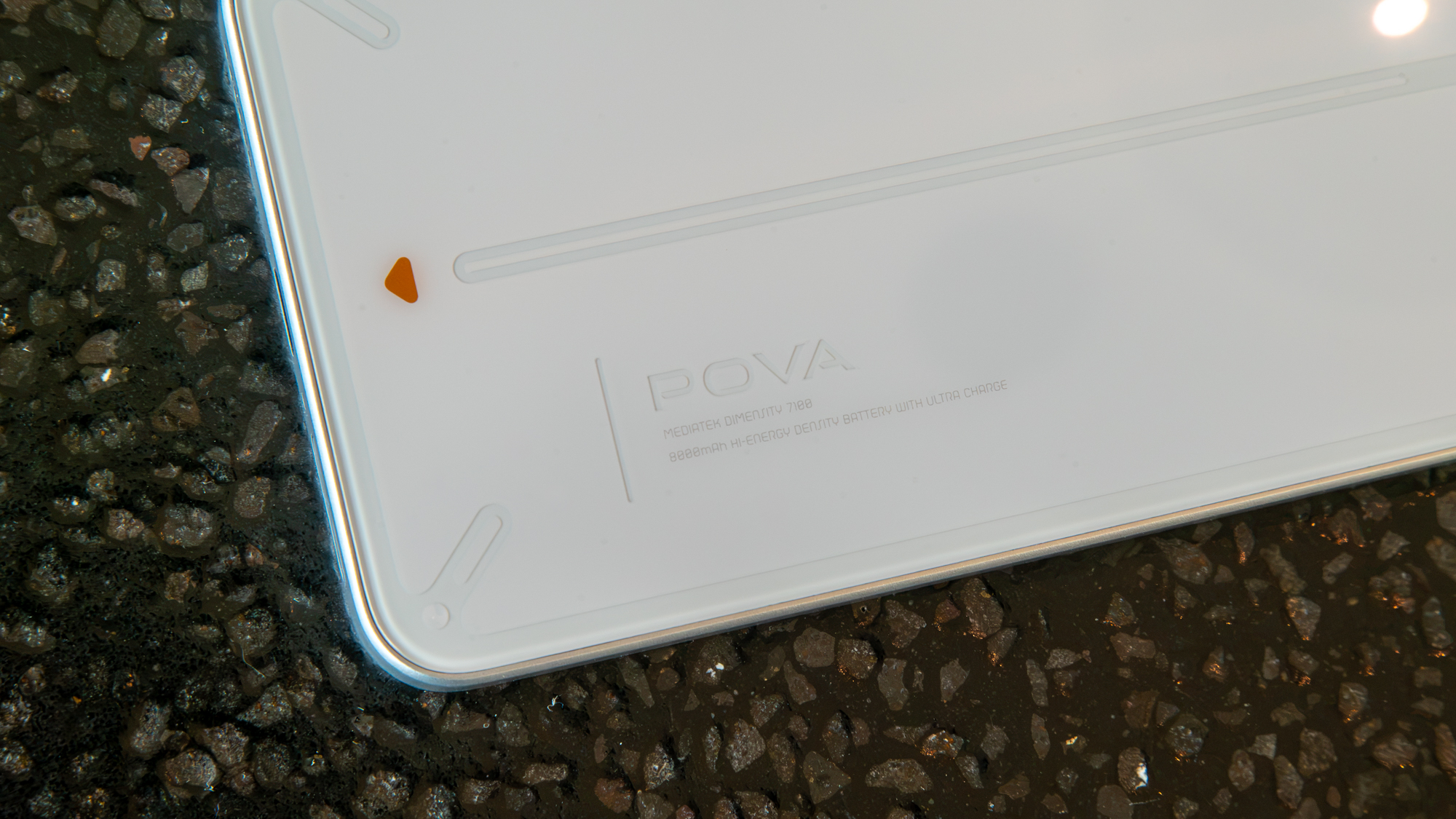
Underpinning the Tecno Pova 8 5G’s operation is the MediaTek Dimensity 7100 chipset, an octa-core processor designed to deliver competent performance in the mid-range segment. The Dimensity 7100, typically featuring a mix of powerful Cortex-A78 cores and efficient Cortex-A55 cores, coupled with a Mali-G68 GPU, is engineered for a balanced performance profile, handling daily tasks with surprising fluidity. With configurations offering 6GB or 8GB of RAM, the device navigates routine operations, app switching, and light multitasking smoothly. While it may not compete with flagship processors in raw computational power, its optimization for power efficiency and decent graphics rendering ensures a satisfactory experience for most users. Gaming, for instance, is reported to be adequate, especially when settings are not pushed to their absolute maximum, striking a balance between visual fidelity and frame rates. The slight delay in app opening, noted by reviewers, is a common characteristic of mid-range chipsets, but it does not significantly detract from the overall user experience.
The software experience is further enhanced by Tecno’s proprietary HiOS 16, built atop Android 16. HiOS is known for its extensive customization options and unique thematic elements. For the Pova 8 5G, Tecno has introduced a distinctive "Vision Art-style" theme, which injects a vibrant, gamer-centric aesthetic with prominent orange and black accents. This bold visual theme, initially perceived as potentially overwhelming, quickly grew on reviewers due to its cohesive application across the interface. While not every application icon is uniformly themed, a significant majority, including popular third-party apps like Instagram, are beautifully integrated into this design language. A dedicated widget on the home screen provides convenient access to the Active Matrix display settings, allowing users to effortlessly enable or customize its lighting effects. This thoughtful integration of hardware and software ensures that the phone’s unique features are easily accessible and manageable, contributing to a coherent and engaging user interface.
Advanced AI Features for Enhanced Productivity and Creativity
Tecno has aggressively integrated artificial intelligence into the Pova 8 5G, offering a suite of features designed to boost productivity and enhance media experiences. One standout innovation is "YouTube Notes," an intelligent feature that automatically generates an AI-powered summary whenever a user copies a YouTube video link. This summary includes key points and even highlights specific timestamps, allowing users to quickly grasp the video’s content without needing to watch it in its entirety. The feature operates seamlessly in the background, providing an invaluable resource for students, researchers, or anyone needing to quickly digest video content. Its subtle, on-demand nature ensures that it remains useful without being intrusive.
Beyond content summarization, the Pova 8 5G incorporates robust AI-driven image-editing capabilities within its Gallery application. These tools allow users to effortlessly remove common photographic imperfections such as lens flares, distracting shadows, and unwanted reflections. By leveraging sophisticated algorithms, these features enable users to clean up and enhance their photos directly on the device, democratizing advanced image editing for the average user.
The phone also features Ella, Tecno’s default AI chatbot, which is highly customizable and accessible through a unique double-tap gesture on the navigation bar. This intuitive activation method offers a quick way to interact with the AI assistant, a gesture that many would appreciate seeing adopted by other Android OEMs. A significant advantage of Ella is its flexibility to integrate with various leading AI models, including Google Gemini, Meta AI, Grok, and DeepSeek. This multi-model support allows users to choose the AI engine that best suits their needs, whether they prefer the conversational prowess of Gemini, the broader knowledge base of Grok, or the specialized capabilities of other models. Users can also set Gemini as their default AI, activating it through standard Android gestures such as swiping from the bottom corner or long-pressing the power button, ensuring familiarity for those accustomed to Google’s ecosystem.
Exceptional Battery Life and Charging Dynamics
The Tecno Pova 8 5G’s most compelling feature is arguably its extraordinary 8,000mAh battery. In an era where many smartphones struggle to last a full day on a single charge, this massive power cell delivers multi-day battery life, a claim that has been consistently validated through rigorous usage. Reviewers reported easily achieving two days of active use, with the potential to extend even further depending on individual usage patterns. This exceptional endurance makes the Pova 8 5G an ideal choice for power users, travelers, or anyone who frequently finds themselves away from charging points. The sheer capacity eliminates much of the "battery anxiety" common with modern devices.
While the battery capacity is impressive, the charging experience presents a trade-off. The device supports 45W wired charging, which on a typical 4,500mAh to 5,000mAh battery would be considered fast. However, when tasked with replenishing an 8,000mAh cell, 45W charging becomes relatively slower. While it’s certainly not sluggish, users accustomed to ultra-fast charging speeds on smaller batteries might notice the extended time required for a full charge. Despite this, the benefit of multi-day use often outweighs the minor inconvenience of longer charging cycles. Furthermore, the Pova 8 5G offers 10W reverse wired charging, effectively allowing it to function as a power bank for other devices. This feature, while not designed for rapid charging of other gadgets, can be a lifesaver in emergency situations, further enhancing the phone’s utility as a reliable companion.
Camera Capabilities and Multimedia Experience
The camera system on the Tecno Pova 8 5G, while functional, represents one of the areas where the device adheres more strictly to its mid-range positioning. It features a 50MP wide primary camera, capable of capturing decent photos under optimal lighting conditions. Images produced exhibit satisfactory contrast and color reproduction, making them suitable for casual photography and social media sharing. However, a common characteristic of mid-range sensors, a slight fuzziness in images and a noticeable loss of fine detail, is present. This can be attributed to factors such as sensor size, lens quality, and image processing algorithms, which are often less sophisticated than those found in premium smartphones.

The Pova 8 5G’s reliance on a single primary camera limits its versatility compared to multi-lens setups that offer ultra-wide or telephoto options. While a 2x lossless zoom is achievable, pushing the zoom further quickly degrades image quality, resulting in pixelation and a significant loss of detail. The front-facing camera, a 13MP wide sensor, provides adequate performance for selfies and video calls, consistent with expectations for its price point.
In terms of video recording, the Pova 8 5G does not support 4K capture, a feature increasingly common even in some budget devices. However, it compensates by offering 2K (2560×1440) video recording at 30 frames per second, a commendable inclusion for a mid-range phone. This resolution provides a noticeable step up in clarity compared to standard 1080p, offering a good balance between file size and visual quality. The camera software also includes a range of creative features, such as Live Photos, which capture a brief moment before and after a shot, and Auto Capture, which intelligently takes photos based on detected smiles or gestures. A particularly engaging feature is the "Vlog" mode, which offers various templates to help users create stylized video journals, making video creation more accessible and fun.
Durability and Market Positioning

Beyond its internal specifications and unique features, the Tecno Pova 8 5G also boasts respectable durability credentials. It carries an IP64 rating, indicating protection against dust ingress and splashes of water from any direction. While not fully waterproof, this level of protection offers peace of mind against everyday spills and environmental exposure. Additionally, the device is certified with MIL-STD-810H, a military standard that signifies resilience against a range of environmental stresses, including drops, vibrations, and extreme temperatures. These certifications underscore Tecno’s commitment to building a robust device that can withstand more than typical daily wear and tear, enhancing its appeal to users who require a more rugged phone.
The Tecno Pova 8 5G enters a highly competitive mid-range market, particularly in regions like India where it is priced at approximately $400. Its target audience appears to be users who prioritize long battery life, a distinctive user interface, and value-added AI features over cutting-edge camera performance or flagship-tier processing power. In this segment, it directly competes with devices such as the Nothing Phone 4a Pro, which offers a comparable, albeit less powerful, illuminated rear design. The reviewer suggests that if the Nothing Phone 4a Pro is available in a user’s market and its slightly shorter battery life is acceptable, it might be a preferable alternative due to its overall ecosystem and potentially more refined software experience. However, for consumers in markets where the Pova 8 5G is sold, and who value its exceptional battery life, unique Active Matrix display, and comprehensive AI suite, it presents a compelling and affordable option. It serves as a strong testament to Tecno’s strategy of carving out a niche by focusing on specific, desirable features that enhance the overall user experience without dramatically inflating the price.
Conclusion
The Tecno Pova 8 5G emerges as a well-rounded and intriguing offering in the mid-range smartphone landscape. While it may not break new ground in every aspect, its combination of a truly massive 8,000mAh battery providing multi-day endurance, a visually engaging and customizable Active Matrix display, and a rich array of AI-powered features sets it apart. The MediaTek 7100 chipset delivers reliable daily performance, complemented by the distinctive HiOS 16 interface. Although the single 50MP camera system offers acceptable results in good lighting but lacks versatility and struggles with fine detail, its 2K video recording and creative modes add value. With robust IP64 and MIL-STD-810H durability ratings, the Pova 8 5G is built to last. For users in its target markets seeking an affordable phone that prioritizes exceptional battery life and a unique, interactive design, the Tecno Pova 8 5G presents a solid and characterful choice, challenging the notion that mid-range phones must be mundane.