Cloud Cost Optimization Adapts in the Age of AI, Offering Best Practices for Managing Spend, Improving Efficiency, and Maximizing Value

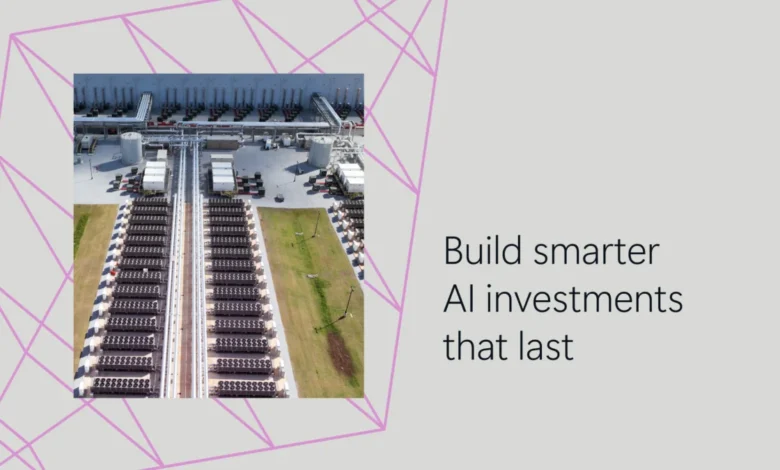
The dynamic landscape of cloud computing is undergoing a significant transformation with the rapid integration of Artificial Intelligence (AI), presenting both unprecedented opportunities and complex challenges for cost management. As organizations increasingly leverage AI-powered workloads, the strategic imperative of cloud cost optimization has become more critical than ever. This evolution demands a nuanced approach, moving beyond traditional cost-saving measures to encompass the unique demands of AI, ensuring that investments in this transformative technology deliver sustainable value and efficiency.
This exploration delves into the evolving strategies for cloud cost optimization, with a particular focus on how the rise of AI is reshaping these practices. It provides actionable guidance for organizations aiming to control burgeoning cloud expenditures, enhance operational efficiency, and ultimately maximize the return on their cloud and AI investments. This article is part of a comprehensive series dedicated to Cloud Cost Optimization, designed to equip leaders with the knowledge to plan, design, and manage AI initiatives for long-term success.
The Enduring Importance of Cloud Cost Optimization
Cloud cost optimization remains a paramount concern for businesses of all scales. As cloud footprints expand and workloads scale exponentially, executives face relentless pressure to curb spending, eliminate waste, and guarantee the efficient utilization of resources. What was once considered a secondary operational consideration has matured into a strategic capability directly influencing business performance, resilience, and long-term growth trajectories. The inherent consumption-based pricing model of cloud platforms necessitates continuous attention, as costs are inextricably linked to resource usage rather than mere deployment. This makes cost optimization a perpetual endeavor, requiring constant adaptation to evolving environments, shifting workloads, and the introduction of new services.
Organizations that prioritize cloud cost optimization reap significant benefits. These include:
- Enhanced Financial Predictability: A clear understanding and control over cloud spending allows for more accurate budgeting and financial forecasting, mitigating the risk of unexpected cost overruns.
- Improved Resource Allocation: By identifying and eliminating underutilized or overprovisioned resources, organizations can reallocate funds to more critical areas, driving innovation and strategic initiatives.
- Increased Operational Efficiency: Streamlining cloud resource usage leads to better performance and reliability, ensuring that applications and services function optimally.
- Greater Competitive Advantage: By operating more leanly and efficiently in the cloud, organizations can free up capital and resources to invest in product development, market expansion, and other growth-driving activities.
- Accelerated Innovation Cycles: When cost is not a prohibitive barrier, teams are empowered to experiment more freely with new technologies and solutions, including AI, fostering a culture of innovation.
As cloud environments grow in complexity, spanning multiple services, regions, and intricate architectures, the necessity for structured cloud cost management and optimization intensifies. For organizations operating within the cloud ecosystem, this elevates cost optimization from an operational afterthought to a foundational capability.
AI’s Impact on Traditional Cost Optimization Strategies
The advent of AI workloads introduces a new dimension of cost dynamics that can challenge conventional cloud cost optimization approaches. While many fundamental principles remain relevant, the accelerated pace and inherent variability of AI usage amplify the need for robust cost governance.
AI workloads are characterized by several factors that necessitate a revised approach to cost management:
- Intensive Computational Demands: Training large language models (LLMs) and complex AI algorithms often requires significant computational power, including specialized hardware like GPUs, which can incur substantial costs. For instance, training a single large AI model can cost millions of dollars in compute time alone.
- Variable and Spiky Usage Patterns: Unlike traditional enterprise applications with more predictable usage, AI workloads, especially those involving real-time inference or iterative training, can exhibit highly variable and unpredictable demand. This makes precise resource provisioning a significant challenge.
- Data Storage and Processing: AI applications are data-intensive. The ingestion, storage, processing, and movement of vast datasets required for AI models contribute significantly to cloud expenditure. The proliferation of data lakes and data warehouses for AI necessitates careful management of storage costs.
- Experimentation and Iteration: The nature of AI development often involves extensive experimentation and iterative refinement. While crucial for innovation, this can lead to significant spending on trial-and-error processes if not managed effectively. A single research project might spin up and tear down numerous virtual machines and specialized services over a short period.
- Specialized Services: AI development often relies on specialized cloud services for machine learning platforms, data annotation, model deployment, and MLOps. While these services offer powerful capabilities, their pricing structures can be complex and require careful understanding to avoid unexpected costs.
These factors underscore why cloud cost optimization is not merely an option but a critical necessity in AI-powered environments. Without proactive management, the potential for runaway costs associated with AI initiatives can quickly overshadow their projected benefits.
Best Practices for Optimizing Cloud and AI Workloads
While technological advancements introduce new complexities, many core cloud cost optimization best practices remain universally applicable. The key lies in their continuous application and adaptation to the unique patterns of modern usage, particularly those driven by AI.
1. Visibility and Usage Awareness: The Foundation of Control
Effective cost optimization begins with a profound understanding of resource consumption. Organizations must cultivate clear insight into usage patterns across their entire cloud environment, encompassing all workloads and services. This granular visibility is the bedrock upon which both general cloud cost management and specific AI cost management strategies are built. Tools that provide real-time dashboards, detailed billing breakdowns, and the ability to tag resources by project, team, or workload are indispensable. For AI workloads, this includes tracking the consumption of specialized compute instances, data storage tiers, and API calls to AI services.
2. Governance Guardrails: Preventing Unnecessary Spend Proactively
Guardrails are essential for preempting unnecessary expenditure before it occurs. These can manifest as usage boundaries, policy-driven controls, and standardized approaches that foster efficient resource consumption without stifling innovation. Implementing these guardrails requires a collaborative effort between finance, engineering, and operations teams. For AI, this might involve setting budgets for specific research projects, establishing quotas for GPU usage, or implementing automated policies to shut down idle training environments. Strong governance is fundamental to achieving sustainable cost optimization as cloud environments scale and AI initiatives mature.
3. Rightsizing and Lifecycle Thinking: Matching Resources to Demand
Workloads are not static; they evolve over time. Resources that were adequate during the development phase might prove inefficient in production, or vice versa. Rightsizing—the process of selecting the most appropriate instance types and sizes for workloads—and adopting a lifecycle perspective are crucial for ensuring that resources precisely match actual needs at every stage. This is vital for optimizing cloud costs over the long term. For AI, this means continually assessing the computational needs of deployed models, optimizing inference servers, and ensuring that data storage is tiered according to access frequency and retention policies.
4. Continuous Review and Iteration: Adapting to Change
Cloud cost optimization is not a set-it-and-forget-it exercise. It is an ongoing process that demands regular review cycles. These cycles enable teams to adapt to shifting usage patterns, the introduction of new workloads, and evolving business priorities, particularly as AI solutions transition from experimental phases to full-scale production. Establishing a cadence for cost reviews, involving stakeholders from various departments, ensures that optimization efforts remain relevant and effective. This iterative approach allows for the timely identification of emerging cost drivers and the implementation of corrective actions.
These foundational best practices are equally applicable whether an organization is optimizing traditional applications, robust data platforms, or large-scale AI workloads.
Distinguishing Cloud Cost Management from Cost Optimization
While closely intertwined, cloud cost management and cloud cost optimization are distinct yet complementary disciplines.
Cloud Cost Management focuses on the foundational aspects of tracking, reporting, and understanding cloud spend. It answers critical questions such as:
- What are our current cloud expenditures?
- Which services or projects are consuming the most resources?
- How is our spending trending over time?
- What are the primary cost drivers within our cloud environment?
- Are there any anomalies or unexpected spikes in spending?
Cloud Cost Optimization, conversely, is driven by action and informed decision-making. It builds upon the insights provided by cost management to determine:
- Where can we reduce unnecessary spend without impacting performance?
- How can we rightsize our resources to match actual demand?
- Which pricing models or reserved instances would offer the most significant savings?
- Are there opportunities to leverage more cost-effective services or architectural patterns?
- How can we automate cost-saving measures?
Organizations require both. Cloud cost management provides the essential visibility and insights, while cost optimization translates that visibility into concrete actions that enhance efficiency, scalability, and resilience, especially in environments heavily reliant on AI.
Measuring Value Alongside Cloud Cost Optimization
The ultimate objective of cloud cost optimization extends beyond merely reducing expenditure. The true goal is to ensure that cloud and AI investments deliver sustainable, tangible value over time. Effective cost optimization strikes a delicate balance between efficiency and desired outcomes. This necessitates a consideration of how resources contribute to workload performance, reliability, and long-term viability, rather than solely focusing on minimizing spend.
For AI workloads, this equilibrium is particularly crucial. While experimentation and innovation are vital for unlocking the full potential of AI, these efforts must be conducted within a framework of responsible financial management. A value-driven approach to managing cloud costs ensures that optimization efforts support growth and strategic objectives, rather than acting as a constraint. By measuring efficiency in conjunction with the business value derived from cloud and AI initiatives, organizations can avoid short-term savings that could jeopardize long-term success.
Looking Ahead: Next Steps for Cloud Cost Optimization on Azure
Microsoft Azure offers a comprehensive suite of resources designed to empower organizations in managing and optimizing their cloud and AI costs over time. These tools and services are engineered to provide the necessary visibility, governance, and optimization capabilities to navigate the complexities of modern cloud environments.
To gain deeper insights into best practices and curated resources that support cost optimization across both traditional cloud workloads and cutting-edge AI initiatives, organizations are encouraged to explore the dedicated solutions pages. These platforms often provide detailed guides, case studies, and access to specialized tools.
For a more profound understanding of related topics, such as leveraging AI for operational efficiency or implementing robust financial governance in cloud environments, further resources may be beneficial. These often include white papers, webinars, and expert-led training sessions.
The journey of cost optimization is a continuous one, gaining even greater significance as AI adoption accelerates. By adhering to enduring principles, maintaining ongoing visibility, and exercising diligent control, organizations can scale their cloud and AI investments responsibly, ensuring that they maximize long-term value and achieve their strategic objectives.
To delve deeper into this critical subject, the "Cloud Cost Optimization" series offers a wealth of best practices and guidance on optimizing cloud and AI investments for lasting business impact. For those who may have missed previous installments, exploring the archives of this series can provide a comprehensive understanding of the evolving strategies in this vital domain.