Apple Unveils Foldable iPhone Duo and Next-Generation Ecosystem at Landmark Surprise and Shine Event

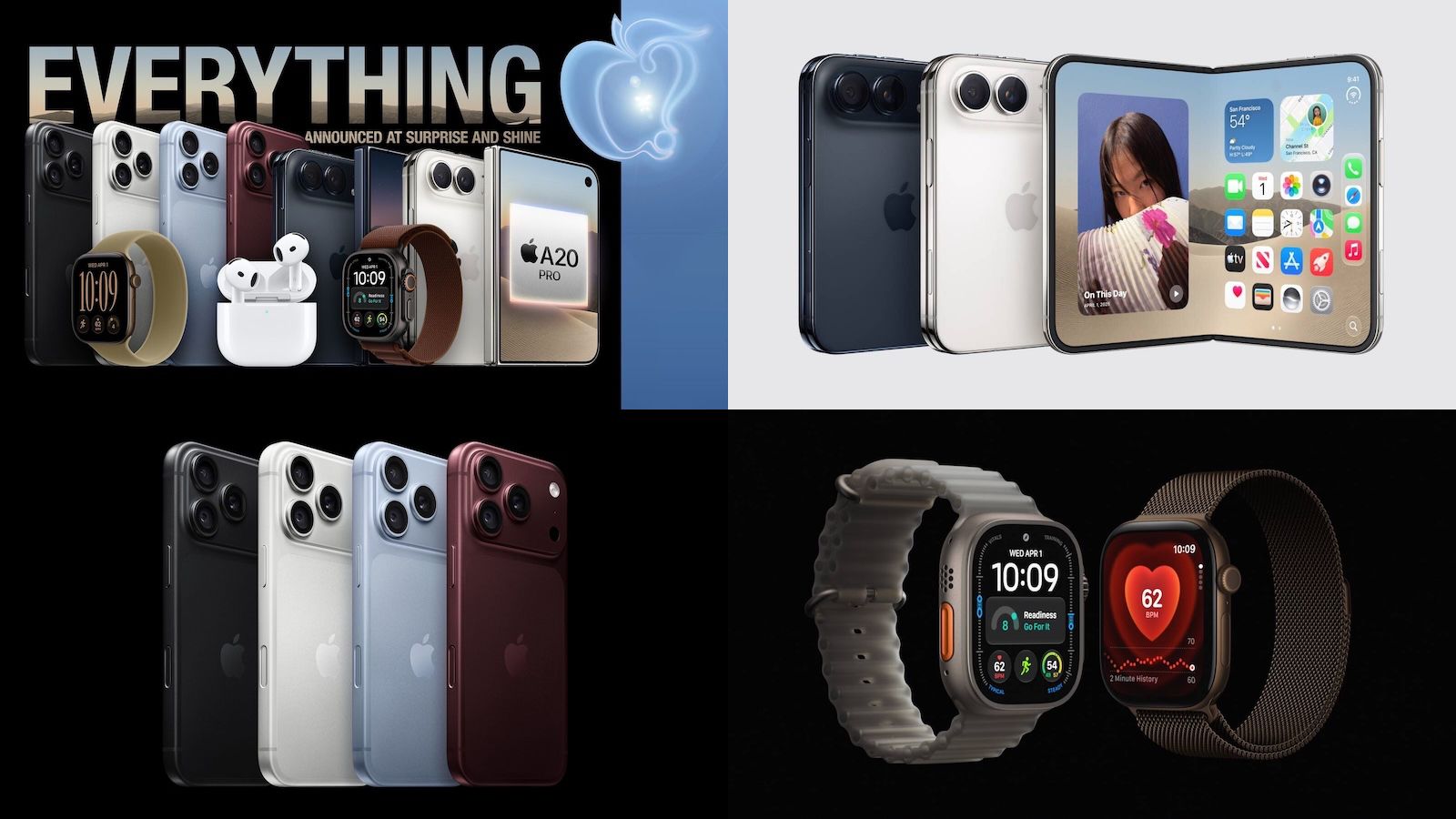
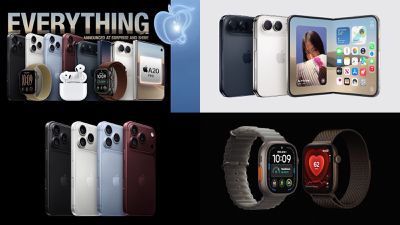
Apple Inc. hosted its heavily anticipated "Surprise and Shine" autumn keynote event, marking a transformative moment for the Cupertino-based technology giant. The presentation, broadcast globally from Apple Park, served as the formal debut of John Ternus as Chief Executive Officer, stepping into the role just days prior. The event delivered a robust hardware and software roadmap for late 2026, headlined by the company’s long-awaited entry into the foldable smartphone market with the iPhone Duo, alongside flagship iPhone 18 Pro iterations, next-generation Apple Watches, and upgraded audio accessories.
The keynote highlighted Apple’s strategic push to redefine mobile form factors while enhancing core processing capabilities and deepening health-tracking integrations across its ecosystem. Industry analysts note that this year’s product cycle is one of the most comprehensive in recent history, designed to stimulate upgrade cycles amid a shifting global consumer electronics landscape.
The Evolution of Mobile Hardware: Introducing the iPhone Duo
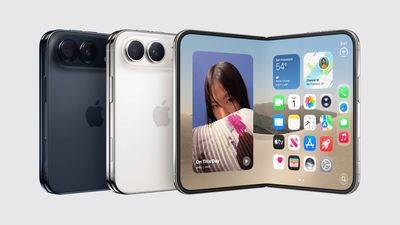
The undisputed focal point of the week’s announcements was the "one more thing" reveal of the iPhone Duo, Apple’s maiden voyage into foldable device architecture. For years, supply chain rumors and patent filings fueled speculation regarding Apple’s hesitation to enter the foldable sector, with critics arguing the company was waiting for component maturity. The iPhone Duo appears to answer those demands with a refined engineering approach.
Featuring a traditional, full-sized display on its exterior shell, the device unfolds to reveal a massive interior panel comparable in dimensions to the iPad mini. Apple’s engineering team emphasized that the folding mechanism utilizes a proprietary multi-cam hinge designed to minimize crease visibility while providing structural rigidity. To maximize the utility of the expansive canvas, Apple has developed a suite of interface enhancements for iOS tailored specifically to split-screen productivity and multi-app workflows.
Market observers suggest the iPhone Duo targets the ultra-premium segment currently occupied by high-end enterprise users and tech enthusiasts. Pre-orders for the device are scheduled to commence on October 16, with retail availability slated for October 23, giving consumers a brief window to digest the new form factor before physical units hit store shelves.
Power and Precision: iPhone 18 Pro and Pro Max Debut
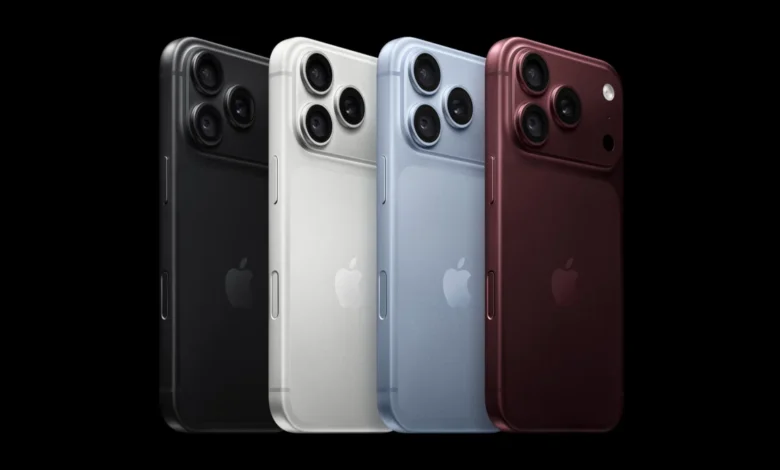
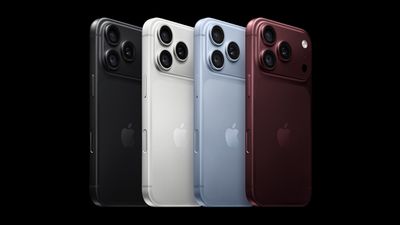
Alongside the foldable variant, Apple introduced the traditional slab-form flagships: the iPhone 18 Pro and iPhone 18 Pro Max. Retaining the overarching industrial design language established by the previous generation, the new Pro series focuses on internal architecture, thermal management, and computational photography.

Both models incorporate a refined, smaller Dynamic Island capable of natively displaying up to three simultaneous Live Activities, maximizing the utility of the notification interface. Under the hood, the devices are powered by the new A20 Pro chip, manufactured on an advanced sub-nanometer node. The processor features a 6-core CPU, a 7-core GPU, and an upgraded 32-core Neural Engine designed to handle on-device generative artificial intelligence tasks.
Thermal performance has seen a notable upgrade through the integration of a significantly expanded vapor chamber cooling system. According to Apple’s engineering disclosures, sustained computational performance is up to 40 percent faster than the preceding A19 Pro chip, mitigating thermal throttling during extended gaming or video rendering sessions.
In the imaging department, the Main camera receives a variable aperture system, granting photographers enhanced depth-of-field control and improved low-light capture capabilities. Battery longevity has also been extended across both models. Pre-orders for the iPhone 18 Pro and Pro Max began immediately following the event, with an official store launch set for September 18.
Health Tracking and Materials Innovation in Apple Watch Series 12 and Ultra 4
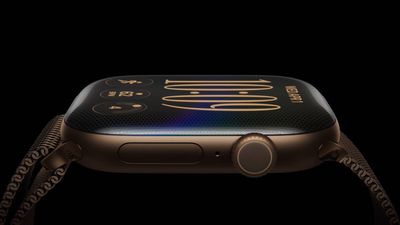
Wearable technology remained a pillar of Apple’s ecosystem presentation, with the introduction of the Apple Watch Series 12 and the rugged Apple Watch Ultra 4. Both devices are powered by the new S11 chip, which prioritizes energy efficiency and localized machine learning algorithms.
The Apple Watch Series 12 brings a redesigned health-sensing suite previously reserved for rugged configurations, alongside an expanded array of materials. Alongside traditional aluminum and titanium finishes, Apple reintroduced ceramic models in Pearl White and Night Blue. The aluminum variants now feature Ceramic Shield glass protection, which Apple states increases screen durability by 60 percent against drops and impacts. Pricing for the Series 12 starts at $399.
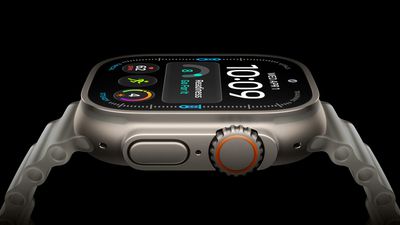
Concurrently, the Apple Watch Ultra 4 targets endurance athletes and outdoor professionals. By leveraging the power efficiency of the S11 chip and a larger physical battery cell, the Ultra 4 delivers a standard two-day battery life under normal operational conditions. The device supports up to 18 hours of continuous workout tracking with full GPS and heart rate monitoring enabled, or an extended mode yielding up to 45 hours. The Ultra 4 is priced starting at $799, with pre-orders live and shipments beginning September 18.
Acoustic Evolution: AirPods 5 Bring Active Noise Cancellation to Entry-Tier
Rounding out the hardware announcements, Apple updated its foundational personal audio lineup with the introduction of the AirPods 5. In a significant feature trickle-down, the entry-level wireless earbuds now include Active Noise Cancellation (ANC) at a starting price point of $129.
A secondary tier priced at $149 introduces a Wireless Charging Case equipped with stem-based swipe volume controls and extended battery endurance. Apple’s acoustic engineers redesigned the internal architecture of the earbuds, coupling them with an updated Adaptive EQ algorithm. The company claims the AirPods 5 eliminate up to 50 percent more external ambient noise compared to their ANC-equipped predecessors, while an upgraded Transparency mode delivers a more natural reproduction of external voices and environmental sounds.
Software Rollout Schedule and Ecosystem Integration
While the hardware hardware captured headlines, Apple also confirmed the deployment timeline for its upcoming operating system software. The consumer releases of iOS 27, macOS Golden Gate, and corresponding updates for iPadOS, watchOS, and tvOS are scheduled to drop on Monday, establishing the software foundation required to support the newly announced product ecosystem.
The transition to John Ternus as CEO, occurring concurrently with these major product launches, signals a period of operational continuity paired with aggressive hardware innovation. Financial analysts note that the simultaneous introduction of a foldable device, a refreshed Pro smartphone line, and comprehensive health and audio upgrades places Apple in a strong competitive position heading into the crucial fourth-quarter holiday shopping season.