The Evolution of Celebration in the Apple Ecosystem
Apple has long utilized its software updates to foster a sense of personal connection between the device and the user. The most recognizable predecessor to this new iOS 27 feature is found in watchOS. For several iterations, Apple Watch users have been greeted at the stroke of midnight on their birthdays with a full-screen "Happy Birthday!" notification. This notification is accompanied by the same high-fidelity fireworks animation that appears during New Year’s celebrations in the Messages app.
By porting this visual language to the iPhone’s Phone application, Apple is signaling a shift toward more proactive, context-aware software. While the watchOS feature was designed as a personal greeting—a "gift" from the device to the user—the new iOS 27 functionality serves as a social prompt. It transforms a standard utility, the act of making a phone call, into an occasion. This design choice aligns with Apple’s broader strategy of "Human Interface Guidelines," which emphasize delight and clarity, ensuring that software interactions feel intuitive and emotionally resonant rather than strictly functional.
Chronology and Implementation Details
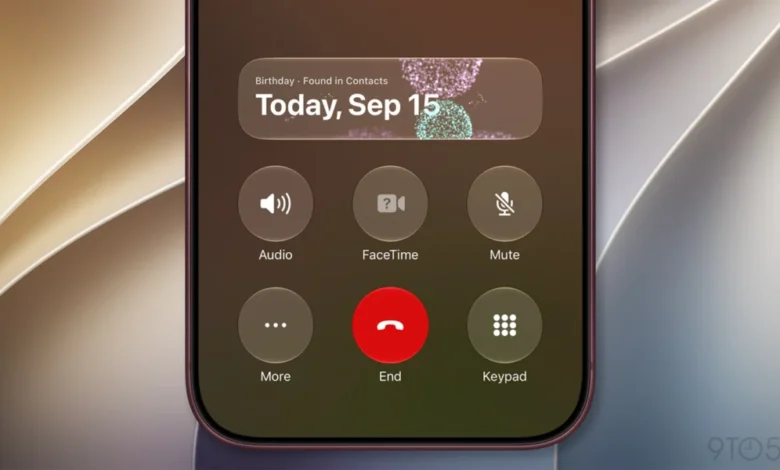
The discovery of this feature, first reported by social media user Tiino-X83, highlights the community-driven aspect of modern software testing and release cycles. Following the September 2026 launch of iOS 27, users began exploring the granular changes implemented in the core applications.
The implementation is seamless. If a user’s contact card contains a valid date in the "Birthday" field, the system cross-references the current date with that data point at the moment a call is placed. If the dates match, the animation is triggered. This requires no additional configuration by the user, provided that the birthdate is already stored within the native Contacts database.
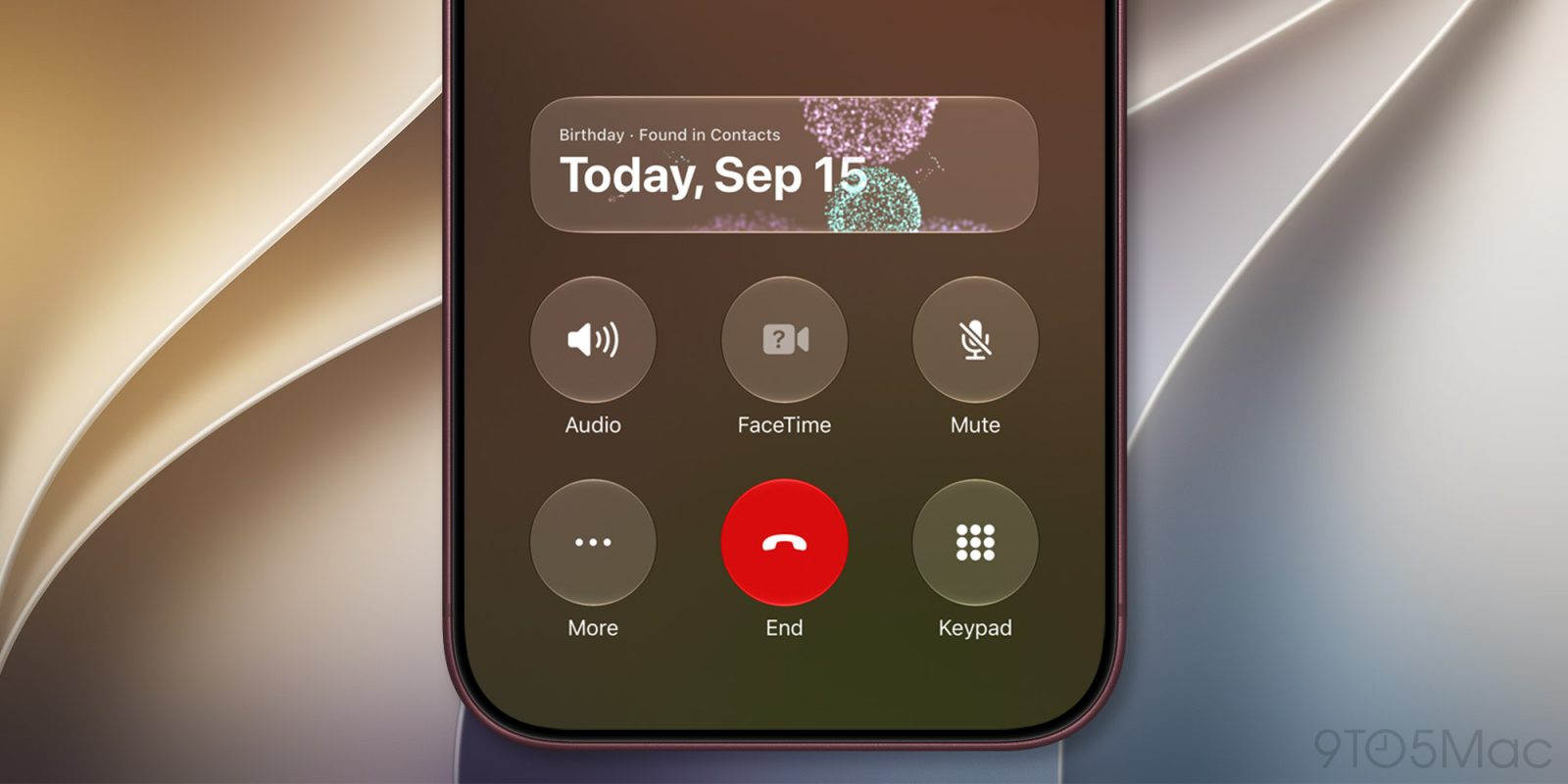
This update arrived alongside watchOS 27, which further deepened the integration of birthday data. According to official Apple documentation for the watchOS 27 update, the Apple Watch Smart Stack—a feature introduced to provide at-a-glance information—will now actively surface birthday reminders for close contacts. This creates a multi-layered birthday experience: the watch reminds the user of the upcoming event, and the phone provides a celebratory visual when the user acts on that reminder.
Data Privacy and Personal Information Management
The reliance on contact data to trigger these animations raises questions regarding how Apple manages sensitive user information. Within the iOS architecture, contact data is treated with a high degree of privacy. Apple’s "On-Device Intelligence" framework ensures that the processing required to identify birthdays and trigger these UI elements happens locally on the user’s iPhone or Apple Watch.
There is no evidence to suggest that birthday data is transmitted to Apple servers to facilitate these animations. Instead, the logic remains sandboxed within the local software environment. This is a critical distinction, as it allows for personalized features without compromising the user’s data security. In an era where data harvesting is a major concern for consumers, Apple’s commitment to keeping personal metadata decentralized remains a core pillar of its brand identity and user trust.
Broader Implications for User Interface Design
The addition of this birthday feature is indicative of a broader trend in mobile operating systems known as "Micro-interactions." These are small, functional animations that provide feedback and enhance the "feel" of an application. While a fireworks animation during a phone call does not fundamentally change the utility of the device, it changes the user’s perception of the experience.
From an industry perspective, this reflects the maturity of iOS. With the foundational elements of the mobile operating system firmly established, Apple has shifted its development focus toward "polishing" the user experience. By adding emotive, celebratory elements, the company encourages users to engage more frequently with native apps like Contacts and Phone, rather than relying solely on third-party messaging or social media platforms.

Furthermore, this update suggests that Apple is looking to consolidate its ecosystem. By ensuring that a birthday notification on the watch leads to a celebratory experience on the phone, Apple creates a cohesive narrative across its product lineup. This ecosystem "stickiness" is a vital component of the company’s business model, as it encourages users to remain within the Apple hardware sphere.
Analyzing the "Humanization" of Technology
The "humanization" of technology—making machines feel more like companions—is a psychological tactic used by major tech firms to increase user retention. By celebrating a user’s birthday, the device shifts from being a tool to being an actor in the user’s social life.
Analysts have noted that such features serve a dual purpose. First, they improve the subjective quality of the user experience. Second, they act as subtle reminders of the value proposition of the ecosystem. A user who feels "cared for" by their device is statistically more likely to upgrade to the next generation of hardware. While this may seem like a minor UI tweak, the cumulative effect of hundreds of such features creates an experience that is difficult for competitors to replicate without appearing forced or unoriginal.
Future Outlook for System Updates
As we move toward the end of the 2026 software cycle, the focus for Apple will likely turn toward the integration of generative AI features and even more personalized UI adjustments. The inclusion of birthday animations suggests that the development team is looking for ways to make the interface more dynamic.
Looking ahead, we can expect to see more context-aware features. For instance, the integration of health data, calendar events, and location-based triggers could lead to an even more personalized "Smart Stack" experience. The current birthday implementation is likely a testing ground for more complex, event-driven UI triggers.

Summary of the Update
The iOS 27 release, while primarily focused on stability and performance, includes several "delight" features that enhance the daily user experience. The introduction of birthday fireworks in the Phone app is a clear example of Apple’s focus on refinement. Users are encouraged to ensure their Contacts app is populated with the correct information to take full advantage of these new features.
As Apple continues to iterate on its software, the boundary between utility and personality will continue to blur. Whether these small additions represent a meaningful change in how we use our phones or simply a decorative flourish remains a matter of perspective. However, for the average consumer, these moments of "digital celebration" provide a small, welcome point of engagement in an otherwise utilitarian digital landscape.
For those interested in exploring the full range of changes in the latest updates, Apple’s developer portal and the official release notes provide extensive documentation. While the birthday animation is a standout "hidden" feature, it is part of a larger, more comprehensive update package that aims to optimize the relationship between the hardware and the end-user. As the ecosystem evolves, it is expected that these personalized touches will become even more sophisticated, further cementing the role of the iPhone as a central, context-aware hub in the lives of its users.