The Horizon Lock Revolution: How Samsung and Motorola are Redefining Smartphone Video Stabilization

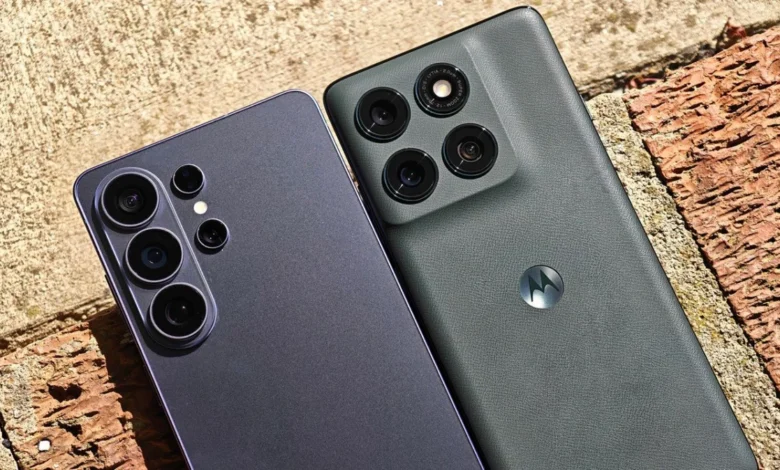
The ongoing quest for perfectly stable smartphone video has taken another significant leap forward with the introduction of advanced horizon-locking features by leading manufacturers Samsung and Motorola. While both brands aim to deliver remarkably steady and straight video recordings regardless of how the phone is moved, their strategies for implementation and market positioning offer a compelling study in the current landscape of mobile technology. Samsung, with its premium Galaxy S26 series, particularly the S26 Ultra, has unveiled "Horizontal Lock," a feature designed to impress users willing to invest in top-tier devices. Conversely, Motorola has democratized this sophisticated capability, bringing its "Horizon Lock" to more accessible models like the Motorola Edge 2025 and even its more expensive foldable, the Motorola Razr Ultra 2025. This divergence in approach raises important questions about accessibility, value, and the future trajectory of computational videography in smartphones.
The Evolution of Mobile Video Stabilization
For years, smartphone users have grappled with shaky video footage, a common consequence of handheld recording. Early attempts at stabilization relied primarily on Optical Image Stabilization (OIS), where physical lens elements shift to counteract movement, and Electronic Image Stabilization (EIS), which uses software to crop and adjust frames. While effective for minor jitters, these methods often struggled with significant rotational movements or extreme jostling. The demand for smoother, more professional-looking mobile video intensified with the rise of social media platforms and the proliferation of user-generated content, pushing manufacturers to innovate further. This led to the development of computational photography techniques that fuse data from multiple sensors and leverage artificial intelligence to achieve unprecedented levels of stability. Horizon Lock and Horizontal Lock represent the latest evolution in this journey, offering a solution that keeps the video’s orientation fixed, akin to having a virtual gimbal built directly into the phone.
Democratizing Advanced Stability: Motorola’s Strategic Move
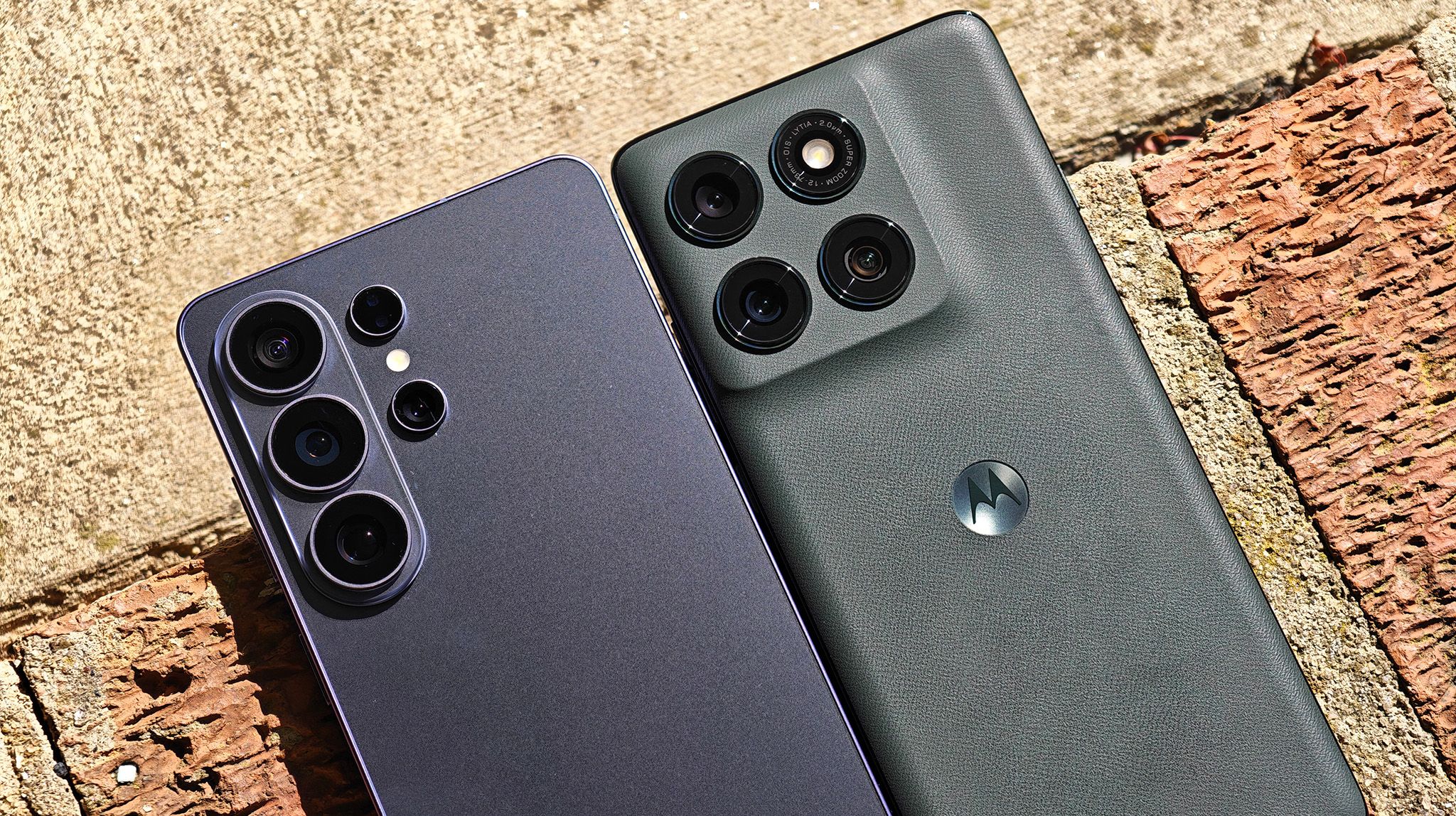
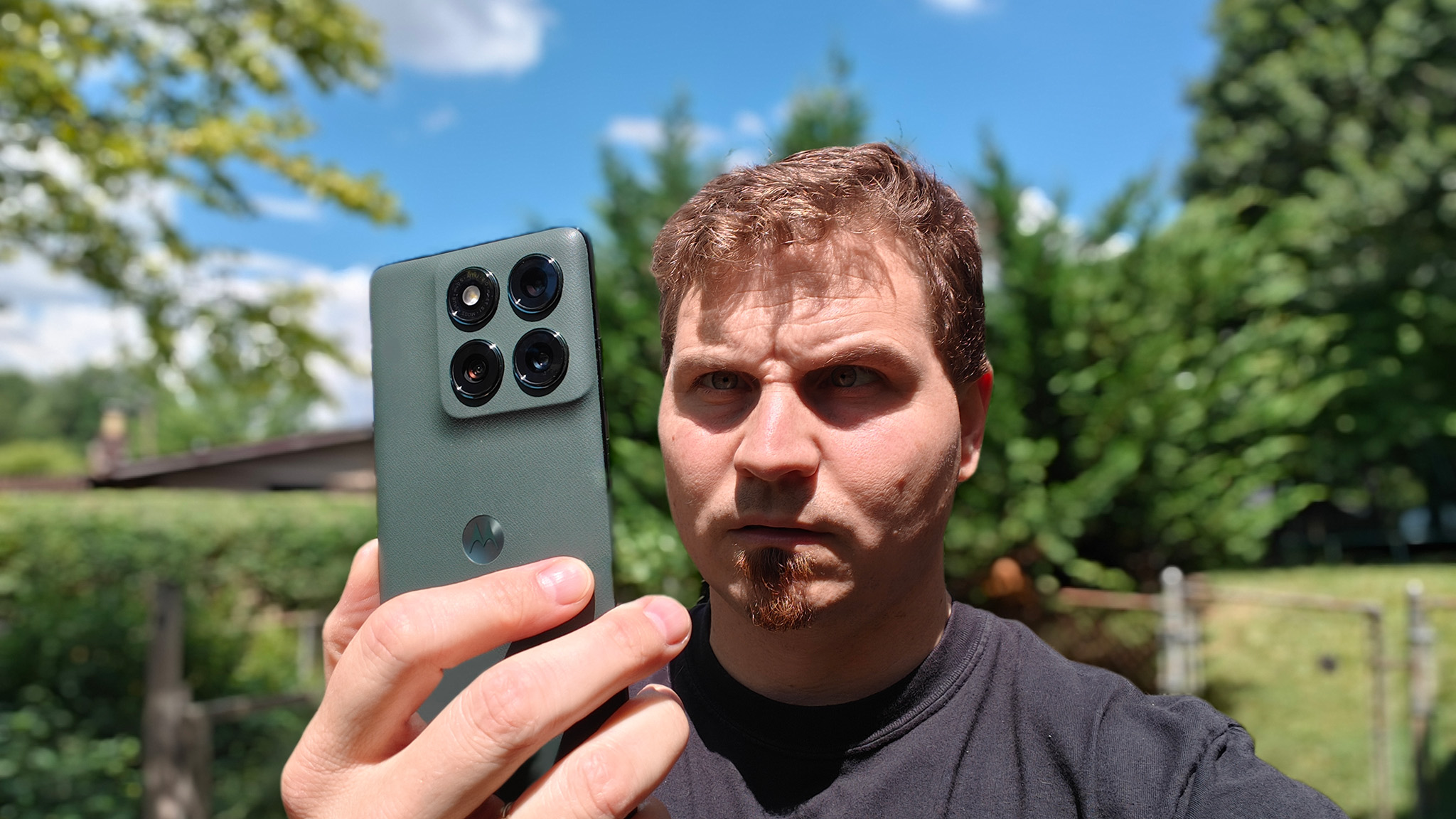
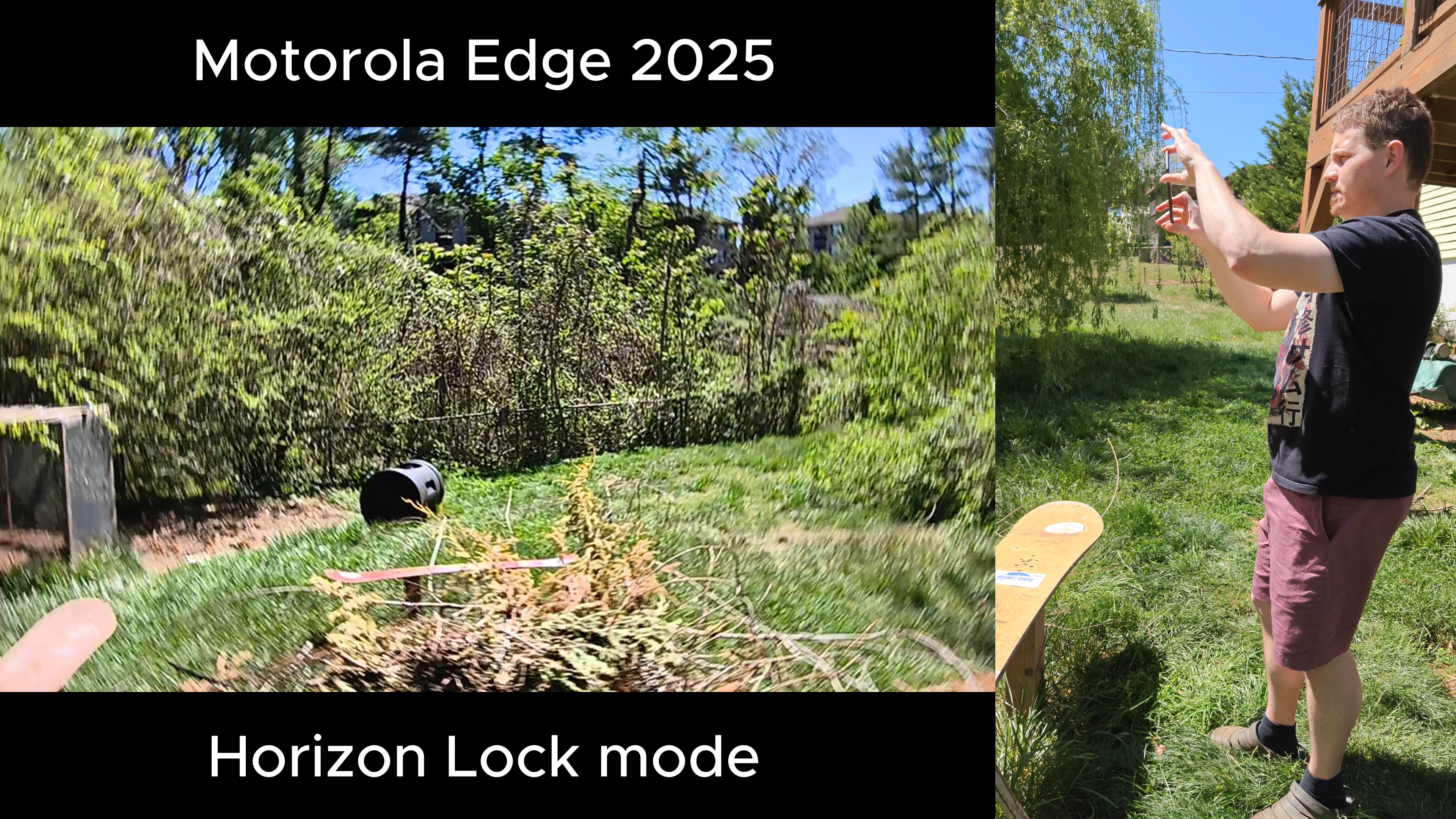
Motorola’s introduction of Horizon Lock across a broader range of its 2025 smartphone lineup marks a significant strategic decision, aiming to make advanced video stabilization accessible to a wider consumer base. The feature, available on the approximately $500 Motorola Edge 2025 and the higher-end Motorola Razr Ultra 2025, utilizes a combination of hardware and software to achieve its impressive results. At its core, Horizon Lock leverages the phone’s main and ultrawide camera sensors, fusing their input to create a video that maintains a level horizon even when the device is subject to considerable tilting, bouncing, or rotational movements.
This is achieved through a sophisticated AI-based algorithm that performs real-time scene understanding to identify and lock onto a virtual horizon line. Crucially, this doesn’t require an actual visible horizon in the shot; the system can operate effectively even in indoor environments with blank walls, demonstrating its advanced computational capabilities. Complementing the camera sensors, the phone’s internal gyroscopes and accelerometers—collectively known as Inertial Measurement Units (IMUs)—play a vital role. These sensors provide precise data on the phone’s orientation and movement, allowing the algorithm to dynamically adjust the video frame, counteracting unwanted rotations and shakes. The real-time processing of this data ensures that the video output remains consistently stable, creating a smooth viewing experience that traditional Electronic Image Stabilization (EIS) or Optical Image Stabilization (OIS) alone might struggle to achieve under extreme movement.
While the Motorola Edge 2025, a mid-range device, offers the Horizon Lock feature, the quality of the stabilized video experiences a noticeable drop in resolution, typically capping at 1080p at 30 frames per second (FPS). This is a common trade-off when using such intensive computational features, as the system needs to crop into the wider sensor data to perform the stabilization. However, the presence of the feature itself on a phone of its price point is commendable, signaling Motorola’s intent to bring flagship-level capabilities to more affordable segments. More premium Motorola devices, such as the Razr Ultra 2025, are observed to deliver higher quality video from the Horizon Lock feature, indicative of more capable processing power and potentially better sensor integration. An interesting addition on the Razr Ultra 2025, not found on cheaper Motorola models or the Samsung Galaxy S26 series, is a dedicated orientation button. This allows users to switch between portrait and landscape recording modes digitally, without physically reorienting the phone, offering enhanced flexibility, especially for one-handed operation or when capturing dynamic scenes.
Samsung’s Premium Proposition: Horizontal Lock on the Galaxy S26 Series
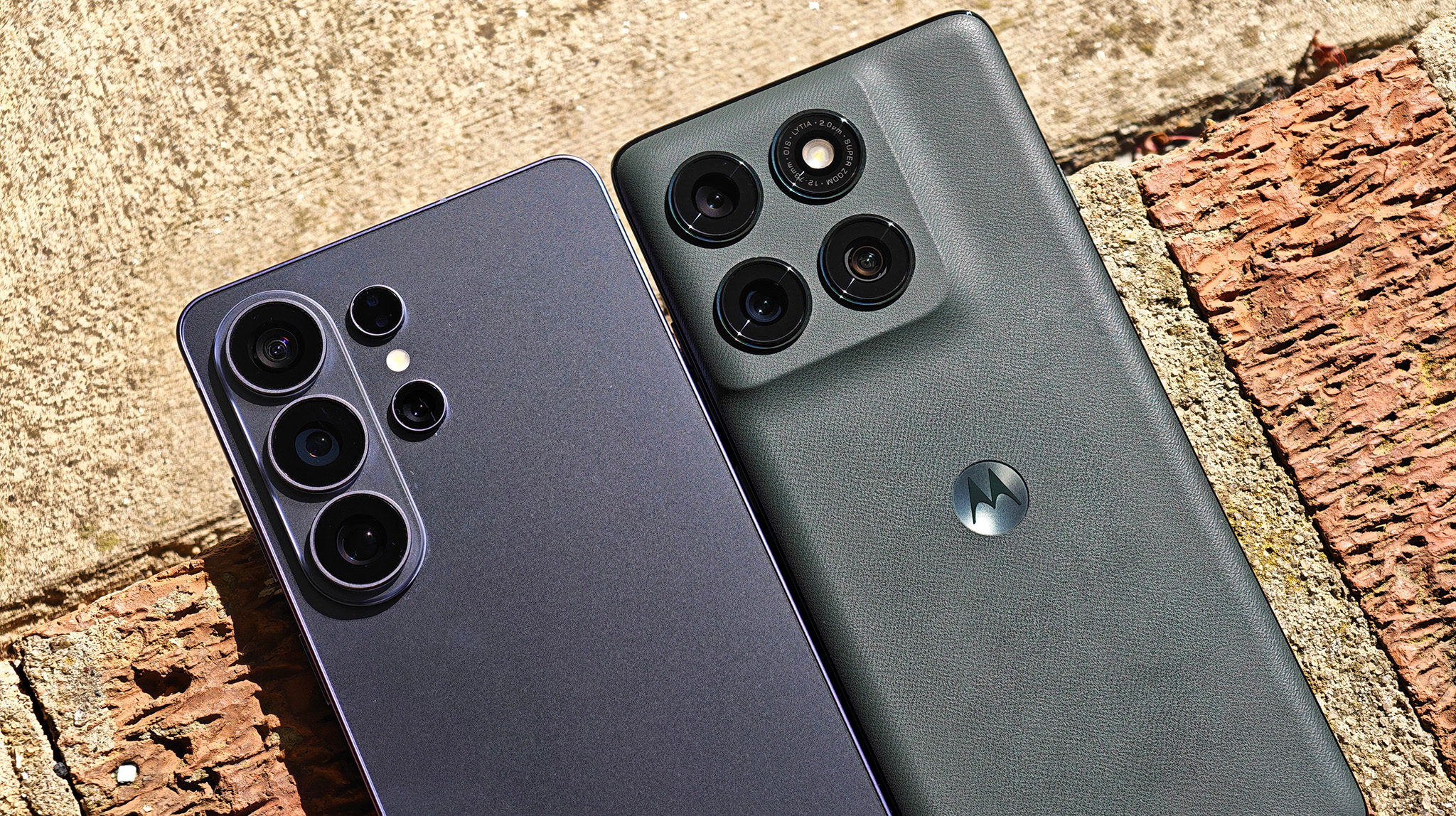
In contrast to Motorola’s broad implementation, Samsung has positioned its "Horizontal Lock" as a flagship feature, primarily showcased on its high-end Galaxy S26 series, particularly the S26 Ultra. Unveiled at the end of February, this feature was presented as a "wow moment" for its ability to keep videos steady and level, irrespective of aggressive phone movements. Similar to Motorola’s offering, Samsung’s Horizontal Lock relies on a fusion of data from the main and ultrawide camera sensors, coupled with sophisticated AI and IMU data (gyroscopes and accelerometers). This integrated approach allows the system to intelligently detect and maintain a level horizon, effectively eliminating jitters and rotational instability from video recordings.
A key differentiator for the Galaxy S26 Ultra lies in its superior hardware and processing capabilities, which allow Horizontal Lock to operate at a higher resolution of QHD (2560×1440 pixels) at 30 FPS, surpassing the 1080p standard seen on most other implementations. This higher resolution, combined with Samsung’s renowned image processing, results in a significantly clearer and more detailed stabilized video output. Initial comparisons suggest that the Galaxy S26 Ultra maintains consistent video quality remarkably well, even when the phone is subjected to rapid or extreme movements. While a resolution drop from the phone’s native 4K60FPS recording is still present, the overall visual integrity is preserved to a greater degree than on lower-cost devices. Notably, the S26 Ultra’s implementation also exhibits less visual artifacting, such as the "fringing" or blur that can appear at the edges of the frame during intense stabilization on some other phones.
Samsung’s strategy here aligns with its premium market positioning, where advanced and refined features are a key selling point for its flagship devices. This is further contextualized by recent price hikes observed across Samsung’s Galaxy lineup, indicating a focus on delivering cutting-edge technology to users willing to pay a premium. The Galaxy S26 Ultra also incorporates a "Super Steady" mode, which offers another layer of electronic stabilization, often working in conjunction with or as an alternative to Horizontal Lock depending on the desired level of stability and scene conditions. This multi-tiered approach provides users with flexibility in choosing the optimal stabilization method for their specific recording needs.

Under the Hood: The Technology Driving Horizon Lock
The capabilities of Horizon Lock and Horizontal Lock are a testament to the advancements in computational photography and sensor technology within modern smartphones. Understanding the underlying mechanisms provides insight into why these features are so impactful.
The core principle involves sensor fusion, combining the output from at least two camera sensors: typically the main wide-angle lens and the ultrawide-angle lens. The ultrawide lens, with its broader field of view, provides a larger "canvas" from which the stabilization algorithm can crop and manipulate the image without the final output appearing too zoomed in or losing significant detail. By simultaneously analyzing the data from both sensors, the system gains a more comprehensive understanding of the scene and the phone’s orientation within it.
This is where AI Scene Understanding and Horizon Detection play a crucial role. Modern AI models are trained on vast datasets of images and videos to recognize patterns, objects, and environmental cues. In the context of horizon locking, the AI analyzes the incoming video feed to discern what constitutes the "horizon" or the stable plane within the scene. This can be an actual horizon line in a landscape, the straight edge of a building, or even an inferred stable reference point within an indoor setting. The AI then guides the cropping and rotation of the video frame to align with this detected horizon, irrespective of the phone’s physical orientation.
Inertial Measurement Units (IMUs) are micro-electromechanical systems (MEMS) components that include gyroscopes and accelerometers. The gyroscope measures angular velocity (rotation), while the accelerometer measures linear acceleration (movement along axes). These sensors provide extremely precise, real-time data about the phone’s movement in three-dimensional space. This data is critical for predicting and counteracting unwanted movements before they even become visible in the video frame. The IMU data informs the AI algorithm, allowing it to apply pre-emptive corrections and smooth out even rapid, unpredictable motions.
All of these processes—sensor data acquisition, AI analysis, IMU data integration, and frame manipulation—must occur through real-time computational processing, often at 30 frames per second or higher. This demands significant processing power from the smartphone’s System-on-a-Chip (SoC), specifically its Neural Processing Unit (NPU) for AI tasks and its Image Signal Processor (ISP) for camera data. The efficiency of these components directly impacts the fluidity, resolution, and overall quality of the stabilized video. It is important to note that the "crop factor" inherent in this stabilization means that the final video output will always be narrower than the raw ultrawide sensor input, as the edges are sacrificed for the stabilization effect.
Market Dynamics and Consumer Implications
The emergence of sophisticated video stabilization features like Horizon Lock and Horizontal Lock, and the varied approaches taken by manufacturers like Samsung and Motorola, have significant implications for market dynamics and consumer choice. The most striking aspect is the pricing disparity. Motorola’s decision to integrate Horizon Lock into a phone like the Edge 2025, priced around $549, contrasts sharply with Samsung’s move to primarily feature Horizontal Lock on its premium Galaxy S26 series, with the S26 Ultra costing significantly more at $1,299. This democratizes a highly desirable feature, making advanced video capabilities accessible to a broader segment of the market that may not be able or willing to pay flagship prices. For budget-conscious consumers, a Motorola Edge 2025 offering Horizon Lock could be a compelling alternative to a much more expensive Samsung device, even if the absolute video quality is not on par with the S26 Ultra.
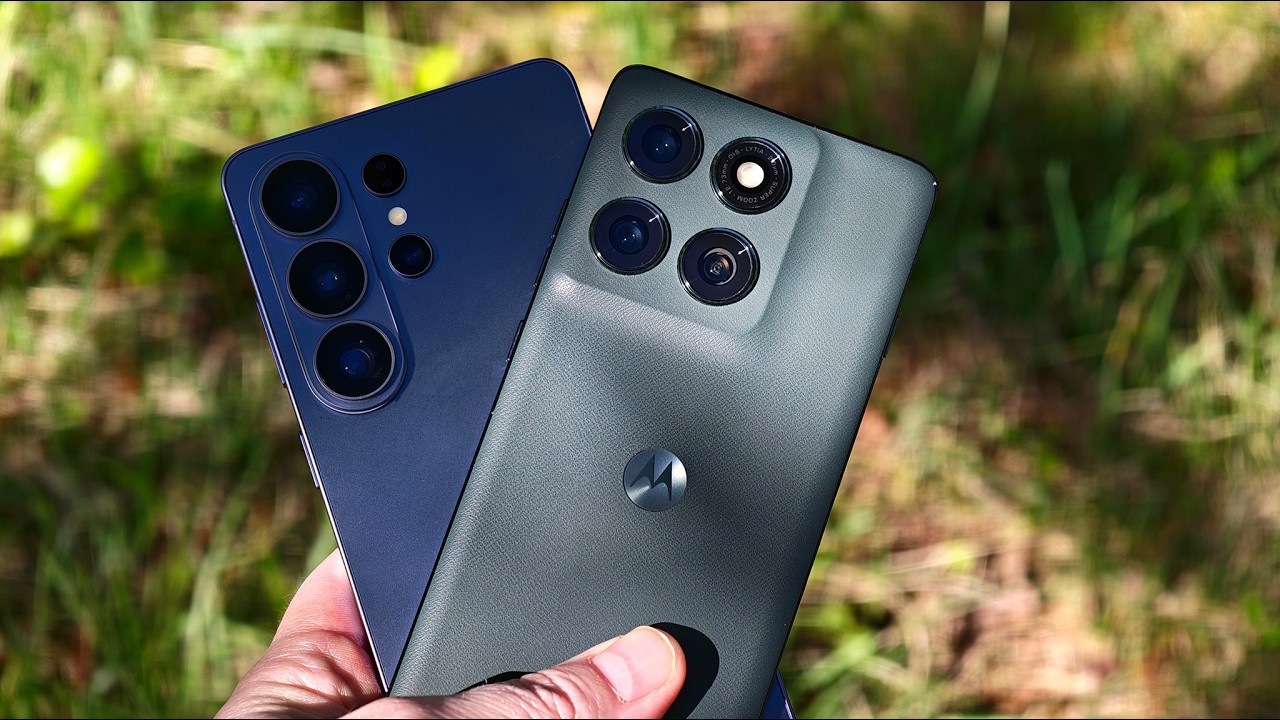
Samsung’s strategy, particularly in light of recent price hikes across its Galaxy lineup, reinforces its commitment to the premium segment. By reserving its most refined version of Horizontal Lock for its flagship, Samsung aims to justify the higher cost with unparalleled performance and exclusive features. This caters to users who prioritize top-tier specifications and are willing to invest in the absolute best mobile photography and videography experience. This competitive landscape forces consumers to weigh their priorities: cost versus absolute quality. Do they need the best-in-class QHD stabilization offered by the S26 Ultra, or is the 1080p stabilization on a more affordable Motorola sufficient for their needs? For casual users, social media creators, or those simply wanting to capture family moments without excessive shake, Motorola’s offering presents immense value. For aspiring mobile filmmakers, professional content creators, or those who demand the highest possible fidelity, the S26 Ultra likely remains the go-to choice.
The broader competitive landscape is also shaped by these developments. Motorola’s aggressive move could put pressure on other Android manufacturers, and even Apple, to integrate similar high-quality stabilization features across more of their product lines, rather than reserving them solely for flagships. This could accelerate the adoption of computational videography techniques across the industry, leading to a general uplift in smartphone video quality at all price points.
Broader Impact on Content Creation
The widespread availability of advanced video stabilization profoundly impacts content creation. For social media enthusiasts and vloggers, stable, professional-looking footage is paramount. Features like Horizon Lock reduce the need for external gimbals or extensive post-production editing, enabling creators to capture high-quality content spontaneously and efficiently. This lowers the barrier to entry for aspiring creators, allowing them to produce more engaging and visually appealing videos directly from their phones. For everyday users, whether they’re recording a child’s soccer game, a scenic vacation, or a pet’s antics, the ability to capture smooth, level video transforms their memories. No longer will videos be plagued by jerky movements or skewed horizons, leading to more enjoyable playback and sharing experiences. The technology effectively professionalizes amateur filmmaking, making cinematic-quality shots achievable with minimal effort.
Conclusion: A Stable Future for Mobile Videography
The introduction of Horizon Lock by Motorola and Horizontal Lock by Samsung represents a significant milestone in smartphone videography. Both technologies exemplify the power of computational photography, sensor fusion, and artificial intelligence in overcoming physical limitations to deliver truly exceptional video stability. While Samsung’s Galaxy S26 Ultra undeniably offers a more refined and higher-resolution experience, reinforcing its position at the pinnacle of mobile innovation, Motorola deserves substantial credit for democratizing this feature. By bringing Horizon Lock to more accessible devices like the Edge 2025, Motorola empowers a wider segment of consumers to capture stable, professional-looking video without the premium price tag.
This divergence in strategy highlights the dynamic competition within the smartphone market, where innovation is driven not only by cutting-edge performance but also by accessibility and value. As smartphone cameras continue to evolve, we can expect further advancements in real-time processing, AI capabilities, and sensor technology, pushing the boundaries of what’s possible in mobile videography. Ultimately, whether through premium offerings or broad accessibility, the future of smartphone video looks remarkably stable and bright, benefiting content creators and everyday users alike.