LG Electronics USA Moves to Suspend Smart TV Apps Utilizing Residential Proxy SDKs Amidst Privacy and Security Concerns

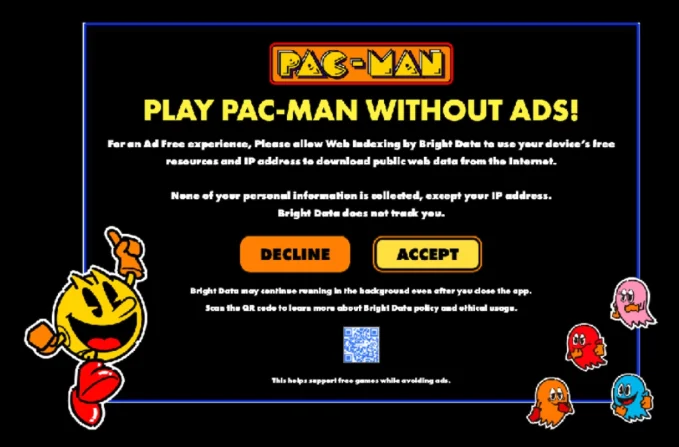
LG Electronics USA, a global leader in home appliances and consumer electronics, announced this week its decisive intention to suspend all applications built for its smart TVs that transform a user’s television into an always-on residential proxy node. This significant policy shift comes less than a month after alarming research revealed that over 42 percent of games and various other apps available for download on LG’s webOS store were found to facilitate the routing of unknown third-party internet traffic through a user’s television set. The move underscores a growing industry awareness and response to the covert monetization strategies employed by some app developers, often at the expense of user privacy, bandwidth, and device security.
The Unveiling of a Covert Network: Spur’s Groundbreaking Research
The catalyst for LG’s announcement was a comprehensive investigation conducted by the cybersecurity firm Spur, which brought to light the widespread prevalence of residential proxy Software Development Kits (SDKs) embedded within smart TV applications. Published on July 2, Spur’s research meticulously detailed how these SDKs covertly transform ordinary smart televisions into active components of global residential proxy networks. The findings were stark: more than 42 percent of apps available on LG’s webOS platform were identified as containing these residential proxy SDKs, effectively turning users’ TVs into indefinite proxy nodes. The issue was not isolated to LG; Spur’s report also indicated that over a quarter of the applications developed for Samsung’s Tizen operating system contained similar residential proxy components, highlighting a systemic problem across the smart TV ecosystem.
Residential proxy networks operate by routing internet traffic through real residential IP addresses, masking the original source of the traffic. These services are often marketed to businesses for legitimate purposes such as web scraping, market research, ad verification, and bypassing geo-restrictions. However, the nature of their operation — utilizing unwitting or minimally consenting users’ devices and internet connections — raises significant ethical and security questions. App developers are typically compensated by proxy providers for integrating these SDKs, offering a monetization avenue for "free" apps, ranging from simple games like Pac-Man to screensavers and file utility applications. This model, while lucrative for developers and proxy providers, places the burden and potential risk squarely on the end-user.
LG’s Swift and Decisive Response
Following the public disclosure of Spur’s research, LG Electronics USA was quick to address the gravity of the situation. John Taylor, Senior Vice President at LG, provided an official statement to KrebsOnSecurity, unequivocally asserting that "A residential proxy network is not an intended use for LG smart TVs." This declaration signaled a clear stance against the practice, affirming the company’s commitment to maintaining the integrity and security of its webOS platform.
Taylor outlined LG’s immediate course of action: the company is actively engaging with app developers to ensure the prompt removal of residential proxy options from their applications. Developers who fail to comply with this directive will face severe consequences, as their apps will be suspended from the webOS platform. This measure underscores the seriousness with which LG is approaching the issue, emphasizing that continued access to its app store is contingent upon adherence to revised guidelines. Taylor further elaborated that LG’s review of existing applications is "well underway now," indicating a thorough and systematic clean-up effort. He also affirmed the company’s long-term commitment to prevent the re-emergence of such practices, stating, "As part of our ongoing efforts to enhance platform quality and the user experience, LG will continue to strengthen our evaluation process for developer-submitted apps, including those that incorporate residential proxy SDKs." This proactive approach aims to safeguard the user experience and maintain trust in the LG smart TV ecosystem.
The Mechanics of Residential Proxy SDKs and Their Monetization
The investigation by Spur.us illuminated the financial incentives driving the integration of residential proxy SDKs. App makers, constantly seeking diverse revenue streams in a competitive market, find residential proxy providers a willing partner. These providers pay developers to bundle their SDKs into applications, effectively transforming each user’s device into a potential node within a larger proxy network. The user’s internet connection and IP address are then rented out to paying customers of the proxy provider.
Spur’s report specifically highlighted Bright Data as a dominant player in this space, accounting for a significant majority of proxy SDKs observed across both Samsung and LG smart TVs. Bright Data, and similar proxy services, typically claim to enforce rigorous "know-your-customer" (KYC) processes to validate the legitimacy of their clients’ uses, often tied to activities like content scraping. They also assert the implementation of technological countermeasures designed to prevent proxy service customers from interacting with or controlling other devices on the proxy user’s local network. However, the efficacy and transparency of these safeguards, particularly when dealing with potentially millions of residential nodes, remain subjects of scrutiny. The core issue, as articulated by Spur’s Trevor Sutter, is not the existence of residential proxy networks themselves, but their surreptitious embedding at scale in devices like smart TVs, which most consumers do not perceive as traditional computers and are ill-equipped to audit for such functionalities.

The Broader Implications: Privacy, Security, and Consumer Trust
The prevalence of residential proxy SDKs in smart TV apps raises a myriad of concerns for consumers. Foremost among these are issues of privacy and security. When a user’s TV acts as a proxy node, their internet bandwidth is utilized by unknown third parties, potentially leading to slower internet speeds and increased data consumption. More critically, the user’s IP address becomes associated with potentially nefarious or illicit online activities conducted by the proxy client. While proxy providers claim strict vetting, the sheer volume of traffic and the anonymity afforded by proxy networks make it challenging to guarantee that a user’s IP will not be implicated in activities such as credential stuffing, spamming, or even more serious cybercrimes.
Furthermore, the process of obtaining user consent for these practices has been a major point of contention. Spur’s research indicated that consent is often buried within lengthy terms of service or presented as a one-time prompt within an app, lacking the transparency and ongoing control necessary for truly informed consent. Trevor Sutter emphasized that "A one-time consent prompt buried in a TV app is not a substitute for meaningful transparency, ongoing control, and platform oversight." This issue is further compounded in household environments where multiple individuals, including minors, may use the device and inadvertently grant consent without fully understanding the implications. The inability of average consumers to detect or control these hidden functionalities within their smart TVs amplifies the risk, turning a household appliance into a potential weak point in their digital security perimeter.
A Pattern of Questionable Monetization: The McAfee Incident
LG’s recent announcement regarding proxy SDKs is not an isolated incident concerning its device monetization strategies. The company recently faced significant criticism for another questionable partnership involving the promotion of McAfee security products. Earlier this week, the widely respected YouTube channel Gamers Nexus exposed that certain LG LCD monitors were found to automatically install an application promoting paid McAfee antivirus subscriptions. The troubling aspect of this discovery was that the app was delivered through Windows Update, bypassing any explicit approval prompt from the user.
This incident, occurring concurrently with the proxy SDK revelations, paints a picture of aggressive monetization tactics that prioritize revenue generation over transparent user experience and control. The automatic, unprompted installation of third-party promotional software, particularly security products, blurs the lines between essential device functionality and intrusive marketing. It forces users into a position where they must actively seek out and uninstall unwanted software, undermining the principle of user autonomy over their own devices. These combined incidents suggest a broader corporate strategy within LG, and potentially across the smart device industry, to leverage hardware sales with subsequent software-based revenue streams, often with insufficient transparency.
The Road Ahead: Industry Accountability and Consumer Empowerment
LG’s commitment to purging residential proxy SDKs from its webOS platform is a welcome development and sets an important precedent for the smart TV industry. Given that Spur’s research also implicated Samsung’s Tizen OS, it places implicit pressure on other manufacturers to review their app ecosystems and implement similar safeguards. The findings underscore the critical role of independent security researchers in uncovering these hidden practices and holding technology companies accountable.
Looking forward, the smart device industry faces increasing scrutiny from consumers and potentially from regulatory bodies. There is a growing demand for greater transparency regarding data collection, monetization practices, and third-party software integrations. Manufacturers will likely need to adopt stricter app store guidelines, implement more robust review processes, and ensure that any consent mechanisms are clear, explicit, and easily revokable. For consumers, this situation highlights the imperative to be more vigilant about the apps they download on their smart devices, to scrutinize permissions, and to understand the often-hidden costs of "free" software.
The incidents surrounding residential proxy SDKs and unsolicited software installations are indicative of a larger challenge in the interconnected world of smart devices: balancing innovation and monetization with user privacy, security, and trust. As our homes become increasingly saturated with smart technology, the expectation for these devices to function ethically and transparently will only grow, pushing manufacturers to prioritize user well-being over aggressive revenue-seeking strategies. LG’s current actions represent a significant step in this direction, signaling a potential turning point for greater accountability in the smart device ecosystem.