Samsung Galaxy Z Flip 8 Rumors: Price Hikes, Exynos Chipset, and a Familiar Design Emerge for the Next Clamshell Foldable

The smartphone market is in a constant state of flux, with manufacturers vying for consumer attention through innovation and refinement. Samsung, a dominant player in the foldable segment, is gearing up for the next iteration of its popular clamshell foldable, the Galaxy Z Flip 8. While details remain speculative, a consistent stream of leaks and rumors paints a picture of a device that might offer evolutionary rather than revolutionary changes, potentially impacting its price point and user experience.
Samsung’s foldable strategy is bifurcated, with the book-style Galaxy Z Fold series and the more compact Galaxy Z Flip series appealing to different market segments. The upcoming Galaxy Z Fold 8 and its "Ultra" variant are rumored to boast significant upgrades, including sharper displays, more potent chipsets, and advanced camera systems. In contrast, the Galaxy Z Flip 8 appears poised for a more measured evolution. Early reports suggest that the Fold 8 series might adopt a new aspect ratio to address the common issue of narrow cover screens on tall, book-like foldables, aiming for a more practical and user-friendly experience.
However, the narrative for the Flip 8 seems to be one of caution, potentially driven by prevailing market conditions. The global semiconductor shortage, a persistent challenge that has impacted various tech industries, is also casting a shadow over the smartphone market. This "memory crisis," as it’s been described, could force manufacturers into difficult decisions regarding component sourcing and pricing. For the Galaxy Z Flip 8, this translates to a plausible scenario where consumers might face a price hike without seeing substantial hardware upgrades, a move that could alienate potential buyers accustomed to incremental improvements or price stability.

The Flip 7, while not a flawed device, was released into a market already grappling with these supply chain issues. The successor, the Flip 8, is expected to launch approximately one year after its predecessor, and the economic pressures are likely to have intensified. This challenging landscape raises questions about Samsung’s strategic direction for its more affordable foldable offering.
Price and Release Projections: A Potential Price Hike on the Horizon
Recent reports from German publication WinFuture have shed light on the potential pricing of the Galaxy Z Flip 8. According to these findings, the 256GB model is expected to retail for €1,299, while the 512GB variant could command a price of €1,499 in Europe. This represents a notable increase compared to the Flip 7, which launched at €1,199 for the 256GB model and €1,319 for the 512GB version. The potential price jump in Europe could range between €100 and €180.
Translating these estimates to the U.S. market, the 256GB Galaxy Z Flip 8 is speculated to launch around $1,199, with the 512GB model potentially costing $1,399. These figures are currently speculative and are heavily influenced by the ongoing memory crisis and its ripple effects on smartphone production costs.
Despite the potential for increased pricing, Samsung might continue its strategy of offering a free storage upgrade as a launch incentive. This tactic has proven effective in boosting initial sales for previous generations of its foldables, providing consumers with added value to offset the premium price tag.
The official unveiling of the Galaxy Z Flip 8 is anticipated at Samsung’s Galaxy Unpacked event, tentatively scheduled for July 22, 2026. Following Samsung’s established launch patterns, sales are expected to commence around August 5, 2026, giving consumers a two-week window to consider their purchase after the official announcement.
Design Language: Familiarity Remains the Key
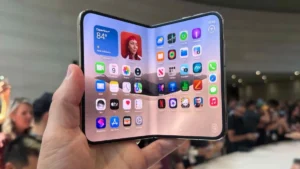
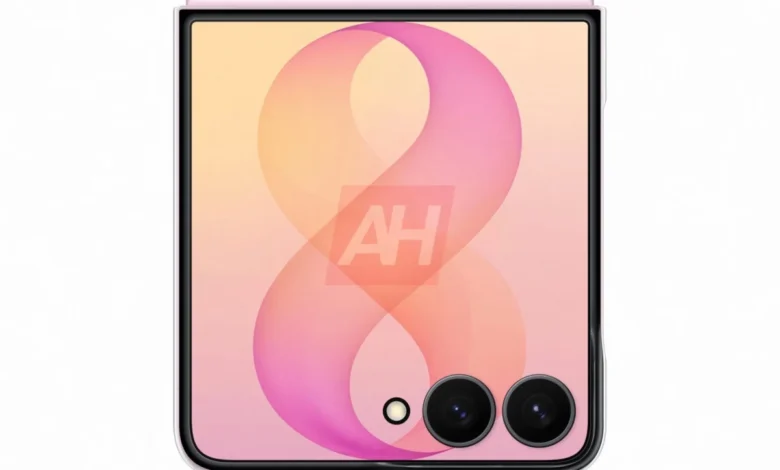
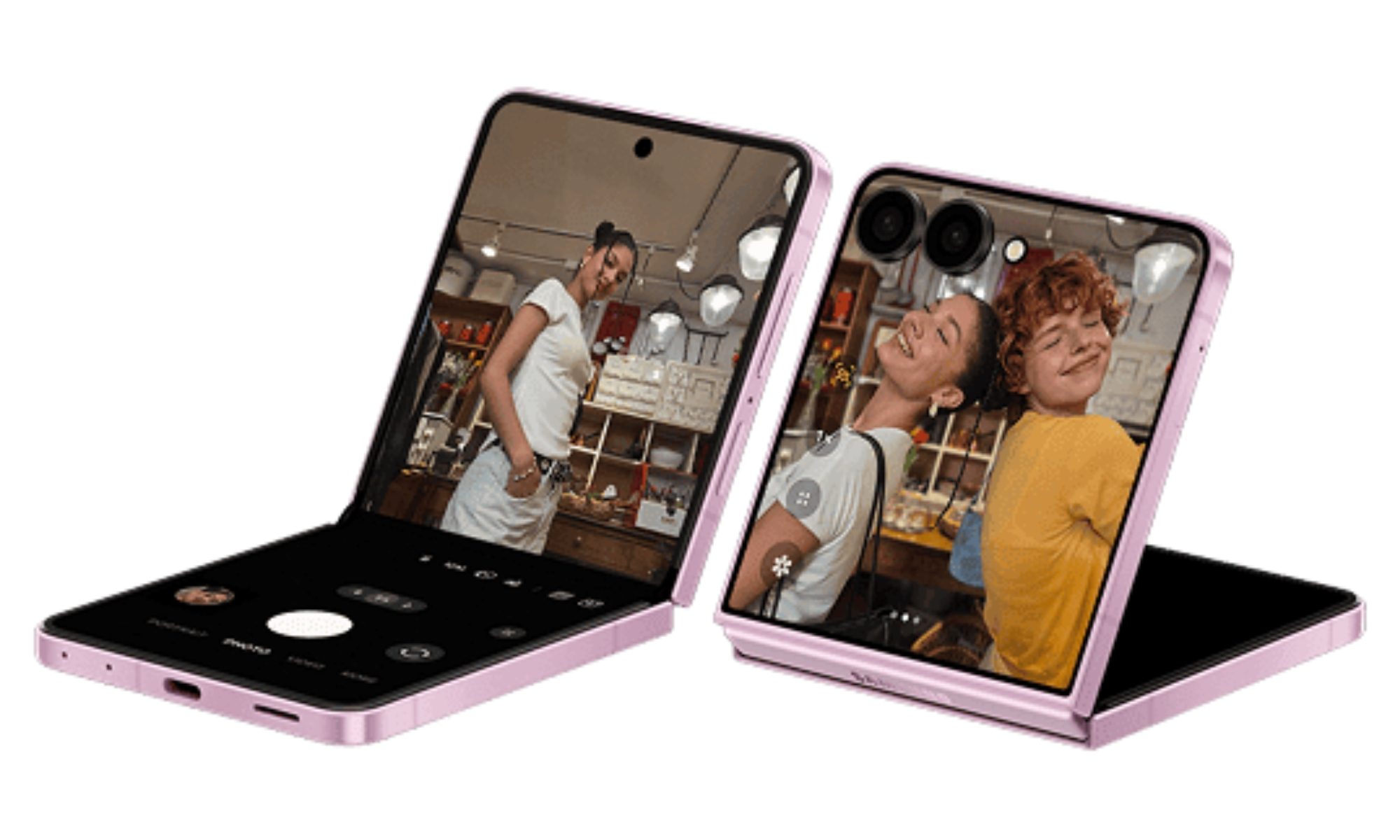
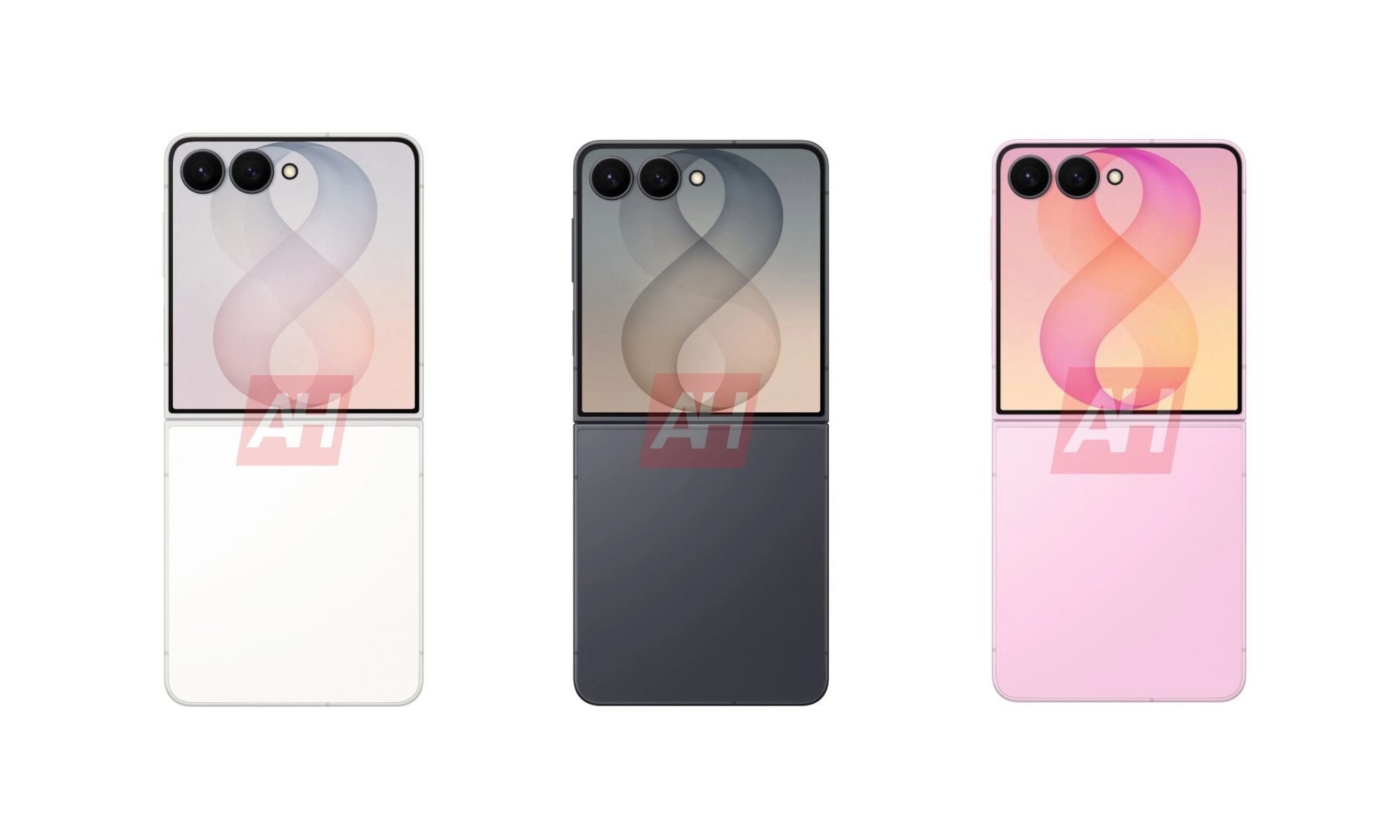
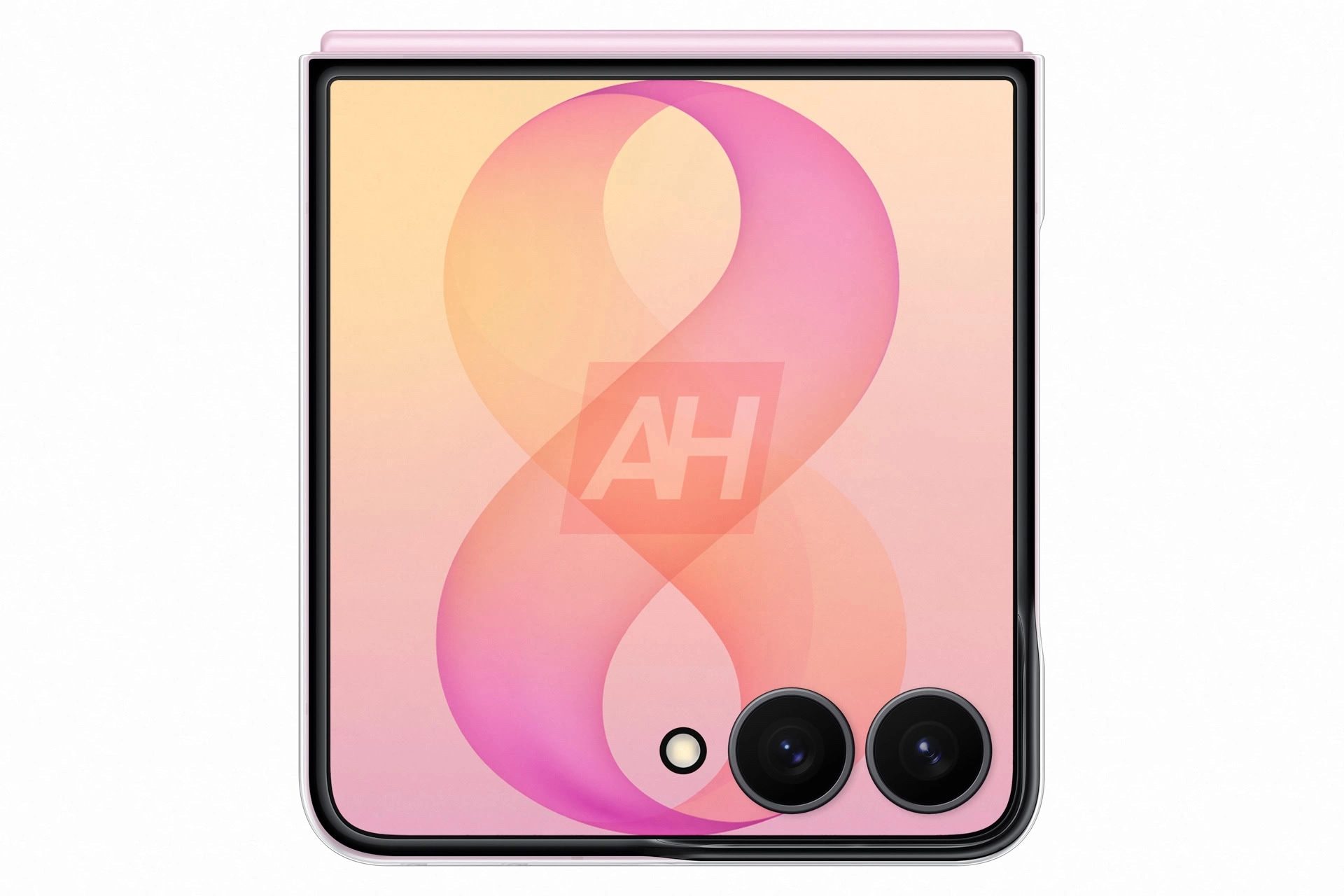
When it comes to the aesthetic of the Galaxy Z Flip 8, early renders suggest that Samsung will largely stick to its successful and recognizable design language. The Flip 8 is expected to be virtually indistinguishable from its predecessor, the Flip 7. This approach prioritizes refinement over radical reinvention, a strategy that has resonated well with consumers who appreciate the Flip’s compact form factor and stylish appearance.
The device is rumored to be available in a palette of attractive colors. Android Headlines has reported that the Flip 8 could be offered in Graphite, Cream, Pink, and a Samsung exclusive shade, Mint. This color variety caters to a broad range of consumer preferences, allowing for personalization and individual expression.
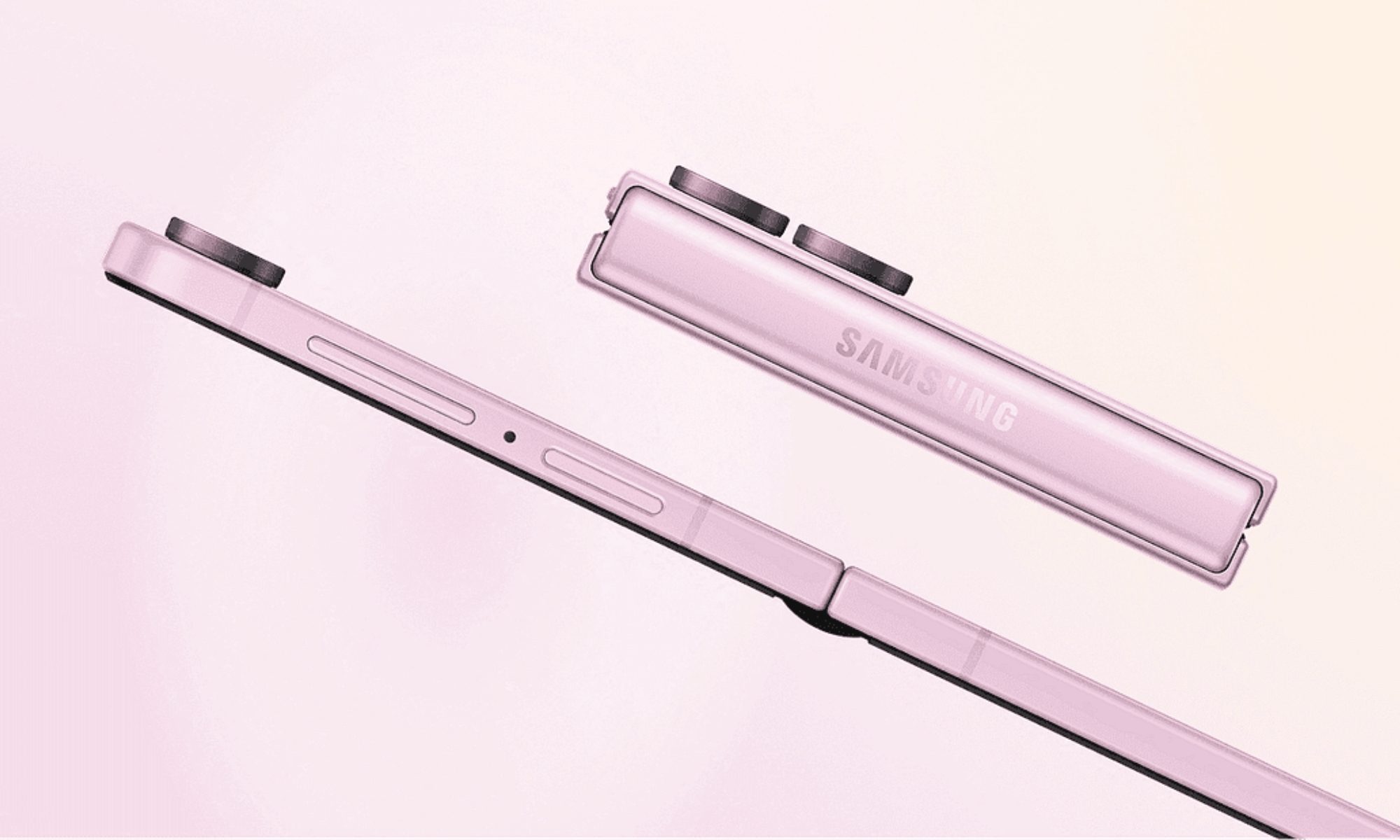
There have been conflicting reports regarding the device’s physical dimensions. One leak from Ice Universe suggested a slightly thinner profile for the Flip 8, measuring 6.6 mm compared to the Flip 7’s 6.9 mm. However, a more recent report from WinFuture contradicts this, indicating that the Flip 8 might actually be 0.2 mm thicker than the Flip 7. Despite these discrepancies in thickness, it is anticipated that the Flip 8 could be approximately eight grams lighter, contributing to an even more pocketable and comfortable user experience.
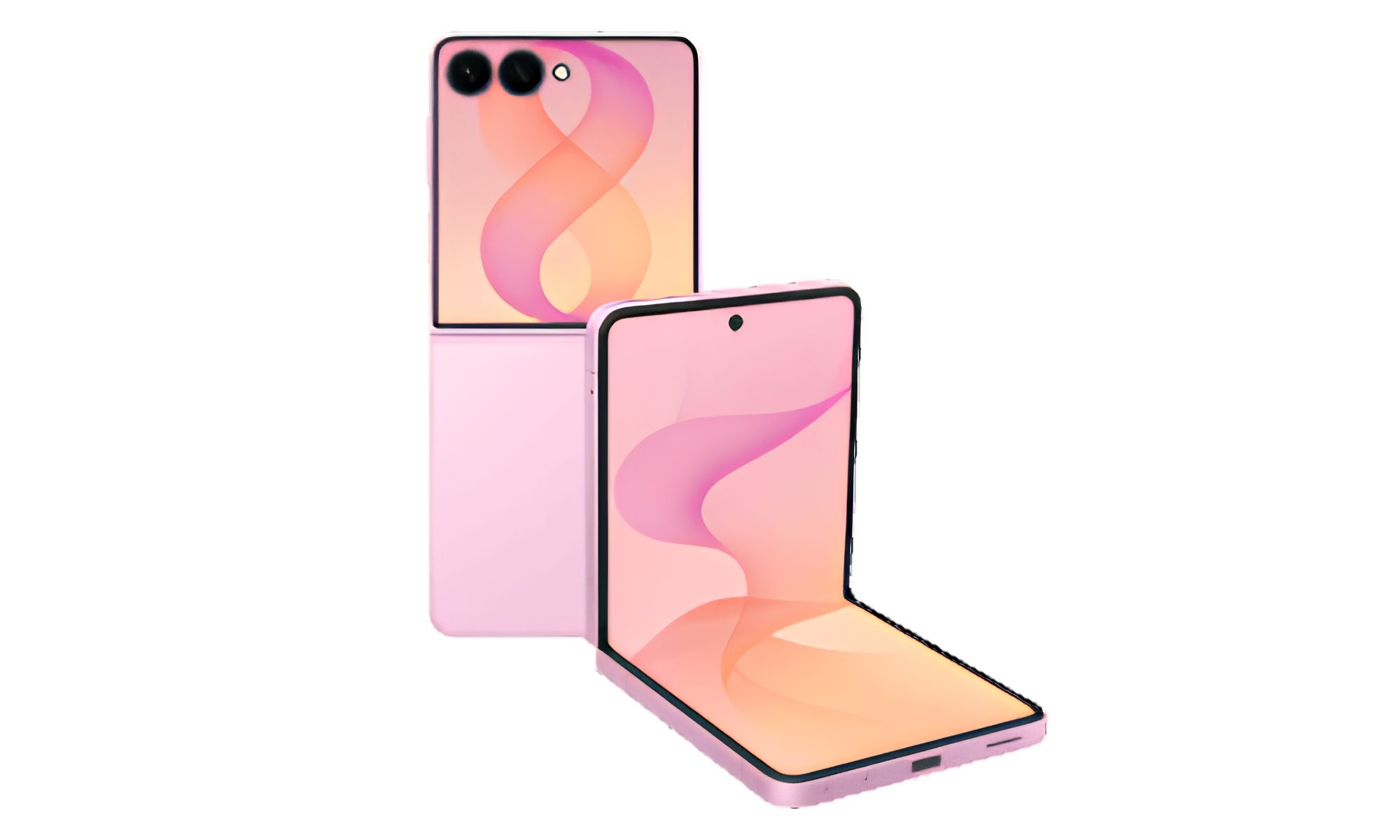
The overall design philosophy appears to be one of evolutionary refinement. Key design elements like the placement of the rear cameras, the integrated cover display, the internal punch-hole display, and the positioning of physical buttons and the USB-C port are expected to remain largely consistent with the Flip 7. This consistency ensures a familiar and intuitive user experience for those upgrading from previous Flip models.
Display Technology: A Case of Proven Performance
The display specifications for the Galaxy Z Flip 8 are expected to mirror those of the Flip 7, indicating a focus on proven technology rather than groundbreaking advancements. The main, inner foldable display is anticipated to remain a 6.9-inch Dynamic AMOLED 2X panel with a smooth 120Hz refresh rate. This screen size and technology have been well-received for their vibrant colors, deep contrasts, and fluid animations, making it ideal for media consumption and general smartphone use.
Similarly, the external cover display is also rumored to retain its 4.1-inch Super AMOLED configuration. This secondary screen is crucial for quick glances at notifications, checking the time, and even taking selfies without unfolding the device. While it’s a functional and useful feature, it’s not expected to see any significant size or resolution upgrades in this iteration.
The decision to maintain the existing display specifications, especially in light of a potential price increase, might raise eyebrows among consumers. While the current display technology is undoubtedly high-quality, buyers often expect some form of upgrade or enhancement when faced with higher prices. The peak brightness of 2,600 nits for both the inner and outer displays, a feature carried over from the Flip 7, remains a strong point, ensuring excellent visibility even in bright sunlight.
Furthermore, recent reports suggest that the Flip 8 will not incorporate Samsung’s new Flex Titanium display technology. This advanced display technology, which was rumored to offer improved durability and a less noticeable crease on the Fold 8 and Fold 8 Ultra, is unlikely to be featured in the Flip 8. This means the characteristic crease in the foldable display, a common trait of current foldable phones, is expected to persist. This absence of a significant display upgrade, particularly concerning crease mitigation, could be a point of contention for some users who are seeking the absolute latest in foldable screen technology.
Performance: An Exynos Heartbeat for the Flip 8
A key differentiator between the upcoming Fold 8 series and the Flip 8 lies in their respective chipsets. While the book-style Fold 8 and Fold 8 Ultra are rumored to be powered by the cutting-edge Snapdragon 8 Elite Gen 5 for Galaxy chipset, the Flip 8 is expected to feature Samsung’s own Exynos 2600 processor.
This choice of chipset is significant. For years, Samsung has employed a dual-chip strategy in different regions, often equipping its flagship devices with either Qualcomm’s Snapdragon or its in-house Exynos processors. While the Flip 7 utilized the Exynos 2500, the expectation of a Snapdragon chip in the Flip 8 was a hope for many. However, these latest leaks indicate a continuation of the Exynos lineage for the Flip 8.
The Exynos 2600 is a 10-core chipset clocked at up to 3.8GHz. This represents a performance step up from the Exynos 2500 found in the Flip 7. It will be paired with a generous 12GB of LPDDR5X RAM across both storage variants (256GB and 512GB). LPDDR5X RAM offers improved speed and power efficiency compared to previous generations, which should contribute to a smoother multitasking experience and faster app loading times.
Early benchmarks and real-world usage of the Exynos 2600 on devices like the Indian variant of the Galaxy S26 have shown promising peak performance capabilities. However, concerns have been raised regarding thermal management, with some users reporting that the chip can get warm under sustained heavy workloads. While the Exynos 2600 is certainly capable of handling the demands of a clamshell foldable, potential buyers might want to monitor reviews for detailed insights into its thermal performance during extended use.
The absence of a Snapdragon chipset in the Flip 8, particularly for markets that have historically received Snapdragon variants, might lead to disappointment for some users who associate Snapdragon with superior performance and efficiency. However, Samsung’s Exynos processors have seen significant improvements over the years, and the Exynos 2600 is expected to deliver a robust and capable experience for everyday tasks and most demanding applications.
Software Experience: One UI 9 and Android 17 Promise
The Galaxy Z Flip 8 will undoubtedly launch with Samsung’s latest iteration of its custom user interface, One UI 9, running atop Google’s Android 17 operating system. This combination promises a refined and feature-rich software experience.
The integration of Android 17 brings with it potential new features and enhancements directly from Google, some of which were showcased at events like The Android Show and Google I/O 2026. The specifics of how these core Android features will be implemented and optimized for Samsung’s foldable form factor remain to be seen.
Beyond the core Android updates, Samsung’s One UI 9 is expected to introduce a suite of proprietary features and improvements. Rumors suggest enhancements to the Samsung Internet Browser, including potential multi-window browsing capabilities, which would leverage the foldable form factor for more productive web navigation. Furthermore, the integration of new Galaxy AI features is highly anticipated. These AI-powered tools could offer advanced functionalities in areas such as photography, productivity, and device personalization, building upon the AI capabilities introduced in previous Samsung flagships.
A significant aspect of Samsung’s software strategy is its commitment to long-term support. Like its predecessors, the Galaxy Z Flip 8 is expected to receive seven years of major operating system updates and security patches. This commitment provides users with a device that will remain up-to-date and secure for an extended period, enhancing its overall value proposition and reducing the need for frequent hardware upgrades.
Camera Hardware: A Familiar Setup with Potential Software Gains
In line with the theme of evolutionary updates, the camera hardware on the Galaxy Z Flip 8 is expected to remain largely unchanged from the Flip 7. This means users can anticipate a dual-camera setup on the rear, comprising a 50MP primary sensor with optical image stabilization (OIS) and a 12MP ultrawide sensor. The internal selfie camera is likely to be a 10MP shooter.
While the hardware specifications appear to be a carry-over, the computational photography pipeline could see improvements. The Exynos 2600’s new Image Signal Processor (ISP) may offer enhanced image processing capabilities, potentially leading to better dynamic range, color accuracy, and low-light performance. However, without new sensor hardware or updated apertures, the leap in photographic quality might be more subtle.
This camera setup stands in contrast to the rumored upgrades for the Fold 8 Ultra, which is expected to feature a significantly more advanced camera array, including a 200MP primary camera, a 10MP telephoto lens, and a new 50MP ultrawide sensor. This highlights Samsung’s tiered approach to feature distribution within its foldable lineup, reserving the most cutting-edge camera technology for its premium and larger-form-factor devices.
For Flip 8 users, the expectation is that the device will continue to deliver competent and reliable photography for everyday use, social media sharing, and video calls. The lack of significant hardware upgrades in this area, however, might be a point of consideration for photography enthusiasts.
Battery and Charging: Incremental Improvements Amidst Stagnation
The battery situation on the Galaxy Z Flip 8 is poised to be one of its most discussed, and potentially frustrating, aspects. The device is expected to retain the same 4,300 mAh battery capacity as the Flip 7. This decision, while prioritizing the slim profile of the foldable, puts it at a disadvantage compared to some competitors. For context, Motorola’s premium flip phones, such as the Razr Ultra 2026, are shipping with larger 5,000 mAh batteries. This deliberate trade-off for form factor over extended battery life is a characteristic Samsung has maintained with its Flip series.
However, there is one notable upgrade in the charging department. The wired charging speed is expected to increase from the Flip 7’s 25W to a faster 45W on the Flip 8. While a 4,300 mAh battery charged at 45W will likely take around an hour to reach full capacity, this is a welcome improvement for users who need to quickly top up their device. Wireless charging support is also expected to continue, though the specifics of its speed and whether it will incorporate magnetic charging capabilities, similar to Apple’s MagSafe, remain to be seen.
The stagnation in battery capacity, coupled with the potential price increase, might be a difficult pill for consumers to swallow. In a market where battery life is a crucial purchasing factor, Samsung’s decision to maintain the 4,300 mAh capacity could be a point of contention, especially when other manufacturers are pushing the boundaries of battery technology in their foldable offerings.
Should You Wait for the Flip 8, or Buy Now?
The decision of whether to wait for the Galaxy Z Flip 8 or purchase a device now hinges on individual priorities and brand loyalty. For those upgrading from older models like the Flip 4 or Flip 5, and who are committed to Samsung’s foldable ecosystem and the clamshell form factor, waiting for the Flip 8 might be a logical choice. The promise of refined design, a capable chipset, and an extended software support lifecycle are compelling reasons to hold out.
However, for consumers who prioritize battery life, cutting-edge camera hardware, or are open to exploring alternatives, the landscape looks different. The Motorola Razr Ultra 2026, for example, is already available and offers a larger 5,000 mAh battery, the powerful Snapdragon 8 Elite Gen 5 chipset, and a competitive camera setup. While its $1,499 price tag is substantial, it presents a compelling alternative for those seeking more in a foldable phone.
Ultimately, the Galaxy Z Flip 8 appears to be positioned as a device for the loyal Samsung enthusiast who appreciates the iterative improvements and the established Flip experience. It represents a continuation of a successful formula, with key upgrades focused on internal performance and charging speed, while maintaining a familiar design and display. The ultimate success of the Flip 8 will likely depend on how consumers perceive the value proposition of its incremental upgrades in the face of rising prices and the availability of feature-rich alternatives.