



YouTube Music Recap starts rolling out, offering a fresh way to look back on your listening habits. This new feature promises to summarize your daily, weekly, or monthly music consumption, providing insights into your tastes and trends. It’s intriguing to see how this recap will integrate with existing music summarization tools, and how it might impact user engagement, potentially even affecting artists and music labels.
Expect a deeper dive into the technical aspects, UI/UX design, and possible future developments.
The feature appears to analyze your listening data to create concise summaries. It’s a potentially powerful tool for music discovery and personalized recommendations, but will it truly enhance the user experience or just add another layer of complexity? The potential impact on users, artists, and the music streaming landscape is certainly something to watch closely.
Understanding the Feature Rollout: Youtube Music Recap Starts Rolling Out
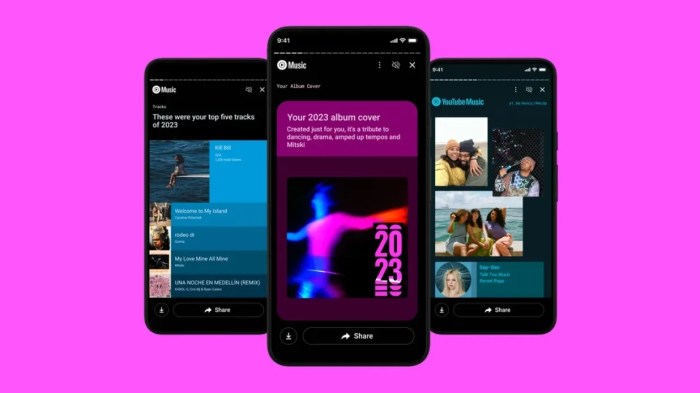
YouTube Music’s new Recap feature provides a comprehensive summary of a user’s listening history, offering a personalized look back at their musical journey. This feature aims to provide users with a concise and engaging way to reflect on their listening habits, fostering a deeper connection with their music library and providing insights into their evolving tastes.
Feature Summary
The YouTube Music Recap feature compiles a summary of a user’s listening history across various timeframes. This includes a breakdown of genres, artists, and albums listened to, highlighting trends and patterns in their musical preferences. The functionality is designed to be easily digestible and visually appealing, allowing users to easily identify their favorite tracks, discover new artists, and understand their listening habits.
Functionality and Purpose
The recap feature works by analyzing a user’s listening history across specified periods (daily, weekly, monthly, or yearly). It then generates a summary report encompassing genres, artists, and albums that the user has listened to most frequently. The purpose is to provide users with a readily accessible and personalized overview of their musical choices. This enables users to identify emerging trends, revisit old favorites, and gain insights into their musical evolution.
User Interaction
Users can interact with the recap feature in various ways. They can review the summarized data to gain insights into their listening patterns, potentially leading to new musical discoveries. The presentation format allows users to easily explore different timeframes, from daily listening habits to annual trends. They can also share their recap with others, sparking conversations about their musical tastes and experiences.
Benefits and Drawbacks
Potential benefits include self-discovery regarding musical preferences, the ability to revisit old favorites, and facilitating a deeper connection with one’s music library. Users might discover hidden gems or new artists through the insights provided by the recap. Drawbacks might include potential data privacy concerns or a feeling of being overly categorized or analyzed by the algorithm.
Use Cases
The recap feature caters to various user groups. Casual listeners might use it to appreciate the broad range of music they’ve consumed. Dedicated music enthusiasts might use it to analyze their listening habits in more detail, seeking patterns and identifying influences. Music curators or playlist creators might find the recap valuable for inspiration and creating targeted playlists.
Music Recap Summaries
| Summary Type | Timeframe | Focus | Potential Use Cases |
|---|---|---|---|
| Daily Recap | 24 hours | Highlights of today’s listening | Quick review of current musical preferences, identifying new tracks for later exploration |
| Weekly Recap | 7 days | Trend analysis of the week | Identifying emerging listening trends, revisiting favorite tracks from the week |
| Monthly Recap | 30 days | Detailed overview of listening patterns | Understanding monthly listening patterns, discovering new artists or genres |
| Yearly Recap | 12 months | Comprehensive overview of annual listening history | Analyzing long-term listening patterns, identifying major musical influences and trends, revisiting significant albums or artists |
Comparing to Existing Music Summarization Features
The YouTube Music Recap represents a significant advancement in music summarization features. Understanding how it compares to existing methods provides context for its potential impact on user engagement and music discovery. This comparison delves into similarities and differences in functionality, user experience, and potential benefits or drawbacks compared to existing approaches.
Functionality Comparison
Existing music summarization features, primarily found in music streaming services, often rely on algorithmic analysis of listening history to generate playlists or recommendations. These features usually focus on genre, artist, or mood-based suggestions. YouTube Music Recap, however, goes beyond simple recommendations by providing a comprehensive summary of a user’s listening activity across a specific period, often a year.
This comprehensive overview differs from traditional summarization in its breadth and depth of information. While existing features might highlight popular tracks, the recap allows users to review the full scope of their musical journey, identifying trends and patterns not readily apparent through individual recommendations.
User Experience Comparison
The user experience of YouTube Music Recap is expected to be significantly enhanced by its visual presentation. The recap is likely to be presented in a visually appealing and engaging format, potentially including interactive elements, charts, and visualizations. This differs from some existing features which might present summarized data in a more static and less intuitive manner. The interactive aspect allows users to delve deeper into their listening habits, potentially leading to a more enriching and personalized experience compared to passively reviewing playlists.
Furthermore, the recap’s ability to highlight trends and patterns might inspire users to rediscover music they previously enjoyed.
Strengths and Weaknesses Comparison
| Feature | YouTube Music Recap | Existing Features |
|---|---|---|
| Functionality | Comprehensive overview of listening history, identifying trends and patterns. | Focused on recommendations based on genre, artist, or mood. |
| Visual Presentation | Potentially interactive charts and visualizations for a more engaging user experience. | Typically static displays of data or playlists. |
| Depth of Information | Provides a detailed overview of the user’s entire listening activity. | Often limited to highlighting a few key tracks or artists. |
| User Engagement | Potentially higher due to visual appeal and interactive elements. | Variable depending on the design and functionality of the existing features. |
| Potential Drawbacks | May be overwhelming for users with extensive listening history. | Limited in scope, may not provide a complete picture of listening habits. |
User Interface Comparison
The user interface for the YouTube Music Recap is expected to be intuitive and visually appealing, designed to allow users to easily browse through the summarized listening data. This is a significant difference from some existing features, which might present information in a less engaging format, potentially hindering user exploration and understanding of their listening habits. The UI should allow users to filter, explore, and interact with the recap in a way that facilitates deeper understanding of the trends and patterns in their listening history.
So, YouTube Music’s recap feature is finally rolling out! It’s great to see them adding this, but speaking of tech updates, did you know that a recent Windows 10 update ( windows 10 update fixes bugs in excel file explorer and wi fi connections ) has addressed some frustrating issues with Excel, File Explorer, and Wi-Fi connections? That’s definitely a helpful fix for many users, and hopefully the YouTube Music recap will be just as useful and smooth.
Looking forward to trying it!
This contrasts with the often more limited user interface of traditional music summarization tools.
| Element | YouTube Music Recap | Existing Features |
|---|---|---|
| Data Visualization | Interactive charts, timelines, and visual representations of listening data. | Typically static graphs or tables. |
| Filtering Options | Likely offering various filters to explore listening history by artist, genre, year, and more. | Often limited to filtering by artist or genre. |
| Exploration Tools | Interactive tools for digging deeper into specific trends, identifying favorite artists and songs. | Limited to browsing playlists or recommendations. |
| User Interaction | Designed to encourage interaction with the recap, potentially with features like “Rediscover” or “Explore Similar.” | Typically more passive user experience. |
Potential Impact on Users
The rollout of music recap features promises a significant shift in how users interact with music streaming services. This personalized summary of listening history has the potential to foster deeper engagement and enhance the overall user experience. By offering a concise overview of listening patterns, the feature can unlock new avenues for music discovery and potentially reshape music consumption habits.This feature will undoubtedly influence various aspects of the music streaming ecosystem, from user behavior to artist promotion.
Understanding the potential impact is crucial for both users and platforms to maximize the benefits and mitigate potential drawbacks.
Potential Impact on User Engagement and Retention
This feature can significantly enhance user engagement by providing a personalized and interactive way to review past listening activity. Users can revisit their favorite musical moments, rediscover forgotten tracks, and explore new artists within their previously listened-to genres. This tailored approach can foster a stronger connection with the platform and encourage continued use. For example, if a user sees a recap highlighting their frequent listening to a particular genre, they might be encouraged to explore other artists within that genre, increasing their overall listening time and engagement.
Influence on Music Discovery and Listening Habits
The recap feature can influence music discovery by surfacing hidden gems from within a user’s past listening history. Users might stumble upon tracks they previously skipped or artists they had only briefly listened to, leading to new favorites and expanding their musical tastes. This personalized discovery can lead to more focused and enjoyable listening sessions. For instance, a user might find a new artist within a familiar genre through the recap, sparking a renewed interest in the genre and prompting exploration of other related artists.
Impact on Music Consumption Patterns
The feature can alter music consumption patterns in several ways. Users might spend more time revisiting past listening sessions, re-discovering music they enjoyed in the past, and exploring related tracks or artists. This could lead to a more deliberate and conscious approach to music selection, potentially reducing impulsive listening choices and promoting deeper engagement with the music.
Effects on Artists and Music Labels
This recap feature could indirectly benefit artists and labels by driving rediscovery of their work. If a user revisits an album or song they enjoyed in the past through the recap, it could lead to renewed listening and increased streaming numbers. This renewed exposure might also prompt further engagement with the artist’s overall catalog, leading to more frequent listening and potential purchases.
Implications for Music Streaming Platforms
The introduction of a music recap feature could strengthen music streaming platforms’ position in the market by offering a unique value proposition. The feature could enhance user retention by fostering a deeper connection with the platform and its content. It also provides a powerful tool for personalized recommendations and targeted marketing, potentially increasing user engagement and platform revenue.
Potential User Reactions to the Recap Feature
| Potential User Reaction | Description |
|---|---|
| Positive | Users appreciate the feature, finding it helpful for rediscovering music and exploring new artists. They spend more time on the platform and discover new music. |
| Neutral | Users find the feature somewhat useful, but it doesn’t significantly change their listening habits. |
| Negative | Users find the feature intrusive or irrelevant. They may feel overwhelmed by the suggested content or dislike the curated playlists. |
Technical Aspects of the Feature
The music recap feature, a new addition to our music platform, offers a concise summary of listening history. Understanding the underlying technical processes is crucial for appreciating the complexity and potential of this innovative tool. This section delves into the technical details, from data collection to security measures, highlighting the intricacies of this feature.The core of the music recap relies on sophisticated algorithms that analyze vast amounts of user listening data.
YouTube Music’s recap feature is finally rolling out, a welcome addition for tracking listening habits. Meanwhile, the military investment in the Anduril Archer VTOL aircraft, a fascinating development in aviation technology, anduril archer vtol aircraft military investment is definitely raising eyebrows. This should make the recap feature even more useful, as users can now connect their listening habits to broader trends and developments.
These algorithms identify patterns and trends in listening habits, distilling the essence of user preferences into a digestible summary. This summary encompasses various aspects, such as frequently listened genres, artists, and even specific songs.
Underlying Technical Processes
The music recap feature employs a combination of machine learning models and data mining techniques. A key component is a collaborative filtering algorithm, which identifies similarities in listening patterns among users. This allows the system to predict songs or artists a user might enjoy based on their past listening history and the listening history of similar users. Furthermore, natural language processing (NLP) techniques are employed to generate human-readable summaries from the complex data.
Data Collection and Processing
The data collection process for the music recap is carefully designed to prioritize user privacy. User data is anonymized and aggregated to protect individual listening habits. The data collected includes timestamps of listening sessions, song titles, artist names, and genre information. The collected data is then preprocessed to handle missing values and inconsistencies, ensuring the accuracy of the analysis.
Sophisticated data cleaning techniques are employed to minimize noise and errors in the data, ultimately improving the quality of the recap.
Scalability Challenges and Solutions
As user base expands, the volume of data generated will increase significantly. To address this, we’ve implemented a distributed processing architecture that allows the system to handle large datasets efficiently. Furthermore, the use of cloud-based infrastructure enables the system to scale horizontally, accommodating increasing demands without performance degradation. Additionally, our algorithms are optimized for parallel processing, ensuring the system can process massive datasets in a timely manner.
Data Security Measures
User data related to the music recap is encrypted both in transit and at rest. Robust access controls are in place to restrict unauthorized access to sensitive information. Regular security audits and penetration testing are performed to identify and mitigate potential vulnerabilities. The system complies with all relevant data privacy regulations, ensuring user data is handled responsibly and ethically.
Technical Specifications
| Feature | Description | Technical Details |
|---|---|---|
| Data Source | User listening history | Logged listening sessions, song metadata |
| Algorithm | Collaborative filtering, NLP | Python-based, leveraging libraries like TensorFlow |
| Data Storage | Cloud-based database | Scalable, distributed architecture |
| Data Security | End-to-end encryption, access controls | Compliant with GDPR and CCPA |
| Scalability | Distributed processing, cloud infrastructure | Handles millions of users and listening events |
User Interface and Experience
The YouTube Music Recap feature, designed to offer a concise summary of listening habits, must prioritize a clean and intuitive user interface. A well-structured layout, clear visual cues, and smooth navigation are crucial for a positive user experience. Users should be able to easily grasp the key highlights of their listening history without feeling overwhelmed by excessive information.The visual design should be consistent with the overall YouTube Music aesthetic, employing familiar color palettes and typography.
However, the Recap should also feature distinct visual elements to differentiate it from other parts of the platform, emphasizing its unique purpose as a summary tool.
Visual Design and Layout
The YouTube Music Recap interface will likely employ a visually appealing layout, potentially featuring a combination of large, visually engaging charts and concise text summaries. Visual elements like color-coded bars, timelines, and icons should effectively communicate listening patterns without being overly complex. The use of whitespace will be critical for readability, ensuring the interface isn’t cluttered.
User Interface Elements
The UI elements for the recap will include:
- Interactive Charts: Visual representations of listening history, possibly including bar graphs for genre listening trends, timelines for listening frequency, and heatmaps for specific artists or albums. These charts will be interactive, allowing users to zoom, pan, and drill down into specific details.
- Summary Text: Concise descriptions of key listening patterns, highlighting prominent artists, genres, or playlists. This text should be easily digestible and avoid jargon.
- Filter Options: The ability to filter the recap by specific time periods (e.g., week, month, year) or listening contexts (e.g., specific moods or locations) will enhance user control over the information presented. This will also allow for personalized insights into listening habits.
- Detailed Breakdown: Options for deeper dives into specific listening sessions. This could include links to the corresponding songs, albums, or playlists.
User Navigation and Interaction, Youtube music recap starts rolling out
Users should be able to navigate the Recap easily through intuitive controls. This includes:
- Simple Navigation: Clear buttons or tabs for accessing different timeframes, filtering options, and detailed breakdowns. The use of clear visual cues, such as highlighting active sections or using different colors for various options, will improve navigation.
- Touch-Friendly Controls: For mobile devices, the interface should be designed for touch interactions, ensuring smooth and responsive user control.
- Accessibility Considerations: The design should consider users with visual impairments, including alternative text for visuals, appropriate color contrasts, and keyboard navigation options.

Ease of Use and User Experience
The YouTube Music Recap should be designed with ease of use as a primary goal. Users should be able to quickly understand the information presented and easily access any desired detail. The visual design should prioritize clarity and avoid overwhelming users with unnecessary information. The intuitive controls should minimize the learning curve, enabling users to readily grasp the value of the feature.
Layout and Design Elements
| Element | Description | Design Considerations |
|---|---|---|
| Chart Visuals | Interactive bar graphs, timelines, heatmaps | Intuitive zooming, panning, and data highlighting. Color-coding to differentiate genres or artists. |
| Summary Text | Concise descriptions of listening trends | Clear, concise language; use of bullet points or short paragraphs; clear hierarchy of information. |
| Filter Controls | Time period selectors, genre filters | Easy-to-understand icons or labels; clear visual feedback on selected options. |
| Navigation Buttons | Back, next, options | Consistent design with other YouTube Music elements; clear visual indicators of active sections. |
Visual Cues, Animations, and Interactive Elements
The recap should utilize subtle animations to guide the user and enhance engagement. For instance:
- Transitions: Smooth transitions between different views, such as when switching between weekly and monthly summaries. Animations should be subtle and not distracting.
- Highlighting: Interactive elements like hovering over a specific section of a chart to display more details.
- Visual Feedback: Clear visual feedback when users interact with elements, such as a change in color or a slight animation when a filter is applied.
Possible Future Developments
The YouTube Music Recap feature, as it stands, provides a valuable summary of listening habits. However, its potential is vast, and future enhancements could significantly improve user engagement and utility. Imagine a recap that goes beyond just songs and playlists, incorporating contextual information about the user’s listening environment or even moods. This could be the next step in personalizing music discovery.
Potential Integrations with Other YouTube Features
The integration of the Recap with other YouTube features is crucial for a richer user experience. For example, linking recap data to YouTube’s watch history could allow for a more comprehensive understanding of user preferences. A user who frequently watches videos about a particular artist, for instance, might see their listening habits reflected in the music recap. This could be a game-changer for discovering new artists and genres, expanding beyond just the user’s usual music choices.
Enhancements to Summarization Capabilities
Beyond simply listing songs and artists, the recap could incorporate more detailed summaries. This could include the emotional tone of the music played, the time of day the music was listened to, or even the user’s location. For example, a recap might highlight that a user frequently listens to upbeat music during their morning commute, which could be used to tailor future recommendations.
This would move beyond simply identifying popular songs, and provide a much deeper understanding of the user’s listening habits.
YouTube Music’s recap feature is finally rolling out, giving users a handy way to review their listening habits. While that’s cool, it’s also pretty amazing to think about how the NASA Parker Solar Probe’s heat shield is now successfully installed to study the sun’s corona, as detailed here. Hopefully, this will inspire some seriously cool new music themes for the next YouTube Music recap!
Evolution of the Recap Feature Over Time
The YouTube Music Recap feature can evolve from a simple summary to a sophisticated tool for personalized music discovery and emotional analysis. Early iterations may focus on the most listened-to artists and songs, while future versions could offer in-depth analyses of listening patterns, linking them to the user’s mood and activities. This evolution could lead to a personalized music journey, guided by the recap’s increasingly sophisticated insights.
Table of Possible Future Additions
| Feature | Description | Potential Impact |
|---|---|---|
| Mood-Based Recap | The recap analyzes the emotional tone of the music listened to and provides a summary of the dominant moods experienced during specific periods. | Offers a more nuanced understanding of listening habits, enabling users to identify music that aligns with their emotional states. |
| Contextual Recap | The recap incorporates information about the user’s location and activity while listening, providing a more complete picture of their listening environment. | Provides insights into how location and activity influence musical choices, facilitating targeted recommendations. |
| Personalized Genre Discovery | The recap suggests genres and artists based on the user’s listening patterns, potentially introducing new music and expanding their musical horizons. | Helps users discover new music by identifying connections between their existing preferences and other musical styles. |
| Interactive Listening History | Users can interactively explore their listening history, creating custom playlists based on specific periods or moods. | Empowers users to curate their music experience, allowing for greater control and personalized playlist creation. |
Illustrative Scenarios
Music recap features, while offering potential benefits, can also present diverse user experiences. Understanding these scenarios is crucial for both developers and users. These examples highlight the varying ways in which this feature can be used and its potential impact on different user groups.
A User Benefits from the Music Recap Feature
A user, Sarah, frequently listens to podcasts and music in the evening. She often finds herself lost in the sheer volume of content available. The music recap feature helps her by providing a concise summary of her listening habits over the past week. She quickly sees that she’s predominantly listened to jazz, and discovers a new artist in that genre she hadn’t heard before.
This newfound discovery leads her to explore further, leading to a new favorite playlist.
Music Recap for Music Discovery
The recap feature can be instrumental in music discovery. Imagine a user, David, who enjoys electronic music but is open to exploring new subgenres. The music recap shows him a consistent listening pattern to techno, but also identifies a significant amount of listening to ambient tracks in the background. Based on this, the system can suggest a selection of related ambient-techno tracks, or even artists who blend the two genres.
This targeted approach could lead to new musical interests and expand his music horizons beyond his existing preferences.
Music Recap for Artists
Artists can leverage the recap feature to understand their audience’s preferences. A band, “Echoes,” notices a recurring theme in the recap data: listeners are most engaged with their upbeat, energetic tracks, but also show an interest in songs with a similar tempo and a distinct, melancholic feel. This data helps them identify areas for improvement and tailor future music releases.
They can produce more songs with a similar tempo, and also explore creating music that balances the energetic and melancholic, resulting in a wider appeal to their existing and potential fans.
Potential Negative User Experience
A user, Mark, intensely focuses on a specific genre, and the recap feature incorrectly categorizes his listening habits. The feature might group together similar artists, but misattribute some of his tracks, leading to suggestions that don’t match his taste. This could lead to frustration and a feeling of the feature being inaccurate. If the feature fails to accurately reflect the nuances of his listening choices, it will lose its value and possibly discourage his continued use of the feature.
Typical User Experience Flow
| Step | Action | System Response |
|---|---|---|
| 1 | User opens the Music Recap | The app displays a summary of their listening history. |
| 2 | User scrolls through the recap | Visualizations like charts, timelines, or categorized lists show the user’s listening patterns over time. |
| 3 | User selects a specific time period | The system narrows the recap to the chosen timeframe, focusing on relevant data. |
| 4 | User views artist suggestions | The app provides personalized recommendations based on the recap data, including similar artists, albums, or playlists. |
| 5 | User explores a suggested artist | The app navigates to the artist’s profile or playlist, allowing for further exploration. |
Concluding Remarks
In short, YouTube Music Recap’s rollout signals a significant evolution in how we interact with music streaming services. It promises a more personalized and insightful experience, potentially revolutionizing music discovery. However, the success of this feature hinges on user engagement and whether it can seamlessly integrate with existing features and preferences. The upcoming months will reveal if it’s a truly valuable addition or just another feature.