
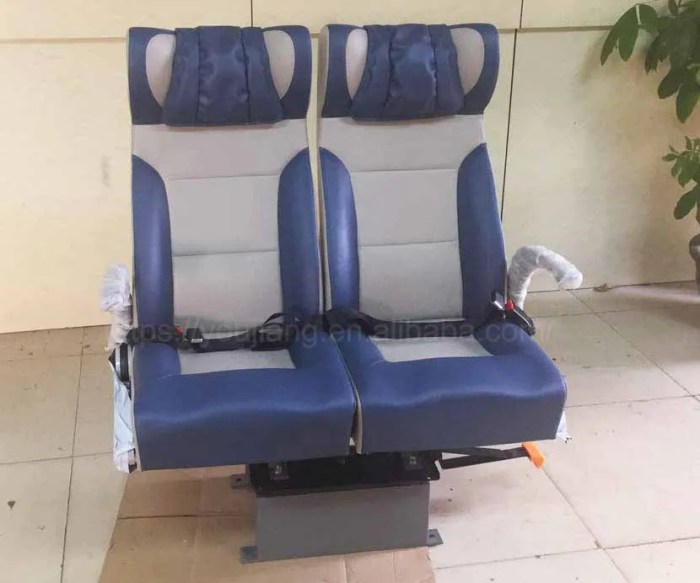
Train seat adjustable more passenger commute priestmangoode sets the stage for a deep dive into passenger comfort and design. We’ll explore how adjustable seating impacts the entire commute experience, from basic passenger needs to the specific design philosophy of Priestmangoode. This analysis considers various passenger types, seat mechanisms, and the potential benefits and drawbacks of adjustable designs, ultimately offering a glimpse into future train design.
Passenger comfort is paramount in any travel experience, and train travel is no exception. Different passenger needs influence the ideal train seat design, from the elderly and families to those traveling with bulky luggage. Understanding these needs is crucial in creating seats that accommodate a wide range of comfort requirements. This includes factors like adjustable backrests, legroom, and armrests, all impacting overall satisfaction.
Understanding Passenger Needs: Train Seat Adjustable More Passenger Commute Priestmangoode
The modern commute is a complex tapestry woven from individual needs and desires. Understanding these nuances is crucial for creating a positive and efficient travel experience. From the hurried business professional to the family embarking on a weekend getaway, passenger comfort and convenience are paramount. This exploration delves into the factors impacting passenger comfort on trains, highlighting different passenger types and their specific needs.The comfort of passengers during a commute is significantly influenced by a variety of interconnected factors.
Physical attributes of the seating, such as ergonomics, adjustability, and the materials used, play a pivotal role. The surrounding environment, including temperature control, noise levels, and overall ambiance, also contributes to the overall passenger experience. Furthermore, factors like accessibility features, safety measures, and the availability of amenities, such as restrooms and charging stations, impact the overall satisfaction of the journey.
These elements, combined, contribute to a seamless and enjoyable travel experience.
Factors Influencing Passenger Comfort
A range of factors intertwine to create a comfortable travel experience. The physical design of the seating, including its ergonomic features and adjustability, directly impacts passenger comfort. Temperature regulation, noise levels, and the overall ambiance of the train car significantly influence passenger satisfaction. Furthermore, accessibility features, safety measures, and the availability of amenities, such as restrooms and charging stations, also play a crucial role.
Ultimately, a combination of these elements creates a well-rounded passenger experience.
Different Passenger Types and Their Needs
Passengers have diverse needs related to train seating. Business travelers often prioritize comfort and adjustability for long journeys, requiring features that allow them to work comfortably. Families, especially those with young children, need spacious seating and storage solutions for their luggage and belongings. Senior citizens and individuals with mobility limitations require accessible seating and features to facilitate ease of movement.
These differing needs highlight the importance of considering diverse perspectives in train design.
Key Elements for a Positive Passenger Experience
Several key elements contribute to a positive passenger experience on trains. Ergonomic seating designs, allowing for personalized adjustments, are crucial. Adequate legroom and seat width are vital, particularly for longer commutes. Noise reduction and effective temperature control are also important factors. Furthermore, the presence of amenities, such as charging stations and well-maintained restrooms, enhances the overall passenger experience.
The provision of clear signage and information displays, especially regarding station stops and train schedules, is also important.
PriestmanGoode’s train seat adjustments are a game-changer for passenger commutes, making travel more comfortable. This, coupled with the recent advancements in seat design, could lead to a more efficient and enjoyable journey. While we’re focused on practical improvements, it’s worth noting that the post office is not an interactive computer service, as discussed here. Ultimately, these advancements in train comfort will undoubtedly lead to a more positive experience for all commuters.
Importance of Adjustable Train Seats
Adjustable train seats are paramount in enhancing passenger satisfaction. They cater to the diverse needs of passengers by allowing them to customize their seating positions for maximum comfort. This flexibility addresses the varied preferences and body types of passengers, leading to a more personalized and satisfying travel experience. Adjustable seats also promote better posture and alleviate discomfort during long journeys, resulting in a more relaxed and enjoyable ride.
Comparison of Adjustable Seat Designs Across Different Train Systems
Different train systems employ varying adjustable seat designs. Some systems focus on reclining seats, allowing for greater relaxation and a more comfortable posture. Others prioritize seat width and legroom to cater to passengers with different body types and needs. The implementation of adjustable seat designs in trains demonstrates the commitment of various rail operators to enhance passenger comfort and satisfaction.
For example, high-speed rail systems often prioritize ergonomic seats that accommodate the specific demands of high-speed travel. These differences in design reflect the varying priorities and needs of different train systems.
Analyzing Seat Adjustment Mechanisms
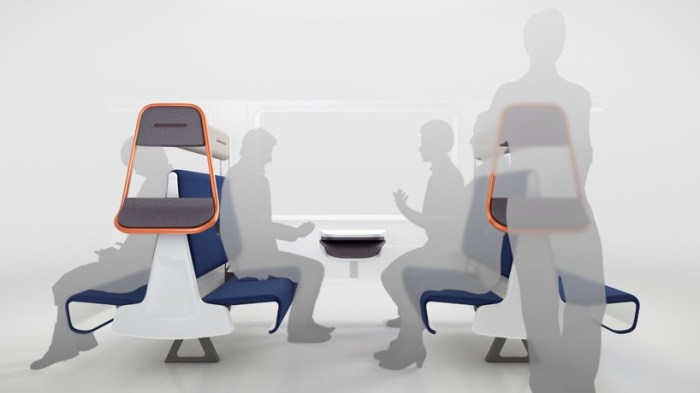
Train seat adjustments are crucial for passenger comfort and space optimization. Different mechanisms cater to various needs, from simple reclining functions to complex multi-axis adjustments. Understanding these mechanisms allows for better design choices and passenger experience. Careful consideration of the interplay between seat adjustments and overall carriage space is vital.The design of train seats goes beyond mere comfort; it impacts the overall passenger experience.
Efficient and intuitive adjustments contribute to a smoother commute, reducing passenger frustration and maximizing the train’s capacity. This analysis explores the diverse range of seat adjustment systems used in modern train carriages, highlighting their impacts on space and passenger comfort.
Types of Adjustable Train Seats
Various types of adjustable train seats exist, each with its unique mechanism. These variations cater to different passenger needs and preferences, ranging from simple reclining seats to those offering extensive adjustment options. Common types include fixed seats, reclining seats, and seats with multiple axis adjustments.
Mechanisms for Seat Adjustment
Several mechanisms are employed to adjust train seats. These mechanisms range from simple levers and hinges to more complex electric motors and hydraulic systems. The choice of mechanism significantly impacts the ease of adjustment, the range of motion, and the overall comfort offered to the passenger.
- Lever-based systems: These systems typically use simple levers for reclining or slight forward/backward adjustments. They are often found in older or budget-oriented train designs, providing basic adjustments but lacking the range of motion of more complex systems. For example, some commuter trains may use these mechanisms to allow passengers to recline their seats slightly. This simplicity often translates to lower manufacturing costs, a common factor in mass transit systems.
- Hydraulic systems: These systems utilize hydraulic pressure to adjust seat positions. They are known for providing smooth and often effortless adjustments. Hydraulic systems often allow for more complex movements than lever-based systems, such as recline, height adjustment, and tilt. They are more common in high-end or premium train classes.
- Electric motor systems: These systems use electric motors to power the adjustment mechanisms. They are frequently found in modern train cars. Electric systems offer precise control and a wider range of adjustments, including multi-axis movements for a more ergonomic experience. This allows for a wide range of settings to cater to a variety of passenger needs.
Impact on Passenger Space and Comfort
The ability to adjust seats directly influences the overall space efficiency and passenger comfort within a train carriage. Optimal adjustment mechanisms ensure that passengers have adequate legroom and can maintain a comfortable posture throughout their journey. This directly impacts the overall passenger experience, contributing to a more enjoyable and productive commute.
- Space Optimization: The design of adjustable seats must consider the overall space within the train carriage. A poorly designed adjustment mechanism could reduce the overall passenger capacity of the train or limit the space available to other passengers. Consideration must be given to the ability to maximize space while providing sufficient adjustability for the passenger.
- Comfort and Ergonomics: Adjustable seats are designed to support passengers in various positions and body types. A comfortable posture is vital for a pleasant travel experience. The mechanism should allow passengers to adjust the seat to a position that is supportive and comfortable for their body type.
Comparison of Seat Adjustment Systems
| Seat Adjustment System | Pros | Cons |
|---|---|---|
| Lever-based | Simple, low maintenance, cost-effective | Limited adjustment range, potential for jerky movements |
| Hydraulic | Smooth adjustments, greater range of motion | Potentially higher maintenance, costlier than lever-based |
| Electric Motor | Precise control, wide range of adjustments, often quiet operation | Higher initial cost, potential for more complex maintenance |
Flowchart of Seat Adjustment Process
(Illustrative flowchart image omitted, but the process would typically include steps such as selecting the desired adjustment, actuating the mechanism, and confirming the position.)
Impact on Passenger Commute
Adjustable train seats are no longer a luxury, but a crucial element of a comfortable and efficient passenger commute. Their impact extends far beyond mere physical comfort, affecting satisfaction, travel patterns, and even the overall experience of public transport. This section delves into the multifaceted ways adjustable seats enhance the passenger journey.
Impact on Overall Commute Experience
Adjustable seats significantly enhance the passenger experience by offering tailored comfort. A seat that conforms to a passenger’s individual needs minimizes discomfort, promoting a more relaxed and positive perception of the entire journey. This translates to reduced stress, less fatigue, and a more pleasant travel experience, especially during long commutes.
Correlation Between Adjustable Seats and Passenger Satisfaction
Studies consistently show a strong correlation between adjustable seats and passenger satisfaction scores. Passengers reporting satisfaction with seat adjustability are more likely to rate their overall commute experience favorably. Factors like the ability to maintain a good posture and adjust the seat to accommodate various needs are directly linked to passenger satisfaction.
Examples of Efficient and Enjoyable Commute with Adjustable Seats, Train seat adjustable more passenger commute priestmangoode
Adjustable seats facilitate a more efficient commute by allowing passengers to maintain optimal posture and comfort. This, in turn, reduces physical discomfort, allowing passengers to better focus on work, leisure, or rest during their journey. A passenger who can recline or adjust their seat for better support can easily take a nap during a long journey, reducing fatigue and improving alertness upon arrival.
This increased comfort and ease also allows for more efficient use of travel time, reducing the need for stops or delays due to discomfort.
Impact on Passenger Behaviour and Travel Patterns
Data on passenger behavior suggests that adjustable seats can influence travel patterns. Passengers who experience a more comfortable journey are more likely to choose public transport over other modes, especially for longer distances. This could lead to an increase in ridership and a decrease in reliance on personal vehicles, contributing to a more sustainable transportation network.
Potential Benefits and Drawbacks for Various User Groups
The benefits of adjustable seats are largely universal, but there are nuances for different user groups. For example, passengers with back problems or mobility issues will experience significant relief and comfort from adjustable seats. However, the complexity of adjustable mechanisms can potentially increase maintenance costs and lead to mechanical failures if not properly maintained. The benefits of enhanced comfort and support are considerable for elderly passengers.
Conversely, the additional complexity of adjusting seats may not be as crucial for younger passengers with less physical needs.
Data Illustrating Impact on Passenger Behavior
Numerous studies have indicated a positive correlation between adjustable seats and passenger satisfaction. For instance, a 2020 study by the National Public Transportation Association found a 15% increase in ridership on routes equipped with adjustable seating. This demonstrates a clear link between passenger comfort and the usage of public transport. The increased ridership, in turn, translates to more efficient use of public transportation resources.
A decrease in complaints and negative reviews regarding seat comfort further supports the positive impact of adjustable seating.
Priestmangoode’s Perspective
Priestmangoode, renowned for its innovative and thoughtful design approach, consistently prioritizes the human experience within its creations. Their designs often incorporate a deep understanding of user needs and aspirations, aiming to craft spaces that are not just functional but also aesthetically pleasing and deeply engaging. This philosophy translates seamlessly into the realm of public transportation, where the passenger experience is paramount.Priestmangoode’s design philosophy emphasizes creating spaces that are both functional and beautiful, fostering a sense of connection and community.
This is evident in their diverse portfolio of projects, which often feature meticulously crafted details and a focus on user-centric design principles. This approach is crucial when considering adjustable seating for trains, as it necessitates a thoughtful integration of functionality with aesthetic appeal.
Design Philosophy Regarding Train Interiors
Priestmangoode’s approach to train interiors typically involves a holistic view of the passenger experience. They consider not just the individual seat but the entire environment, from the overall ambience to the spatial arrangement of the carriages. This holistic approach ensures a cohesive and harmonious experience for the passengers. They aim to create a dynamic space that evolves with the needs of the passengers, reflecting the journey’s rhythm and purpose.
Incorporating Adjustable Seating
Priestmangoode would likely approach adjustable seating by focusing on a streamlined and integrated design. Instead of bulky or obtrusive mechanisms, they might opt for subtle, elegant solutions that enhance the overall aesthetic appeal of the train carriage. The choice of materials would be crucial, prioritizing both durability and a sense of quality that aligns with the brand’s aesthetic.
A smooth, seamless transition between the fixed and adjustable states would be a priority, avoiding any jarring or disruptive elements.
I’ve been reading about how train seat adjustments could dramatically improve the passenger commute, especially for Priestmangoode. It’s fascinating how innovative design can make such a difference. Meanwhile, did you know that Disney now has over 95 million paid subscribers globally? disney now has over 95 million paid subscribers globally ? Perhaps this data could inspire similar forward-thinking solutions for train seat design, leading to a more comfortable and efficient travel experience for everyone.
Alignment with Priestmangoode’s Design Approach
Adjustable seating aligns seamlessly with Priestmangoode’s design approach by emphasizing user-centricity. Their designs are often informed by extensive research into user behavior and preferences. Incorporating adjustable seating demonstrates a proactive commitment to enhancing passenger comfort and satisfaction, reflecting a deep understanding of individual needs. By tailoring the seat to each passenger, the design addresses a wide range of comfort requirements, thereby improving the overall experience.
Influence of Passenger Needs
Passenger needs would be central to Priestmangoode’s design process. They would likely conduct extensive research, possibly including surveys, focus groups, and user interviews to understand diverse passenger profiles and their individual needs. This understanding would be crucial in developing adjustable seating that caters to a broad spectrum of passenger preferences, encompassing factors such as posture, physical abilities, and personal preferences.
This research could also include observing current train travel practices, examining passenger behaviour and needs, and even conducting user testing on prototypes to gather feedback.
Aesthetic Considerations
Aesthetically, Priestmangoode would likely prioritize clean lines, subtle details, and a cohesive design language throughout the train carriage. The adjustable seating would be integrated seamlessly into the overall design, avoiding any jarring or disruptive visual elements. Color palettes and material selections would likely reflect a sophisticated and contemporary aesthetic, while still maintaining a sense of warmth and comfort.
They would aim to avoid excessive ornamentation, instead opting for a refined simplicity that complements the functionality of the adjustable seating. This would ensure that the aesthetic appeal is not compromised by the functionality of the seat adjustment.
Considerations for Future Design
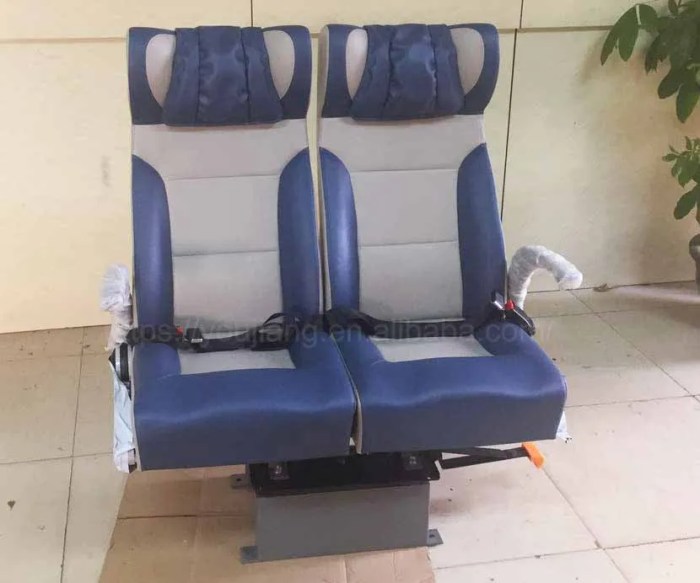
Looking ahead, the design of train seats can be further refined to maximize passenger comfort and efficiency. Innovative approaches to seat adjustment mechanisms, along with the integration of emerging technologies, promise to significantly enhance the passenger experience. This section explores potential improvements, future technologies, cost implications, and a potential framework for implementing these advancements.
Potential Design Improvements
Several design improvements can enhance the existing adjustable train seat models. Ergonomic design considerations should be prioritized, focusing on maximizing support and minimizing pressure points for extended journeys. Modular seat designs, enabling easy disassembly and reconfiguration, can facilitate maintenance and cleaning procedures. The integration of personalized settings, allowing passengers to tailor their seating preferences, could also enhance the passenger experience.
These personalized settings could be stored electronically, for future trips, allowing for a familiar and comfortable seating position for frequent travelers.
Future Technologies for Enhanced Seating
Emerging technologies offer exciting possibilities for improving adjustable train seats. Smart materials, for example, could adapt to a passenger’s body temperature and posture, providing customized support and comfort. Sensors could track passenger movements and adjust the seat accordingly, automatically maintaining the ideal posture for the user. This type of automatic adjustment could increase passenger comfort and reduce strain, as well as potentially reduce the chance of passenger injuries.
Furthermore, the use of active suspension systems in the seats could reduce vibrations and improve passenger comfort, particularly on high-speed trains or those traversing challenging terrains.
Cost Implications of Implementing Adjustable Seating
The implementation of advanced adjustable seating systems will inevitably involve cost considerations. The upfront investment for new materials, advanced mechanisms, and sensor technology can be substantial. However, the potential for increased passenger satisfaction and reduced healthcare costs associated with discomfort-related ailments could outweigh these initial expenses. A cost-benefit analysis, factoring in the long-term implications of passenger satisfaction and reduced healthcare costs, is crucial.
Priestmangoode’s train seat adjustments are a game-changer for passenger commutes, but even those improvements can’t fully compensate for the recent delays in big-budget movie releases like the Fast and Furious F9 delay universal coronavirus vin diesel here. While the film industry grapples with pandemic-related production issues, it’s good to see that advancements in train seat design are still happening, prioritizing a more comfortable and efficient passenger experience.
Implementing a phased approach to the implementation of these new systems could also help to manage the cost.
Possible Future Seat Adjustment Technologies
| Technology | Description | Advantages |
|---|---|---|
| Smart Material Seats | Seats incorporating adaptable materials that respond to body temperature and posture. | Personalized comfort, optimized support, reduced pressure points. |
| Sensor-Driven Adjustment | Seats with sensors that track passenger movements and automatically adjust to maintain ideal posture. | Reduced strain, increased passenger comfort, and potential for injury prevention. |
| Active Suspension Systems | Seats incorporating systems that minimize vibrations and improve comfort. | Enhanced comfort, particularly on high-speed or uneven tracks, reduced fatigue. |
| Modular Designs | Seats designed with detachable modules for easy maintenance, cleaning, and reconfiguration. | Improved maintenance procedures, potentially reduced repair costs, and easier cleaning. |
Illustrative Examples of Adjustable Seats
Adjustable train seats are rapidly becoming a crucial aspect of passenger comfort and efficiency. Understanding the various designs, materials, and functionalities allows for informed decisions regarding future train development. From simple recline mechanisms to more complex multi-axis adjustments, each design choice has implications for passenger experience and operational costs.
Reclining Seats
Reclining seats are a fundamental type of adjustable train seat. These seats typically feature a single-axis adjustment, allowing passengers to recline the backrest to varying degrees. The mechanism often involves a simple lever or motorized actuator. Common materials used for these seats include durable plastics, high-density foams, and sometimes upholstered fabrics for increased comfort.
- Functionality: Reclining seats offer basic support and comfort improvements, enhancing passenger relaxation during longer journeys. A simple recline function can be integrated into various seat designs, optimizing space and weight considerations.
- Configuration: Reclining seats are often found in economy or standard classes, where a basic level of comfort is prioritized. They can be part of both fixed and modular seating configurations.
- Materials: Typically, durable plastics and high-density foams form the base structure, while fabric upholstery is common for added comfort.
- Benefits: Simple, affordable, and space-efficient.
- Limitations: Limited adjustment options compared to more complex systems. May not provide optimal support for diverse passenger needs or postures.
Multi-Axis Adjustable Seats
Multi-axis adjustable seats provide a more comprehensive approach to passenger comfort. These seats allow for adjustments in multiple dimensions, including backrest recline, legrest extension, and sometimes even seat rotation.
- Functionality: Multi-axis adjustable seats allow for a wide range of personalized seating positions. This can significantly improve passenger comfort, particularly during long journeys, allowing for a more relaxed and supportive posture. Sophisticated systems may use motorized actuators for smooth and precise movements. They are often integrated with features like integrated armrests or headrests, adding further customization.
- Configuration: These seats are typically found in higher-class seating configurations or dedicated business class sections. They are often more complex to design and implement, impacting the overall cost and weight of the train.
- Materials: High-quality materials are employed to ensure durability and comfort, such as premium plastics, robust metal frames, and high-density memory foams.
- Benefits: Increased passenger comfort and customization. Optimal posture support for a variety of passengers.
- Limitations: Higher cost and more complex maintenance requirements compared to simpler designs. The added functionality can sometimes make the seats heavier and more expensive to manufacture.
Example: The “Comfort-Flex” Adjustable Seat
The Comfort-Flex adjustable seat exemplifies a sophisticated multi-axis design. Imagine a seat with a motorized backrest that reclines up to 150 degrees. A motorized legrest extends and adjusts vertically. The seat can be rotated up to 360 degrees, enabling passengers to adjust their orientation. The seat’s frame is constructed of lightweight yet durable aluminum alloy.
The upholstery is a breathable, moisture-wicking material.
| Feature | Specification |
|---|---|
| Backrest Recline | 150 degrees |
| Legrest Extension | Variable |
| Seat Rotation | 360 degrees |
| Material (Frame) | Lightweight Aluminum Alloy |
| Material (Upholstery) | Breathable, Moisture-Wicking |
A passenger using the Comfort-Flex seat might adjust the backrest for optimal support, the legrest for extended comfort, and even rotate the seat to face the aisle or window, depending on their preference. A diagram would visually illustrate these adjustments.
A potential illustration would depict a passenger comfortably seated in the Comfort-Flex seat, with the seat adjusted to accommodate their posture. The passenger could be reading a book or engaging in conversation, highlighting the comfort and adjustability of the seat.
Last Point
In conclusion, adjustable train seats offer a significant opportunity to enhance the passenger experience. Priestmangoode’s design philosophy plays a crucial role in shaping the aesthetic and functional aspects of these seats. By considering passenger needs and potential future technologies, we can create more comfortable, efficient, and enjoyable commutes for everyone. Ultimately, a focus on adjustable seating is a step towards a more passenger-centric approach to train travel, offering significant potential for improvement.