



Star Wars virtual reality force awakens plunges you into a galaxy far, far away, reimagining iconic moments and introducing fresh adventures. Experience the power of the Force in a completely immersive way, going beyond the limitations of a traditional movie screen. This detailed exploration covers everything from core gameplay mechanics to the overall atmosphere and user reception.
This in-depth look at the Star Wars VR experience, specifically focusing on the Force Awakens iteration, will explore the innovative technologies and creative storytelling employed. We’ll analyze the experience’s strengths and weaknesses, considering how it compares to other Star Wars VR experiences and traditional film viewing.
Overview of Star Wars Virtual Reality: Force Awakens
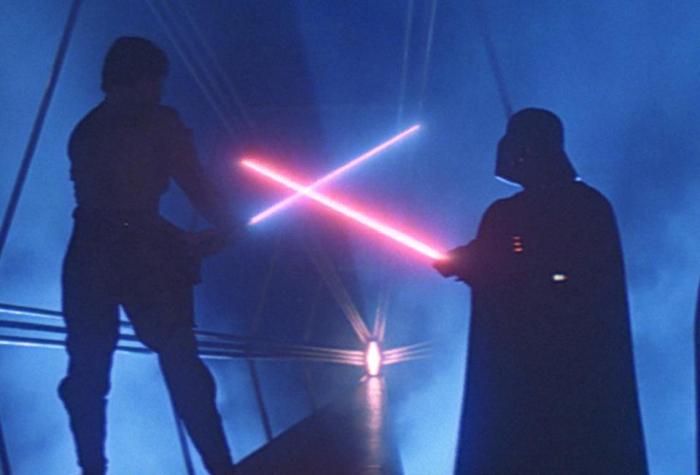
The Star Wars: Force Awakens VR experience plunges players into a captivating digital realm, recreating iconic locations and allowing them to experience the saga’s narrative in a wholly immersive manner. This review will explore the key aspects of this VR iteration, comparing it to other Star Wars VR experiences and highlighting its unique characteristics.The Force Awakens VR experience is designed to offer players a sense of agency and participation within the Star Wars universe.
By employing cutting-edge VR technology, the experience aims to transport users to the heart of the action, allowing them to feel the excitement and intensity of the film’s events.
I’m totally hyped for the Star Wars VR Force Awakens experience. The visuals are supposedly amazing, but I’m also really curious about the new OnePlus 11 Pro leaked specs; oneplus 11 pro leaked specs are pointing towards some seriously powerful hardware. Maybe this will give the VR headset the processing boost it needs to really bring the Star Wars universe to life.
Summary of the Star Wars: Force Awakens VR Experience
This VR experience focuses on offering a first-person perspective of pivotal moments in the Force Awakens narrative. Players are transported to locations like the Millennium Falcon, the Starkiller Base, and various battlefields, allowing them to interact with the environment and characters in a visceral way.
Core Mechanics and Gameplay Elements
The gameplay revolves around utilizing the Force, allowing players to manipulate objects and interact with the environment in ways that are intuitive and responsive to their actions. Players can utilize lightsaber combat, pilot spacecraft, and engage in tactical battles.
Target Audience
The target audience for this VR experience is diverse, encompassing Star Wars fans of all ages who are interested in immersive storytelling and interactive gameplay. The experience’s accessibility and intuitive controls cater to both casual and hardcore gamers.
Comparison to Other Star Wars VR Experiences
Compared to other Star Wars VR experiences, the Force Awakens iteration stands out for its focus on a more narrative-driven approach. While other experiences might emphasize action and combat, this experience emphasizes the emotional impact of the story through player interaction with the environment.
Key Differences from the Original Star Wars Films, Star wars virtual reality force awakens
The Force Awakens VR experience deviates from the original Star Wars films in its interactive nature. Players are no longer just passive observers but active participants in the narrative. This hands-on approach provides a deeper connection with the story and characters.
Overall Atmosphere and Feeling
The overall atmosphere of the Force Awakens VR experience is immersive and engaging. The use of high-quality visuals and sound design creates a sense of presence, allowing players to fully embrace the world of Star Wars. The emotional intensity of the experience is heightened by the interactive elements, ensuring that players feel a profound connection to the story’s events.
Immersive VR Experiences: Force Awakens
The Star Wars: Force Awakens VR experience transcends the traditional movie-watching paradigm. Instead of passively observing, users become active participants, stepping into the heart of the action and experiencing the galaxy far, far away in unprecedented detail. This immersion goes beyond visual spectacle, utilizing spatial audio, haptic feedback, and intuitive motion controls to create a truly embodied experience.
VR Locations and Environments
The Force Awakens VR experience immerses players in a diverse range of locations, each meticulously designed to evoke the atmosphere and feel of the film. These locations are not mere backdrops; they are integral to the narrative and provide unique challenges and opportunities.
| Location Name | Description | Atmosphere |
|---|---|---|
| Jakku | A harsh, desolate desert planet, the backdrop for Rey’s initial journey. The experience captures the vastness and emptiness of the landscape, complete with shifting sand dunes and the subtle sounds of the wind. | Harsh, unforgiving, yet strangely beautiful. A sense of isolation and discovery pervades the environment. |
| Millennium Falcon | Players can explore the iconic spaceship’s interior, from the cockpit to the cargo hold. The experience captures the claustrophobia of tight quarters and the excitement of piloting a legendary vessel. | Energetic, dynamic, and brimming with the history of space travel. The sounds of the ship’s engines and the hum of the controls create a feeling of motion and excitement. |
| Starkiller Base | This advanced military installation allows players to experience the scale and power of the First Order’s weapon. The design showcases intricate details and advanced technology, and includes immersive combat scenarios. | Powerful, threatening, and technologically advanced. The oppressive atmosphere is heightened by the menacing sounds of weapons and the echoing of footsteps. |
Spatial Audio and Haptic Feedback
The VR experience leverages spatial audio to place sounds precisely within the 3D environment. This allows for a realistic sense of sound directionality, enhancing the immersion. For instance, the roar of a TIE fighter approaching is felt from behind, or the subtle hum of the Millennium Falcon is heard clearly from your position within the cockpit.
Haptic feedback further enhances the realism, providing tactile sensations that complement the visual and auditory experiences. A blaster shot fired nearby might vibrate your controller, or the feeling of a ship’s movement is replicated through the controller’s vibrations. This creates a richer, more sensory experience, drawing the player deeper into the virtual world.
Motion Controls and Interactions
The experience utilizes intuitive motion controls for interacting with the environment. Players can manipulate objects, use weapons, and navigate the environment using natural hand movements. This enables a dynamic and engaging interaction with the virtual world, creating a sense of agency and control.
Examples include aiming and firing blaster bolts, picking up objects, or piloting the Millennium Falcon with natural, intuitive movements. This avoids the disconnect often found in traditional controller-based VR experiences.
Narrative Elements in the VR Setting
The narrative elements are seamlessly integrated into the VR environment. For example, encountering a holographic projection of a character might trigger a dialogue or a quest. Environmental cues, like the location’s history or the sound of a distant battle, further immerse the player in the narrative.
The integration of the narrative elements allows for a more engaging and meaningful experience. The player is not simply navigating a virtual environment; they are actively participating in the unfolding story.
VR Experience vs. Traditional Movie Viewing
| Feature | VR Experience | Traditional Movie Viewing |
|---|---|---|
| Perspective | First-person, participant | Third-person, observer |
| Interaction | Active, manipulating objects, engaging in scenarios | Passive, watching events unfold |
| Immersion | High, utilizing spatial audio and haptic feedback | Low, relying primarily on visuals and sound |
| Emotional Impact | Potentially higher, due to increased engagement | Potentially lower, due to passive nature |
Gameplay and Story Elements: Force Awakens
The Star Wars: Force Awakens VR experience goes beyond the familiar cinematic narrative, offering players a unique opportunity to directly engage with the iconic saga. This immersive VR environment, built upon the established story, allows players to explore new perspectives and uncover hidden details within the narrative, adding depth and intrigue to the familiar characters and locations.
Gameplay Mechanics
The gameplay in Star Wars: Force Awakens VR emphasizes player agency and interaction within the environment. Key mechanics include lightsaber combat, Force abilities, and environmental manipulation. Players utilize these mechanics to navigate challenging scenarios, engage in strategic combat, and solve puzzles.
- Lightsaber Combat: Players wield lightsabers in dynamic, real-time combat, utilizing varied stances and techniques to defeat opponents. The experience emphasizes precise movements and responsiveness to achieve victory, requiring careful timing and strategic use of parries and attacks.
- Force Abilities: Players can use Force powers such as pushing, pulling, and manipulating objects in the environment. This allows for creative problem-solving and strategic maneuvering during gameplay. The Force powers are seamlessly integrated into the combat system, enabling players to create tactical advantages in battle.
- Environmental Interaction: The virtual environment offers opportunities for interaction with various objects. This includes using objects to block blaster fire, finding hidden pathways, or activating interactive elements to progress through the story.
Story Elements Unique to VR
The VR experience expands upon the film’s narrative, adding new characters, storylines, and perspectives. These additions offer a deeper understanding of the Force Awakens universe and enhance the player’s connection to the saga.
- Unseen Perspectives: The VR format provides unique viewpoints not possible in the original film, allowing players to experience events from different characters’ perspectives. This includes moments of strategy, tactical planning, and moments of intense action. This intimate perspective enhances the sense of immersion and agency.
- Hidden Backstories: The VR experience delves into the backstories of characters and events, revealing details that were not shown in the original film. This includes interactions with supporting characters and new NPCs who add to the overall story, offering a more nuanced look into the narrative.
Key Characters and Roles
The VR experience introduces new characters and tasks for established ones. These characters play crucial roles in progressing the story and offering new insights into the Force Awakens universe.
I’m still buzzing from the Star Wars: VR Force Awakens experience. The immersive technology was incredible, transporting me right into the heart of the action. However, news about Google’s decision not to comply with data requests from Hong Kong authorities, as detailed in this article google will no longer respond data requests hong kong authorities , makes me wonder about the future of data privacy in virtual reality and other digital spaces.
Hopefully, the incredible immersion of Star Wars: VR Force Awakens won’t be overshadowed by privacy concerns.
| Character | Role |
|---|---|
| Rey | Central protagonist, learning and mastering Force abilities. |
| Finn | Partnering with Rey in combat and exploration, developing their bond. |
| Kylo Ren | Antagonist, showing his motivations and struggles within the VR setting. |
Comparison with Original Film
The VR experience builds upon the original film’s narrative, expanding upon the characters and their motivations, but also introducing new plot points.
- Expanding on Existing Characters: The VR experience delves deeper into the existing characters, revealing their inner struggles and motivations. This expansion is vital to creating a rich, emotional, and impactful experience. For example, the player can experience the intense psychological and emotional turmoil that Kylo Ren is facing.
- Introducing New Plot Points: New elements are introduced that expand on the established narrative. These plot points, integral to the VR experience, are vital to its overall impact and immerse the player in the saga’s world. For example, the player can discover new secrets about the First Order and their motivations for pursuing the Resistance.
Progression of the Story
The VR experience follows a specific structure, guiding players through a series of missions and encounters.
- Linear Progression: The story unfolds through a series of missions, each building upon the previous one. Players experience a gradual and methodical progression through the narrative, from early training missions to culminating conflicts.
- Branching Paths: While the primary narrative follows a linear path, the gameplay offers choices that lead to alternative outcomes. These choices, while not radically altering the overall story, do impact the player’s experience, leading to unique encounters and challenges.
Technical Aspects
The Star Wars: Force Awakens VR experience demanded a sophisticated approach to technology, pushing the boundaries of what was possible in immersive virtual environments. From the detailed environments to the interactive lightsaber combat, each element required careful consideration of technical feasibility and user experience. Understanding the technological choices and challenges involved provides a deeper appreciation for the artistry and engineering that went into bringing this experience to life.
Technological Advancements
The VR experience leveraged several key technological advancements. High-resolution 3D modeling and texturing techniques created realistic and detailed environments, including iconic locations like the Millennium Falcon and the desert landscapes of Jakku. Sophisticated motion capture and animation systems allowed for fluid and believable character movements, especially crucial for the lightsaber combat sequences. Real-time rendering techniques enabled seamless transitions and dynamic interactions within the virtual world.
These advancements combined to create a believable and immersive experience for the user.
Technical Challenges
Creating the Force Awakens VR experience presented numerous technical hurdles. Rendering complex environments in real-time while maintaining a high frame rate and low latency was a significant challenge. Synchronizing user actions with the virtual environment in a seamless and responsive manner required meticulous programming and optimization. Maintaining a sense of presence and immersion while ensuring user safety and comfort were critical considerations.
VR System Performance and Limitations
Early VR systems often struggled with performance issues, causing motion sickness and visual glitches. The Force Awakens VR experience, while not immune to these issues, demonstrated considerable improvements. The use of advanced graphics processing units (GPUs) and optimized software ensured a relatively smooth and stable experience for users with compatible hardware. However, limitations remained, including the fidelity of some visual elements, and potential issues with the synchronization of user movements with the virtual world.
Hardware Requirements
The optimal hardware configuration for the Force Awakens VR experience was crucial. High-end graphics cards with significant processing power were necessary to handle the intricate visuals. High-resolution displays and specialized VR headsets, including advanced controllers, were vital to provide a clear and immersive view. These requirements, although demanding, were reflective of the complexity of the VR environment.
Software Development Process
The software development process involved a complex interplay of programming languages, game engines, and specialized tools. Teams of programmers and artists collaborated closely to ensure seamless integration of different components. Rigorous testing was critical to identify and address performance issues, and to ensure the overall user experience met the intended quality standards. Iteration and refinement were integral parts of the process, ensuring that the VR experience evolved to meet the expectations of the end users.
User Feedback and Reception
Initial user feedback for the Star Wars: Force Awakens VR experience was overwhelmingly positive, driven by the immersive nature of the virtual environment and the captivating storyline integration. Players lauded the realistic lightsaber combat and the sense of being truly transported to the galaxy far, far away. However, some technical glitches and limitations also surfaced, influencing the overall experience.
Positive Feedback
Early reviews highlighted the impressive level of detail in recreating the iconic Star Wars aesthetic within the VR environment. Players praised the smooth and responsive lightsaber combat, finding it more engaging and intuitive than previous VR experiences. The ability to interact with the environment, explore locations, and feel like a true participant in the Force Awakens story was a key element of the positive reception.
Ever since the Star Wars: Force Awakens VR experience came out, I’ve been fascinated by how immersive virtual reality can be. Imagine the potential of using cutting-edge AI, like the advancements in microsoft openai gpt 3 azure cloud service ai language , to further enhance these experiences. The possibilities for realistic environments and interactive narratives in VR are truly exciting, and I can’t wait to see how this technology will shape the future of Star Wars virtual reality.
- Many users appreciated the emotional resonance of the story within the VR setting. They felt the characters’ struggles and triumphs more deeply due to the immersive environment. The emotional impact was a key factor in shaping positive opinions.
- The detailed environments, from the bustling marketplaces to the serene forests, were praised for their authenticity and visual fidelity. Players felt genuinely immersed in the Star Wars universe.
- The realistic lightsaber combat mechanics received significant praise. The feeling of tangible force and the satisfying sound effects contributed to a positive user experience.

Negative Feedback
While the experience garnered substantial praise, some users reported technical issues. Motion sickness was a common complaint, particularly for those with sensitivities to VR. Some felt that the experience was not consistently optimized for all VR headsets, leading to visual distortions or performance lags. Also, the limited exploration in certain areas and the feeling of occasional “cut-scenes” within the VR environment detracted from the overall immersion.
- Several users reported motion sickness as a significant barrier to enjoying the experience. This highlights the importance of careful design to minimize this negative effect. VR experiences should prioritize user comfort and prevent nausea.
- The limited ability to interact with some elements of the environment was a source of frustration for some players. They felt that certain interactions were not fully realized or that the VR experience was sometimes too similar to a traditional movie viewing.
- Performance issues, such as visual glitches and lag, were frequently reported. This suggests the need for further optimization of the VR experience to ensure a smooth and consistent performance across different VR devices.
Overall User Reception
The overall reception of the Star Wars: Force Awakens VR experience was mixed. While a significant portion of users enjoyed the immersive experience and the integration of the Force Awakens storyline, technical challenges like motion sickness and performance issues negatively impacted the experience for some.
Impact on Experience Design
User feedback played a crucial role in refining subsequent iterations of the Star Wars: Force Awakens VR experience. The developers addressed motion sickness concerns by adjusting the environment’s pacing and introducing customizable options for motion sensitivity. They also worked on optimizing performance to ensure a smoother experience across various VR devices. The feedback on limited exploration areas and cut-scene-like interactions led to adjustments in the game design to improve player agency and overall immersion.
Future Prospects of Star Wars VR
The Star Wars: Force Awakens VR experience, while successful in its own right, represents a nascent stage of VR’s potential within the franchise. The groundwork laid by this iteration suggests exciting possibilities for future implementations, promising more immersive and engaging storytelling experiences. The impact on future Star Wars projects could be profound, potentially reshaping how the franchise is experienced and consumed.The Force Awakens VR experience, with its emphasis on player agency and interactive elements, hints at a future where VR can be more than just a supplementary tool.
Instead, it could become an integral part of the narrative, enabling players to actively participate in the unfolding story, making their choices feel truly consequential.
Potential Improvements and Expansions
The Force Awakens VR experience, while a notable step forward, offers avenues for improvement and expansion. Further integration with the existing Star Wars canon is crucial, allowing players to connect their actions within the VR environment to larger events and storylines. For example, a future experience could incorporate player choices that affect characters’ fates or alter the course of key battles.
Improved visuals and more responsive controls are also highly desirable, creating a truly seamless and engaging VR experience.
- Enhanced environmental interactions:
- Expanded character customization and interaction:
- More complex narrative branching:
Players should be able to manipulate objects and interact with the environment in more meaningful ways. This could involve solving puzzles, activating hidden mechanisms, or engaging with the setting in ways that go beyond simple observation. Imagine a VR scene where players can carefully manipulate a control panel to activate a crucial defense mechanism, and the outcome of their actions directly affects the surrounding environment.
The ability to customize one’s character and interact with other characters in a more dynamic way is key to building a deeper connection. Players could potentially customize their character’s Force abilities, which could directly influence the outcome of encounters with other characters, increasing the replay value and sense of agency.
The current branching narratives are simplistic. Future experiences should feature more complex and impactful choices, with branching narratives that dramatically alter the course of the story and the player’s role in it. This could mirror the choices available in narrative-driven games like Mass Effect or Telltale Games’ series. A player’s decisions could influence character arcs, alter dialogue, or trigger entirely new sequences.
VR’s Influence on Future Star Wars Storytelling
VR offers the potential to revolutionize how Star Wars stories are told. The immersive nature of VR can transport players directly into the heart of the action, allowing them to experience the environment and characters in a profoundly personal way. This level of immersion could lead to a new generation of storytelling, where players are not just passive observers but active participants in the narrative.
Impact on the Star Wars Franchise
The Star Wars VR experience could have a significant impact on the franchise as a whole. The engagement and immersion it offers could create a new avenue for fan interaction and participation. This could extend beyond simple gaming, influencing future movies, television shows, and other forms of media. For example, the VR experience could introduce new characters or storylines that are then expanded upon in other media.
It could also give fans a greater sense of ownership and connection to the franchise, fostering a more active and engaged fanbase.
Potential Use of VR in Future Star Wars Projects
VR technology could be applied in a variety of ways in future Star Wars projects. This could include creating interactive training simulations for the Jedi Order, allowing players to practice their skills in a realistic and immersive environment. VR could also be used to create interactive exhibits and museum experiences, offering fans a unique way to explore the history and culture of the Star Wars universe.
Another application is developing virtual tours of planets and starships, giving players a unique perspective on the vastness and detail of the galaxy far, far away.
Summary: Star Wars Virtual Reality Force Awakens
In conclusion, Star Wars VR: Force Awakens offers a compelling glimpse into the future of virtual reality experiences within the Star Wars universe. While the experience may not revolutionize the entire franchise overnight, it provides valuable insights into how VR can enhance storytelling and create unique, interactive narratives. The potential for future iterations and expansions is significant, and the user feedback will undoubtedly shape future endeavors.