



Spotify family plan sharing location terms conditions govern how you use the service, especially if you’re sharing your account with family members. Understanding these terms is crucial for a smooth experience, as location-based access to content can be restricted.
This overview delves into Spotify’s family plan, examining location restrictions, terms and conditions, potential issues, comparisons with other services, impact on user data, account management, and accessibility considerations. We’ll break down the details, offering insights and actionable advice for navigating the nuances of shared listening.
Family Plan Sharing Overview
Spotify’s Family Plan offers a convenient and cost-effective way for families to enjoy their favorite music together. This plan allows multiple users to share a single Spotify Premium account, fostering a shared listening experience while reducing individual subscription costs.The plan streamlines music access for families, eliminating the need for separate accounts and facilitating a centralized, unified music library for all members.
This streamlined approach promotes family bonding through shared playlists and recommendations, while preserving individual preferences.
Core Features and Benefits
The Spotify Family Plan provides a range of features designed to benefit all members. These include shared access to a vast music library, ad-free listening, and the ability to download content for offline playback. Family members can also enjoy personalized recommendations tailored to their individual tastes, creating a richer listening experience for everyone.
Different Tiers and Pricing (If Available)
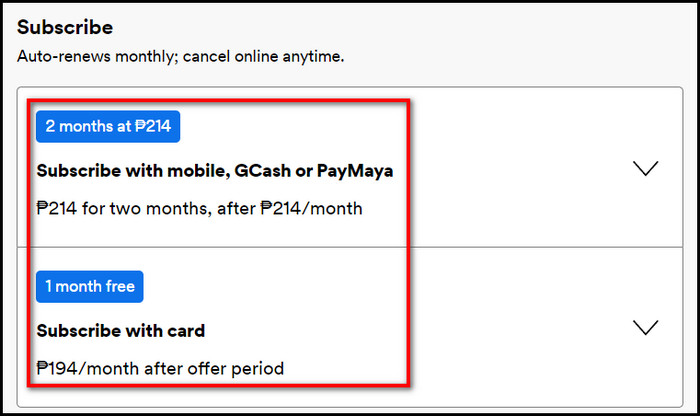
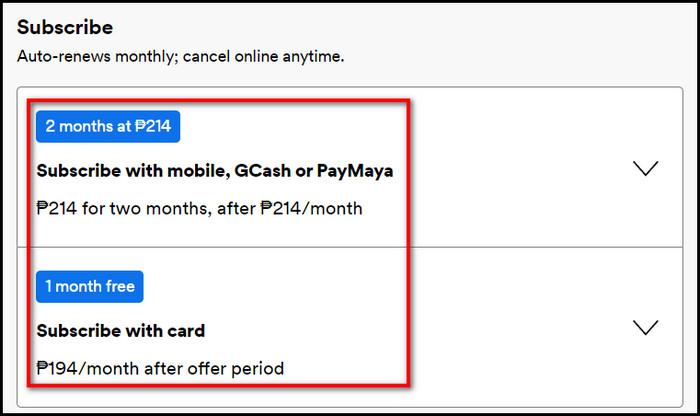
Spotify’s pricing structure for its family plans often varies depending on the region. It’s crucial to consult the official Spotify website or app for the most current and accurate pricing information specific to your location.
Typical Usage Scenarios
Families utilize the Spotify Family Plan in diverse ways. For instance, parents may use it to introduce their children to a wide variety of music, fostering musical appreciation from a young age. Teenagers and young adults may use it to share playlists and discover new artists with their siblings or friends. The plan’s shared nature encourages family members to explore each other’s tastes and preferences, creating a shared musical experience.
Advantages and Disadvantages of the Family Plan
The Spotify Family Plan offers several advantages, such as cost savings and enhanced access to a broader range of music. However, it also has some potential drawbacks, such as the need for careful management of account usage to prevent conflicts or issues arising from differing musical preferences.
Family Plan Tiers Comparison
| Tier | Features | Pricing | User Benefits |
|---|---|---|---|
| Family Plan | Shared Premium account for up to 6 users; Ad-free listening; Offline downloads; Personalized recommendations; Family-friendly sharing features | Variable depending on location; Check Spotify’s website for the most up-to-date pricing | Cost-effective for multiple users; Increased access to music; Easier sharing of music within the family; Fosters family bonding through shared listening. |
Location Restrictions and Policies
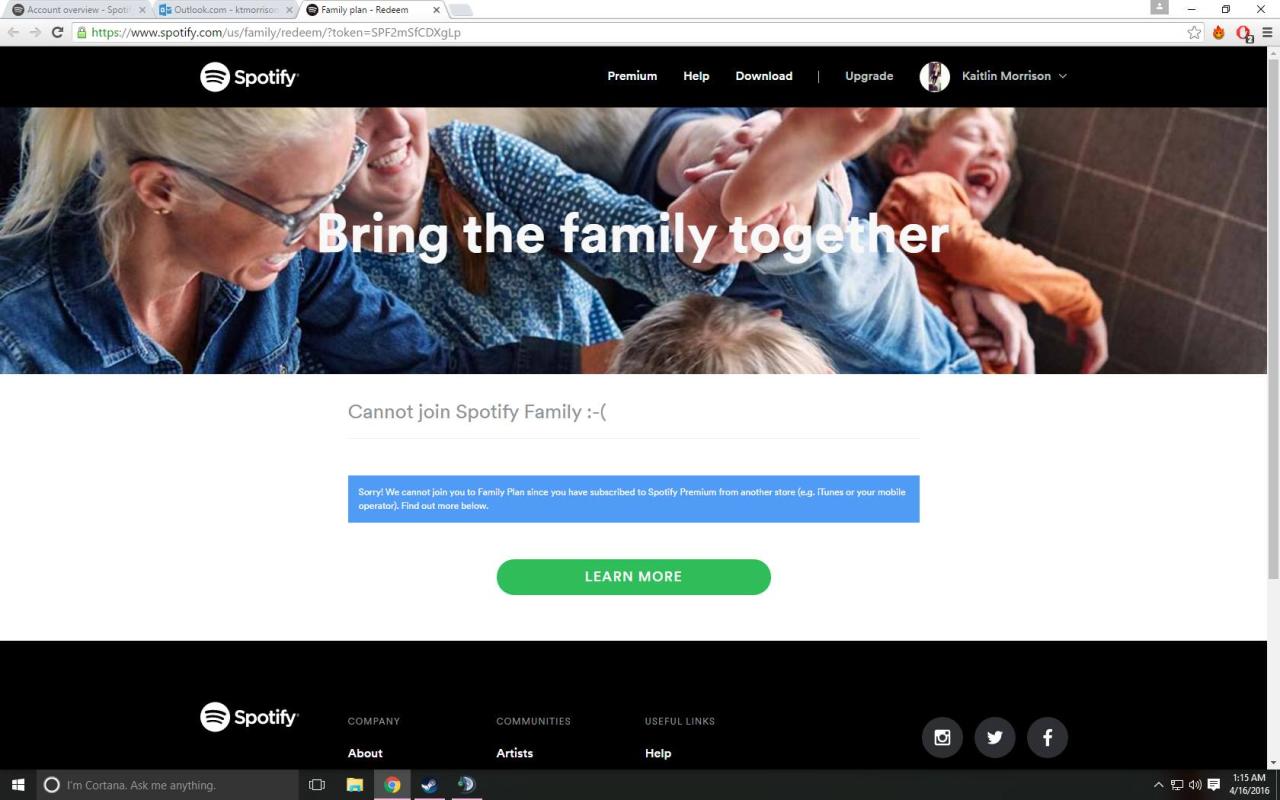
Spotify’s Family Plan allows members to share music and podcasts, but location access isn’t universal. These restrictions are in place to ensure fair use of the service and comply with regional licensing agreements. Understanding these policies is crucial for a smooth and authorized experience.Location sharing on the Family Plan is subject to specific rules and limitations. These regulations are designed to maintain a balance between access and fair use of the service.
Rules Regarding Location Sharing
Spotify’s Family Plan operates under a set of rules concerning location sharing, and these rules are critical to understanding the limitations of the service. The platform’s terms of service Artikel these regulations. These rules are enforced to prevent unauthorized access to content not licensed for specific geographic areas.
- Geographic Licensing: Spotify licenses music and podcasts based on regional agreements. Content availability can vary significantly depending on the country or region where the account is located. This means a song popular in one country may not be available in another due to licensing restrictions.
- Account Location: The primary account location often determines the availability of content. Users should confirm that the content they anticipate accessing is available in the region they are in. This often impacts the content available to those sharing the account.
Limitations Imposed by Spotify’s Terms of Service
Spotify’s Terms of Service clearly define the limitations surrounding location sharing on the Family Plan. These limitations are crucial for users to be aware of to avoid potential issues. Spotify reserves the right to adjust these limitations as needed.
- Content Restrictions: A user’s access to specific content is often contingent on their physical location. If a user travels to a region where content is not licensed for their account, they might find certain songs or podcasts unavailable. This impacts the entire family plan and is tied to the account’s primary location.
- Account Management: Spotify may adjust location-based restrictions to comply with evolving licensing agreements. Users should be mindful of these changes and ensure their family plan account is maintained within their agreed region.
Geographic Limitations
Different regions have different licensing agreements for music and podcasts. This directly affects the availability of content within a family plan. These limitations stem from the need to comply with copyright laws and regional licensing agreements.
- Regional Variations: The availability of specific artists or albums might differ significantly depending on the country or region. A user in one country might have access to a wide range of artists, while a user in another country might have limited options.
- Licensing Agreements: Spotify’s ability to offer content is governed by agreements with music rights holders. These agreements often have restrictions related to specific territories, thus impacting the overall content library.
Examples of Location Restrictions Enforcement
Spotify’s system actively enforces location restrictions to ensure fair use of the service. These restrictions are essential to maintain a balanced access to content.
- Content Filtering: If a user tries to access content not licensed in their current region, the system will often filter or remove that content from their available library. This ensures that users only have access to the content allowed in their region.
- Account Management: If a user travels frequently to regions with different licensing agreements, they should ensure that their account is set up in a location where the desired content is available. This can be crucial for a seamless user experience.
How Location Restrictions Affect Shared Access to Content
Location restrictions directly influence shared access to content on the Family Plan. Users need to understand these limitations to avoid issues.
- Limited Availability: If one member of the family is in a region where certain content is not available, all members sharing the account might face restrictions on accessing that content. This underscores the importance of account location.
- Uneven Access: If a user travels frequently to different countries, they might encounter variations in the content accessible through the family plan. The overall availability is contingent on the primary account location.
Comparison of Location Access Across Different Regions
A comparison table showcasing location access variations across regions is not available in this format. This type of detailed analysis would require a significant dataset and is beyond the scope of this document.
Terms and Conditions for Location Sharing
Understanding the terms and conditions surrounding location sharing in a family plan is crucial for ensuring a smooth and secure experience for all users. These terms Artikel the rules and guidelines governing how location data is collected, used, and protected within the family group. Navigating these details empowers users to make informed decisions about their data and the data of their family members.
Figuring out Spotify Family Plan sharing rules, especially location restrictions, can be a bit tricky. It’s all about those terms and conditions, isn’t it? But if you’re looking for a whole new entertainment experience, you might want to check out the Microsoft xCloud preview beta program for Europe. microsoft xcloud preview europe beta registration game streaming xbox It’s a game-changer, streaming games directly to your device.
Then, when you’re done gaming, remember those Spotify Family Plan rules, and make sure everyone is in the same location to avoid any hiccups with the sharing restrictions.
Key Aspects of Location Sharing Terms
The terms and conditions for location sharing often address the fundamental principles of data privacy, security, and user control. These terms are designed to define the scope of location data collection, usage, and limitations.
Clauses Impacting Location-Based Access
Specific clauses govern the conditions under which location data can be accessed by other family members. These clauses typically include limitations on the frequency, duration, and purpose of location sharing, ensuring responsible data usage.
Figuring out Spotify Family Plan sharing rules, especially the location restrictions, can be a real head-scratcher. It’s all about those terms and conditions, isn’t it? But hey, while we’re on the topic of streaming services, did you know the Star Wars trilogy is now available in 4K on Disney Plus? Check it out! Still, back to Spotify’s family plan, it’s all about ensuring everyone in the household gets the best possible music experience without violating the terms for sharing across different locations.
User Rights and Responsibilities
Users have specific rights and responsibilities regarding location sharing. These include the right to understand how their location data is being used and the responsibility to comply with the terms and conditions. Users should understand that by agreeing to the terms, they are consenting to the use of their location data within the defined parameters.
Account Management and Location Changes
Account management provisions detail how users can update or modify their location sharing settings. This includes procedures for adjusting the visibility of their location to other family members or completely disabling location sharing. Clear procedures for updating these settings are crucial for maintaining user control.
Reporting Violations or Issues
Clear procedures for reporting violations or issues related to location sharing are essential. Users should have access to a defined process for addressing concerns or disputes regarding the use of location data within the family plan. This process ensures a channel for resolution if any problems arise.
Summary Table of Key Terms and Conditions
| Category | Key Term/Condition |
|---|---|
| Data Collection | Specifies the methods and circumstances under which location data is gathered. |
| Data Usage | Artikels the purposes for which location data can be used within the family plan, including permissible activities and restrictions. |
| Data Sharing | Defines the extent to which location data can be shared with other family members, outlining limitations and exceptions. |
| Account Management | Details how users can modify their location sharing settings, including enabling or disabling location sharing and adjusting visibility to other family members. |
| Violation Reporting | Describes the process for reporting any violations or issues related to location sharing, such as unauthorized access or misuse of location data. |
Potential Issues and Troubleshooting
Navigating location sharing within a family plan can sometimes present unexpected challenges. Understanding potential roadblocks and troubleshooting steps can make the experience smoother and more enjoyable for everyone. This section details common issues, their causes, and solutions to help families easily manage location sharing.
Common Location Sharing Issues
Troubleshooting location sharing issues often starts with identifying the root cause. These issues can stem from various factors, including device settings, network connectivity, or account permissions. Careful examination of these areas can lead to quick and effective solutions.
- Inconsistent or Delayed Location Updates: Sporadic or delayed location updates can be frustrating for family members relying on real-time tracking. Possible causes include weak cellular signal, network congestion, or issues with the device’s location services. Troubleshooting this involves checking network connectivity, ensuring location services are enabled on the device, and restarting the device.
- Location Access Restrictions: Some devices or operating systems may impose restrictions on location access. These restrictions are often put in place to protect user privacy or for security reasons. Checking the device’s privacy settings for location permissions and ensuring they are correctly configured can resolve this issue.
- Family Member’s Location Not Displaying: If a family member’s location is not visible to others, it could be due to their account settings, location sharing preferences, or network problems. Double-checking their location sharing permissions and device settings, and ensuring their device is online and connected, can often resolve the issue.
- Connectivity Issues: Problems with internet or cellular connections can impact the accuracy and reliability of location sharing. Troubleshooting these issues includes verifying network coverage, restarting the device, or switching to a different network if possible.
Reasons for Location Access Restrictions
Understanding the reasons behind location access restrictions can help pinpoint the problem. These restrictions are often implemented for security and privacy reasons.
- Privacy Concerns: Users might choose to restrict location sharing to maintain privacy or limit access to their location by certain applications.
- Security Protocols: Devices might impose restrictions due to security protocols or data protection measures.
- Device Settings: Incorrectly configured device settings or applications may impede location sharing.

Troubleshooting Solutions
Several solutions can help overcome location sharing problems. These solutions range from simple checks to more comprehensive steps.
- Verify Location Services: Ensure location services are enabled on the device and the app. These settings are typically found in the device’s privacy or location settings.
- Restart the Device: A simple restart can often resolve temporary glitches or connectivity problems.
- Check Network Connectivity: Ensure the device has a stable internet connection (Wi-Fi or cellular data).
- Review Location Sharing Permissions: Double-check that the desired users have the necessary permissions to view the location.
Frequently Asked Questions (FAQ)
These FAQs address common questions regarding location sharing within the family plan.
- Why isn’t my child’s location showing up on the app? Possible reasons include incorrect device settings, temporary network issues, or the child’s location sharing settings. Review the child’s location sharing permissions and ensure the device is online.
- How do I change my location sharing preferences? Location sharing preferences are typically managed within the device’s privacy settings or the app’s settings. Refer to the app’s help documentation or the device’s manual for detailed instructions.
Troubleshooting Table
This table summarizes common issues and corresponding solutions.
| Issue | Possible Solution |
|---|---|
| Inconsistent location updates | Verify network connectivity, ensure location services are enabled, restart the device. |
| Location access restrictions | Review device privacy settings, ensure permissions are correctly configured. |
| Family member’s location not displaying | Check location sharing permissions, confirm the device is online and connected. |
| Connectivity issues | Verify network coverage, restart the device, switch to a different network. |
Comparisons with Other Streaming Services
Spotify’s family plan location sharing policies, while comprehensive, differ from those of other major streaming services. Understanding these variations helps users choose the best plan for their needs and preferences. These differences stem from varying business models, content licensing agreements, and user expectations.
Comparison of Location Sharing Policies
Different streaming services have distinct approaches to location-based access for family plans. This section analyzes how various platforms manage shared accounts, focusing on the flexibility and restrictions imposed on location-based content availability. A crucial factor is the extent to which the service allows access to a wider geographic range.
- Apple Music: Apple Music’s family plan offers location sharing, but with limitations. While family members can access music on multiple devices within the same household, restrictions often apply to content available outside the primary location, where the family plan is initially set up. This often aligns with Apple’s stricter approach to content licensing, particularly with artists’ rights and territorial limitations.
- Amazon Music Unlimited: Amazon Music Unlimited family plans generally allow location sharing within the same household or region. Specifics vary depending on the plan purchased and the service’s terms of service. Flexibility in location-based access may differ between the service’s different subscription levels.
- YouTube Music Premium: YouTube Music Premium’s family plan also allows location sharing. However, limitations may exist on the number of devices that can be simultaneously used, potentially affecting content availability in various locations. The policy may differ based on the type of content being streamed (music vs. videos).
- Tidal: Tidal’s family plans, similarly, typically allow location sharing, but often with stipulations regarding the number of simultaneous users and regions. The specific conditions can change depending on the Tidal family plan tier and associated content licensing agreements.
Rationale Behind Differences
The variations in location sharing policies are rooted in several factors. Different licensing agreements with music labels and artists significantly influence a streaming service’s ability to offer unrestricted access across geographical boundaries. Streaming services may also have different approaches to enforcing fair use and preventing unauthorized access to their content.
Just a heads-up about Spotify Family Plan sharing location terms and conditions – it’s something to keep in mind. While you’re checking those out, though, you absolutely HAVE to check out this amazing deal on a refurbished Meta Quest 2 for just $270 on Amazon! heads up you can snag a refurbished meta quest 2 for just dollar270 with this amazon deal It’s a steal, and knowing the location restrictions on the Spotify Family plan is important for making sure you can use it efficiently.
Example Scenarios
Consider a family with members living in different countries. If one family member subscribed to a family plan in the US, the service with less flexible location sharing policies might not allow the other family members to access the same content in another country. This is a direct result of the content licensing agreements that restrict the availability of specific songs or albums in particular regions.
Comparative Table
| Streaming Service | Location Sharing Policy | Rationale | Example |
|---|---|---|---|
| Spotify | Allows sharing within a defined geographic region. | Balancing user access with content licensing agreements. | Family members in the US can access content in the US, but access in other countries may be limited. |
| Apple Music | Restricts access to content outside the primary location. | Stricter content licensing and territorial limitations. | Family members in the US cannot easily access content intended for a different region, like the UK. |
| Amazon Music Unlimited | Allows sharing within the same household or region. | Balancing user access with licensing agreements. | Family members in the US can access content in the US but might face limitations in other countries. |
Impact on Users’ Data Usage: Spotify Family Plan Sharing Location Terms Conditions
Spotify’s Family Plan, while offering convenience, raises questions about how location sharing affects user data usage and privacy. Understanding the data collected, the security measures in place, and potential risks is crucial for informed decision-making. This section delves into these aspects, providing a transparent view of the impact on your personal data.Location sharing, a key feature of the Family Plan, necessitates the collection of precise geographic data.
This data, combined with other user activities, contributes to a detailed profile, which can be used for various purposes. However, this collection must be done responsibly and with the utmost respect for user privacy.
Data Collection Regarding Location Sharing
Spotify collects location data associated with the use of the Family Plan. This data includes timestamps, geographic coordinates, and duration of location tracking. These details are combined with other user data, like listening history and preferred genres. This aggregated data helps Spotify personalize the user experience, providing insights into user habits and preferences. The specific details of the data collected are described in Spotify’s Terms and Conditions, which users should review thoroughly.
Security Measures for User Data Protection
Spotify employs robust security measures to protect user data, including location data. These measures are designed to safeguard against unauthorized access and misuse. Encryption techniques are used to protect data in transit and at rest. Access to user data is restricted to authorized personnel only, with stringent protocols in place to prevent data breaches. Regular security audits and updates to the system further enhance data protection.
These measures are essential to maintain user trust and ensure the safety of their information.
Potential Risks and Concerns Regarding Data Privacy
While Spotify implements robust security measures, potential risks remain. Data breaches are a constant threat in the digital world. The potential for malicious actors to exploit vulnerabilities in the system cannot be completely eliminated. Carefully considering the level of location sharing and understanding the possible consequences of this data collection is paramount. Users should be aware of the risks associated with data breaches and take appropriate precautions.
Staying informed about security best practices and maintaining strong passwords can help mitigate potential risks.
Illustrative Table: Location Data Handling
| Data Point | Collection Method | Usage | Protection Measures |
|---|---|---|---|
| Location Coordinates | GPS signals from user’s device | Personalized recommendations, location-based features, identifying usage patterns | End-to-end encryption during transmission, secure storage in encrypted databases |
| Timestamp | Device time synchronization | Tracking user activity within the family plan, usage analysis | Integrated with location data encryption and access control protocols |
| Duration of Location Tracking | Device reporting intervals | Understanding user listening habits and preferences in relation to location | Log retention policies and data deletion schedules, in accordance with data privacy regulations |
Impact on Account Management and Usage
Sharing your Spotify Family Plan location impacts how you manage your account and use the service. This is crucial for maintaining a fair and consistent experience for all family members. Location restrictions are designed to prevent unauthorized access and ensure that only authorized users within the designated area can utilize the plan’s benefits.Location-based restrictions on account management and usage are necessary to prevent abuse and maintain the integrity of the family plan.
They also contribute to the fair distribution of data usage and bandwidth. Understanding these implications is key to maximizing the value of your Spotify Family Plan.
Account Management Impacts
Family plan account management is significantly affected by location sharing. Account settings and access control features are often directly linked to the designated location. For instance, changing the family’s primary location may require updating the linked devices and verifying user access. These actions ensure that only authorized users in the designated location can access the plan’s features.
User Experience with Location Restrictions, Spotify family plan sharing location terms conditions
Location restrictions can impact the user experience in various ways. Some users might experience limitations in accessing the service if they are outside the specified location, potentially leading to connection issues or restricted playback options. This can also influence the types of content a user is able to access and play.
Impact on Family Plan Usage
Location restrictions are critical for the equitable use of the family plan. They help manage bandwidth and prevent one user from using an excessive amount of data, thereby impacting other family members’ access to the service. This also ensures that the service’s quality remains consistent for all users.
User Scenarios Affected by Location Restrictions
Various user scenarios can be affected by location restrictions. A teenager traveling to a friend’s house outside the designated area might find their Spotify Family Plan access limited, or a parent visiting family out of town may face challenges in using the plan. Traveling for work or vacations also presents scenarios where access might be restricted.
Implications of Location Sharing on Account Management and Usage
| Aspect | Impact |
|---|---|
| Account Management | Requires updates to account settings, device links, and user access verification when location changes. |
| User Experience | Potential limitations in accessing the service outside the specified location, leading to connection issues or restricted playback options. |
| Family Plan Usage | Ensures equitable use of bandwidth and prevents one user from disproportionately consuming data, thus affecting other family members’ access. |
| User Scenarios | Traveling, vacations, work trips, and visits to friends/family outside the designated area can affect access to the service. |
Accessibility and Inclusivity
Sharing location data within a family plan can bring families closer, but it also raises important accessibility and inclusivity concerns. Different regions and cultural contexts have varying levels of comfort and privacy expectations surrounding location sharing, and these policies must consider these nuances. This section examines potential challenges and suggests improvements to ensure the service is welcoming and usable for everyone.
Impact on Users in Different Regions
Geographic variations in digital literacy, internet access, and cultural norms regarding personal information sharing can significantly affect how location-sharing features are perceived and utilized. Users in regions with limited internet access or those with a high degree of privacy concerns might be hesitant to enable location sharing, potentially excluding them from the benefits of the family plan. For example, in some cultures, sharing location data with family members might be viewed differently than in others.
This difference in perception needs careful consideration.
Potential Accessibility Challenges
- Varying Digital Literacy Levels: Users with limited digital literacy might struggle to understand and utilize the location-sharing features, leading to frustration and exclusion. Educational resources in multiple languages are crucial for effective onboarding and use.
- Language Barriers: Lack of support for diverse languages in the platform’s interface can create barriers for users who don’t speak the primary language. Comprehensive multilingual support is necessary to ensure accessibility for a global user base.
- Cultural Sensitivity: Location-sharing policies must be culturally sensitive to avoid unintentional misinterpretations or infringements on privacy expectations in different regions. Policies should be adaptable to various cultural contexts.
- Internet Connectivity: Users in regions with limited or unreliable internet access may experience difficulties using location-sharing features. The service should prioritize features that can operate effectively with varying connectivity levels.
Improving Inclusivity
Addressing the accessibility and inclusivity concerns requires proactive measures to ensure that the family plan’s location-sharing features are usable and beneficial for all users. Implementing robust support mechanisms, offering clear and concise guidance, and adapting to diverse cultural contexts are crucial. One approach is to offer multiple options for location sharing, ranging from precise location to broader areas.
This provides a spectrum of choices for different users and levels of comfort.
Proposed Solutions
| Accessibility Challenge | Potential Solution |
|---|---|
| Varying Digital Literacy Levels | Create simplified tutorials and step-by-step guides in multiple languages, along with interactive tutorials and video demonstrations. |
| Language Barriers | Provide support for a wide range of languages in the platform’s interface, including voice guidance and translation tools. |
| Cultural Sensitivity | Conduct thorough user research in diverse regions to understand cultural nuances and privacy expectations. Offer adjustable location sharing settings to cater to different levels of comfort. |
| Internet Connectivity | Develop features that minimize data usage during location sharing. Explore alternative methods for location tracking that require less consistent internet connectivity. |
End of Discussion
In conclusion, Spotify’s family plan location sharing terms and conditions are complex, but understanding them is vital for a positive user experience. Careful consideration of location restrictions, data usage, and account management implications is key. Ultimately, knowing the terms and conditions empowers you to make informed decisions about how to best use the family plan and navigate any potential issues.