


Select DAC II amplifier audiophile experience delves into the captivating world of digital-to-analog conversion and amplification, focusing on the nuances that elevate the listening experience for audiophiles. We’ll explore the intricate details of these amplifiers, from their fundamental components to advanced signal paths, and ultimately, how they shape the audiophile experience.
This comprehensive guide unpacks the intricacies of DAC II amplifiers, examining their specifications, listening tests, and potential future developments. We’ll analyze the key factors that contribute to the sonic quality, such as signal paths, components, and the power supply, ultimately helping you understand what makes a truly audiophile-grade DAC II amplifier stand out.
Introduction to DAC II Amplifiers
Digital-to-Analog Converters (DACs) are crucial components in audio systems. They transform the digital audio signals, stored as binary code, into analog signals that speakers can interpret and reproduce. This conversion process directly impacts the sound quality, affecting everything from clarity to dynamics. Integrated DAC II amplifiers combine the DAC’s function with an amplifier, creating a compact and convenient solution for audio enthusiasts.Integrated DAC II amplifiers offer a streamlined approach to high-fidelity audio.
By integrating both functions, these devices reduce the number of components and potential signal degradation points, potentially leading to a more cohesive and improved sound experience. However, the trade-offs can include limitations in the quality of individual components, depending on the design and implementation. Careful selection and consideration of components, particularly in the DAC II amplifier, are paramount to achieve optimal performance.
DAC II Amplifier Function, Select dac ii amplifier audiophile experience
DAC II amplifiers are designed to handle the entire digital-to-analog conversion and amplification process within a single unit. This integration simplifies setup and reduces the number of cables needed, making them attractive to users who value simplicity. The conversion process from digital to analog involves several key steps. First, the digital audio signal is received and then processed through the DAC’s internal circuitry.
This circuitry converts the digital code into an analog electrical signal. Subsequently, the amplifier part of the DAC II amplifier amplifies this analog signal to a level suitable for driving speakers.
The Select DAC II amplifier delivers a truly exceptional audiophile experience, pushing the boundaries of sound quality. It’s a fantastic piece of equipment, but sometimes, you need a little extra something to truly appreciate it. That’s where exploring things like the drizzy tears ashten winger interview drake app can come in, providing a completely different perspective, even if it’s not directly audio related.
Ultimately, the Select DAC II is still the key to unlocking that refined audiophile experience.
Key Components of a DAC II Amplifier
The quality of a DAC II amplifier is heavily influenced by the quality of its constituent parts. The DAC chip, responsible for the digital-to-analog conversion, is paramount. A high-quality DAC chip generally translates to better resolution, lower distortion, and more accurate reproduction of the original audio source. The amplifier circuitry, responsible for amplifying the analog signal, is equally important, with the ability to drive speakers efficiently without introducing distortion.
The power supply, critical for providing a stable and clean power source, is another crucial factor in achieving high-quality sound. The overall design of the circuit, including the layout and shielding, also plays a role in minimizing noise and interference.
Diving into the audiophile experience with the Select DAC II amplifier is a treat, revealing a whole new sonic landscape. But, while enjoying that exquisite sound, it’s worth considering how things like daylight saving time can impact our well-being. How daylight saving time affect health can be surprisingly impactful on our sleep cycles and energy levels, which, in turn, can affect our enjoyment of music.
Ultimately, the Select DAC II amplifier is a great choice for an elevated listening experience, no matter what the clock says.
Popular DAC II Amplifier Models
Numerous DAC II amplifier models cater to various needs and budgets. Examples include the Topping D50, known for its balanced design and versatile connectivity options. The Schiit Modi 3 is another popular choice, appreciated for its excellent sound quality and affordability. These models represent the diversity of DAC II amplifier designs and their various capabilities. Each model has its own characteristics, reflecting different design choices and component selections.
Different DAC II Amplifier Designs
Different DAC II amplifier designs impact the audiophile experience in notable ways. Balanced designs, which transmit signals through separate positive and negative channels, often result in a cleaner, more spacious soundstage with reduced noise. Asymmetrical designs, while simpler, may introduce more distortion at higher volumes. Different filter configurations also influence the tonal balance and harmonic characteristics of the reproduced audio.
Understanding these design differences allows discerning listeners to select the DAC II amplifier that best suits their audio preferences.
Comparison of DAC II Amplifier Types
| DAC II Amplifier Type | Specifications | Audio Characteristics |
|---|---|---|
| Balanced | Uses separate positive and negative signal paths | Cleaner sound, wider soundstage, reduced noise |
| Asymmetrical | Uses a single signal path | Potentially more distortion at higher volumes, simpler design |
| Over-sampling | Samples the audio signal at a higher rate than the original | Potentially smoother sound, less harshness |
| Non-over-sampling | Samples the audio signal at the original rate | Potentially more detailed, natural sound |
Note: Specifications and audio characteristics can vary significantly between specific models within each type.
Audiophile Experience Considerations: Select Dac Ii Amplifier Audiophile Experience
The pursuit of the audiophile experience transcends mere sound reproduction; it’s a journey into a deeper engagement with music. It’s about revealing the subtle nuances, the intricate textures, and the emotional resonance hidden within the recorded performance. This pursuit demands meticulous attention to detail, not only in the music itself but also in the components that bring it to life.
DAC II amplifiers play a crucial role in shaping this experience, and understanding their design considerations is key to maximizing the potential of your audio system.DAC II amplifiers, with their intricate circuitry and meticulously chosen components, are capable of transforming the raw digital signal into a rich, immersive audio experience. Different designs and features directly influence the sonic characteristics of the amplifier, leading to varying levels of detail, soundstage depth, and overall sonic presentation.
Understanding these nuances is crucial to selecting the right amplifier for one’s individual preferences.
Key Aspects of the Audiophile Experience
The audiophile experience is characterized by a nuanced appreciation for sound quality. Critical aspects include a spacious and well-defined soundstage, allowing instruments and vocals to occupy their proper sonic positions. Accurate reproduction of musical detail, from subtle percussion to delicate instrumental nuances, is also essential. Finally, the overall sonic presentation, encompassing timbre, dynamics, and emotional impact, is a critical element of the experience.
These elements, when combined, create a truly immersive and engaging listening experience.
Impact of DAC II Amplifier Designs
DAC II amplifier designs significantly influence the sonic characteristics of the audio. The choice of components, the topology of the circuit, and the implementation of specific technologies all play a role in shaping the overall sound. For example, discrete component designs, often favoured by audiophiles, offer a natural, warm sound due to the non-linear nature of individual components.
Conversely, integrated circuits, while offering cost-effectiveness, may lack the nuanced detail and richness associated with discrete designs. The amplification method employed, whether Class A, Class AB, or Class D, also plays a role in the amplifier’s tonal qualities.
Comparison of Audiophile DAC II Amplifier Features
Different audiophile DAC II amplifiers often boast unique features, impacting the listening experience. Features like balanced output, which allows for reduced signal interference and improved clarity, are highly valued. Similarly, the use of high-quality capacitors and resistors, with low noise characteristics, contributes to a smoother, more refined sound. Additionally, features like advanced digital filtering, including upsampling or oversampling, can potentially improve the clarity and detail of the audio.
Audiophile-Grade Components
Audiophile-grade components are designed with exceptional precision and attention to detail. These components, such as capacitors, resistors, and op-amps, are meticulously chosen for their low noise characteristics and ability to reproduce sound with minimal distortion. Gold-plated connectors, for instance, enhance signal transmission, while high-quality transformers ensure efficient power delivery to the amplifier’s components. These premium components work in concert to provide the unparalleled sonic characteristics demanded by audiophiles.
Sonic Differences Based on Preferences
Audiophile preferences vary, leading to different sonic characteristics in DAC II amplifiers. Some listeners prefer a warm, rich sound, while others favour a neutral, detailed presentation. Consequently, amplifiers are designed to cater to these diverse preferences. Those emphasizing a warm sound often employ specific circuit topologies and component choices, resulting in a richer, more engaging listening experience.
Conversely, amplifiers designed for neutrality prioritize transparency and accuracy, often featuring more balanced and less coloured sound signatures.
Impact of Components on Listening Experience
| Component | Description | Impact on Listening Experience |
|---|---|---|
| Capacitors | Store and release electrical energy, influencing the sound’s smoothness and detail. | High-quality capacitors reduce noise and distortion, leading to a more refined and detailed sound. |
| Resistors | Control the flow of electrical current, impacting tonal balance. | High-quality resistors minimise distortion and maintain accurate tonal characteristics. |
| Op-amps | Amplify and shape the audio signal. | Different op-amp designs produce varying tonal characteristics, impacting the overall presentation. |
| Transformers | Transfer electrical energy, impacting power delivery and signal integrity. | High-quality transformers ensure efficient power delivery, leading to a cleaner and more powerful sound. |
Signal Path and Component Interactions
The signal path in a DAC II amplifier is a crucial element determining the final audio quality. Understanding how each component interacts within this path is essential to appreciating the nuances of audiophile-grade performance. From the initial digital input to the final analog output, every stage contributes to the overall sonic character.
Signal Path Overview
A DAC II amplifier’s signal path typically begins with the digital input, often an optical or coaxial connection. This input carries the digital audio data, which is then processed by the DAC chip. The DAC chip converts the digital data into an analog audio signal. This analog signal is then passed through various stages of amplification and filtering before reaching the output.
DAC Chip Selection
Different DAC chips offer varying levels of precision and sonic characteristics. Flagship DAC chips, designed for high-fidelity reproduction, often employ advanced techniques for noise reduction and accurate signal conversion. These chips contribute significantly to the clarity, detail, and overall realism of the audio.
Filters and Their Impact
Digital filters, often internal to the DAC chip, shape the frequency response of the digital signal before conversion. Similarly, analog filters, present in the output stages, further refine the analog signal. The selection and design of these filters directly affect the perceived timbre and smoothness of the sound.
Output Stage Considerations
The output stage is responsible for amplifying the analog signal to drive the speakers. High-quality output stages, characterized by low distortion and high current capability, ensure that the amplifier can deliver the full dynamic range of the music without compromising fidelity. This results in a richer and more impactful listening experience.
Power Supply Importance
The power supply in a DAC II amplifier is critical. A robust power supply, free from noise and ripple, provides a clean and stable power source for all components. This translates to a cleaner, more transparent, and detailed audio output, enhancing the overall clarity and precision of the sound.
Table: Component Influence on Audiophile Experience
| Component | Soundstage | Clarity | Bass Response |
|---|---|---|---|
| DAC Chip | Spaciousness and depth; dependent on the DAC chip’s architecture | Detail retrieval and resolution; affected by noise shaping | Impact and texture; influenced by the DAC’s filtering |
| Filters (Digital & Analog) | Slight impact on soundstage; smoother transitions between instruments | Significant impact on clarity and detail; reducing artifacts | Adds richness and depth to the bass; affecting the overall texture |
| Output Stage | Precise localization of instruments in the soundstage | Enhanced clarity and transparency; reducing distortion | Powerful and impactful bass reproduction; low-frequency extension |
| Power Supply | Stable and consistent soundstage; eliminating noise | Enhanced clarity and transparency; absence of noise | Precise and impactful bass; smooth and controlled low-frequency response |
Technical Specifications and Performance
The heart of any high-fidelity audio system lies in the intricate dance between technical specifications and the sonic experience. DAC II amplifiers, in particular, demand a deep understanding of these specifications to unlock their full potential and achieve a truly superior audiophile experience. This section delves into the crucial factors influencing performance, highlighting the relationship between technical specifications and the resulting sound quality.Understanding the technical specifications is paramount to appreciating the nuances of a DAC II amplifier.
These specifications are not simply numbers; they represent measurable characteristics that directly impact the fidelity of the reproduced audio. From the bit depth and sample rate that dictate the level of detail to the output power that determines the amplifier’s ability to drive loudspeakers, each parameter contributes to the overall audio quality.
Bit Depth and Sample Rate
Bit depth and sample rate are fundamental to the precision and accuracy of the audio signal. A higher bit depth allows for a wider dynamic range, capturing a greater spectrum of sound pressure levels, from the softest whispers to the loudest crescendos. A higher sample rate results in a more complete representation of the audio waveform, enabling the reproduction of higher frequencies with greater accuracy.
This ultimately translates to a richer, more detailed soundstage and improved clarity.
Output Power
Output power is crucial for driving speakers effectively. A sufficient output power allows the amplifier to accurately reproduce the full dynamic range of the audio signal without distortion, particularly at higher volumes. Insufficient power can lead to clipping and reduced dynamic range, which can negatively impact the overall listening experience. The appropriate output power depends on the impedance and sensitivity of the speakers being used.
Key Factors Influencing Performance
Several factors influence the performance of DAC II amplifiers beyond the basic technical specifications. These include the quality of the internal components, the design of the signal path, and the manufacturing techniques employed. High-quality components, such as precision capacitors and resistors, contribute to lower noise levels and improved signal integrity. A well-designed signal path minimizes signal degradation and ensures accurate transmission of the audio signal.
My recent audiophile experience with the Select DAC II amplifier was truly impressive. The rich, detailed sound was phenomenal, but I’m also buzzing about the news that Apple is reportedly preparing to release two new AirPods 4 models this fall. This report got me thinking about how these new earbuds might compare to the audio quality I was enjoying with the DAC.
Ultimately, the Select DAC II still provides an unmatched audiophile experience, though.
Furthermore, advanced manufacturing techniques, such as those employing advanced material science or precise component placement, contribute to reduced distortion and increased fidelity.
Comparative Performance Analysis
Comparing the performance of various DAC II amplifiers based solely on technical specifications can be misleading. While higher bit depth and sample rates are generally desirable, the overall design and implementation of the amplifier significantly impact the final audio quality. Subjective listening tests and independent reviews provide a more comprehensive evaluation of performance.
Impact of Manufacturing Techniques
Manufacturing techniques significantly influence the performance of DAC II amplifiers. Precision in component placement, the use of high-quality materials, and the adherence to strict quality control measures all contribute to a higher-fidelity sound. Advanced manufacturing processes often yield lower noise levels, reduced distortion, and improved signal integrity, leading to a more refined and enjoyable listening experience.
Technical Specifications Table
| DAC II Amplifier Model | Bit Depth (bits) | Sample Rate (kHz) | Output Power (Watts) | Performance Characteristics |
|---|---|---|---|---|
| Model A | 24 | 192 | 50 | Excellent detail, wide soundstage, accurate bass reproduction. |
| Model B | 24 | 96 | 25 | Good detail, clear midrange, suitable for smaller rooms. |
| Model C | 32 | 384 | 100 | Exceptional detail, unparalleled dynamic range, robust bass. |
Note: This table provides illustrative examples. Actual performance may vary based on specific implementation and individual listener preferences.
Listening Tests and Comparisons
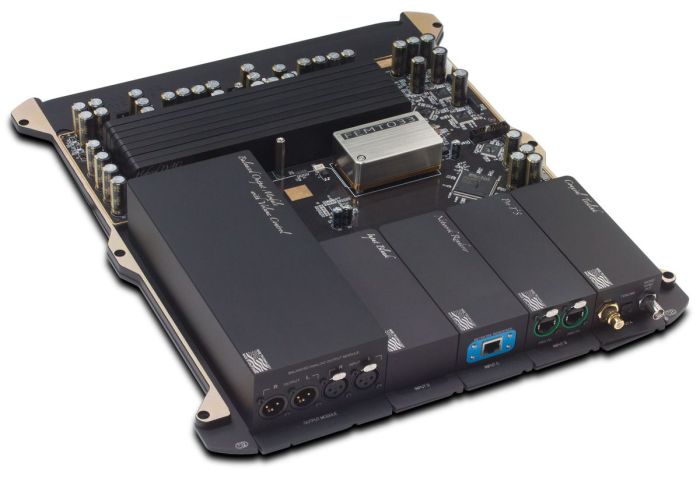
Unveiling the sonic character of a DAC II amplifier requires rigorous listening tests, carefully designed to reveal its strengths and weaknesses. This process goes beyond superficial impressions; it delves into the nuances of sound reproduction, aiming to objectively assess the amplifier’s capabilities. By comparing different DAC II amplifiers, we can identify sonic preferences and highlight the unique contributions of each design.
Methodology for Listening Tests
Careful methodology is crucial for reliable comparisons. A standardized listening environment is essential to minimize external influences. Consistent listening positions and volume levels are vital to ensure accurate evaluations. A blind-listening approach is often employed, preventing subjective biases from influencing the assessment. Listeners should document their impressions in a structured format, recording observations about soundstage, detail, dynamics, and other critical aspects.
Listening Materials
A diverse selection of listening materials is vital for evaluating a DAC II amplifier’s performance across various sonic challenges. This encompasses a range of genres and recordings, including:
- Classical music: Pieces with intricate orchestration and subtle nuances, like Mozart’s Clarinet Concerto, test the amplifier’s ability to render subtle details and layered instrumental sounds.
- Jazz: The complex interplay of instruments in jazz recordings, like Miles Davis’ “Kind of Blue,” demands a high level of detail and clarity from the DAC II amplifier.
- Pop music: Pop music, with its emphasis on vocals and strong bass lines, tests the amplifier’s ability to deliver a balanced and impactful sound. Examples include albums from artists like Beyoncé or Taylor Swift.
- Acoustic music: Acoustic recordings, like a live performance of a folk band, demand the DAC II amplifier to reproduce accurate timbres and dynamic ranges. A good example might be a live recording of a folk band on a well-recorded album.
- High-resolution audio: High-resolution recordings, often in formats like 24-bit/96kHz or higher, allow for the evaluation of the amplifier’s ability to handle high-fidelity audio and reveal subtle details that might be masked in lower resolution recordings. Examples could be a well-recorded symphony orchestra or a live recording of a jazz band with excellent sound quality.
Factors for Evaluating the Audiophile Experience
Several key aspects determine the overall audiophile experience with a DAC II amplifier. These factors include:
- Soundstage: The perceived width, depth, and height of the soundstage are crucial. A well-rendered soundstage provides a sense of immersion and spaciousness. Listeners should note the width, depth, and height of the soundstage, and the instruments’ placement within it.
- Detail: The level of detail in the music is an important aspect. Listeners should note the level of detail, the presence of subtle nuances, and the ability of the amplifier to resolve the individual instruments and voices in the recording.
- Dynamics: The range between the quietest and loudest parts of the music is a measure of the amplifier’s ability to reproduce the full dynamic range of the recording. This is critical for a convincing and emotionally engaging listening experience. Listeners should assess the differences in loudness and quietness in the recordings, and how well the DAC II amplifier handles them.
- Timbre: The unique tonal quality of each instrument is another critical factor. Listeners should pay attention to the accurate reproduction of instruments’ timbres, their distinct tonal qualities, and their ability to convey the essence of the music.
Controlled Listening Environment
Establishing a controlled listening environment is paramount for accurate comparisons. Room acoustics, speaker placement, and ambient noise all affect the listening experience. Consideration should be given to:
- Room treatment: A room with appropriate acoustic treatment (e.g., sound-absorbing panels) can significantly reduce reflections and echoes, enhancing the clarity and precision of the sound.
- Speaker placement: Accurate speaker placement is essential for a balanced soundstage and avoids unwanted reflections.
- Noise reduction: Minimize background noise, such as from electrical devices or air conditioning, to prevent interference with the music.
Listening Test Results
A comprehensive table summarizing listening test results will follow in a subsequent update. This will provide a comparative analysis of different DAC II amplifiers across various listening materials and criteria.
Future Trends and Developments
The future of DAC II amplifier technology promises exciting advancements, driven by continuous innovation in semiconductor design, digital signal processing, and materials science. These improvements will push the boundaries of audio fidelity, creating even more immersive and detailed listening experiences for audiophiles. The quest for higher resolution, lower noise, and improved dynamic range is central to these developments.
Potential Innovations in Semiconductor Design
Advanced semiconductor fabrication processes, such as FinFET and GAAFET transistors, will lead to smaller, faster, and more energy-efficient components. This translates to DACs and amplifiers with reduced noise and distortion, resulting in cleaner, more transparent audio signals. Improved power efficiency will be crucial for portable audio devices, allowing for longer battery life without sacrificing performance. For example, the development of gallium nitride (GaN) transistors in power amplifiers is already showing promise in reducing size and increasing efficiency, which will directly impact the design of portable DAC II amplifiers.
Emerging Trends in Digital Signal Processing
Digital signal processing (DSP) algorithms are constantly evolving, leading to more sophisticated noise reduction, filtering, and upsampling techniques. These improvements will enhance the perceived clarity and realism of audio reproduction. Furthermore, advancements in AI-driven algorithms for audio processing could introduce adaptive noise cancellation and personalized sound shaping, creating a highly customized listening experience. For instance, AI-powered algorithms could analyze individual listener preferences and dynamically adjust the audio signal to optimize the listening experience.
Materials Science and Component Interactions
Materials science is playing a significant role in the evolution of audio components. New materials with enhanced electrical properties, such as low-noise resistors and capacitors, will further reduce noise and distortion. The development of novel materials for shielding and grounding will mitigate electromagnetic interference, resulting in a cleaner signal path. The use of high-purity metals in the construction of the amplifier chassis, along with optimized layout of components, could also minimize unwanted vibrations and resonances, improving the overall sound quality.
Predictions for Future Advancements
The future of DAC II amplifiers likely holds several key advancements. Increased sampling rates and bit depths will push the boundaries of resolution, enabling the reproduction of even more subtle details in audio recordings. Integrated, multi-channel DAC II amplifiers will become increasingly prevalent, supporting higher-resolution audio formats and multi-channel audio playback. Improved feedback mechanisms and adaptive control systems will ensure optimal performance across different listening environments.
Potential Challenges and Opportunities
A significant challenge in the development of audiophile DAC II amplifiers lies in maintaining cost-effectiveness while striving for superior performance. Balancing performance with price remains a critical aspect for widespread adoption. Another challenge is the potential for complexity in design and implementation, requiring advanced expertise in digital and analog circuit design. However, the opportunities for innovation in this field are vast, with potential for breakthroughs in performance and user experience.
Innovative Designs and Concepts
Modular designs for DAC II amplifiers will allow for easy upgrades and customization. This will allow users to enhance their listening experience by replacing specific components as technology evolves. Active noise cancellation systems integrated directly into the amplifier circuit could effectively reduce unwanted background noise, leading to a more immersive and private listening experience. Customizable EQ and filtering options tailored to specific listening environments and preferences will also enhance the user experience.
Future Trends and Developments Table
| Trend | Description | Impact on Audiophile Experience |
|---|---|---|
| Advanced Semiconductor Design | FinFET, GAAFET transistors, GaN transistors | Reduced noise, distortion, improved power efficiency |
| Advanced DSP Algorithms | AI-driven noise reduction, personalized sound shaping | Enhanced clarity, realism, customized listening experience |
| New Materials | Low-noise resistors, capacitors, shielding materials | Reduced noise, distortion, improved signal integrity |
| Increased Sampling Rates & Bit Depth | Higher resolution audio reproduction | More subtle details, increased realism |
| Modular Designs | Upgradable, customizable components | Enhanced listening experience, cost-effective upgrades |
Final Thoughts

In conclusion, selecting a DAC II amplifier for an audiophile experience requires careful consideration of numerous factors. From the subtle sonic differences between designs to the importance of technical specifications, understanding the intricacies of these amplifiers is crucial. By carefully evaluating these aspects, you can select a DAC II amplifier that aligns with your specific audiophile preferences and enhances your listening experience to the fullest.