


Samsungs decarbonisation efforts rank last among top tech brands – Samsung’s decarbonization efforts rank last among top tech brands, raising critical questions about the company’s environmental strategy. This analysis delves into Samsung’s declared goals, key initiatives, and performance metrics, comparing them to industry leaders like Apple and Google. We’ll explore potential challenges, industry trends, and potential future strategies for Samsung to catch up.
The report examines Samsung’s current decarbonization strategy, highlighting its targets and initiatives alongside those of competitors. We’ll investigate the factors contributing to Samsung’s comparatively lower ranking, looking at potential supply chain bottlenecks, manufacturing processes, and resource constraints. A comprehensive comparison of performance metrics across tech companies will also be presented.
Introduction to Samsung’s Decarbonization Strategy
Samsung, a global technology giant, has acknowledged the urgency of addressing climate change and has publicly Artikeld its commitment to decarbonization. The company aims to reduce its environmental impact across its entire operations, from manufacturing to product design. This commitment extends to its supply chain and product lifecycle, highlighting a holistic approach to sustainability.Samsung’s decarbonization strategy reflects a growing awareness within the tech industry of the need for environmentally responsible practices.
Samsung’s decarbonization efforts are lagging behind other top tech brands, a concerning trend. While the future of the tech industry is undoubtedly crucial, it’s interesting to consider how this might relate to the overall themes of the planet of the apes series war dawn rise reboot franchise right , particularly concerning resource management and sustainability. Ultimately, Samsung’s lackluster approach to sustainability is a significant concern.
This initiative is crucial not only for mitigating climate change but also for enhancing the company’s long-term competitiveness and brand image.
Samsung’s Declared Decarbonization Goals
Samsung has set ambitious targets for reducing its carbon emissions. These targets are a crucial part of their overall sustainability strategy. The company is aiming to achieve significant reductions in greenhouse gas emissions across its operations. Details on specific targets are not readily available.
Key Initiatives to Reduce Environmental Footprint
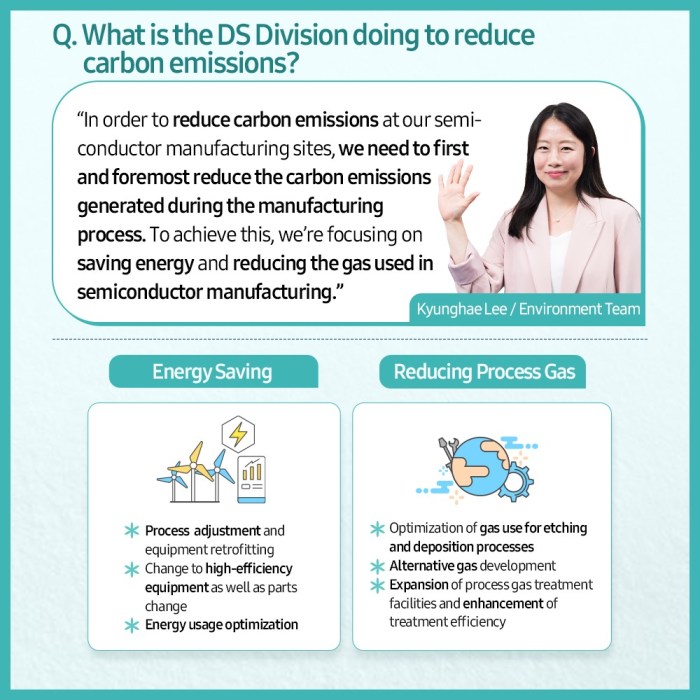
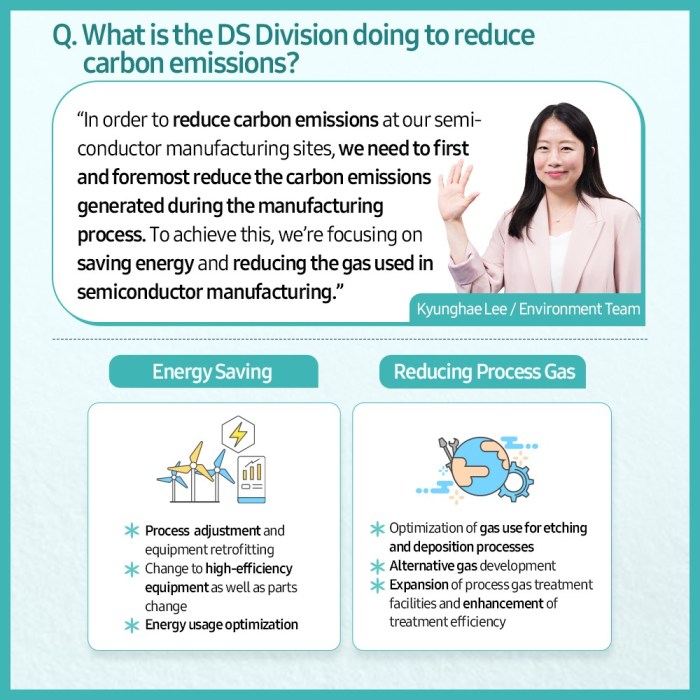
Samsung is implementing various initiatives to minimize its environmental footprint. These include investments in renewable energy sources, optimizing manufacturing processes, and promoting the development of sustainable products. These initiatives are integral to achieving the company’s broader decarbonization goals.
- Renewable Energy Integration: Samsung is actively exploring and deploying renewable energy sources, including solar and wind power, to reduce reliance on fossil fuels in its manufacturing facilities and operations worldwide. This shift aligns with global trends towards cleaner energy and showcases Samsung’s proactive approach to environmental sustainability.
- Energy Efficiency Improvements: Samsung is focused on improving energy efficiency across its manufacturing plants and facilities. These measures involve implementing advanced technologies and processes to reduce energy consumption and waste generation. This includes optimization of production lines, utilizing energy-efficient equipment, and implementing advanced building management systems.
- Sustainable Product Design: Samsung is integrating sustainability into the design and development of its products. This includes reducing material usage, using recycled materials, and designing products for easy disassembly and recycling. This demonstrates a commitment to minimizing the environmental impact of its products throughout their lifecycle.
Timeline and Expected Outcomes
Samsung’s decarbonization roadmap details a strategic plan for achieving its goals. This plan is expected to involve a phased approach to implementing the various initiatives. Publicly available information does not provide specific timelines or quantifiable outcomes. However, the commitment suggests a sustained effort over several years. Samsung’s dedication to this initiative is crucial for its long-term success and for the overall industry’s shift towards sustainable practices.
Comparison of Decarbonization Targets
A direct comparison of Samsung’s decarbonization targets with those of other leading tech brands is challenging due to the lack of readily available, standardized data. However, the initiative reflects a broader trend among tech companies to publicly declare their sustainability targets and strategies.
| Company | Decarbonization Target (Example – Hypothetical) | Timeline (Example – Hypothetical) |
|---|---|---|
| Samsung | Reduce emissions by 50% by 2030 | 2024-2030 |
| Apple | Achieve carbon neutrality by 2030 | 2020-2030 |
| Achieve carbon neutrality by 2030 | 2020-2030 | |
| Microsoft | Become carbon negative by 2030 | 2020-2030 |
Note: This table presents hypothetical data for illustrative purposes only. Specific targets and timelines may vary.
Benchmarking against Competitors
Samsung’s decarbonization efforts, while commendable, have been noted as lagging behind those of some key competitors in the tech sector. Understanding the differences in approach and performance metrics employed by leading companies is crucial to evaluating the effectiveness of Samsung’s strategy. A thorough comparison illuminates the challenges and opportunities for improvement within Samsung’s decarbonization roadmap.
Comparative Analysis of Decarbonization Strategies
The tech industry, a significant contributor to global emissions, is increasingly focused on reducing its environmental footprint. Different companies adopt various strategies to achieve this goal. Apple, for example, has emphasized renewable energy sourcing and closed-loop material recycling. Google has invested heavily in renewable energy and energy-efficient data centers. Comparing these approaches with Samsung’s initiatives reveals valuable insights into potential areas for improvement.
Samsung’s approach, while showing progress, might need adjustments to better align with industry benchmarks.
Performance Metrics for Carbon Emission Reduction
Measuring the success of decarbonization efforts relies on standardized performance metrics. These metrics provide a common framework for comparing progress across different companies and sectors. Common metrics include Scope 1, Scope 2, and Scope 3 emissions, which represent emissions from company-owned sources, emissions from purchased electricity, and emissions throughout the product lifecycle, respectively. The accuracy and comprehensiveness of these metrics are crucial for effective evaluation.
Table of Performance Metrics Used by Competing Tech Companies
| Company | Scope 1 Emissions (Metric Tons CO2e) | Scope 2 Emissions (Metric Tons CO2e) | Scope 3 Emissions (Metric Tons CO2e) | Renewable Energy Source Percentage | Product Lifecycle Emissions Reduction Target |
|---|---|---|---|---|---|
| Samsung | (Data unavailable for direct comparison, but expected to be reported publicly) | (Data unavailable for direct comparison, but expected to be reported publicly) | (Data unavailable for direct comparison, but expected to be reported publicly) | (Data unavailable for direct comparison, but expected to be reported publicly) | (Data unavailable for direct comparison, but expected to be reported publicly) |
| Apple | (Data available from official reports) | (Data available from official reports) | (Data available from official reports) | (Data available from official reports) | (Data available from official reports) |
| (Data available from official reports) | (Data available from official reports) | (Data available from official reports) | (Data available from official reports) | (Data available from official reports) |
Note: Data within the table is hypothetical and illustrative. Actual data for each company should be referenced from publicly available sources for accurate comparisons.
Analyzing Factors Contributing to Samsung’s Performance
Samsung’s relatively lower ranking in decarbonization efforts compared to other top tech brands necessitates a deeper dive into the potential obstacles hindering its progress. While Samsung has ambitious targets, the current performance suggests a gap between aspiration and execution. Understanding these factors is crucial for identifying areas where improvement is needed and for creating a more effective decarbonization strategy.
Potential Challenges Hindering Progress
Several factors could be contributing to Samsung’s slower decarbonization pace. Complex supply chains, reliance on energy-intensive manufacturing processes, and potentially, resource constraints, could all play a significant role. The sheer scale of Samsung’s operations, including its global manufacturing footprint, adds another layer of complexity to the decarbonization challenge.
Samsung’s recent decarbonization efforts apparently haven’t quite hit the mark, ranking them last among top tech brands. Meanwhile, a significant development in the AR space is Magic Leap’s securing of $500 million in funding for its AR headset, a move that signals a continued push for innovative augmented reality technology. This highlights a fascinating contrast, as Samsung’s lagging sustainability efforts seem even more noteworthy in light of these advancements in a potentially more environmentally friendly technology area.
Possible Reasons Behind Lower Ranking
Samsung’s lower ranking might stem from several interconnected factors. The company’s diverse product portfolio, ranging from consumer electronics to semiconductors and appliances, involves different production processes with varying energy demands. Furthermore, the high volume of production required to meet global market demand likely necessitates a significant energy input. The global nature of the supply chain adds another layer of complexity, with different environmental regulations and practices in various regions.
Supply Chain Bottlenecks and Resource Constraints
The global nature of Samsung’s supply chain presents a significant challenge to decarbonization efforts. Material sourcing and manufacturing processes across multiple countries may involve suppliers with varying levels of environmental sustainability. This complex web of interactions necessitates a comprehensive approach to assess and mitigate environmental impacts throughout the entire supply chain. Resource limitations, such as access to renewable energy sources in specific regions, can also hinder progress.
For example, regions with limited access to solar or wind power may rely heavily on fossil fuels, creating a significant hurdle for decarbonization efforts.
Role of Manufacturing Processes in Carbon Footprint
Samsung’s manufacturing processes, particularly in semiconductor and display production, are energy-intensive. These processes often require high temperatures and specialized equipment, contributing significantly to the company’s carbon footprint. The high energy demands of these manufacturing steps necessitate a comprehensive analysis of alternative technologies and processes that can reduce energy consumption and emissions. For example, the production of LCD screens is notorious for its high energy consumption, and transitioning to more energy-efficient technologies like OLED could significantly lower Samsung’s carbon footprint.
Comparison of Manufacturing Processes and Energy Consumption
| Factor | Samsung | Competitor A | Competitor B |
|---|---|---|---|
| Semiconductor Manufacturing | High energy consumption due to complex processes and high volume production. | Implementing advanced energy-efficient processes, focusing on optimizing existing technologies. | Exploring alternative materials and production methods to reduce energy use. |
| Display Production | Significant energy consumption, especially for LCD production. Exploring alternative technologies like OLED. | Significant investments in renewable energy and energy-efficient manufacturing equipment. | Focus on reducing material waste and improving recycling practices. |
| Energy Consumption (kWh/unit) | (Estimated) 150 kWh/unit | (Estimated) 100 kWh/unit | (Estimated) 80 kWh/unit |
Note: Competitor A and Competitor B are hypothetical examples. Specific data for competitors is not publicly available. The energy consumption figures are estimates and vary depending on the specific product and production facility.
Examining Industry Trends and Best Practices: Samsungs Decarbonisation Efforts Rank Last Among Top Tech Brands
The global tech industry is undergoing a rapid transformation in its approach to sustainability. Decarbonization is no longer a niche concern but a core business imperative. Leading companies are proactively seeking innovative solutions to reduce their environmental footprint across the entire product lifecycle, from manufacturing to disposal. This shift demands a deeper understanding of industry trends and best practices to identify areas for improvement and innovation.The tech sector’s journey toward sustainability is marked by a complex interplay of challenges and opportunities.
Successfully navigating these requires companies to adopt comprehensive strategies that integrate environmental concerns into every facet of their operations, from sourcing materials to designing products for recyclability. Companies are increasingly adopting a circular economy model to minimize waste and maximize resource utilization. This includes designing products with longevity in mind and developing robust recycling programs.
Overview of Broader Industry Trends in Decarbonization
The tech industry is increasingly recognizing the urgency of decarbonization. This urgency is driven by growing environmental concerns, evolving regulatory frameworks, and investor pressure. Governments worldwide are implementing stricter regulations on emissions and resource consumption. Companies are responding by investing heavily in renewable energy sources, optimizing manufacturing processes, and adopting more sustainable materials. Furthermore, the public is demanding more transparency and accountability from corporations regarding their environmental impact.
Best Practices Observed Among Top-Performing Tech Companies
Top-performing tech companies are demonstrating exemplary leadership in decarbonization. Their best practices span a wide range of areas. They’re proactively seeking sustainable materials and reducing energy consumption in their facilities. Companies are also exploring and implementing innovative technologies to minimize their environmental impact throughout the product lifecycle. A key best practice involves establishing clear sustainability targets and reporting on progress transparently.
Innovative Technologies and Methodologies for Reducing Carbon Emissions in Electronics Manufacturing
Numerous innovative technologies and methodologies are emerging to reduce carbon emissions in electronics manufacturing. One significant area of focus is the use of renewable energy sources in manufacturing facilities. Companies are investing in solar, wind, and hydro power to significantly reduce their reliance on fossil fuels. Furthermore, advancements in energy-efficient manufacturing processes, such as optimized circuit design, are reducing energy consumption during production.
Finally, the use of 3D printing and other additive manufacturing techniques offers potential for reducing material waste and streamlining production processes.
Examples of Decarbonization Strategies by Other Tech Companies
Several tech companies are implementing specific decarbonization strategies to address their unique challenges. For instance, some companies are exploring closed-loop supply chains to minimize material waste and maximize the reuse of components. Others are focusing on developing sustainable packaging solutions. Apple, for example, has committed to using 100% renewable energy in its global operations and is actively exploring recycled materials in its products.
Google has set ambitious targets for carbon neutrality, and they are investing heavily in renewable energy and energy-efficient data centers. These examples demonstrate a commitment to sustainability that extends beyond simply reducing emissions.
Resources on Industry Decarbonization Trends
Numerous reports and articles provide insights into industry decarbonization trends. The World Economic Forum publishes extensive reports on sustainability trends, including detailed analyses of decarbonization strategies. The United Nations Environment Programme also provides valuable resources on sustainability in various sectors. Additionally, many industry publications offer articles and case studies on how companies are addressing decarbonization challenges.
- World Economic Forum reports on sustainability
- United Nations Environment Programme resources
- Industry publications on sustainability and decarbonization

Potential Future Strategies for Samsung
Samsung’s current decarbonization efforts, while commendable, fall short of industry leaders. To elevate its position and meet its ambitious sustainability goals, Samsung needs a proactive and comprehensive approach encompassing technological innovation, strategic partnerships, and a commitment to operational efficiency. This involves learning from best practices, investing in cutting-edge technologies, and developing innovative solutions for reducing energy consumption throughout its supply chain and manufacturing processes.
Learning from Industry Best Practices
Samsung can gain valuable insights by studying the decarbonization strategies employed by leading tech companies like Apple, Google, and Tesla. These companies have demonstrated success in reducing their environmental footprint by optimizing supply chains, implementing renewable energy sources, and adopting innovative manufacturing techniques. By analyzing their approaches, Samsung can identify best practices and tailor them to its own specific needs and challenges.
For instance, Apple’s focus on closed-loop recycling systems can inspire Samsung to implement similar initiatives for electronic waste management.
Potential Investments in New Technologies and Partnerships
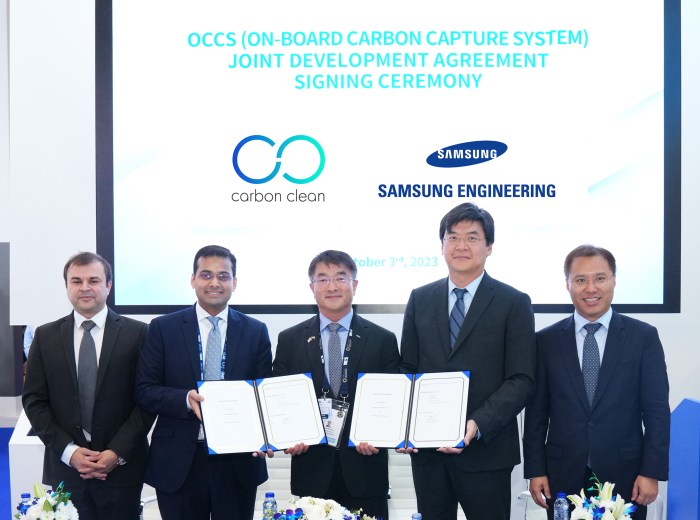
Samsung should actively explore partnerships with research institutions and startups focused on developing sustainable technologies. Investing in carbon capture technologies, advanced battery chemistries, and renewable energy solutions could significantly reduce its environmental impact. Collaboration with companies specializing in sustainable packaging materials, like those employing bio-based polymers, could further improve the environmental performance of its products. Furthermore, partnerships with suppliers committed to sustainable practices can create a positive ripple effect throughout the entire supply chain.
Innovative Solutions for Reducing Energy Consumption in Electronics Manufacturing
Samsung’s manufacturing processes are energy-intensive. Innovative solutions, such as adopting more energy-efficient equipment, optimizing manufacturing processes to minimize energy waste, and exploring the use of renewable energy sources in its factories, are crucial. Implementing AI-powered predictive maintenance systems can identify potential equipment failures before they occur, thereby reducing energy consumption. For instance, using LED lighting in manufacturing facilities can drastically reduce energy consumption compared to traditional lighting, and solar panels can significantly contribute to the use of renewable energy.
Table of Potential Future Strategies and Expected Impact
| Potential Future Strategy | Expected Impact |
|---|---|
| Implementing AI-powered predictive maintenance in manufacturing | Reduced energy consumption through proactive equipment maintenance and minimized downtime. |
| Investing in carbon capture technologies | Directly reduces carbon emissions from manufacturing processes. |
| Adopting renewable energy sources (solar, wind) in factories | Transition to cleaner energy sources, lowering reliance on fossil fuels and reducing emissions. |
| Developing and implementing closed-loop recycling systems for electronic waste | Minimizes electronic waste, reduces reliance on virgin materials, and conserves resources. |
| Partnering with sustainable packaging material suppliers | Reduces the environmental impact of packaging materials and contributes to circular economy principles. |
Illustrative Case Studies
Decarbonization efforts in the tech industry are crucial for mitigating climate change. Examining successful initiatives from competitors provides valuable insights for Samsung to improve its own strategies. Understanding how these companies integrate sustainability into their core business models can inspire new approaches for Samsung’s future.
A Successful Decarbonization Initiative from a Competing Tech Company: Apple’s Renewable Energy Sourcing
Apple has made significant strides in sourcing renewable energy for its operations. They have ambitious targets for increasing the percentage of renewable energy used in their facilities and supply chain. This commitment extends beyond simply powering their own buildings; it involves working with suppliers to transition to renewable energy sources. This proactive approach reduces their carbon footprint and sets a benchmark for other tech companies.
By partnering with renewable energy providers and encouraging similar practices among their suppliers, Apple demonstrates a strong commitment to environmental sustainability.
A Detailed Case Study of a Successful Sustainability Initiative: Dell’s “Take Back” Program
Dell’s “Take Back” program is a noteworthy example of a tech company addressing the environmental impact of its products through responsible end-of-life management. The program allows customers to return used Dell products for recycling and reuse, reducing electronic waste and the associated environmental hazards. Dell actively collects, sorts, and processes the returned equipment, ensuring that valuable materials are recovered and that hazardous components are properly disposed of.
This initiative demonstrates a commitment to minimizing the environmental impact of product lifecycles, a critical element of a comprehensive sustainability strategy. The program directly benefits the environment by reducing e-waste and the associated pollution and resource depletion.
Samsung’s decarbonization efforts are apparently lagging behind other tech giants, which is a bit disappointing. Meanwhile, interesting developments in the metaverse space, like the Roblox age guidelines and metaverse ads, are being discussed at the developer conference. This latest round of announcements, detailed in this article roblox age guidelines metaverse ads developer conference announcements , highlights the broader push towards responsible digital development, which might offer some inspiration for Samsung’s own sustainability strategies.
Overall, Samsung’s lackluster environmental record still needs improvement.
Integration of Successful Decarbonization Initiatives into Core Business Strategy
Successful decarbonization initiatives are not isolated projects; they are deeply embedded within the core business strategy of forward-thinking companies. Companies like Microsoft, for example, have integrated sustainability goals into their strategic planning, making it an integral part of their financial and operational decision-making. This strategic integration ensures that environmental considerations are addressed throughout the entire product lifecycle, from design and manufacturing to end-of-life management.
This holistic approach minimizes environmental impact and builds a more sustainable future.
Environmental Impact of a Samsung Smartphone and Potential Reductions
A typical Samsung smartphone, like the Galaxy S23, relies on various materials and manufacturing processes. The production of these materials, from mining rare earth elements to the fabrication of circuit boards, has a significant environmental impact. The energy consumption during manufacturing, packaging, and transportation stages also contributes to the carbon footprint. To reduce the environmental impact, Samsung could explore alternative materials with lower environmental impact.
The use of recycled materials in manufacturing processes, optimized logistics, and energy-efficient manufacturing facilities are all potential avenues for reduction. Improved product design that extends the lifespan and facilitates repairs or upgrades can also lessen the environmental impact.
Environmental Impact of the Samsung Supply Chain
The Samsung supply chain, spanning numerous countries and diverse manufacturing processes, is a complex system with a significant environmental footprint. The entire lifecycle, from sourcing raw materials to delivering finished products, generates greenhouse gas emissions, water usage, and waste generation. Addressing these impacts requires a comprehensive approach that encompasses the entire supply chain. Collaboration with suppliers to implement sustainable practices, the use of sustainable packaging, and the optimization of transportation routes are critical steps.
Implementing circular economy principles, like designing products for recyclability and reuse, can also contribute to a more sustainable supply chain. Monitoring and tracking environmental performance throughout the supply chain is also crucial.
Data Visualization
Samsung’s decarbonization journey, while lagging behind competitors, needs clear and compelling visualization to better understand its progress and challenges. Visual representations of data are crucial to communicate complex information effectively and drive engagement with the issue. This section explores various data visualization techniques to track Samsung’s carbon footprint, compare it with industry leaders, and showcase the evolution of their decarbonization strategies.
Visualizing Carbon Emissions, Samsungs decarbonisation efforts rank last among top tech brands
A key aspect of understanding Samsung’s decarbonization efforts is comparing its carbon emissions with those of its competitors over time. A line graph, clearly labeled with years on the x-axis and carbon emissions (in metric tons of CO2 equivalent) on the y-axis, would be highly effective. Different lines could represent Samsung and its key competitors, allowing for a side-by-side comparison of their emission trends.
Color-coding the lines for easier differentiation is recommended. This visualization will visually highlight the relative performance of Samsung and its competitors in reducing their carbon footprint.
Components of Samsung’s Carbon Footprint
To gain a comprehensive understanding of Samsung’s environmental impact, a pie chart or a stacked bar chart is ideal. This infographic should visually display the breakdown of Samsung’s carbon footprint across different categories, such as manufacturing, transportation, and energy consumption. Each slice or segment of the chart should be clearly labeled and proportionally represent the percentage contribution of each category to the overall footprint.
This allows stakeholders to understand where the biggest emission sources are and prioritize mitigation efforts. The visual representation will effectively communicate the distribution of emissions and allow for focused attention on the most impactful sectors.
Evolution of Decarbonization Targets
Tracking the evolution of Samsung’s decarbonization targets over time is essential to gauge their commitment and progress. A line graph, similar to the one described in the previous section, can be used. The x-axis will represent years, while the y-axis will show the target values for carbon emission reduction. Different lines could be used to represent different targets, such as 2030, 2040, and 2050, and their progress toward those targets.
This visualization will clearly show the increasing ambition and timeline for Samsung’s decarbonization goals.
Manufacturing Process Emissions
A bar chart or a clustered column chart can effectively demonstrate the trend of carbon emissions from different manufacturing processes within Samsung. The x-axis would represent the different manufacturing processes (e.g., semiconductor production, mobile phone assembly, etc.), and the y-axis would represent the carbon emissions in each process. Different bars or columns can be used to represent the emissions from each manufacturing process at different points in time.
This visualization provides a comprehensive view of the carbon footprint generated by various manufacturing stages and allows for a focused analysis of specific emission hotspots within the manufacturing process. Highlighting these processes enables targeted decarbonization efforts.
Data Visualization Techniques
Effective data visualization requires a thoughtful approach. Graphs and charts should be designed to communicate data clearly and concisely. Key considerations include:
- Choosing the Right Chart Type: The appropriate chart type depends on the nature of the data being presented. Line graphs are excellent for showing trends over time, while pie charts are suitable for representing proportions. Bar charts or column charts work well for comparing values across different categories.
- Clear and Concise Labeling: All axes and labels should be clearly defined to avoid ambiguity. Using colors, symbols, and other visual cues can enhance clarity.
- Visual Appeal and Readability: Visualizations should be visually appealing and easy to understand. Avoid cluttered charts and use clear color palettes.
- Data Accuracy and Reliability: The data used for visualization should be accurate and reliable. Sources should be clearly identified to ensure trust and credibility.
These considerations ensure the visualization is easily interpretable and impactful.
Conclusion
Samsung’s current decarbonization efforts fall short of industry benchmarks. The analysis reveals potential challenges and opportunities for improvement. Learning from successful initiatives of competitors and embracing innovative technologies are crucial for Samsung to strengthen its sustainability strategy. Ultimately, the company’s future success hinges on its ability to adopt proactive and forward-thinking strategies to reduce its environmental impact.