


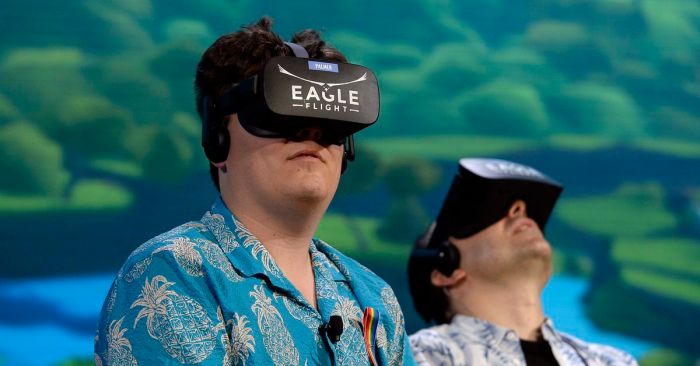
Oculus VR Zenimax lawsuit trial Palmer Luckey testimony is now underway, promising a fascinating look into the development and marketing of VR technology. The case, steeped in historical context, centers around key accusations and arguments between Oculus and Zenimax. Palmer Luckey’s testimony is a significant event, potentially influencing the outcome and potentially impacting the VR industry’s future. The trial’s legal and financial implications are substantial, and the public’s perception of the case and VR technology will undoubtedly be shaped by the proceedings.
This detailed analysis delves into the background of the lawsuit, including the key arguments, contracts, and the historical context of VR’s emergence. We’ll examine Palmer Luckey’s anticipated testimony, potential defense strategies, and the potential legal precedents involved. The financial implications for both companies and the broader VR industry are also explored, along with the potential impact on public perception and the future of VR technology.
Background of the Oculus VR and Zenimax Lawsuit
The Oculus VR and Zenimax lawsuit, a significant chapter in the VR industry’s development, centers around accusations of breach of contract and misappropriation of intellectual property. The case highlights the complexities of intellectual property rights and licensing agreements within the fast-evolving tech sector. The outcome will have far-reaching implications for future VR development and licensing models.This dispute emerged from the development and commercialization of virtual reality technology, a rapidly expanding field with significant financial stakes.
The lawsuit, with its intricate legal arguments and historical context, provides a compelling lens through which to examine the legal and business realities of innovative industries.
Summary of the Lawsuit
The Oculus VR and Zenimax lawsuit, stemming from the development and sale of virtual reality technology, is fundamentally about the terms of intellectual property licensing and business agreements. Zenimax, the parent company of Bethesda Softworks, alleges that Oculus VR breached contractual obligations regarding the use of intellectual property and payment of royalties. Oculus, in response, has presented its arguments, asserting its compliance with the agreements and potentially citing counter-claims regarding the nature of the intellectual property and the contractual terms.
Key Arguments and Accusations
Zenimax’s accusations likely revolve around specific contractual provisions regarding intellectual property rights, royalty payments, and the use of certain technologies in VR development and marketing. Oculus, in contrast, may argue that the agreements were interpreted correctly, or that specific terms were not violated. Both sides likely present evidence supporting their respective positions.
The Oculus VR Zenimax lawsuit trial and Palmer Luckey’s testimony are definitely grabbing headlines. But if you’re looking for a powerful gaming rig to keep you immersed in the virtual world, check out the affordable options from NZXT, like their prebuilt gaming PC starter series. Pricing details for these affordable Windows PCs can be found here: nzxt prebuilt gaming pc starter series affordable windows pricing.
While a killer VR setup is great, a solid PC is key for a smooth experience, which is something worth considering as the VR lawsuit trial continues.
Historical Context of VR Technology
The development of VR technology has a history marked by periods of significant innovation, rapid market expansion, and financial investment. The early stages were characterized by prototypes and limited market penetration. As technology progressed, substantial financial resources were poured into research and development, attracting investors and fueling further innovation. Early VR products, such as the Oculus Rift, played a pivotal role in popularizing the concept of VR gaming and interactive experiences.
The evolution of VR technology from its nascent stages to its current state reflects a confluence of technological advancements, marketing efforts, and investor involvement.
Relevant Contracts and Agreements
The core of this dispute likely lies in the precise terms of the contracts and agreements between Zenimax and Oculus VR. These documents dictate the specifics of licensing, intellectual property usage, royalty structures, and potential obligations. These agreements are vital to understanding the rights and responsibilities of each party. The details of these agreements would dictate the specific claims and counter-claims in the legal proceedings.
These contracts would also serve as the basis for any financial settlements or legal rulings.
Palmer Luckey’s Testimony
Palmer Luckey, a key figure in the Oculus VR and Zenimax lawsuit, is poised to deliver potentially crucial testimony. His account of events surrounding the creation and acquisition of Oculus could significantly impact the court’s understanding of the case’s complexities. The specifics of his testimony are expected to be a focal point of the trial, influencing how the jury perceives the motivations and actions of the parties involved.
Anticipated Key Points of Luckey’s Testimony
Palmer Luckey’s testimony is anticipated to center on his personal experiences and observations during the development and sale of Oculus VR. This will likely include his recollections of interactions with Zenimax, particularly those surrounding the negotiations and eventual acquisition. His perspective on the intellectual property rights, potential misrepresentations, and the overall business dealings will be crucial.
The Oculus VR Zenimax lawsuit trial and Palmer Luckey’s testimony have been fascinating, haven’t they? It’s got me thinking about how technology evolves, and how apps like those available on modern tablets are really transforming the way we interact with virtual reality. These android apps are really good your new tablet show just how far we’ve come, and it makes me wonder if the future of VR will be just as innovative and user-friendly.
Back to the trial, though – it’s all still quite a legal drama.
Potential Impact on the Case’s Outcome
Luckey’s testimony could significantly influence the court’s judgment. His accounts of negotiations, disagreements, and the overall context surrounding the transaction could sway the jury’s perception of the motivations behind the actions of both parties. His credibility and the details he presents will be pivotal in determining the validity of the claims made by both sides. The weight given to his evidence, compared to other witnesses’ testimonies, will directly affect the case’s outcome.
Defense Strategies Regarding Luckey’s Statements
The defense will likely employ various strategies to counter Luckey’s testimony. These may include challenging his credibility through highlighting inconsistencies in previous statements or actions, scrutinizing the timing and context of specific events, and presenting alternative explanations for the alleged misrepresentations or disputes. They might also present evidence contradicting Luckey’s account, potentially through testimonies from other witnesses or supporting documentation.
The Oculus VR Zenimax lawsuit trial and Palmer Luckey’s testimony has been fascinating to follow. It’s interesting to see how the legal proceedings unfold, especially considering the potential impact on the VR industry. Meanwhile, have you seen the recent changes to Google Maps street view directions UI? google maps street view directions ui change These subtle design tweaks seem to be improving the user experience, which makes me wonder if a similar focus on user-friendliness could be applied to the Oculus VR experience.
Hopefully, the outcome of the Zenimax lawsuit will also shed light on better user experience in the future of VR.
Potential Cross-Examination Questions for Luckey
Cross-examination of Luckey is expected to focus on potentially problematic aspects of his testimony. Questions might delve into specific interactions, contracts, or communications, seeking to expose inconsistencies or ambiguities. The cross-examination could also aim to demonstrate potential biases or self-interests that might influence Luckey’s perspective. Questions regarding his knowledge of the financial aspects of the deal, and his understanding of the legal implications of certain actions, are also likely.
The defense will likely scrutinize any perceived conflict of interest.
Key Dates and Events Related to Luckey’s Testimony, Oculus vr zenimax lawsuit trial palmer luckey testimony
| Date | Event | Location | Key Participants |
|---|---|---|---|
| To be determined | Palmer Luckey’s testimony | Courtroom | Palmer Luckey, Attorneys for both sides, Judge, Jury |
| Prior to testimony | Pre-trial motions, discovery | Court | Attorneys for both sides, Judge |
Legal Implications
This VR lawsuit between Oculus and Zenimax carries significant legal weight, potentially reshaping the landscape of intellectual property rights, particularly in the burgeoning virtual reality industry. The testimony of Palmer Luckey, crucial to both sides’ arguments, has highlighted the intricate legal arguments surrounding the creation, ownership, and use of software and intellectual property in the context of emerging technologies.
The outcome will undoubtedly influence future disputes involving similar issues in the digital realm.The legal precedents surrounding this case are complex, drawing upon existing copyright, contract, and perhaps even patent laws. The court will need to carefully analyze the specifics of the agreements between the parties, as well as the evidence presented by both sides, to determine the validity of Zenimax’s claims and the strength of Oculus’s defense.
The potential ramifications of a favorable ruling for either party are substantial and could set important precedents for the industry.
Relevant Legal Precedents
The court will likely look at past cases involving intellectual property disputes, especially those dealing with software development, licensing agreements, and the ownership of code. Cases concerning similar business relationships between developers and companies will likely inform the judge’s understanding of the context of the agreements between Oculus and Zenimax. The court will carefully scrutinize the specific language within the contracts to determine the intent of the parties and the extent of Zenimax’s rights.
Potential Ramifications of a Favorable Ruling
A favorable ruling for Zenimax could significantly impact Oculus’s future operations, potentially restricting its ability to develop and market certain VR technologies. The specific nature of any injunction or damages awarded would depend heavily on the details of the court’s decision. Conversely, a favorable ruling for Oculus could establish a stronger precedent for independent developers, potentially reducing the scope of similar future claims by other companies.
This could affect how future licensing agreements are structured. The financial implications for both parties are substantial, with the possibility of large settlements or injunctions affecting the market value of the companies.
Impact on the VR Industry
This lawsuit could potentially set a precedent for how intellectual property is handled in the rapidly evolving VR industry. A ruling in favor of Zenimax could discourage future innovation by potentially increasing the risk of lawsuits, while a ruling in favor of Oculus could promote greater collaboration and innovation in the VR sector. The outcome of this case will certainly influence future development practices and agreements within the industry, potentially altering the development cycle for VR products.
Comparison of Legal Arguments
| Argument | Oculus VR | Zenimax |
|---|---|---|
| Ownership of Source Code | Oculus maintains that the source code, developed by Palmer Luckey, belonged to him and therefore not subject to Zenimax’s claims. | Zenimax argues that the source code, especially that which was used in their games, was a result of a contractually obligated creation and therefore belonged to Zenimax. |
| Validity of Licensing Agreements | Oculus contends that the licensing agreements were properly executed and covered the scope of the source code usage. | Zenimax maintains that the licensing agreements were not properly executed and did not cover the scope of the source code usage, or were improperly interpreted. |
| Breach of Contract | Oculus denies any breach of contract. | Zenimax claims Oculus breached the agreement by failing to adhere to specific terms or using the source code in a manner inconsistent with the agreement. |
Financial Implications
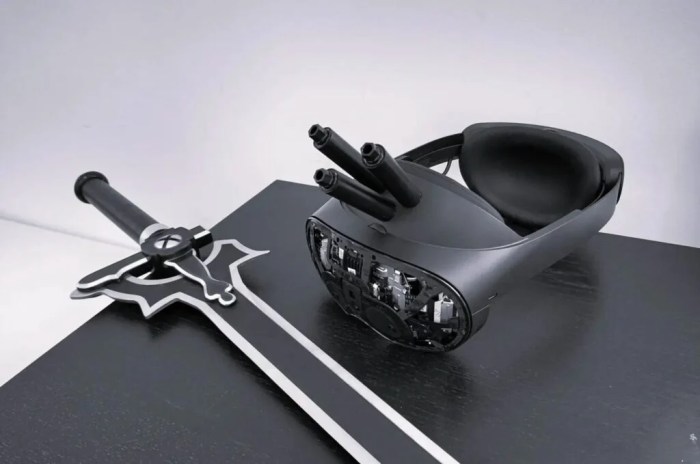
The Oculus VR and Zenimax lawsuit carries significant financial implications for both companies, potentially impacting the entire virtual reality (VR) industry. The outcome will determine not only the future of the involved parties but also the broader landscape of intellectual property rights and innovation in the tech sector. Understanding these implications is crucial for investors, industry analysts, and anyone interested in the future of VR.
Potential Consequences for Oculus VR
Oculus’s financial standing is intricately linked to the outcome of this case. A successful defense by Zenimax could result in significant financial losses for Oculus. This could manifest in several ways, including reduced future revenue streams from potential licensing fees or other income associated with the disputed technology. Conversely, a favorable verdict for Oculus could lead to a financial windfall, potentially boosting their market share and future growth.
Settlement agreements also play a significant role, with potential financial costs or benefits contingent on the specific terms.
Potential Consequences for Zenimax
Zenimax, a major player in the gaming industry, also faces substantial financial implications. A loss in the lawsuit could impact their financial health through potential damages and legal fees. This could impact their ability to invest in future game development, impacting their overall market share and brand reputation. A successful defense, on the other hand, would safeguard their financial resources and allow them to continue operations without the added burden of a costly legal battle.
Impact on the VR Industry
The outcome of this case could set a precedent for future VR-related legal disputes. A ruling in favor of one party could shape the landscape of VR development and licensing, potentially influencing how future innovations are protected and commercialized. This could either spur innovation or hinder it, depending on the specific details of the ruling. A protracted legal battle could also discourage further investment in VR development, impacting the growth potential of the industry.
Settlement Impact on Both Companies
Settlement negotiations offer an alternative resolution to protracted litigation. A settlement could mitigate the financial risks for both companies. However, the specific terms of any settlement will be crucial, as it could entail financial payments, licensing agreements, or other stipulations that would affect both Oculus’s and Zenimax’s financial health. The possibility of a settlement depends on the willingness of both parties to negotiate in good faith.
Financial Figures
| Category | Amount | Description |
|---|---|---|
| Potential Damages | Variable | Depending on the court’s assessment of the infringement and the impact on both companies. |
| Legal Fees | Variable | Legal representation costs for both Oculus and Zenimax. |
| Lost Revenue (Oculus) | Variable | Potential lost income from delayed product releases, licensing deals, or other revenue streams if the technology is deemed infringing. |
| Lost Revenue (Zenimax) | Variable | Potential lost income from legal fees, and potentially hindered game development, depending on the outcome of the lawsuit. |
| Settlement Amount (Potential) | Variable | If a settlement is reached, the amount will depend on the terms agreed upon. |
Impact on the VR Industry
The Oculus-Zenimax lawsuit, with Palmer Luckey’s testimony at its core, has injected a significant dose of uncertainty into the burgeoning VR industry. The trial’s implications extend far beyond the specifics of the legal battle, potentially reshaping the future of VR development and adoption. The legal proceedings and the subsequent public discourse are already influencing investor confidence and prompting discussions about the ethical and legal boundaries of intellectual property in rapidly evolving technological landscapes.
Development and Adoption of VR Technology
The legal battle’s outcome will undoubtedly influence the future development trajectory of VR technology. A ruling favorable to Zenimax could potentially lead to increased scrutiny and litigation in similar situations, potentially stifling innovation. Conversely, a favorable outcome for Oculus could encourage further investment and development, potentially accelerating the pace of advancements in VR hardware and software. The public perception of VR technology, already affected by its relatively high barrier to entry and limited consumer adoption, will likely be shaped by the court’s decision and the associated publicity.
This could influence the rate at which new VR products are released and the level of consumer enthusiasm surrounding them.
Potential Scenarios for Future VR Innovations
Several scenarios regarding future VR innovations are possible. If the ruling favors Zenimax, developers might be more cautious about integrating or adapting certain technologies, leading to potential delays in the development of innovative VR applications. Conversely, a decision favoring Oculus could unlock more creativity and experimentation, leading to faster development cycles and a greater variety of VR experiences.
The outcome of the lawsuit could influence the development of VR games and experiences that rely on or incorporate similar technologies, potentially changing the scope of the experiences offered.
Potential Lessons for Other Companies in the Technology Industry
The Oculus-Zenimax lawsuit serves as a cautionary tale for other technology companies operating in rapidly evolving sectors. The trial highlights the importance of clear contracts, thorough due diligence, and a proactive approach to intellectual property protection in a constantly shifting technological landscape. Companies need to understand the potential risks associated with emerging technologies and be prepared to address intellectual property concerns proactively.
This involves understanding the specific legal implications of technologies they are developing or using, anticipating potential conflicts, and having robust legal strategies in place to navigate such disputes.
Possible Regulatory Changes
The trial could potentially prompt regulatory changes. The legal arguments and evidence presented might lead to more specific and detailed regulations governing intellectual property rights in the development and commercialization of VR technology. These regulations could affect how companies develop, market, and use VR technologies. Potential regulatory changes could include enhanced requirements for patent protection or new guidelines for licensing and cross-licensing agreements, ensuring clarity and predictability for developers and investors.
This may involve adjustments in the way VR technologies are developed and used.
Public Perception: Oculus Vr Zenimax Lawsuit Trial Palmer Luckey Testimony
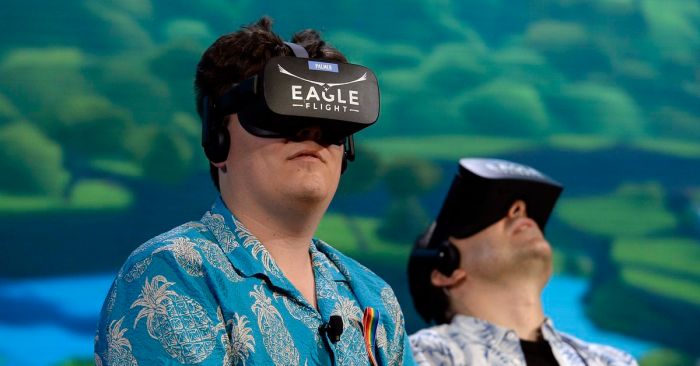
The Oculus-Zenimax lawsuit, with Palmer Luckey’s central role, has already generated considerable public interest. Public perception is a complex mix of curiosity, skepticism, and varying interpretations of the events surrounding the development of VR technology. The trial itself will likely further shape this perception, potentially impacting the future of the VR industry.
Public Opinion and the Trial
Public opinion surrounding the lawsuit is diverse and dynamic. Early reactions were often fueled by the narrative surrounding the innovative development of VR and the potential legal battles that could follow. As the trial progresses, specific details revealed during testimony will likely influence public opinion. For example, if evidence suggests significant misrepresentation or unethical business practices, public perception could shift towards harsher judgments of the individuals and companies involved.
Conversely, if the defense presents a compelling narrative of legitimate business practices, public sympathy might lean towards the defendants.
Impact on VR Technology
The trial’s outcome, regardless of its specifics, could impact the public’s perception of VR technology. If the lawsuit highlights perceived flaws or shortcomings in the VR development process, public trust in the technology might diminish. On the other hand, a successful defense could reinforce the public’s confidence in VR as a legitimate and valuable technological advancement. This is not unique; similar controversies in other tech industries have significantly affected public opinion and investment in those areas.
Media Coverage and Public Discussion
The media coverage of the Oculus-Zenimax lawsuit has been extensive, encompassing various news outlets and online platforms. Public discussion on social media platforms, online forums, and other online communities has also been prevalent. This widespread attention has exposed the legal and business issues to a broad audience, influencing the public’s understanding of the case and the individuals involved.
This public discourse is vital in shaping public perception, as it often highlights various perspectives and details of the lawsuit.
Different Viewpoints on the Lawsuit
| Perspective | Summary | Supporting Points |
|---|---|---|
| Oculus/Palmer Luckey Supporters | Believe Luckey and Oculus acted appropriately and were victims of misrepresentation or misunderstanding. | Highlight Luckey’s contributions to VR, emphasizing his role in the technology’s initial development. Could cite business practices common in the tech industry. |
| Zenimax/Bethesda Supporters | Emphasize Zenimax’s right to protect its intellectual property and assert its position as a victim of misappropriation or fraud. | Highlight contractual agreements and the potential harm to their intellectual property or business interests. Could point to precedent in similar cases. |
| Skeptical/Neutral Observers | Acknowledge the complexity of the issues and the potential for misinterpretations. Are likely waiting for more information to form a conclusive opinion. | Focus on the nuanced details of the case and the various legal arguments. Could highlight the potential for bias in the media or online discussions. |
Final Summary
The Oculus VR Zenimax lawsuit, with Palmer Luckey’s testimony at its core, is a significant event for the VR industry. The legal and financial implications are substantial, and the case will undoubtedly shape the future of VR technology. This analysis provides a comprehensive overview of the case, offering insights into the key arguments, potential outcomes, and the overall impact on the industry.
The public perception and future development of VR technology will be profoundly affected by this trial.