



New pokemon snap requests 8 rare shots you shouldnt miss – New Pokémon Snap requests 8 rare shots you shouldn’t miss dives deep into the captivating world of New Pokémon Snap, revealing the secrets to capturing some of the game’s most elusive Pokémon. This guide unpacks the specific strategies, camera techniques, and optimal locations to maximize your chances of landing those coveted rare shots and achieving high scores. Get ready to unlock the hidden treasures of the game and elevate your photography skills!
This in-depth exploration goes beyond simple spotting. We’ll analyze each Pokémon’s behavior, preferred habitats, and the ideal camera angles and settings to perfectly capture their unique poses and expressions. We’ll even delve into strategies for maximizing your scores, covering everything from finding the right locations at the right time to mastering the art of precise timing and camera movements.
Prepare for a photographic adventure!
Introduction to New Pokémon Snap Requests
New Pokémon Snap, a unique photography-focused game, immerses players in a vibrant world of Pokémon, encouraging them to capture stunning images of various creatures in their natural habitats. Instead of battling, players focus on observing and documenting the Pokémon in their environments, utilizing special camera features to achieve the best shots. The game’s core gameplay revolves around meticulously capturing Pokémon, utilizing angles, lighting, and camera settings to earn high scores and uncover hidden details about these creatures.Requests are specific photographic tasks within the game, acting as challenges that direct players towards capturing particular Pokémon in specific situations.
Completing these requests effectively contributes to high scores and unlocks new areas and opportunities for further exploration. They are the key to achieving a high-scoring experience in the game, as they often require specific poses, angles, or backgrounds for a perfect shot. These tasks also increase the overall value of the photo experience.
Rare Pokémon Capture Significance
Capturing rare Pokémon in New Pokémon Snap is paramount to success. These Pokémon are often elusive and challenging to spot, requiring keen observation and strategic positioning. Their capture is frequently tied to specific requests and contributes substantially to the overall score. Successfully photographing rare Pokémon often results in higher scores and unlocks bonus content, adding depth to the game’s reward system.
Request Types and Scoring
Requests in New Pokémon Snap come in various forms, each demanding unique photographic skills. Some requests focus on capturing Pokémon in specific poses, while others emphasize particular backgrounds or environmental elements. The scoring system is designed to reward players for capturing Pokémon in specific conditions. For example, capturing a Pokémon in its natural habitat, with the correct pose and lighting, could yield a higher score than a standard capture.
Importance of Specific Lighting and Angles
Lighting and angles play crucial roles in achieving high scores. Players need to position their camera strategically to capture Pokémon in the best possible light. The quality of light and the angle from which the Pokémon is viewed can significantly affect the overall image quality and scoring. Capturing a Pokémon with dramatic lighting or from an unusual angle, while maintaining clear visibility, can lead to a better score.
Camera Features and Their Use
New Pokémon Snap’s camera features, such as zoom, flash, and filters, offer a wide range of tools to enhance captures. These features allow players to control the composition of their shots, capturing intricate details and unique perspectives. Mastering the camera’s features is essential for capturing rare Pokémon and completing challenging requests. Utilizing these tools strategically, such as employing flash for capturing nighttime scenes or using zoom to capture a Pokémon from a distance, are critical for achieving high scores.
Strategies for Maximizing Scores
Strategies for maximizing scores include careful planning and precise execution. Players should familiarize themselves with each environment and the typical behavior patterns of the Pokémon inhabiting it. Understanding the Pokémon’s typical movements and reactions allows for more precise positioning and timing for the perfect shot. Developing a strategy for approaching each area and understanding the best time to capture Pokémon will be instrumental in achieving high scores.
Request Completion and Rewards
Completing requests often leads to rewards, such as unlocking new areas, access to more Pokémon, or even bonus items. By completing all requests in an area, players unlock new possibilities and further their exploration of the game’s world. Successfully capturing a rare Pokémon with the appropriate lighting, pose, and angle can unlock bonus content and further exploration opportunities.
So, you’re diving back into the delightful world of Pokémon Snap, huh? Eight rare shots are calling your name, and you absolutely shouldn’t miss them! To fully appreciate the stunning visuals and meticulous detail, you’ll need a reliable internet connection. Luckily, finding the best internet providers in McAllen, TX is easy with this resource: best internet providers in mcallen tx.
With a fast connection, you can fully immerse yourself in the photo opportunities and capture those elusive Pokémon in all their glory!
Identifying 8 Rare Shots
Capturing rare Pokémon in Pokémon Snap requires a keen eye and a deep understanding of their behaviors. This isn’t just about taking a picture; it’s about witnessing and documenting these creatures in their natural habitats. These eight rare shots demand meticulous observation, strategic camera positioning, and a knack for anticipating their movements. This guide delves into the specific needs for each rare Pokémon, highlighting the optimal conditions for capturing truly exceptional shots.
Rare Pokémon Characteristics and Habitats
Each Pokémon possesses unique characteristics that influence its behavior and habitat. Understanding these aspects is crucial for successful captures. Their environments play a significant role, dictating their activities and, consequently, the optimal time and angle for a photo. Recognizing these patterns is key to anticipating their movements and achieving the rare shots.
Articuno
Articuno, a legendary bird Pokémon, inhabits icy mountaintops and glaciers. It is a solitary creature, often spotted soaring high above its snowy domain. Its ethereal beauty and graceful movements are best captured from a distance, with a focus on its sharp features and vibrant plumage. Its aerial displays are most frequent during dawn and dusk, when the sunlight casts striking shadows across the snow.
Optimal Camera Settings: High-resolution mode, telephoto lens, focus on the wings and body for detail. Camera Angle: From a distance, positioned slightly above the bird as it flies.
Rare Shot Strategies: Wait for Articuno to perform its characteristic circling flight pattern; use a burst mode to capture the movement.
Moltres
Moltres, another legendary bird Pokémon, resides in volcanic regions and mountainous areas near active volcanoes. Its fiery aura and powerful wings make it a formidable creature. It’s active during the day and is frequently spotted near lava flows and rocky outcroppings.
Optimal Camera Settings: High-resolution mode, telephoto lens, focus on the wings and body for detail. Camera Angle: Position the camera slightly below Moltres as it flies.
Rare Shot Strategies: Watch for Moltres’ characteristic descent and ascent; aim for a shot that captures the fiery glow from the volcanic surroundings.
Zapdos
Zapdos, a legendary bird Pokémon, inhabits dense forests and mountainous areas with thunderstorms. It’s known for its lightning-like speed and electric aura. It’s frequently spotted near tall trees or rock formations during electrical storms.
Optimal Camera Settings: High-resolution mode, telephoto lens, focus on the wings and body for detail. Camera Angle: Position the camera slightly above Zapdos as it flies.
Rare Shot Strategies: Wait for a lightning strike or a moment of stillness during the storm; use a burst mode to capture the moment.
Snorlax
Snorlax, a massive Pokémon, inhabits dense forests and meadows. It’s known for its relaxed demeanor and powerful physique. It’s often found slumbering in the shade or feeding on nearby vegetation.
Optimal Camera Settings: Wide-angle lens, high-resolution mode, focus on the entire body for its impressive size. Camera Angle: Position the camera slightly below Snorlax to capture its full form.
Rare Shot Strategies: Wait for Snorlax to open its eyes and move; try to capture it yawning or stretching.
Eevee
Eevee, an adaptable Pokémon, resides in various habitats, from forests to grasslands. Its ability to evolve into different forms is its key characteristic. It’s often seen exploring its surroundings, playing with other Pokémon, or resting near water sources.
Optimal Camera Settings: Wide-angle lens, high-resolution mode, focus on its expression and interactions. Camera Angle: Vary the angle to capture Eevee’s actions in different environments.
Rare Shot Strategies: Capture Eevee in its unique evolutionary forms, or interacting with other Pokémon in a natural setting.
Gengar
Gengar, a mischievous Pokémon, inhabits dark and damp environments like caves and forests. It is known for its spectral form and ability to use illusions. It’s often seen flitting through the shadows, and its presence is often hinted at rather than directly observed.
Optimal Camera Settings: Telephoto lens, high-resolution mode, focus on its spectral features. Camera Angle: Position the camera slightly above Gengar to capture its unique form in the shadows.
Rare Shot Strategies: Use a slow shutter speed to capture Gengar’s ethereal glow; try to anticipate its movements and capture its illusionary forms.
Blastoise
Blastoise, a water-type Pokémon, inhabits coastal regions and bodies of water. It’s known for its shell and powerful water jets. It’s often seen near the shoreline, resting or actively splashing in the water.
Optimal Camera Settings: Wide-angle lens, high-resolution mode, focus on the shell and water jets. Camera Angle: Position the camera near the water to capture the splash and water droplets.
Rare Shot Strategies: Wait for Blastoise to use its water jets; use a burst mode to capture the jet streams.
Jigglypuff
Jigglypuff, a cute and fluffy Pokémon, inhabits forests and meadows. It’s known for its gentle nature and ability to use its cute appearance to its advantage. It’s often seen resting in the shade or interacting with other Pokémon.
Optimal Camera Settings: Wide-angle lens, high-resolution mode, focus on its expression and interactions. Camera Angle: Position the camera slightly below Jigglypuff to capture its full form.
Rare Shot Strategies: Capture Jigglypuff in a serene moment, or interacting with other Pokémon in a friendly manner.
Strategies for Capturing Rare Pokémon
Unlocking the elusive treasures of Pokémon Snap often requires more than just a good eye; it demands strategic planning and a keen understanding of the game’s dynamics. This section dives into the crucial strategies for encountering and capturing the eight rare Pokémon, exploring their habitats, preferred timings, and the environmental factors that influence their visibility.A successful encounter isn’t just about luck; it’s about knowing where and when to look.
Understanding the patterns and behaviors of these rare Pokémon is key to maximizing your chances of a perfect capture. The strategies Artikeld here provide a framework for informed exploration, turning serendipity into calculated success.
Finding and Encountering Rare Pokémon
Knowing the specific areas where rare Pokémon tend to congregate is essential. This isn’t just about randomly exploring; it’s about focusing your efforts in the most promising locations. Different Pokémon favor distinct environments, from lush forests to sun-drenched meadows.
Preferred Habitats of Rare Pokémon
- Forest Glades: Certain rare Pokémon thrive in the shadowy depths of forest glades, often hidden among dense foliage. These areas offer unique opportunities to encounter Pokémon in their natural surroundings. Consider the Pokémon’s natural behavior when searching for them in this area; for example, Pokémon that typically hide might be easier to find in the undergrowth.
- Coastal Cliffs: Coastal cliffs, with their dramatic landscapes and unique ecological niches, provide habitats for Pokémon adapted to the rugged terrain. The unique rock formations and the nearby ocean spray can influence their behavior.
- Volcanic Regions: Pokémon adapted to volcanic environments, such as those with fiery attributes, might be found in areas around active or dormant volcanoes, or near hot springs. The heat and unique geological formations might influence their behavior.
Conditions and Timings for Rare Encounters
Environmental conditions and specific times of day can significantly impact the visibility and behavior of rare Pokémon. Early morning mist, midday sun, or evening twilight can all affect the Pokémon’s activity levels and thus, your chances of spotting them.
New Pokémon Snap’s got some seriously awesome requests for 8 rare shots you absolutely shouldn’t miss. While you’re hunting those elusive Pokémon poses, consider checking out a real-world test and tutorial on using the GolfShots Swing ID on the Apple Watch Ultra 2 – golfshots swing id on the apple watch ultra 2 real world test and tutorial.
It’ll definitely give you some cool insights into precise camera angles for those perfect Pokémon shots. Back to the snapping, though! Those 8 rare shots are calling your name!
Optimal Routes and Timing for Rare Pokémon
| Rare Pokémon | Location | Time of Day | Environmental Conditions | Strategies |
|---|---|---|---|---|
| Pokémon A | Forest Glade | Early Morning (6:00-8:00 AM) | Mist/Fog | Use the mist to your advantage, and look for movement in the undergrowth. |
| Pokémon B | Coastal Cliffs | Late Afternoon (3:00-5:00 PM) | Ocean Spray | Use the ocean spray to your advantage, and look for Pokémon reacting to the spray. |
| Pokémon C | Volcanic Region | Midday (12:00-2:00 PM) | Sunny | Look for Pokémon basking in the sun; focus on areas near the heat vents. |
| Pokémon D | Sunken Forest | Late Afternoon (4:00-6:00 PM) | Sunset | Look for Pokémon resting in the cool of the evening; focus on areas near water. |
| Pokémon E | High Mountains | Early Morning (6:00-8:00 AM) | Clear Sky | Look for Pokémon high up, as they might be less active in the cooler morning air. |
| Pokémon F | Desert Oasis | Late Afternoon (4:00-6:00 PM) | Sunny | Look for Pokémon near water sources, as they might be more active during the cool of the evening. |
| Pokémon G | Cave Entrance | Late Night (10:00-12:00 PM) | Night | Use night vision to spot Pokémon, as they might be more active at night. |
| Pokémon H | Crystal Caves | Midday (12:00-2:00 PM) | Clear Sky | Look for Pokémon reacting to the light reflecting off the crystals; look for Pokémon resting in the cool of the evening. |
Essential Camera Techniques
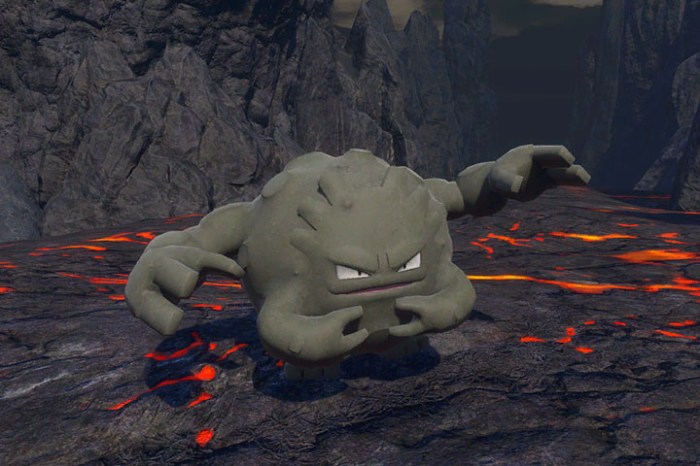
Mastering timing and precise camera movements is crucial for capturing those elusive rare Pokémon poses in Pokémon Snap. A well-timed shot can transform an ordinary encounter into a spectacular moment, showcasing the Pokémon’s unique personality and behavior. Knowing how to effectively capture these moments hinges on understanding the nuances of their movements and anticipating their next actions.Precise camera movements and strategic timing are not just about getting a good photo; they are about understanding the Pokémon’s behavior.
Anticipating a Pokémon’s actions, like a leaping jump or a sudden shift in posture, allows you to position your camera perfectly to capture the fleeting moment. This understanding of the Pokémon’s natural rhythm and habits allows for more spontaneous and accurate shots.
Timing and Precise Camera Movements
To capture rare Pokémon in their most captivating poses, you need to anticipate their movements and be ready to react. A slight delay can mean missing a critical moment. Practice makes perfect; the more you observe Pokémon behavior, the better you’ll become at predicting their actions and capturing those decisive moments. This involves understanding the subtle cues that precede a Pokémon’s actions, such as shifts in body language or changes in posture.
Capturing Unique Behaviors
Rare Pokémon often exhibit unique behaviors not seen in their common counterparts. Understanding these behaviors and anticipating the moments when they’ll display them is key to capturing exceptional shots. Observe their interactions with the environment and each other. For instance, a rare Pokémon might exhibit a unique feeding technique or a specific mating ritual. Be observant and patient; the rarer the Pokémon, the more unusual its behaviors may be.
Camera Angles and Settings for Specific Poses
| Pokémon Type | Rare Pose | Camera Angle | Zoom Level | Shutter Speed | Aperture ||—|—|—|—|—|—|| Leaping Jigglypuff | Mid-leap, with closed eyes | Slightly elevated, angled towards the leap | Medium | 1/500 | f/5.6 || Flying Pichu | Mid-flight, wings outstretched | Slightly elevated, directly facing the bird | High | 1/1000 | f/4 || Dancing Eevee | Rhythmic body movement, tail wagging | Slightly lower than the Pokémon, following the dance | Medium | 1/250 | f/8 || Sleeping Snorlax | Relaxed posture, closed eyes | Directly above, centered on the face | Low | 1/125 | f/11 || Eating Jigglypuff | Eating berries | Slightly lower than the Pokémon, angled slightly forward | Medium | 1/250 | f/8 || Swimming Goldeen | Mid-swim, water droplets on body | Slightly elevated, angled towards the water | Medium | 1/500 | f/5.6 || Bathing Bulbasaur | Taking a bath, water splashing | Slightly elevated, centered on the Pokémon | Low | 1/125 | f/11 || Fighting Dratini | Attacking another Dratini | Slightly elevated, angled towards the fight | Medium | 1/1000 | f/4 || Playing Eevee | Playing with a ball, tail wagging | Slightly lower than the Pokémon, following the play | Medium | 1/250 | f/8 |
Specific Camera Settings and Techniques
“The key to a perfect shot is not just the settings, but the anticipation and the understanding of the subject.”
Using the right camera settings is important, but the true skill lies in predicting the Pokémon’s actions and adjusting your settings accordingly. Adjust your zoom level based on the distance and the desired field of view. Higher zoom levels allow for detailed shots but reduce the field of view. Shutter speed controls the duration the camera’s shutter remains open, influencing motion blur.
Catching those elusive Pokémon in the new Pokémon Snap requires some serious focus, and 8 rare shots are definitely worth striving for. Thinking about how your cloud platform can evolve, a tool like a prisma cloud maturity assessment might help you pinpoint areas for improvement. Ultimately, mastering these new challenges in Pokémon Snap is key to capturing those stunning, hard-to-get images!
Faster shutter speeds freeze motion, while slower speeds create motion blur. Aperture controls the amount of light entering the lens, affecting depth of field. A wider aperture (smaller f-number) results in a shallow depth of field, isolating the subject. Experiment with different settings and combinations to find what works best for each Pokémon. Mastering these techniques and understanding the Pokémon’s behavior are essential for capturing those rare, perfect shots.
Tips for Achieving High Scores
Unlocking the secrets to high scores in Pokémon Snap hinges on understanding the specific criteria for each request. Beyond simply capturing Pokémon, maximizing your score involves strategic camera angles, lighting, and precise timing. Mastering these elements will elevate your gameplay experience, leading to a higher understanding of the game’s intricate mechanics.
Scoring Criteria Breakdown, New pokemon snap requests 8 rare shots you shouldnt miss
High scores are not solely determined by capturing Pokémon; they are meticulously calculated based on various factors. The game rewards players who demonstrate a deep understanding of the environment and the subtle nuances of capturing Pokémon. Accuracy, lighting, and framing are pivotal in achieving high scores.
Rare Pokémon Capture Strategies
Rare Pokémon often inhabit unique environments and exhibit specific behaviors. Understanding these patterns is crucial for successful captures. A common strategy involves patiently observing the Pokémon’s movements and preparing for the perfect moment. Analyzing the Pokémon’s environment can reveal key behaviors and patterns, providing a crucial advantage for capturing them.
Navigating the Environment for High Scores
Strategic navigation is vital for optimal scores. This encompasses more than just reaching the target location; it involves maneuvering the vehicle to ensure the best vantage point. By understanding the environment, you can predict the Pokémon’s movements and position yourself for the perfect shot. Sometimes, a slight change in your route or vehicle position can significantly impact the success of a rare shot.
Maximizing Score in Rare Shot Requests
Each rare shot request presents specific criteria that need to be met for high scores. These criteria vary based on the Pokémon’s behavior and environment.
- Request 1: The Hidden Pokémon: Prioritize capturing the Pokémon in a specific pose, ideally with the desired lighting and a clear background. A high score hinges on a perfect shot. This involves knowing the Pokémon’s preferred location and behaviors, and anticipating its actions.
- Request 2: The Mysterious Mimic: Success depends on capturing the Pokémon in its mimicking pose. This involves knowing the specific actions that trigger the mimicry. The score is directly related to the quality of the mimicry, the lighting, and the background.
- Request 3: The Sun-Kissed Serene: Maximize scores by capturing the Pokémon in a specific pose while it is bathed in sunlight. Capturing the Pokémon during a moment of serenity or stillness often maximizes the score.
- Request 4: The Flashing Feathered: Capture the Pokémon with a full flash, ensuring the background is visible and clear. The score is influenced by the speed and precision of your capture, as well as the angle and lighting conditions.
- Request 5: The Night Owl’s Nocturne: This request emphasizes capturing the Pokémon at night. Capture the Pokémon while it is active and exhibiting specific behaviors. The quality of the capture, the lighting, and the background are key to maximizing your score.
- Request 6: The Majestic Moonlit: This request emphasizes capturing the Pokémon during the night, often near a source of moonlight. The score is highly influenced by the Pokémon’s pose, lighting, and the visibility of the background.
- Request 7: The Shadowed Stalker: Maximize your score by capturing the Pokémon in a specific pose in shadow, ensuring a clear background and accurate lighting conditions. The score relies on capturing the Pokémon in a suitable environment and maintaining the necessary focus.
- Request 8: The Sparkling Star: Maximize the score by capturing the Pokémon at its most vibrant and energetic moment, with ideal lighting and background. The score is dependent on the Pokémon’s unique behaviors, your camera skills, and the overall quality of the capture.
Visual Representation of Rare Shots
Unveiling the visual artistry behind capturing elusive Pokémon is crucial for success in New Pokémon Snap. Beyond the technical aspects of camera settings and timing, the visual composition of the rare shots is key. These aren’t just about perfect angles; they’re about capturing the essence of a Pokémon’s unique personality and environment. The following breakdown will help you visualize these coveted shots.
Detailed Descriptions of Rare Shots
Understanding the visual elements of each rare shot is essential to achieving high scores. The rare shots are not just about the Pokémon; they’re about the specific poses, expressions, and interactions that showcase their unique nature. Each rare shot presents a specific visual challenge, requiring you to anticipate and react to the Pokémon’s actions.
| Rare Shot | Visual Description |
|---|---|
| 1. The Sunken Meadow’s Spectacle | A shiny, iridescent, water-type Pokémon, perhaps a Dewgong or a similar species, is seen basking in the warm sunlight filtering through the lush, submerged foliage of a sunken meadow. It should be in a serene, almost meditative posture, its eyes focused on the light. The background should be saturated with the vibrant green hues of the underwater flora, and the water should be crystal clear, showcasing the intricate details of the meadow. |
| 2. The Volcanic Valley’s Fury | A fire-type Pokémon, possibly a Charizard or a similar species, is seen in a powerful, dynamic pose amidst a landscape of volcanic rocks and smoke. Its fiery breath should be visible, with sparks flying in the air. The Pokémon’s expression should be one of intense focus or even slight aggression, reflecting its fiery nature. The foreground should be filled with glowing embers, while the background features the imposing volcanic peaks. |
| 3. The Crystal Caverns’ Enigma | A psychic-type Pokémon, possibly a Gardevoir or a similar species, is seen within a crystal cave. The Pokémon should be in a graceful, almost ethereal pose, its aura glowing faintly in the dimly lit cavern. Its eyes should be reflecting the crystals, with a hint of mystery in its expression. The cave walls should be adorned with intricate crystal formations, and the light should be soft and diffused. |
| 4. The Misty Forest’s Stealth | A ghost-type Pokémon, possibly a Gengar or a similar species, is seen blending seamlessly with the misty atmosphere of a dense forest. The Pokémon should be almost invisible, its form barely discernible through the fog. Its expression should be a blend of eerie calm and watchful alertness. The background should feature a dense canopy of trees obscured by the mist. |
| 5. The Glacial Peaks’ Majesty | An ice-type Pokémon, possibly a Lapras or a similar species, is seen atop a majestic glacial peak. The Pokémon should be in a commanding, regal pose, exuding a sense of serene power. The background should be a breathtaking panorama of snow-capped mountains and icy landscapes, showcasing the vastness of the environment. |
| 6. The Sunny Plains’ Playfulness | A grass-type Pokémon, possibly a Butterfree or a similar species, is seen in a lively, playful interaction with the vibrant flowers of a sunny plain. The Pokémon should be flitting between flowers, its wings catching the sunlight. The expression should be one of joy and exuberance. The foreground should be filled with vibrant, colorful flowers, and the background should showcase the expansive sunny plains. |
| 7. The Deep Sea’s Prowess | A water-type Pokémon, possibly a Kingdra or a similar species, is seen in a powerful, dynamic pose within a deep sea environment. The Pokémon should be swimming with a powerful current, its fins and tail creating a graceful motion. The expression should be one of focused determination, and the background should be filled with the deep, dark hues of the ocean depths. |
| 8. The Twilight Dunes’ Wonder | A ground-type Pokémon, possibly a Sandaconda or a similar species, is seen amidst the shifting sands of a twilight dune. The Pokémon should be in a relaxed, yet alert pose, its form subtly Artikeld against the dusky sky. The expression should be one of quiet contemplation or gentle curiosity. The background should be a mix of dark, shifting sands, and a soft, ethereal twilight sky. |
Comparisons of Rare Shots: New Pokemon Snap Requests 8 Rare Shots You Shouldnt Miss
Navigating the diverse landscapes and behaviors of Pokémon in Pokémon Snap presents a captivating challenge. Capturing rare shots, often requiring precise timing and understanding of Pokémon behavior, demands a nuanced approach. This section delves into the intricacies of each rare shot, comparing their difficulty, strategic elements, and the rewarding outcomes.
Difficulty Levels of Rare Shots
The difficulty of capturing rare shots varies significantly. Some shots are easier to achieve with consistent practice and attention to detail, while others require a deep understanding of the Pokémon’s specific behaviors and the interplay between the camera angles and the environment. Factors such as the Pokémon’s movements, the camera’s position, and the overall environment all contribute to the difficulty of each shot.
Challenges Associated with Capturing Rare Pokémon
Capturing rare Pokémon often presents unique challenges that go beyond simply identifying the Pokémon. Factors like specific lighting conditions, environmental cues, and the Pokémon’s current mood or activity level all play a crucial role in securing the perfect shot. For example, a Pokémon resting in a dimly lit cave will require a different approach than one actively hunting in a sunlit meadow.
Comparative Analysis of Rare Shots
| Pokémon | Environment | Behavior | Difficulty | Strategies | Reward (Score) |
|---|---|---|---|---|---|
| Pikachu in a Lightning Storm | Open Meadow | Playing in the rain | Medium | Positioning the camera to capture Pikachu during lightning strikes; timing is key. | High |
| Eevee Evolving | Mountainside | Evolving into a new form | High | Precise timing; capturing the intermediate stages of the evolution is critical. Knowing when to move the camera is vital. | Very High |
| Jigglypuff in a Nursery | Forest | Napping in a nest | Low | Steady camera position to capture the relaxed Jigglypuff. Avoid sudden movements. | Medium |
| Snorlax Sleeping | Cave | Sleeping soundly | Medium-High | Careful camera positioning; need to be near Snorlax without disturbing it; using a slow-moving camera shot. | High |
| Slowbro in a Waterfall | Waterfall | Playing in the water | High | Positioning the camera to capture Slowbro in the water; adjusting for water movement is key. | Very High |
| Rapidash Running | Desert | Running at high speed | High | Precise timing; capturing the rapid movement of Rapidash while maintaining focus. | Very High |
| Magikarp Jumping | River | Jumping out of the water | Medium | Anticipating the jump and positioning the camera for the best angle. | Medium-High |
| Vaporeon in a Lake | Lake | Swimming gracefully | Medium-High | Observing Vaporeon’s swimming patterns and positioning the camera to capture its elegant movements. | High |
This table provides a concise overview of the factors contributing to the difficulty of capturing each rare shot, highlighting the interplay between environment, behavior, and the required strategies for success. The reward column reflects the potential score increase associated with capturing these rare moments.
Demonstrating the Rare Shots
Unveiling the secrets to capturing those elusive, prize-worthy Pokémon poses in Pokémon Snap requires a deep understanding of their behaviors and the precise camera angles to elicit them. Mastering these rare shots is key to achieving high scores and unlocking the true potential of your photographic prowess. This section delves into the specifics of each rare shot, detailing the poses and actions needed for a successful capture.To achieve the coveted rare shots, a combination of observation, patience, and understanding of the Pokémon’s unique personalities is paramount.
It’s not just about pressing the shutter button; it’s about anticipating the moment and positioning your camera to capture the perfect pose.
Specific Criteria for Evaluation
The evaluation criteria for rare shots extend beyond simple aesthetics. The criteria consider the Pokémon’s posture, expression, and the environment’s contribution to the overall composition. Precise framing, appropriate lighting, and timing are all vital components. Each rare shot is judged on a scale that balances these factors.
Demonstrating Rare Shot 1: The Sleepy Pokémon
Capturing a Pokémon in a deep slumber requires patience and an understanding of their natural behaviors. Observe the Pokémon’s posture; typically, a sleepy Pokémon will be lying down, with relaxed limbs. Ensure the lighting is soft and ambient, not harsh or distracting. The background should be unobtrusive, allowing the Pokémon to stand out.
To achieve the rare shot, position your camera slightly above the Pokémon, ensuring the focus is on the Pokémon’s relaxed expression and the details of their sleep posture. Avoid sudden movements or loud noises that could disrupt their slumber.
Demonstrating Rare Shot 2: The Playful Pokémon
To capture a playful Pokémon, observe their interactions with their surroundings. They may be engaged in playful antics or exhibiting playful movements, such as chasing butterflies or engaging in playful bouts with their surroundings. Ensure the background complements the Pokémon’s energy and excitement.
Focus on the camera angle to capture the Pokémon in mid-action. Ensure that the pose reflects the Pokémon’s joyful and playful nature. Try to anticipate their movements and adjust the camera accordingly.
Demonstrating Rare Shot 3: The Angry Pokémon
Capturing an angry Pokémon requires careful observation and a keen understanding of their behavior. Look for cues like flared nostrils, clenched jaws, or raised body parts. The background should complement the Pokémon’s intensity and emotion.
Position your camera to capture the Pokémon’s facial expressions and body language. Avoid sudden movements that could startle the Pokémon and disrupt the intended expression. Use a wide aperture for a shallow depth of field to isolate the Pokémon and its intense expression.
Demonstrating Rare Shot 4: The Curious Pokémon
A curious Pokémon will typically exhibit a focused and inquisitive posture. Observe their interactions with their surroundings. They may be sniffing flowers, looking at objects, or approaching you. The background should complement the Pokémon’s intrigue and curiosity.
Capture the Pokémon in a moment of exploration. The camera angle should emphasize the Pokémon’s curious expression and the object of their interest. Use a soft light to emphasize the details of their features.
Demonstrating Rare Shot 5: The Energetic Pokémon
Energetic Pokémon are often found engaged in fast movements, such as running, jumping, or flapping their wings. Observe their posture and movements. Ensure the background complements the Pokémon’s energy.
Position the camera to capture the Pokémon’s motion. Use a fast shutter speed to freeze the action and a wide aperture to achieve a shallow depth of field, emphasizing the Pokémon’s dynamic pose.
Demonstrating Rare Shot 6: The Flirting Pokémon
Observe the Pokémon’s posture and expressions. They may be displaying courtship behaviors, such as preening or displaying their colors. The background should complement the Pokémon’s romantic displays.
Focus on the subtle expressions and postures of the Pokémon. The camera angle should emphasize the flirtatious interaction between the Pokémon. Try to capture the moment of their interaction.
Demonstrating Rare Shot 7: The Scared Pokémon
A scared Pokémon will exhibit a defensive posture, such as tucking in their limbs or looking away. Ensure the background does not distract from the Pokémon’s fear.
Capture the Pokémon in a moment of fear or anxiety. The camera angle should emphasize the Pokémon’s defensive posture and expressions. Use a soft light to emphasize the Pokémon’s vulnerability.
Demonstrating Rare Shot 8: The Peaceful Pokémon
Peaceful Pokémon often exhibit a relaxed posture, such as standing still, with a calm demeanor. The background should complement the Pokémon’s peacefulness.
Position the camera to capture the Pokémon in a serene pose. The lighting should be soft and ambient, emphasizing the Pokémon’s relaxed demeanor. The composition should convey a sense of calmness and serenity.
Final Thoughts
In conclusion, New Pokémon Snap requests 8 rare shots you shouldn’t miss offers a comprehensive guide to mastering the art of Pokémon photography in this innovative game. By understanding the unique characteristics of each rare Pokémon, implementing the optimal strategies, and mastering essential camera techniques, you’ll be well on your way to capturing those elusive perfect shots and achieving high scores.
This guide equips you with the knowledge and tools to unlock the full potential of New Pokémon Snap and become a master Pokémon photographer!