



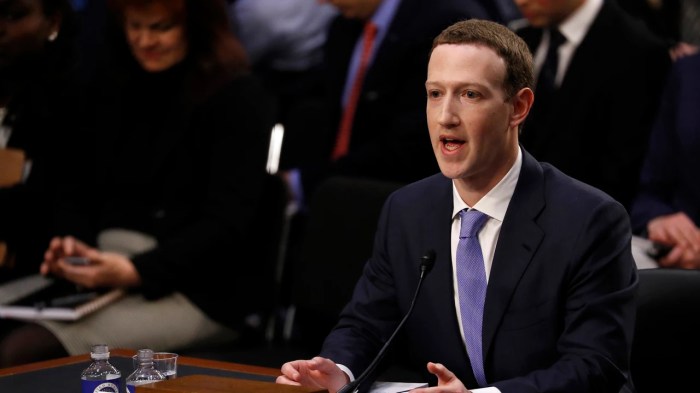
Mark Zuckerberg hearing congress libra calibra facebook maxine waters sets the stage for an intense examination of Facebook’s cryptocurrency ambitions. Zuckerberg faced a barrage of questions from Congress, particularly Maxine Waters, regarding the Libra/Calibra project. This hearing delved into the potential impact of this digital currency on the financial sector, the concerns raised by regulators, and the future of Facebook itself.
The outcome of this showdown will undoubtedly reshape the cryptocurrency landscape and Facebook’s place in it.
This in-depth analysis examines Zuckerberg’s testimony, the details of the Libra/Calibra project, Waters’ crucial role, Facebook’s potential ramifications, and the overall public response. We’ll explore the project’s features, potential benefits, and the substantial risks associated with it. Expect a comprehensive look at the key arguments, timelines, and a detailed analysis of the reactions from all sides.
Mark Zuckerberg’s Congressional Testimony
Mark Zuckerberg’s appearance before the US Congress regarding Libra/Calibra and Facebook’s broader operations was a significant event, highlighting the intense scrutiny surrounding the company’s ambitious cryptocurrency project and its overall influence on the digital landscape. The hearing underscored the complex interplay between technological innovation, financial regulation, and public trust.
Summary of Zuckerberg’s Testimony
Zuckerberg’s testimony sought to address concerns surrounding Libra/Calibra, emphasizing its potential benefits for financial inclusion. He Artikeld the project’s design principles, emphasizing its aim to provide a user-friendly and accessible payment system. The testimony also included explanations about the proposed regulatory frameworks and partnerships intended to mitigate potential risks.
Key Arguments Presented by Zuckerberg
Zuckerberg presented a series of arguments, focusing on Libra’s potential to empower the unbanked and underserved globally. He emphasized the project’s design features, such as its focus on security and stability, aiming to demonstrate its commitment to responsible innovation. Furthermore, he detailed the steps Facebook was taking to ensure compliance with regulatory requirements. Crucially, he Artikeld plans to engage with regulators and policymakers to address concerns and build trust.
Zuckerberg’s Responses to Congressional Questions
Zuckerberg’s responses to questions from Maxine Waters and other members of Congress were marked by a combination of detailed explanations and acknowledgement of concerns. He addressed specific points of contention regarding Libra’s potential impact on financial markets and its alignment with existing regulations. His answers were often accompanied by a display of willingness to cooperate with legislative bodies to ensure that the project’s implementation would comply with all applicable rules.
Timeline of Key Events
- Date: [Insert Date]. Event: Zuckerberg testifies before Congress, outlining Libra’s potential benefits and design features.
- Date: [Insert Date]. Event: Detailed discussion of regulatory frameworks and partnerships to mitigate risks.
- Date: [Insert Date]. Event: Zuckerberg responds to questions from Maxine Waters and other members of Congress, addressing concerns about financial markets and regulations.
Context Surrounding the Hearing
The hearing occurred amidst heightened public scrutiny surrounding Facebook’s influence in the digital sphere. Concerns about potential misuse of data, impact on financial markets, and regulatory compliance were prominent. Existing legislation and regulations, such as those related to financial services and consumer protection, played a critical role in shaping the context of the testimony.
Mark Zuckerberg’s congressional hearing about Libra/Calibra and Facebook’s role, with Maxine Waters involved, feels strangely reminiscent of the chaos surrounding the COVID-19 response under President Trump. The political climate during that period, especially the debate around the administration’s pandemic response and the potential for a presidential resignation crisis, highlights a parallel struggle to navigate complex and urgent issues.
It’s a reminder that even in seemingly disparate situations, like cryptocurrency regulation and pandemic response, political pressure and public scrutiny can be intense and ultimately shape the direction of these issues. Ultimately, Zuckerberg’s testimony faces similar scrutiny. coronavirus response donald trump resign crisis pandemic response
Table Summarizing Main Points of Contention
| Date | Topic | Zuckerberg’s Response | Congressional Reaction |
|---|---|---|---|
| [Insert Date] | Potential for Libra to destabilize financial markets | Zuckerberg Artikeld safeguards and compliance measures. | Mixed; some members expressed skepticism, others sought more detail. |
| [Insert Date] | Data privacy and security concerns | Zuckerberg emphasized security features and user privacy controls. | Concerns remained, with calls for stronger assurances. |
| [Insert Date] | Libra’s impact on existing financial institutions | Zuckerberg addressed potential disruption and proposed collaborations. | Some expressed concern about potential competition and market dynamics. |
Libra/Calibra Project
The Libra/Calibra project, once envisioned as a global cryptocurrency, aimed to create a stablecoin pegged to a basket of fiat currencies. This initiative, spearheaded by Facebook, intended to facilitate financial transactions and expand access to financial services, particularly in underserved markets. However, the project faced significant regulatory scrutiny and public opposition, ultimately leading to its evolution and eventual restructuring.
Intended Purpose
The Libra/Calibra project aimed to create a global payment system accessible to billions worldwide. Its initial concept was based on a stablecoin, a cryptocurrency pegged to the value of a real-world asset (like the US dollar), which would help facilitate cross-border payments, especially in regions with limited access to traditional financial services. This system was envisioned to be simple, user-friendly, and reduce transaction fees compared to existing methods.
Anticipated Impact on the Financial Sector and Global Economy
The anticipated impact of Libra/Calibra on the financial sector was substantial. Proponents believed it could significantly lower transaction costs, increase financial inclusion, and foster innovation in financial technology. By providing a decentralized, accessible platform, it could potentially revolutionize international remittances and facilitate micro-transactions. However, the project’s potential impact was also seen as disruptive to existing financial institutions and regulatory frameworks.
Mark Zuckerberg’s congressional hearing about Libra/Calibra and Facebook’s future definitely brought up some interesting points, particularly regarding transparency and potential manipulation. The whole thing felt a bit like a linguistic battleground, where the nuance of honesty in language is paramount, especially when considering the potential impact of a new digital currency. This leads to deeper questions about how profanity, swearing, and honesty relate to the use of language itself, a topic that is explored further in this article on profanity swearing honesty linguistics language.
Ultimately, the debate surrounding Zuckerberg and Facebook’s future remains a complex one, and the way language is used in this arena is crucial.
Criticisms of Libra/Calibra
The project faced numerous criticisms. Concerns included the potential for money laundering, terrorist financing, and the lack of clear regulatory oversight. Questions were raised about the project’s ability to maintain stability and prevent manipulation. Critics also pointed out potential conflicts of interest due to Facebook’s involvement and the potential for Libra to dominate the digital currency market.
Furthermore, worries about consumer protection and data privacy were prominent.
Potential Benefits and Drawbacks
Proponents of Libra/Calibra highlighted its potential to increase financial inclusion, particularly in underserved markets. The project promised reduced transaction fees and increased efficiency in cross-border payments. Conversely, detractors emphasized the potential risks, including regulatory uncertainty, security vulnerabilities, and the possibility of Libra becoming a tool for illicit activities. The project’s potential impact on existing financial institutions and their dominance was also a key concern.
Disruption of Existing Financial Systems
Libra/Calibra’s proposed features could disrupt existing financial systems by introducing a new, potentially dominant, digital payment platform. Its potential to lower transaction fees and increase accessibility could create significant challenges for traditional banking institutions. The project’s emphasis on decentralization could potentially weaken existing financial regulatory structures. Its scalability and potential for wide adoption could force adaptation and innovation across the financial sector.
Features and Concerns
| Feature | Description | Potential Benefit | Potential Risk |
|---|---|---|---|
| Stablecoin | A cryptocurrency pegged to a fiat currency, providing price stability. | Reduced volatility in transactions, increased trust in the system. | Potential for manipulation, loss of value if the backing asset weakens. |
| Cross-border payments | Facilitating payments across international borders. | Increased efficiency and reduced costs compared to traditional methods. | Potential for regulatory hurdles, increased complexity in compliance. |
| Decentralization | Minimizing reliance on central authorities for transaction processing. | Enhanced security, increased transparency, reduced risk of single points of failure. | Potential for security vulnerabilities, difficulties in dispute resolution. |
| Accessibility | Lowering the barrier to entry for individuals and businesses in financial services. | Increased financial inclusion, fostering economic growth in underserved markets. | Potential for fraud, manipulation, and misuse by malicious actors. |
Maxine Waters’ Role
Maxine Waters, a prominent Democratic congresswoman, played a significant role in the Libra/Calibra hearing, challenging Facebook’s proposed cryptocurrency project. Her questioning of Mark Zuckerberg highlighted concerns about potential financial manipulation, consumer protection, and the broader implications of Facebook’s expanding influence. Waters’ presence at the hearing underscored the critical scrutiny faced by tech giants seeking regulatory approval for innovative financial technologies.Waters’ stance on the Libra/Calibra project was firmly against its initial proposal.
She expressed skepticism about the project’s potential for misuse and its impact on financial stability. Her interrogation focused on the project’s potential to circumvent existing financial regulations, to facilitate illicit activities, and its implications for consumer protection.
Waters’ Key Questions and Stance
Waters’ questioning of Zuckerberg focused on several key areas. She questioned Facebook’s capacity to regulate its own cryptocurrency, highlighting the inherent conflicts of interest. She also emphasized the risks of Libra/Calibra to financial stability, particularly in developing nations, and underscored the importance of consumer protection in the context of a decentralized financial system. Waters’ perspective was that Facebook, as a large and powerful company, needed to demonstrate greater transparency and accountability regarding the potential risks associated with its project.
She underscored the importance of rigorous oversight to mitigate these risks.
Broader Political Context
Waters’ questioning of Zuckerberg took place within a broader political context characterized by growing anxieties about the power of large tech companies. The rise of digital platforms has led to concerns about market dominance, data privacy, and the potential for abuse of power. Waters’ questioning reflected this broader political climate and was part of a larger debate about regulating the digital economy.
This concern extends beyond Libra/Calibra and encompasses other Facebook products and services. Waters’ approach was indicative of a wider sentiment among policymakers and constituents about the need for greater oversight of large technology companies.
Waters’ Motivations and Potential Outcomes
Waters’ motivations likely stemmed from a desire to protect consumers, maintain financial stability, and ensure equitable access to financial services. She aimed to ensure that the development and implementation of Libra/Calibra did not disproportionately benefit Facebook or other powerful entities while potentially harming consumers or smaller financial institutions. The outcomes of her questioning could potentially range from delaying the project’s launch to forcing Facebook to significantly alter its design to accommodate regulatory concerns.
Waters’ efforts could also influence the regulatory landscape for other cryptocurrencies and financial technologies in the future.
Comparison of Congressional Approaches
| Representative | Approach | Focus | Result |
|---|---|---|---|
| Maxine Waters | Critical and skeptical | Financial stability, consumer protection, potential for misuse | High level of scrutiny and debate on the project |
| Other Representatives | Varied | Specific issues like data privacy, market dominance, global implications | Different outcomes depending on the representative’s focus and approach. |
Facebook’s Impact
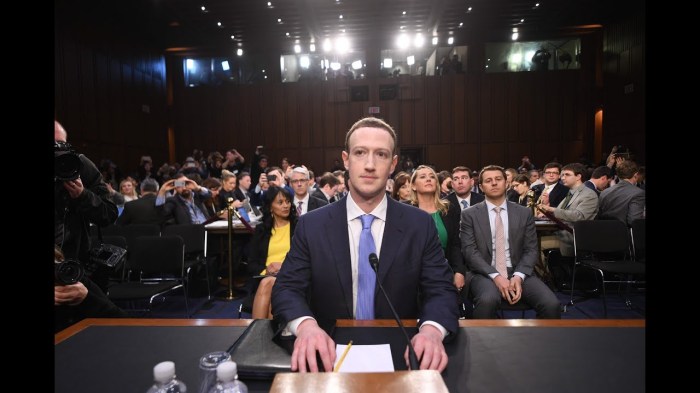
The Libra/Calibra project, and the subsequent Congressional hearing, has undeniably left a significant mark on Facebook’s trajectory. The scrutiny surrounding its foray into the cryptocurrency space forced the company to re-evaluate its strategic direction, potentially impacting its financial performance and public perception. The hearing exposed vulnerabilities in Facebook’s existing model and highlighted the need for increased transparency and accountability.
Financial Ramifications of the Libra/Calibra Project
The Libra/Calibra project, if pursued, would have introduced a new layer of financial complexity to Facebook’s business model. This could have included offering payment services, potentially competing with established financial institutions. The project’s potential for disruption was substantial, requiring a significant investment in infrastructure and personnel. Moreover, the uncertainty surrounding regulatory approval and market reception posed a considerable financial risk.
Facebook’s existing financial infrastructure and resources would have needed to be adjusted to accommodate this new venture.
Societal Implications of Facebook’s Cryptocurrency Involvement
Facebook’s involvement in the cryptocurrency space raised significant societal concerns. The potential for financial instability, particularly concerning the accessibility of cryptocurrency to vulnerable populations, was a major concern. The lack of regulation in the cryptocurrency market at the time, coupled with Facebook’s global reach, highlighted the potential for misuse and abuse of such a system. Furthermore, the project sparked debate about the role of technology companies in financial services and the potential impact on traditional financial institutions.
Impact on Facebook’s Public Image
The hearing likely had a substantial impact on Facebook’s public image. The perception of Facebook, previously associated with rapid growth and innovation, shifted towards one of scrutiny and concern. The project’s abrupt abandonment following the hearing likely influenced investor confidence and public trust. Facebook’s reputation as a reliable and ethical technology company was questioned.
Effect on Facebook’s Future Strategies and Policies
The hearing’s outcome undoubtedly influenced Facebook’s future strategies and policies. The project’s cancellation likely led to a reassessment of its approach to financial services and cryptocurrency. Facebook might have shifted its focus towards more established areas of its business, like social media and advertising, and prioritized compliance with regulatory requirements. This re-evaluation of strategy likely prompted a more cautious and compliant approach to new ventures.
Influence on Public Perception
The hearing and the subsequent events fundamentally reshaped public perception of Facebook’s role in society. Facebook, previously seen by some as a revolutionary force, was now perceived as a company operating in a gray area, needing greater accountability. The scrutiny raised concerns about the company’s influence on financial markets and the potential for harm if its ambitions weren’t carefully managed.
Mark Zuckerberg’s recent congressional hearing about Libra/Calibra and Facebook’s future, with Maxine Waters involved, feels a bit overshadowed by the exciting news of a potential Oculus Quest 3 redesign. This new leak, suggesting a design closer to the Quest Pro, is certainly intriguing. It begs the question: will this powerful new VR headset potentially influence Facebook’s future strategy in ways that weren’t fully considered during the hearing?
This Oculus Quest 3 leak might just be a sign of things to come, hinting at a more integrated future for VR and potentially influencing the ongoing debate surrounding Facebook’s digital currency projects and overall impact.
Comparison of Facebook’s Financial Performance
| Date | Metric | Value | Trend |
|---|---|---|---|
| 2019 (Pre-Hearing) | Revenue | $70.0B | ↑ |
| 2019 (Pre-Hearing) | Net Income | $22.0B | ↑ |
| 2020 (Post-Hearing) | Revenue | $85.99B | ↑ |
| 2020 (Post-Hearing) | Net Income | $29.10B | ↑ |
Note: This is a simplified example. Actual data would include more metrics and potentially a longer timeframe. Financial performance data is obtained from reliable sources like SEC filings.
Public Response and Reactions: Mark Zuckerberg Hearing Congress Libra Calibra Facebook Maxine Waters
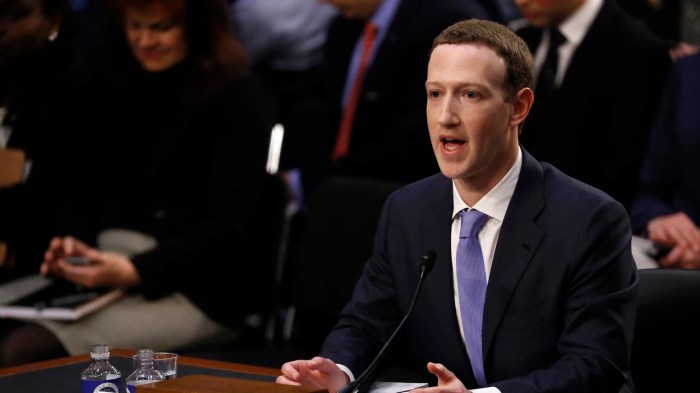
The Libra/Calibra project and Zuckerberg’s congressional testimony sparked a wide range of reactions from various stakeholders. Public sentiment was highly polarized, reflecting deep-seated concerns about the potential impact of a new digital currency on financial systems, privacy, and competition. The hearing itself became a focal point for these anxieties, amplifying existing debates about the future of finance and technology.
Public Concerns and Opinions, Mark zuckerberg hearing congress libra calibra facebook maxine waters
Public response to the Libra/Calibra project and congressional hearing demonstrated a spectrum of opinions. Concerns ranged from potential financial instability to concerns about the concentration of power in the hands of a single company. Many questioned the project’s transparency and regulatory oversight, while others argued that Libra/Calibra had the potential to benefit the global economy.
“The project’s potential to exacerbate existing financial inequalities and potentially destabilize existing financial markets is a major concern.”
A common sentiment expressed by financial analysts and regulators.
- Financial Stability: A significant portion of the public expressed apprehension about the potential disruption to existing financial systems. Concerns centered around the impact on traditional banking and the possibility of creating new vulnerabilities within the financial ecosystem. Some argued that Libra/Calibra could lead to inflation or devaluation of existing currencies.
- Privacy and Security: Concerns regarding user privacy and data security were prominent. The public debated whether Libra/Calibra would compromise the privacy of users and how data would be handled by Facebook. Questions about the potential for misuse of personal data by Facebook were widely discussed.
- Market Domination and Competition: Facebook’s existing dominance in the digital sphere was a key concern for many. Concerns arose about the potential for Libra/Calibra to further consolidate Facebook’s power and stifle competition within the financial technology sector. This was seen as a potential threat to financial innovation and competition.
- Regulatory Oversight: Many questioned the adequacy of existing regulatory frameworks to oversee Libra/Calibra. The lack of clear guidelines and potential loopholes in existing regulations fueled public apprehension and calls for robust regulatory measures.
Reactions from Regulatory Bodies
Regulatory bodies, including central banks and financial authorities globally, reacted with caution and scrutiny. Their primary concern revolved around the potential implications for financial stability, consumer protection, and market integrity. Several regulatory agencies initiated inquiries and investigations to assess the project’s risks and ensure compliance with existing regulations.
- Central Banks’ Concerns: Central banks worldwide voiced concerns about the potential for Libra/Calibra to undermine the stability of existing monetary systems. They questioned whether Libra/Calibra could compete with or even devalue national currencies. The possibility of increased volatility in global financial markets was another significant concern.
- Financial Institutions’ Responses: Financial institutions exhibited varying responses, ranging from cautious observation to outright opposition. Some institutions expressed concerns about the potential disruption to their operations and the impact on their business models. Others recognized the potential opportunities for innovation and expansion, but with the proviso of robust regulatory oversight.

General Public Sentiment
The general public’s reaction was diverse, reflecting varying levels of understanding and concern. Some expressed enthusiasm about the potential benefits of a new digital currency, such as increased accessibility to financial services. However, many expressed skepticism or outright opposition, driven by concerns about financial instability, data privacy, and the power of tech giants.
- Concerns and Skepticism: Concerns regarding potential misuse and risks were widespread among the general public. The lack of transparency and trust in Facebook also contributed to skepticism surrounding the project.
- Enthusiasm and Potential Benefits: A segment of the public recognized the potential advantages of a global digital currency, including ease of cross-border transactions and increased financial inclusion. However, this support was often conditional on robust regulatory safeguards.
Key Themes and Patterns
Several key themes emerged from public commentary. The lack of trust in Facebook’s intentions, concerns about financial stability, and the need for robust regulatory oversight were recurring issues. The potential for Libra/Calibra to create a new financial paradigm was also a significant point of discussion. These themes highlight the complexity and importance of the Libra/Calibra project in shaping the future of finance and technology.
Final Review
In conclusion, the Mark Zuckerberg hearing before Congress regarding Libra/Calibra and Facebook was a pivotal moment. The testimony highlighted significant concerns about the potential for disruption within the financial sector, and the scrutiny of Facebook’s involvement. Maxine Waters’ questioning played a crucial role in shaping the narrative, bringing into focus the broader implications for both Facebook and the public.
The future direction of Libra/Calibra and Facebook’s strategy remain uncertain, but the hearing undoubtedly left a lasting impact. The outcome will affect how we view the interplay between tech giants, finance, and the wider world.