



Lamborghini data track record biometrics heart rate ces reveals a fascinating glimpse into the future of high-performance racing. This deep dive explores Lamborghini’s historical data collection, integrating biometric data like heart rate, and analyzing its impact on driver performance. The ultimate goal is to understand how this data will be presented at the Consumer Electronics Show (CES), showcasing cutting-edge technology and data analysis methods.
Expect a look at the crucial role of data security and privacy, alongside a forward-looking perspective on the evolving landscape of data-driven racing.
The analysis will cover various aspects, from historical data collection methods to future trends in data-driven racing. It will also examine how Lamborghini might leverage biometric data, like heart rate, to gain deeper insights into driver performance. A crucial element will be how the company plans to present its data analysis techniques and findings at the CES, showcasing innovative visualizations and comparing their approach to other automotive companies.
Lamborghini Data Track Record Overview
Lamborghini’s racing history is deeply intertwined with a commitment to performance enhancement. A crucial aspect of this pursuit has been the meticulous collection and analysis of data, providing invaluable insights into vehicle dynamics and pushing the boundaries of automotive engineering. This practice has evolved over time, reflecting advancements in technology and the ever-increasing complexity of high-performance vehicles.Lamborghini’s early data collection focused on fundamental performance metrics, but as technology progressed, the scope and sophistication of the data gathered expanded significantly.
This detailed historical overview explores the evolution of Lamborghini’s data practices, emphasizing how collected data shaped vehicle design and performance improvements.
Historical Data Collection Methods
Lamborghini’s early data collection methods relied heavily on instrumentation within the vehicles themselves. Sophisticated sensors, though not as advanced as modern equivalents, measured key parameters like engine speed, torque, and wheel speed. Data was often logged on physical data sheets or rudimentary digital storage media, depending on the specific era. This data was crucial for understanding vehicle performance under various conditions, helping engineers diagnose issues and fine-tune vehicle configurations.
Data Storage and Analysis Techniques
The storage and analysis of this data initially relied on manual methods. Engineers would meticulously analyze charts and graphs to identify trends and areas for improvement. As computing power increased, the data was processed using increasingly sophisticated software, allowing for more complex analyses and a wider range of insights. This evolution from manual analysis to computerized data processing drastically improved the efficiency and effectiveness of performance enhancement.
Impact on Vehicle Design and Performance
The data collected allowed Lamborghini engineers to identify critical performance bottlenecks and areas needing improvement. For instance, data from track tests revealed inconsistencies in handling, leading to specific suspension modifications that enhanced stability and cornering. Engine performance data informed modifications to the intake and exhaust systems, resulting in significant power gains. By analyzing data from different conditions and tracks, Lamborghini refined the overall vehicle dynamics, achieving a more refined and consistent performance across various driving environments.
Key Performance Metrics Tracked Over Time
- Engine power and torque outputs were meticulously recorded to identify potential enhancements and fine-tune engine maps.
- Lap times on various circuits became a crucial metric for evaluating the performance of different chassis configurations.
- Suspension and braking performance, measured by metrics such as braking distances and handling response, were analyzed to optimize vehicle dynamics and stability.
- Fuel efficiency was also monitored, particularly in racing applications, to find ways to improve fuel economy without compromising performance.
This collection of data enabled engineers to make informed decisions, leading to consistent improvements in vehicle performance and efficiency over time.
Types of Data Collected and Units of Measurement
| Data Type | Units of Measurement |
|---|---|
| Engine Speed | RPM (Revolutions Per Minute) |
| Torque | Newton-meters (Nm) |
| Wheel Speed | RPM (Revolutions Per Minute) |
| Lap Time | Seconds |
| Braking Distance | Meters |
| Fuel Consumption | Liters/100km |
This comprehensive table showcases the fundamental data types and their corresponding units of measurement employed in Lamborghini’s historical data collection efforts.
Biometric Data Integration
Lamborghini’s commitment to pushing the boundaries of automotive engineering extends to the meticulous analysis of driver performance. Integrating biometric data, particularly heart rate, offers a unique perspective into the driver-vehicle interaction, potentially revealing insights crucial for optimizing racecar development and driver strategies. This data, combined with existing track data, can provide a more comprehensive understanding of performance and identify areas for improvement.Integrating heart rate data allows for a deeper understanding of driver stress, exertion levels, and mental state during high-performance driving.
Lamborghini’s data track record on biometrics, heart rate monitoring, and CES presence is intriguing, but recent events, like a Chinese rocket plunging back to Earth, causing a temporary halt in air traffic in one country, as reported here , highlight the need for careful consideration of space debris and potential risks. Ultimately, Lamborghini’s tech focus still holds significant interest for its future innovations in automotive design and safety.
This detailed information, when analyzed alongside performance metrics, can provide valuable insights into the driver’s response to various track conditions, car dynamics, and racing strategies. This approach will potentially reveal subtle patterns that traditional data alone might miss.
Lamborghini’s data track record, particularly around biometrics and heart rate data at the CES show, is fascinating. It’s a fascinating area, but the recent Musk wins lawsuit over Tesla funding, as detailed in this article musk wins lawsuit over tesla funding secured tweet , highlights the complexities of data handling in the automotive industry. Ultimately, the focus should remain on Lamborghini’s data handling practices and their potential impact on the future of the automotive industry.
Heart Rate Data in Racecar Development
Analyzing heart rate data can provide a valuable insight into driver response during high-stress situations like cornering, braking, or accelerating. This data can be used to identify areas where the car’s performance could be improved to reduce driver stress and improve comfort and control. It can also help identify areas where the driver’s technique needs refinement, potentially allowing for the development of more effective training programs.
Potential Benefits of Integrating Heart Rate Data
The incorporation of heart rate data offers several potential advantages in racecar development. Firstly, it allows for a more nuanced understanding of driver stress and exertion, providing valuable feedback on the car’s responsiveness and the effectiveness of driver strategies. Secondly, it can help to identify areas where the car’s design or handling could be improved to reduce driver strain and enhance comfort.
Thirdly, it facilitates the development of personalized training programs tailored to individual driver responses, maximizing their performance potential.
Analysis of Driver Performance Using Heart Rate Data
Driver heart rate data, when combined with other performance metrics, can be used to evaluate driver performance in real-time and across different racing events. By analyzing heart rate variability and acceleration patterns, engineers can identify optimal driving strategies, track conditions that induce the most stress on the driver, and individual driver responses to these factors. For instance, a consistent high heart rate during a specific corner might indicate an area where the car’s handling needs adjustment or the driver’s technique needs refinement.
Comparison of Biometric Sensors
Various biometric sensors can measure heart rate, each with its own advantages and limitations. Electrocardiogram (ECG) sensors offer highly accurate readings but require direct contact with the skin, which can be inconvenient in a racing environment. Photoplethysmography (PPG) sensors, on the other hand, are less intrusive, utilizing light absorption to measure blood volume changes, offering a less invasive alternative.
Accelerometers can provide data on driver acceleration and deceleration, supplementing heart rate data for a comprehensive understanding of driver input and car response.
Table Comparing Heart Rate Monitoring Technologies
| Technology | Accuracy | Invasive | Cost | Practicality in Racing |
|---|---|---|---|---|
| ECG | High | Moderate | Medium | Potentially suitable for lab testing, less practical for live racing |
| PPG | Good | Low | Low | Ideal for real-time racing applications |
| Accelerometer | Moderate | Low | Low | Useful as a supplemental data source for overall performance analysis |
Privacy Concerns
The collection and analysis of driver biometric data raise important privacy concerns. Ensuring the secure storage and anonymization of data is critical to protect driver confidentiality. Transparency regarding data usage and strict adherence to data protection regulations are essential. Furthermore, informed consent from drivers is crucial before collecting and analyzing their biometric data. This includes clearly outlining how the data will be used and the measures in place to protect it.
Data Analysis for Racing Performance: Lamborghini Data Track Record Biometrics Heart Rate Ces
Lamborghini’s commitment to pushing the boundaries of automotive engineering extends to the realm of competitive racing. Analyzing vast quantities of data from races allows for a deeper understanding of driver performance, car dynamics, and race strategies. This data-driven approach can significantly enhance both driver training and vehicle optimization.By meticulously collecting and processing data, Lamborghini can identify crucial performance indicators and refine its approach to race car design, ultimately leading to improved results on the track.
This data-driven approach allows for a dynamic and responsive strategy, adapting to various race conditions and driver styles.
Driver Performance Evaluation Metrics
Understanding driver performance is crucial for identifying areas of improvement and optimizing overall racing strategies. Key performance indicators (KPIs) provide a quantifiable measure of driver abilities. Metrics such as lap times, cornering speeds, braking points, and acceleration rates, when analyzed across multiple races and conditions, reveal crucial insights into a driver’s strengths and weaknesses. Data analysis tools can provide a visual representation of these metrics, aiding in driver evaluation.
Driver Training and Technique Improvement
Data analysis can directly inform driver training programs. By identifying specific areas where a driver consistently performs below expectations, coaches can tailor training sessions to address those shortcomings. For instance, if data reveals a driver consistently over-steering in a particular corner, targeted practice exercises focusing on precise steering inputs can be implemented. The insights gained from data analysis can also enhance driver awareness of their strengths and weaknesses, fostering a more self-aware and efficient driving style.
Improved reaction times and optimized throttle control can be developed through targeted practice sessions, significantly impacting overall performance.
Car Setup Optimization for Race Conditions
Analyzing data collected during races in various conditions—from high-temperature tracks to wet circuits—allows Lamborghini to optimize car setups for maximum performance. Different weather conditions and track surfaces impact grip levels, tire wear, and aerodynamic characteristics. Adjustments to suspension, aerodynamics, and tire pressure can be meticulously fine-tuned using data analysis, resulting in optimal car performance in each race.
Race Strategy Development
Data analysis allows for dynamic race strategy adjustments. By tracking competitor performance, race pace, and track conditions, Lamborghini can adapt its strategy to gain a competitive edge. This data-driven approach allows for informed decisions regarding pit stops, tire changes, and overtaking maneuvers, ultimately maximizing the car’s performance and the driver’s capabilities. Real-time data analysis and predictive modeling can inform the team about potential hazards or advantages, providing insights that lead to optimized strategy in various scenarios.
Optimal Car Setup for Different Racing Conditions, Lamborghini data track record biometrics heart rate ces
| Racing Condition | Optimal Car Setup |
|---|---|
| Dry, High-Temperature Track | Lower tire pressures for improved grip, aerodynamic adjustments for optimal downforce, and engine tuning for maximum power output. |
| Wet Track | Higher tire pressures to maintain contact, adjusted suspension settings to improve handling on the wet surface, and reduced engine power to minimize wheel spin. |
| Night Race | Increased lighting sensitivity, adjusted braking systems, and improved vision systems for the driver to react to the track condition. |
| Mountainous Track | Suspension settings optimized for high-altitude driving conditions, and improved aerodynamics for increased downforce. |
Data Track Record in Relation to the CES (Consumer Electronics Show)
Lamborghini’s racing data, meticulously collected and analyzed, offers a fascinating glimpse into the future of automotive performance. Presenting this data effectively at the Consumer Electronics Show (CES) is crucial for showcasing Lamborghini’s innovative approach and attracting potential partners and investors. The CES platform allows Lamborghini to highlight the data-driven advancements in its racing programs and how these translate to future performance and consumer experience.
Lamborghini’s Data Presentation at CES
Lamborghini can leverage the CES platform to present its racing data track record in a dynamic and engaging manner. The key is to connect the technical aspects of the data with the emotional appeal of Lamborghini’s brand identity. This involves showcasing not just the numbers but also the story behind them – the innovative engineering, the dedication of the racing team, and the pursuit of excellence.
Potential Visualizations for Data Presentation
Interactive dashboards and visualizations are essential for a compelling presentation. Real-time telemetry data, displayed on large screens, can visually demonstrate the performance of the vehicles in different racing conditions. Animated graphs illustrating lap times, acceleration, braking, and cornering data can effectively communicate the data’s significance. Heatmaps could be used to illustrate driver performance in various scenarios. 3D models of the vehicles, overlaid with interactive data visualizations, would provide an immersive experience for attendees.
Potential Presentations of Lamborghini’s Racing Data Track Record
A presentation structured around key performance indicators (KPIs) would be highly effective. Examples include average lap times across various tracks, comparative analyses of different driving styles, and detailed breakdowns of component performance under pressure. This structured presentation can showcase the impact of data-driven decision-making in improving the vehicles’ performance and reliability. Highlighting successful race outcomes and attributing those to the data-driven approach will resonate with the audience.
Innovative Data Analysis Techniques
Lamborghini can showcase its innovative data analysis techniques by presenting case studies of how data has been used to improve vehicle design, optimize driver training, and develop advanced safety features. For example, a presentation on how machine learning algorithms were used to predict optimal tire pressures based on track conditions or how data analysis identified areas for improving aerodynamics could be presented.
By showcasing real-world applications, Lamborghini can demonstrate the value of its data-driven approach to racing.
Comparison with Other Automotive Companies at CES
Other automotive companies at CES often focus on autonomous driving technologies and connected car features. Lamborghini’s focus on racing data analysis provides a unique angle. It can differentiate itself by showcasing the meticulous detail and cutting-edge analytics behind its performance. While competitors might emphasize the user experience, Lamborghini can highlight the engineering prowess behind its data-driven optimization.
Potential Exhibits for Lamborghini’s Racing Data at the CES
| Exhibit | Description |
|---|---|
| Interactive Racing Dashboard | A large touchscreen displaying real-time racing data, allowing attendees to interact with graphs and charts. |
| Virtual Reality Experience | Immersive VR experience showcasing a virtual race track where attendees can see how data is used to optimize performance in different scenarios. |
| Data Visualization Showcase | An exhibit with various interactive visualizations depicting Lamborghini’s data analysis, including heatmaps and animated graphs. |
| Driver Performance Analysis | A dedicated section showcasing how data analysis is used to identify driver tendencies, improve training and create driver strategies. |
Data Security and Privacy Considerations
Lamborghini’s commitment to pushing the boundaries of performance in motorsport extends to the meticulous handling and safeguarding of sensitive data collected during races. Protecting driver data, performance metrics, and sensitive information is paramount, not just for legal and ethical reasons, but also to maintain the integrity of the data itself. Data security and privacy are not mere afterthoughts but fundamental elements woven into the fabric of Lamborghini’s racing program.
Importance of Data Security and Privacy
Robust data security and privacy protocols are critical to maintaining the integrity and confidentiality of the sensitive information gathered during racing. Compromised data could jeopardize the safety of drivers, compromise competitive advantage, and damage the brand’s reputation. The sheer volume of data generated during high-performance racing necessitates meticulous protection measures.
Data Protection Procedures
Lamborghini employs a multi-layered approach to data protection, encompassing physical, technical, and administrative safeguards. This includes strict access controls, encryption protocols, and regular security audits. All personnel involved in data collection, storage, and analysis have undergone rigorous training on data security and privacy policies.
Potential Data Breaches and Their Impact
Potential data breaches, whether intentional or accidental, could have severe repercussions. Loss or unauthorized access to sensitive driver data could compromise their personal information and expose them to identity theft or reputational damage. This, in turn, could have a detrimental impact on the racing team’s image and potentially jeopardize future sponsorships. Furthermore, leaked racing data could provide unfair advantages to competitors, impacting the integrity of the sport.
The impact of a breach could extend to the wider community, impacting trust and potentially raising legal concerns.
Lamborghini’s data track record on biometrics and heart rate sensors at CES is intriguing, but it’s not the only tech buzzing this year. Thinking about a new phone? Check out the Sony Xperia 5 II price release date features here for a different perspective on cutting-edge tech. Ultimately, Lamborghini’s biometrics strategy at the show remains a key area to watch.
Driver Privacy Measures
Driver privacy is a top priority. Anonymization techniques are used wherever possible, ensuring that personal information is not linked to specific performance data. Pseudonymization is another strategy employed to safeguard driver identities. These techniques mask identifying details while maintaining the integrity of the collected data. Data is stored in secure, physically isolated facilities with limited access.
Data Encryption and Access Control Systems
Data encryption is employed to render the data unreadable to unauthorized individuals. Advanced encryption standards, like AES-256, are used to protect sensitive information at rest and in transit. Access to the data is controlled through multi-factor authentication, ensuring that only authorized personnel can access specific data sets. Regular security audits and penetration testing are conducted to identify and address potential vulnerabilities.
Security Protocols Implemented
| Protocol | Description | Implementation Details |
|---|---|---|
| Data Encryption | Protecting data from unauthorized access during storage and transmission. | AES-256 encryption implemented for all sensitive data; encryption keys are managed securely. |
| Access Control | Restricting access to data based on user roles and responsibilities. | Multi-factor authentication (MFA) required for all data access; granular access controls based on job function. |
| Security Audits | Regularly assessing security controls and identifying vulnerabilities. | Annual penetration testing; periodic security audits by independent third-party experts. |
| Incident Response Plan | Establishing procedures for handling data security incidents. | Detailed plan for handling breaches; communication protocols for internal and external stakeholders. |
Future Trends in Data-Driven Racing
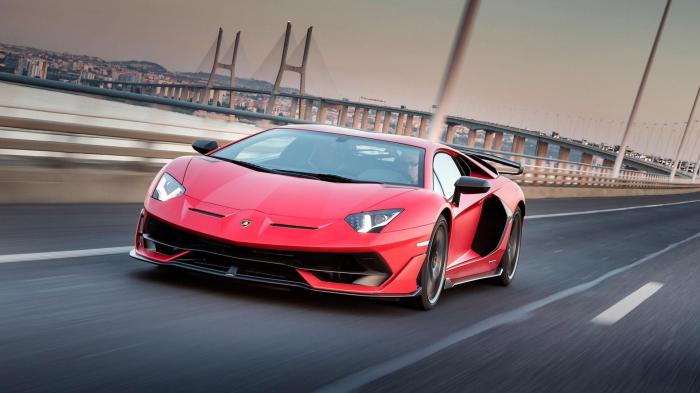
The relentless pursuit of performance in motorsport is inextricably linked to the ability to extract meaningful insights from data. Lamborghini’s commitment to data-driven racing positions them at the forefront of this evolution, allowing them to optimize every aspect of their racing programs. The future promises an even more sophisticated and integrated approach, leveraging advanced technologies to push the boundaries of performance and efficiency.The future of data-driven racing is not just about collecting more data; it’s about extracting deeper insights, applying those insights to refine strategy and optimize vehicle performance, and ultimately, winning races.
This evolution will be characterized by the convergence of advanced technologies, including artificial intelligence, machine learning, and sophisticated data visualization techniques.
Overview of Future Data Collection and Analysis
Data collection will become even more comprehensive, encompassing not only on-track performance metrics but also off-track factors like driver physiological data, weather patterns, and track conditions. This broader dataset will provide a more holistic view of the racing environment, allowing for more accurate predictions and proactive adjustments. Sophisticated sensors and wearable technology will be integrated into vehicles and driver gear, enabling continuous, real-time monitoring and analysis.
Emerging Technologies for Lamborghini’s Racing Program
Several emerging technologies show immense promise for enhancing Lamborghini’s racing program. These include: high-frequency data acquisition systems, advanced sensor networks, and advanced data analytics platforms. These platforms will enable a more precise and dynamic analysis of vast quantities of data, leading to faster insights and quicker adaptations to changing race conditions. For example, real-time feedback on vehicle dynamics and driver inputs will allow for instantaneous adjustments to optimize performance.
Application of AI and Machine Learning
Artificial intelligence and machine learning will play a critical role in analyzing vast datasets and identifying patterns that might otherwise be missed by human observation. AI algorithms can predict optimal race strategies, identify potential areas of improvement in vehicle design, and even anticipate future performance trends. For instance, AI could analyze historical race data to identify correlations between track conditions, vehicle setups, and driver performance, generating insights that would improve race strategy.
Role of Simulation and Modeling
Simulation and modeling will become increasingly crucial in the development and refinement of racing strategies and vehicles. Virtual environments will allow engineers to test various scenarios and refine vehicle performance in a controlled setting. Virtual testing will help to accelerate development cycles and minimize the costs associated with physical testing. Furthermore, simulations can be used to study the effect of different tire compounds, weather conditions, and racing strategies on vehicle performance, enabling more effective preparation for real-world race conditions.
Enhanced Data Visualization Techniques
Data visualization techniques will evolve to provide more intuitive and actionable insights. Sophisticated dashboards and interactive visualizations will allow engineers and strategists to quickly grasp complex data patterns and trends. For example, interactive 3D visualizations of vehicle performance metrics, combined with real-time telemetry data, will enable a better understanding of vehicle dynamics and driver input. This will improve decision-making during races, leading to more precise adjustments and strategic choices.
Potential Future Technologies and Applications
| Potential Future Technology | Application in Lamborghini’s Racing Program |
|---|---|
| High-frequency data acquisition systems | Precise, real-time monitoring of vehicle dynamics and driver inputs. |
| Advanced sensor networks | Gathering data on track conditions, environmental factors, and driver physiological responses. |
| Advanced data analytics platforms | Processing vast amounts of data to identify patterns and predict future performance trends. |
| AI-powered predictive modeling | Anticipating race strategies, optimizing vehicle setups, and predicting potential challenges. |
| Advanced simulation and modeling | Virtual testing of various scenarios, enabling faster and more cost-effective vehicle development. |
| Interactive 3D visualizations | Facilitating intuitive understanding of complex data patterns and trends in real-time. |
Final Review
In conclusion, Lamborghini’s data-driven approach to racing is a compelling example of how technology is transforming the automotive industry. From historical data analysis to futuristic biometric integration and CES presentation strategies, this exploration highlights the critical role of data in improving vehicle performance and driver capabilities. Ultimately, the discussion emphasizes the importance of data security and privacy considerations in this evolving landscape.