

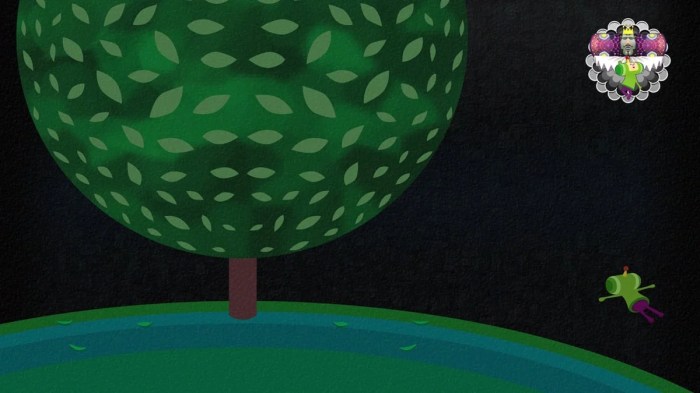
I hope katamari damacys creator gets a royalty when i buy his delightful mouse mat – I hope Katamari Damacy’s creator gets a royalty when I buy his delightful mouse mat. This desire speaks to a deeper connection many gamers feel with the creators of their favorite games. We’ve seen how successful merchandise tie-ins can be, and this mouse mat, with its unique design, feels like a perfect opportunity for a creator to be fairly compensated for their work.
It’s a question of how much we value their contribution and how we can fairly reward their creativity.
Beyond the emotional connection, this raises questions about licensing models and how they can support creators while keeping products accessible to consumers. This is a complex issue with no easy answers, but it’s a conversation worth having, especially in the world of video game-related merchandise. Considering the creator’s perspective and the market landscape, we can explore potential solutions and models that work for everyone.
Understanding the Customer’s Desire

The Katamari Damacy franchise evokes a strong emotional connection with its unique charm and playful aesthetic. Fans often identify with the game’s quirky premise and the satisfying sense of accomplishment that comes with rolling up objects into ever-larger katamaris. This emotional investment translates into a desire for merchandise that captures that essence.The success of merchandise tie-ins is well-documented across various franchises.
Think of Star Wars, with its vast array of collectibles, apparel, and home goods. Similarly, Pokémon has a massive market for trading cards, plushies, and apparel, all tapping into the emotional connection fans have with the characters and world. These examples demonstrate how successful merchandise often resonates with the core values and emotional connections fans hold with the source material.
Emotional Connection to Katamari Damacy
Fans of Katamari Damacy are often drawn to the game’s whimsical and creative approach to gameplay. The game’s distinctive visual style, featuring colorful and fantastical characters, has contributed to its enduring appeal. This unique style, along with the satisfying physics-based gameplay, has created a strong sense of nostalgia and enjoyment for players, making them receptive to related merchandise.
Examples of Successful Merchandise Tie-ins
Successful merchandise tie-ins leverage the existing emotional connection with the franchise. They often feature iconic characters, recognizable designs, or evocative themes from the source material. These elements help create a sense of familiarity and excitement for fans, driving demand for the products. For example, high-quality figurines of popular characters in the Pokémon franchise can fetch substantial prices due to their ability to capture the spirit of the characters and the world.
Factors Contributing to Desire for a Mouse Mat
Several factors influence a customer’s desire for a specific product like a Katamari Damacy mouse mat. Beyond the aesthetic appeal, practical considerations such as comfort, durability, and functionality play a role. A well-designed mouse mat, such as one with a unique Katamari Damacy design, can enhance the user experience, providing a touch of personality to their workspace. The positive association with the franchise adds an extra layer of appeal.
Motivations for Wanting the Creator to Receive Royalties
Customers who desire the creator to receive royalties likely hold a strong sense of appreciation for the creative process. They recognize the effort and artistry involved in creating the game and related products. This desire to see the creator fairly compensated stems from a belief in supporting the creative community and recognizing the value of intellectual property. The concept of fair compensation aligns with the idea of respecting the hard work and talent behind the creation.
Concept of Fair Compensation for Creators
Fair compensation for creators recognizes the significant contribution they make to the creative economy. It’s a matter of acknowledging the value of their work and ensuring they receive a just reward for their efforts. This can be achieved through various models, including royalties, which directly link the revenue generated from merchandise sales to the creator’s contribution. Successful creators often see their intellectual property utilized in multiple forms of merchandise, with the royalties contributing significantly to their overall income.
Such models incentivize continued creativity and innovation.
Analyzing the Creator’s Perspective
The potential for a creator of a delightful mouse mat, like the Katamari Damacy-themed one, to receive royalties upon purchase hinges on various factors, including the business model and contractual agreements. Understanding these nuances is crucial to assess the likelihood of royalty payments and the creator’s financial incentives. The creator’s perspective is shaped by their business decisions and the structure of the product’s distribution.The creator’s perspective on receiving royalties depends heavily on the agreement they made with the manufacturer or retailer.
This agreement likely Artikels how revenue is distributed, and whether a percentage is allocated to the creator for each sale. Different contractual arrangements can drastically affect the potential for royalty income.
Potential Reasons for Royalty Payments
The creator may receive royalties if their design or intellectual property (IP) is licensed to a manufacturer or retailer. This licensing agreement would typically define the terms of the royalty, such as a percentage of sales or a fixed fee per unit. Examples of this are evident in many licensed merchandise lines, from video game characters to movie franchises.
Potential Reasons Against Royalty Payments
Alternatively, the creator might not receive royalties if the mouse mat is sold under a different business model. The creator could have simply sold the design outright, or the manufacturer may handle all sales and profits without sharing revenue. This model is common for creators who license their designs without a direct sales relationship. Examples include artists who sell their art to be printed on merchandise without a royalty structure in place.
Comparison to Other Merchandise
The mouse mat’s business model can be compared to other merchandise lines. For example, a t-shirt featuring a popular cartoon character typically involves licensing agreements. The t-shirt manufacturer pays the cartoon character’s owner a royalty based on sales. Conversely, a product sold through a direct-to-consumer model, like a custom-designed mug sold on Etsy, might not involve royalty payments to the artist.
Potential Revenue Streams
| Revenue Stream | Description | Potential Royalty Model |
|---|---|---|
| Direct Sales | The creator sells the mouse mat directly. | No royalty unless part of a licensing deal. |
| Licensing | The creator licenses the design to a manufacturer. | Percentage of sales or fixed fee per unit. |
| Retail Partnerships | The creator collaborates with retailers to sell the mouse mat. | Percentage of sales, fixed commission, or tiered commission based on volume. |
| Print-on-Demand | A third-party platform handles production and shipping. | Often no royalty, or a small commission on sales. |
| Dropshipping | The creator’s website lists the product, and a third party handles fulfillment. | Similar to print-on-demand, often no royalty. |
This table illustrates various revenue streams and the corresponding potential royalty models. The specifics depend on the agreements the creator has in place.
Product Licensing and Royalties
Licensing models can vary widely. A simple licensing agreement might grant the manufacturer the right to use the design in exchange for a one-time payment. Alternatively, a more complex model might grant the manufacturer the right to use the design for a specific period, with royalties based on sales. A perpetual license could grant the manufacturer the right to use the design forever, potentially with royalty payments.
The specific details of the licensing agreement determine the terms of royalty payments.
“Royalties can range from a small percentage to a significant portion of sales, depending on the terms agreed upon by the parties involved.”
Exploring the Market Landscape: I Hope Katamari Damacys Creator Gets A Royalty When I Buy His Delightful Mouse Mat
The video game merchandise market is booming, fueled by a passionate fanbase eager to express their love for their favorite titles through collectibles and accessories. This vibrant market presents both opportunities and challenges, especially for creators looking to capitalize on it. Understanding the current landscape is crucial for navigating this space effectively and ensuring a fair return on investment for everyone involved.
Current Market for Video Game-Themed Merchandise
The current market for video game-themed merchandise is highly diverse and includes a wide range of products, from apparel and figurines to accessories and home goods. Demand is strong, driven by the global popularity of gaming and the desire to connect with favorite franchises. This widespread appeal creates significant potential for creators, but also necessitates careful consideration of pricing and market saturation.
Examples of Successful Video Game Merchandise
Numerous video game-themed merchandise items have proven incredibly successful. Their appeal often lies in their authenticity, quality, and design. These successes showcase the potential within the market, but also the importance of a well-defined target audience.
| Video Game | Merchandise Item | Success Factors |
|---|---|---|
| Super Mario Bros. | plush toys, apparel | Nostalgia, iconic characters, widespread appeal |
| Pokémon | Trading cards, plushies, apparel | Collectible nature, engaging storyline, strong brand recognition |
| The Legend of Zelda | Action figures, apparel, home goods | Long-standing fanbase, strong brand identity, appealing lore |
| Call of Duty | Apparel, accessories | Popular franchise, strong gaming community |
Price of Mouse Mat and Royalty Amount
The price of the Katamari Damacy mouse mat directly impacts the potential royalty amount a creator can receive. A higher-priced product, assuming a substantial markup, allows for a proportionally higher royalty percentage. For example, a $50 mouse mat could have a significantly different royalty structure compared to a $20 one, impacting the overall profitability.
Impact of Royalty Structures on Consumer Pricing
Royalty structures influence consumer pricing decisions. Higher royalties, while beneficial to the creator, might lead to a higher price for the consumer. However, if the quality, design, and brand recognition justify the higher price, consumers might be willing to pay more.
Different Pricing Models for Similar Products
Different pricing models for similar products can vary widely, based on the market positioning of the product.
| Pricing Model | Description | Example |
|---|---|---|
| Premium Pricing | Setting a higher price for superior quality or unique features | A high-quality, custom-designed Katamari Damacy mouse mat with premium materials. |
| Value Pricing | Focusing on affordability and offering a competitive price for standard features. | A standard Katamari Damacy mouse mat with basic materials at a competitive price. |
| Competitive Pricing | Setting a price similar to competing products with comparable features. | A Katamari Damacy mouse mat priced similarly to other popular video game mouse mats in the market. |
Potential Solutions and Models
Figuring out how to fairly compensate the Katamari Damacy mouse mat creator for their work is crucial. A well-defined royalty structure, or alternative support models, can ensure the creator’s contributions are recognized and appreciated. This section explores various possibilities, from straightforward royalty structures to more nuanced approaches.The design of the mouse mat, including its unique features and artistic elements, plays a significant role in determining the appropriate compensation model.
I’m really hoping the creator of Katamari Damacy gets a royalty kickback when I buy their awesome mouse mat. It’s so cool, and I’d love to support the artist. Speaking of things I like, I’ve been doing some research on the HTC One series specs lately. For a phone that’s a bit older, the specs are still pretty impressive; checking out htc one series specs will tell you more.
Hopefully, that royalty stream from my mouse mat purchase will help fund some future Katamari-related projects!
A complex, intricate design might justify a higher royalty percentage compared to a simpler design. Market analysis also helps to determine fair compensation; high demand and popularity could potentially support a higher royalty rate.
I’m really hoping the Katamari Damacy creator gets a royalty when I buy his awesome mouse mat. It’s a bit like how the FTC is cracking down on hidden fees in the hotel and ticket industry, with their recent ban on ftc hidden junk fees ban hotel ticket prices. Hopefully, this kind of consumer protection will eventually trickle down to creators of fun, quirky products like mouse mats, so they get a fair share of the profits.
Royalty Structures
Different royalty structures can be implemented to fairly compensate the creator. A percentage-based royalty system, tied to sales revenue, is a common approach. This ensures the creator receives a direct share of the profits generated by their work. A tiered structure, where the royalty percentage varies based on the volume of sales, can also be considered.
| Royalty Structure | Description | Potential Benefits | Potential Drawbacks |
|---|---|---|---|
| Percentage-based | A fixed percentage of each sale goes to the creator. | Simple to implement, direct link to creator’s effort. | May not adequately compensate for initial investment or design complexity. |
| Tiered Percentage | Higher percentage for higher sales volume. | Incentivizes sales, can better compensate for larger projects. | Can be more complex to administer, might not be clear to the customer. |
| Fixed Amount Per Unit | A specific amount per sold unit. | Simplicity and clarity for both parties. | May not reflect the value of the creator’s design if the sale volume varies. |
| Combination of Percentage and Fixed Amount | A combination of both approaches. | Can better address the varying value of designs and sales volumes. | Can be complex to calculate and manage. |
Product Design Influence
The artistic elements and complexity of the product design directly influence the royalty model. A mouse mat featuring a highly intricate Katamari Damacy design, with numerous details and unique artistic elements, might justify a higher royalty percentage compared to a simple design.The complexity and uniqueness of the product design also influence the licensing agreement and its potential payout. A complex design might necessitate more comprehensive licensing terms to ensure the creator’s intellectual property is protected and their compensation is appropriately addressed.
Alternative Support Models
Direct royalties aren’t the only way to support the creator. A creator-specific storefront or a dedicated merchandise section on the main store website could generate revenue for the creator, independent of a traditional royalty structure.
Legal Frameworks and Regulations
Copyright laws and intellectual property rights are crucial aspects of creator compensation. Understanding the legal framework surrounding intellectual property rights and licensing agreements is vital. A thorough review of relevant laws and regulations can help ensure that the chosen compensation model is compliant with the existing legal framework.
Licensing Agreements
Licensing agreements Artikel the terms of use for the creator’s design and define the compensation structure. A clear and well-defined licensing agreement can ensure both the creator and the business have a clear understanding of their responsibilities and rights. Examples of licensing agreements include exclusive or non-exclusive licensing agreements, which dictate how the design can be used. These agreements should clearly specify the creator’s royalty structure, usage rights, and the duration of the agreement.
Presenting the Information
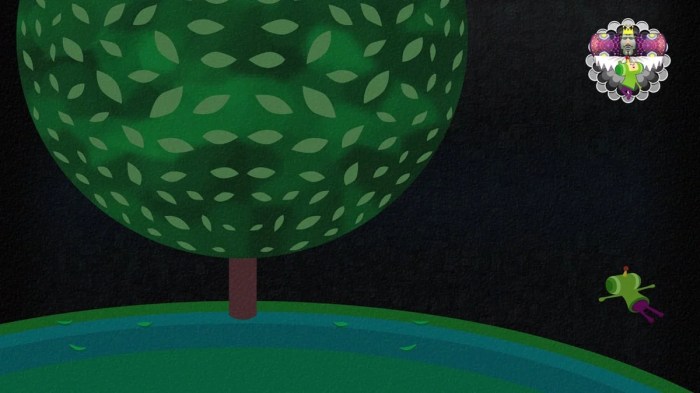
Crafting a compelling narrative around the Katamari Damacy mouse mat royalty issue requires a clear and visually engaging presentation. This involves structuring the information logically, using visuals effectively, and weaving a story that resonates with both the creator’s and the customer’s perspectives. This section details how to present the data in a digestible and impactful way.
Structured Format for Information
Presenting data in a structured format is crucial for understanding the issue and potential solutions. A well-organized table layout allows for easy comparison and analysis.
I’m really hoping the Katamari Damacy creator gets a royalty when I buy his awesome mouse mat. It’s so cool, and I’m all about supporting artists. Meanwhile, the Android 15 developer preview 2 is looking into USB security, which is pretty interesting given the potential for future exploits and protection. Hopefully, that means my future Katamari Damacy-themed mouse mat purchases will be secure and the creator gets a fair cut! android 15 developer preview 2 usb security
| Category | Details | Creator’s Perspective | Customer’s Perspective |
|---|---|---|---|
| Product | Katamari Damacy Mouse Mat | Potential for increased revenue and recognition through royalties. | Desire for supporting the creator and enjoying a unique product. |
| Royalty Structure | Percentage-based model for sales. | Fair compensation for intellectual property use. | Acceptable pricing for a product with artistic value. |
| Market Analysis | Competitive landscape and consumer demand. | Identifying potential market share and profitability. | Exploring alternative products and their pricing. |
| Category | Details | Creator’s Perspective | Market Trends |
|---|---|---|---|
| Sales Volume | Monthly sales figures for similar mouse mats. | Potential revenue stream from royalties. | Industry trends in unique product sales. |
| Pricing Strategy | Comparison of different pricing models for the mouse mat. | Profitability and cost of production. | Market response to unique and licensed merchandise. |
| Marketing & Promotion | Effective marketing campaigns for mouse mats. | Brand visibility and awareness. | Popularity of related merchandise. |
Compelling Narrative
A compelling narrative weaves together the creator’s desire for recognition, the customer’s desire for supporting artists, and the market analysis to create a compelling story. Present the information in a way that showcases the value of the mouse mat and the potential for a mutually beneficial royalty structure.
“A royalty structure, aligned with the market, could provide significant revenue for the creator while reinforcing the product’s unique value proposition.”
Visual Appeal, I hope katamari damacys creator gets a royalty when i buy his delightful mouse mat
Incorporating visuals, such as images of similar mouse mats, enhances the presentation. These visuals support the analysis by illustrating the artistic style and quality of the product. A picture of a high-quality Katamari Damacy mouse mat, next to a similar mouse mat from a different artist, can visually represent the potential impact of royalties.
Illustrative Examples
Bringing creator royalties into the tangible world of physical merchandise, like a Katamari Damacy mouse mat, requires understanding how licensing works and how factors like creator popularity, brand recognition, and game popularity influence the royalty structure. Let’s delve into illustrative scenarios to grasp this concept more concretely.
A Creator Receiving Royalties
A prime example of a creator receiving royalties on a product is the licensing of video game character designs for merchandise. A well-known example is the successful licensing of popular video game characters for apparel, accessories, and home goods. In this instance, the creator’s IP (intellectual property) is granted to a company that produces the merchandise, with a mutually agreed-upon royalty structure.
Hypothetical Case Study: Katamari Damacy Mouse Mat
Imagine a hypothetical scenario where the Katamari Damacy creator receives royalties for a mouse mat. The company producing the mouse mat might pay a royalty based on the number of units sold. The royalty rate could be a percentage of the sale price per unit, potentially tiered based on production volume. This structure encourages the company to increase sales, while the creator benefits from a larger overall income from the wider market.
Factors Influencing Royalty Structure
Several factors significantly influence the royalty structure for a product like a Katamari Damacy mouse mat. These include the production costs, the projected sales volume, the creator’s popularity, and the market demand for the game and the merchandise. The royalty structure is a negotiated agreement, carefully considering these factors.
- Production Costs: Lower production costs allow for higher royalty percentages, while high production costs might result in a lower percentage to compensate for expenses. The production process influences the amount available for royalty.
- Projected Sales Volume: A higher projected sales volume often results in a higher royalty rate, as it suggests a larger potential revenue stream for the creator. The anticipated sales volume directly impacts the creator’s potential revenue.
- Creator’s Popularity and Brand Impact: The creator’s popularity significantly impacts the royalty amount. A highly popular creator with a strong brand presence might command a higher royalty rate due to the increased value associated with their name and designs. Strong brand recognition is often a key factor in royalty structures.
Impact of Game Popularity on Mouse Mat Sales
The popularity of the Katamari Damacy game directly impacts the sales of the mouse mat. If the game enjoys renewed popularity or has a substantial fanbase, the demand for related merchandise, such as the mouse mat, will likely increase. A surge in game popularity translates into higher potential sales for the mouse mat.
Final Review
In conclusion, the desire for Katamari Damacy’s creator to receive royalties on a mouse mat highlights a broader conversation about creator compensation in the video game industry. While there are many factors to consider, from the creator’s perspective to the market landscape, finding a balance that fairly compensates creators while maintaining reasonable prices for consumers is key. Perhaps this case study will inspire other similar discussions about licensing and royalties for other game-related merchandise.
There are various potential solutions, and this exploration will hopefully spark further discussion and contribute to a better understanding of this dynamic relationship between creators, consumers, and businesses.