



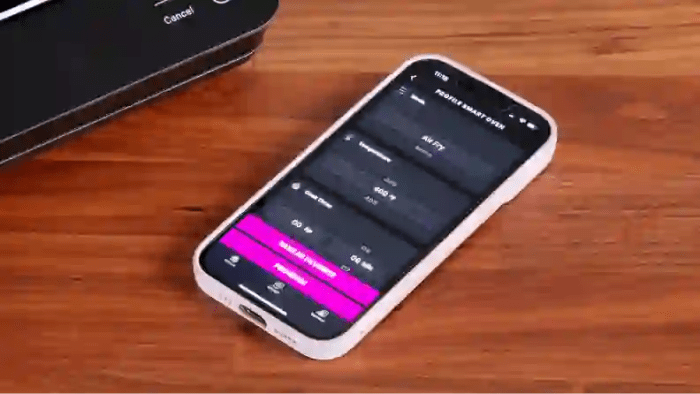
How smart is your smart technology GE profile? This exploration delves into the capabilities and limitations of GE Profile’s smart appliances, examining their features, user experience, and future potential. From understanding the core principles of “smart technology” to evaluating the intelligence behind GE’s innovative products, we’ll uncover the nuances of what makes these devices truly smart. We’ll analyze the metrics used to assess intelligence, considering factors like machine learning and AI.
The user experience, ease of use, and data collection will also be examined.
The discussion will cover the brand’s approach to incorporating smart technology, comparing GE Profile to competitors. We’ll also look at how user interactions and expectations shape the perceived intelligence of the technology. The evolution of smart technology and its potential future impact, especially for GE Profile, will also be discussed. Prepare to be enlightened!
Defining “Smart Technology”
Smart technology, often referred to as connected technology, has rapidly evolved, transforming how we interact with our personal devices and the world around us. This evolution hinges on the integration of advanced computing power, sophisticated sensors, and seamless connectivity, allowing devices to perform tasks autonomously and respond intelligently to user needs. The concept of “smart” is not just about functionality; it’s about the intelligence embedded within the devices, enabling them to learn, adapt, and anticipate user preferences.The term “smart technology,” in the context of personal devices, encompasses a broad spectrum of interconnected functionalities.
It’s not simply about individual devices but rather a network of devices working together to enhance user experience and efficiency. Ge Profile, for example, exemplifies this trend by incorporating intelligent features into its appliances and home automation systems. The intelligence lies in the ability of these devices to analyze data, adjust settings, and proactively address user needs, all facilitated by their connection to networks and other devices.
Types of Smart Technology
Ge Profile’s smart technology portfolio spans several categories, each designed to enhance different aspects of daily life. From monitoring health to controlling home environments, these technologies leverage sophisticated sensors and algorithms to offer customized experiences. This integration extends beyond individual products, fostering a cohesive ecosystem for seamless control and automation.
Key Characteristics of Smart Technology
Smart technology distinguishes itself from traditional technology through several key characteristics. Firstly, it incorporates advanced computing capabilities, enabling devices to perform complex tasks and adapt to user preferences. Secondly, connectivity is paramount, allowing devices to communicate with each other and external networks to gather and process data. Finally, the ability to learn and adapt is a defining feature, as these technologies constantly improve their performance based on user interactions and environmental factors.
Categories of Smart Technology and Their Functions
| Category | Description | Functions |
|---|---|---|
| Wearables | Devices worn on the body, such as smartwatches and fitness trackers. | Monitoring physical activity, tracking sleep patterns, providing notifications, and measuring vital signs. |
| Home Automation | Systems that control and automate various aspects of a home, such as lighting, temperature, and security. | Managing lighting schedules, adjusting thermostats remotely, monitoring security systems, and controlling appliances. |
| Smart Appliances | Kitchen appliances that offer connected features, such as refrigerators with integrated displays and ovens with cooking programs. | Monitoring food inventory, providing cooking recommendations, scheduling tasks, and offering advanced cooking features. |
| Smart Entertainment | Devices like smart TVs and sound systems that offer connectivity and personalized content recommendations. | Streaming media, controlling content playback, accessing apps, and receiving personalized recommendations based on viewing history. |
Evaluating Intelligence in Smart Technology
Defining intelligence in the context of smart technology is a complex task. While we readily associate intelligence with human cognitive abilities, measuring and comparing it in machines requires a nuanced approach. This evaluation goes beyond simple functionality and delves into the sophistication of problem-solving, adaptability, and learning capabilities. Smart technology’s “intelligence” is often a reflection of the underlying algorithms and machine learning models.Different metrics are employed to gauge the intelligence of smart technology, ranging from the speed of processing to the complexity of tasks handled.
These metrics highlight the technological advancement behind smart devices and the sophistication of the algorithms that drive them.
Metrics for Assessing Smart Technology Intelligence
Various metrics are used to assess the intelligence of smart technology, encompassing processing speed, task complexity, and learning capabilities. These metrics are crucial in evaluating how smart devices handle diverse situations. The effectiveness of these devices hinges on their ability to interpret data and respond accordingly.
- Processing Speed: The speed at which a smart device processes information is a fundamental aspect of its intelligence. Faster processing allows for quicker responses to commands and more efficient handling of data. Modern processors, especially those incorporating specialized hardware for AI tasks, can perform calculations at incredible speeds, making sophisticated analysis possible in real-time. Examples include rapid image recognition in self-driving cars or near-instantaneous responses from voice assistants.
- Task Complexity: The range and intricacy of tasks a smart technology can handle indicate its intelligence level. A device capable of performing a variety of complex tasks, such as natural language processing or advanced image recognition, demonstrates a higher level of intelligence compared to one limited to simple commands. Sophisticated algorithms underpin the capability of these devices to handle complex data sets.
- Learning Capabilities: The ability of smart technology to learn and adapt is a critical indicator of intelligence. Machine learning algorithms allow devices to improve their performance over time by analyzing data and identifying patterns. This iterative learning process enables devices to handle increasingly complex situations. Examples include spam filtering that learns to identify and block new types of spam emails, or recommendation systems that personalize content suggestions based on user behavior.
Ways Smart Technology Demonstrates “Intelligence”
Smart technology demonstrates “intelligence” through various actions and functionalities. These demonstrations highlight the underlying algorithms and the sophistication of the machine learning models.
- Problem Solving: Smart devices often exhibit problem-solving capabilities, especially in areas like route optimization or automated decision-making in manufacturing processes. For instance, smart traffic systems can optimize traffic flow by adjusting signal timing based on real-time data, thus reducing congestion. This capability is closely tied to the sophisticated algorithms enabling them to analyze vast amounts of data.
- Adaptability: The ability to adjust to new situations or changing conditions is a key characteristic of intelligent systems. Smart homes, for instance, can adapt to changes in user preferences or environmental conditions, adjusting temperature or lighting accordingly. This adaptability stems from the algorithms that analyze data and make adjustments based on identified patterns.
- Decision Making: In certain contexts, smart devices can make decisions based on available data. These decisions can be complex and may involve weighing different factors. For example, self-driving cars need to make quick decisions in dynamic traffic situations. This capability relies on the sophisticated machine learning algorithms that evaluate the situation and determine the optimal course of action.
Limitations of Current Smart Technology
While smart technology demonstrates remarkable capabilities, limitations in problem-solving and decision-making exist. These limitations stem from the fundamental constraints of the underlying algorithms and data sets.
- Lack of Common Sense: Current smart technology often lacks the common sense reasoning that humans possess. This can lead to unexpected or illogical behavior in complex situations where contextual understanding is crucial. For example, a smart home might struggle to interpret an unusual event if the circumstances are not explicitly programmed into its algorithms.
- Over-reliance on Data: The performance of smart technology is heavily dependent on the quality and quantity of the data it receives. Insufficient or biased data can lead to flawed outcomes or inappropriate decisions. This reliance underscores the need for high-quality data sets to train these intelligent systems.
- Limited Emotional Intelligence: Smart technology currently lacks the emotional intelligence necessary to understand and respond to human emotions. This limitation can hinder its effectiveness in contexts requiring empathy or nuanced understanding of human behavior. The development of emotional intelligence in smart technology is still a research area.
Machine Learning and AI Contribution
Machine learning and Artificial Intelligence (AI) play a pivotal role in the perceived intelligence of smart technology. These technologies allow devices to learn from data, identify patterns, and improve their performance over time.
- Pattern Recognition: Machine learning algorithms excel at recognizing patterns in data that may be too complex or numerous for humans to discern. This capability is crucial in areas like medical diagnosis, fraud detection, and predictive maintenance.
- Prediction and Forecasting: AI and machine learning enable smart technology to predict future trends and outcomes based on historical data. This capability is valuable in areas like weather forecasting, stock market prediction, and demand forecasting.
- Automation of Tasks: AI and machine learning are crucial in automating complex tasks, such as data analysis, decision-making, and problem-solving. This automation significantly improves the efficiency and productivity of smart systems.
Comparison of Smart Technology Products
Comparing different smart technology products reveals varying levels of intelligence and capabilities. The sophistication of the underlying algorithms and the amount of data used for training significantly impact the performance of these products.
| Product Category | Example | Key Capabilities |
|---|---|---|
| Smart Homes | Smart thermostats, voice assistants | Adaptability, automation, and response to user commands |
| Smart Cars | Self-driving cars | Route optimization, real-time decision-making in traffic |
| Smart Assistants | Virtual assistants (Siri, Alexa) | Natural language processing, information retrieval, and task management |
Understanding “Smart” in “Smart Technology”
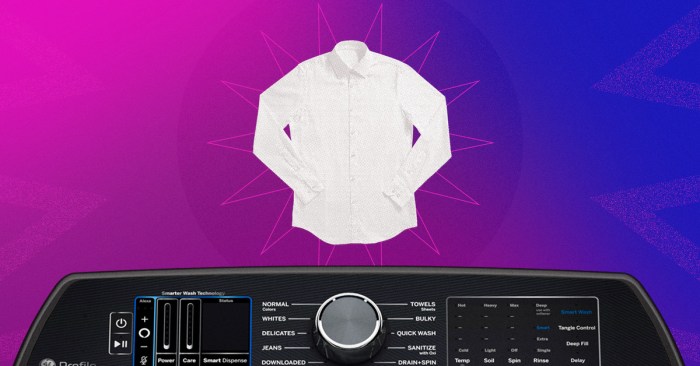
The concept of “smart” in technology is not a fixed definition. It’s a constantly evolving interpretation shaped by technological advancements and user expectations. “Smart” features are increasingly integrated into appliances, transforming mundane tasks into seamless experiences. This evolution requires a deeper understanding of how “smart” translates into enhanced user experiences and the role of user interaction and data in shaping the perceived intelligence of these devices.Modern “smart” technology goes beyond simple functionality.
It aims to anticipate needs, adapt to user behavior, and personalize the user experience. This often involves complex algorithms, data analysis, and continuous learning. Crucially, this also relies on user feedback and engagement to refine and improve the technology over time.
Examples of Enhanced User Experience
Smart features in GE Profile appliances, such as smart ovens and refrigerators, provide significant enhancements to the user experience. For example, smart ovens can preheat to the optimal temperature based on the selected recipe, allowing for more efficient and precise cooking. Similarly, smart refrigerators can track inventory, alerting users to low stock levels and suggesting recipes based on available ingredients.
These features streamline the cooking and grocery shopping processes, saving time and effort.
Features Differentiating GE Profile Smart Technology
GE Profile’s smart technology distinguishes itself through features like integrated recipe recommendations, predictive maintenance alerts, and intuitive control interfaces. These features go beyond basic connectivity, offering real-value solutions to common household tasks. For example, the predictive maintenance feature proactively identifies potential issues, enabling users to schedule repairs before significant problems arise, thereby minimizing downtime and improving appliance lifespan.
The seamless integration of smart technology with other connected devices within a home ecosystem, such as smart assistants, further enhances user convenience.
Role of User Interaction in Perceived Intelligence
User interaction significantly impacts the perceived intelligence of smart technology. Intuitive interfaces, seamless connectivity, and accurate responses to user commands all contribute to a positive user experience. For instance, a slow response time or a confusing user interface can diminish the perceived intelligence of the appliance, regardless of its underlying technology. Conversely, a quick and efficient response to user input, paired with a simple and elegant interface, elevates the perception of the appliance’s intelligence.
Impact of Data Collection and Analysis
Data collection and analysis play a crucial role in the evolution of smart technology. By collecting user data, smart devices can learn user preferences and habits, allowing for personalized recommendations and tailored experiences. For example, a smart washing machine can analyze laundry patterns to optimize water and energy usage. The collected data, when analyzed properly, enables the development of algorithms that enhance the device’s functionality and performance over time.
However, privacy concerns regarding data usage are important considerations for the ethical deployment of smart technology.
Comparative Functionality Across Brands
| Feature | GE Profile | Brand A | Brand B |
|---|---|---|---|
| Recipe Recommendations | Personalized recommendations based on user history and available ingredients. | Limited to pre-programmed recipes. | Recipe recommendations based solely on dish type. |
| Predictive Maintenance | Proactive alerts for potential issues and estimated repair costs. | No predictive maintenance feature. | Alerts only for critical malfunctions. |
| Connectivity | Seamless integration with other smart home devices. | Limited connectivity options. | Connectivity issues reported. |
The table above highlights the varying functionalities of smart features across different brands. Note that the table is illustrative and does not represent a comprehensive comparison of all brands or models. The specific features and their implementation can vary considerably between brands and even models within a single brand.
Ever wondered how truly “smart” your smart tech really is? It’s a fascinating question, especially when you consider the ongoing legal battles surrounding the App Store, like the one involving Apple, Epic Games, Fortnite, and Tim Sweeney. This whole saga highlights the complexities and potential for manipulation within the digital ecosystem. Cases like apple epic games fortnite tim sweeney app store fakes raise important questions about the power dynamics between developers, platforms, and consumers.
Ultimately, it forces us to re-evaluate our assumptions about the intelligence and fairness of our smart technology ecosystem. Are these companies truly looking out for the best interests of users, or are they simply pushing their own agendas? It’s a question that deserves careful consideration for all users, especially as smart technology continues to integrate more deeply into our lives.
Exploring the “Ge Profile” Brand
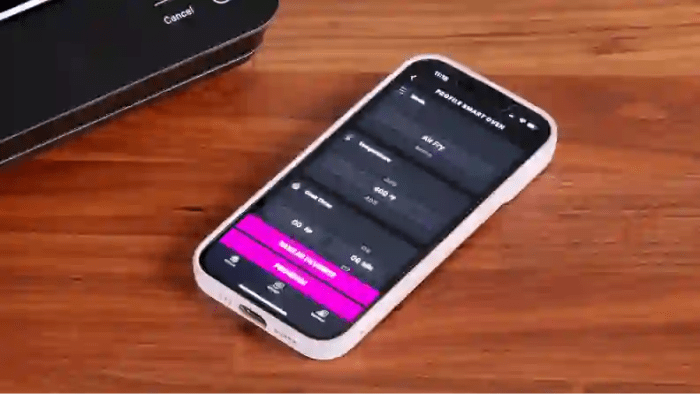
Ge Profile, a brand under the larger GE Appliances umbrella, has a clear vision for its smart technology integration. Their approach emphasizes user-friendliness and intuitive functionality, aiming to seamlessly weave smart features into everyday kitchen appliances. They strive to enhance efficiency and convenience without sacrificing the core cooking and food preparation aspects of their products.Ge Profile’s design philosophy, when applied to smart technology, centers around the idea that technology should enhance the experience, not detract from it.
They seek to empower users with the tools they need to optimize their cooking and storage processes, making these experiences more rewarding and effortless.
Ge Profile’s Approach to Smart Technology Integration
Ge Profile’s smart technology integration is driven by a focus on practicality and usability. They don’t just add smart features; they integrate them thoughtfully into the overall appliance design, aiming for a cohesive user experience. This includes intuitive controls, seamless app connectivity, and data visualization tools that offer actionable insights.
Examples of Innovative and Intelligent Positioning
Ge Profile frequently showcases its smart features as enhancing user control and efficiency. For instance, their smart ovens can be controlled remotely, allowing users to preheat and adjust settings from anywhere. This is presented as a way to improve convenience and reduce wasted time. Smart refrigerators, with their integrated cameras and inventory tracking, are positioned as tools for optimizing food management and minimizing food waste.
The emphasis is always on how these features contribute to a more streamlined and productive kitchen experience.
Unique Smart Features
Ge Profile’s smart features often go beyond basic connectivity. For example, some models offer personalized cooking recommendations based on user preferences and dietary needs, or predictive maintenance features that proactively alert users to potential issues before they arise. This proactive approach sets the brand apart. Other notable unique features include detailed cooking visualizations on the app, allowing users to monitor progress in real-time, and advanced food storage organization tools, offering insights into food freshness and usage.
History of Incorporating Smart Features
Ge Profile’s history of smart features demonstrates a gradual evolution. Early models focused on basic connectivity and remote control. Subsequent iterations have seen a shift towards more advanced features, including personalized recommendations, predictive maintenance, and integrated data analytics. The development roadmap suggests a commitment to continuous improvement and expanding the capabilities of its smart appliances.
Comparison with Competitors, How smart is your smart technology ge profile
| Feature | Ge Profile | Competitor A | Competitor B |
|---|---|---|---|
| Remote Control | Yes, multiple appliance types | Yes, primarily ovens | Yes, limited to select models |
| Predictive Maintenance | Yes, in select models | No | Yes, but limited features |
| Personalized Cooking Recommendations | Yes, in select models | No | Limited recommendations |
| Food Inventory Management | Yes, in select models | Yes, but less comprehensive | No |
| App Integration | User-friendly interface, good app responsiveness | Intuitive app, but occasionally slow response | App with a steep learning curve |
This table illustrates a comparative analysis of Ge Profile’s smart technology features against competitors. Differences in feature availability, app integration quality, and the sophistication of smart functions vary between brands. The table serves as a guide for evaluating the level of smart functionality offered by different brands.
User Experience and Smart Technology: How Smart Is Your Smart Technology Ge Profile
The user experience is paramount in determining the success of any technology, especially smart technology. A seamless and intuitive experience directly correlates with the perceived intelligence and effectiveness of the product. Users form opinions about the “smartness” not just based on functionality but also on how easily they can interact with it. This section explores how ease of use, design, and user expectations shape the perceived intelligence of smart appliances like GE Profile products.
Impact of Perceived Intelligence on User Experience
The perceived intelligence of a smart appliance directly influences the user experience. A product perceived as “smart” and intuitive often leads to greater user satisfaction and adoption. Conversely, a product that feels complicated or unresponsive can frustrate users and diminish their overall experience. This connection is crucial in the modern market, where user-friendliness is often a key differentiator.
Ever wondered just how “smart” your smart tech really is? It’s fascinating how these gadgets are constantly evolving, but sometimes we get caught up in the latest features and forget about the bigger picture. Today’s Google Doodle, honoring disability rights activist Stacey Park Milbern google doodle honors disability rights activist stacey park milbern , reminds us that technology should empower and reflect the diversity of human experience.
Perhaps that’s a measure of true intelligence in smart tech – aligning with human needs and progress, not just trends. This perspective, in turn, helps us reflect on how smart our technology really is.
Users are more likely to embrace and integrate products that feel less like complex machinery and more like intuitive tools.
Ease of Use and Intuitive Design as Indicators of Intelligence
Intuitive design and ease of use are strongly linked to the perception of intelligence in smart technology. When a smart appliance seamlessly integrates into a user’s routine without requiring extensive instruction manuals or troubleshooting, it reinforces the impression of sophisticated intelligence. Consider a smart oven that automatically adjusts cooking times based on the selected recipe. This seemingly simple feature demonstrates intelligence by anticipating user needs and simplifying the cooking process.
Similarly, a washing machine that efficiently sorts laundry based on fabric type and color is perceived as smart because it automates a task previously requiring significant user input. Such features enhance the user experience by reducing friction and increasing efficiency.
Ever wondered how truly “smart” your smart tech profile actually is? It’s fascinating to consider the intricate workings behind these devices, isn’t it? Recent discussions about the Netflix Mega Man movie and the role of Chernin Supermarche in the project have got me thinking about the parallels between artificial intelligence and our own personal tech profiles. Netflix Mega Man movie chernin supermarche highlights the evolving nature of entertainment, which, in turn, prompts a deeper dive into the question of how smart our own personalized tech profiles truly are.
Ultimately, the true measure of intelligence in technology is still a subject of debate, even if it is becoming increasingly intertwined with our daily lives.
Influence of User Expectations on Perceived Intelligence
User expectations significantly influence how smart technology is perceived. If a user anticipates a smart appliance to perform a specific task with minimal effort, any deviation from those expectations can lead to a negative perception of intelligence. For instance, if a smart refrigerator consistently fails to accurately predict food expiration dates, users might perceive the appliance as less intelligent than anticipated.
Conversely, if the refrigerator accurately anticipates needs and proactively suggests recipes based on available ingredients, it will likely be perceived as intelligent. This shows that meeting user expectations is crucial for establishing a positive perception of a smart product’s intelligence.
Specific User Interactions Facilitated by Smart Features
GE Profile products, for example, often incorporate smart features that facilitate specific user interactions. A smart dishwasher might automatically adjust the wash cycle based on the type of dishes loaded. A smart refrigerator might provide alerts for low stock or offer personalized recommendations for meals. These specific interactions directly contribute to the perceived intelligence of the product, allowing users to efficiently manage their daily tasks.
The user’s interaction with these products is more streamlined and automated, creating a feeling of effortless efficiency.
User Interface Impact on User Experience of GE Profile Products
The user interface (UI) significantly impacts the user experience of GE Profile products. Different UIs can vary in their intuitiveness and complexity.
| User Interface Type | Impact on User Experience |
|---|---|
| Intuitive Touchscreen | Provides a simple and visually appealing interaction method, leading to a positive user experience. |
| Complex Menu System | May lead to frustration if not properly structured, potentially diminishing the perceived intelligence of the product. |
| Voice Control | Offers convenience and hands-free operation, enhancing user experience and the perceived intelligence of the product. |
| Combination of Methods | Optimizes efficiency and provides users with options to tailor their interaction to their preferences. |
Smart Technology and Future Trends
The future of smart technology promises a world of unprecedented convenience and efficiency, but also presents unique challenges and considerations. GE Profile appliances, with their increasing integration of smart features, are poised to play a crucial role in this evolution. Understanding the potential and limitations of these advancements is vital for anticipating how they will impact our daily lives and the future of home appliances.Smart technology is rapidly transforming the way we interact with our homes and appliances.
From automated scheduling and remote control to predictive maintenance and personalized recommendations, these features are increasingly becoming essential parts of our daily routines. This transformation, however, is not without its complexities.
Future Potential of GE Profile Smart Technology
GE Profile smart appliances are expected to continue evolving beyond basic connectivity. Anticipated advancements include seamless integration with other smart home devices, improved energy efficiency, and enhanced user experience through advanced machine learning. Predictive maintenance, for example, could allow appliances to proactively alert users of potential issues, minimizing downtime and extending the lifespan of the products.
Limitations of Smart Technology in GE Profile Products
While the potential of smart technology is significant, it’s important to acknowledge the limitations. Security concerns surrounding data privacy and potential vulnerabilities to hacking remain critical considerations. Ensuring the reliable and consistent performance of these connected devices, especially in less stable power environments, is also a significant challenge. Additionally, the cost of integrating advanced smart features into appliances could make them less accessible to a broader consumer base.
Evolution of GE Profile Smart Technology Products
The evolution of GE Profile smart technology products is likely to follow several key trends. Expect increased integration with voice assistants, enabling hands-free control of appliance functions. Advanced data analytics will enable the appliance to adapt to user patterns and preferences, providing more personalized recommendations and automated routines. Furthermore, seamless integration with other smart home ecosystems will become more commonplace, creating a unified smart home experience.
Role of Emerging Technologies in Shaping Smart Technology
Emerging technologies, such as AI and machine learning, will significantly influence the future of smart technology. AI-powered systems will enable appliances to learn user preferences, predict needs, and optimize energy consumption. This will lead to more personalized and efficient use of appliances, reducing energy waste and improving the overall user experience. Machine learning algorithms will play a crucial role in predictive maintenance, enabling early detection of potential problems and proactively scheduling repairs.
Adapting Smart Technology to Evolving User Needs
Smart technology in GE Profile appliances will adapt to evolving user needs by focusing on ease of use and intuitive control. Expect to see simpler interfaces, more natural language processing, and greater personalization options. This adaptation will extend beyond basic control and encompass factors like user safety, energy efficiency, and environmental considerations. Smart appliances will increasingly prioritize sustainability and resource optimization, reflecting the growing societal focus on these values.
Societal Impact of Advanced Smart Technology
The societal impact of advanced smart technology is multifaceted. Enhanced efficiency in home appliances can contribute to reduced energy consumption and a smaller environmental footprint. Accessibility to advanced features, like remote monitoring and control, can significantly benefit individuals with disabilities or those living in remote areas. However, potential issues like the digital divide and concerns about data privacy must be addressed to ensure equitable access and protection.
Final Review
In conclusion, evaluating the “smartness” of GE Profile’s technology requires a multifaceted approach. Beyond the basic functionality, the user experience, the integration of AI, and the brand’s commitment to innovation all contribute to the overall perception of intelligence. While GE Profile certainly offers impressive features, the future of smart technology remains a dynamic landscape. Ultimately, the “smartness” of a product is a subjective measure, influenced by both technological capabilities and user experience.
The ongoing evolution of smart technology promises exciting advancements, and GE Profile’s position in this space is worthy of careful consideration.