




How scientists are tackling methane emissions with killer viruses and seaweed diets is a fascinating new frontier in environmental science. Global methane emissions are a major contributor to climate change, and researchers are exploring innovative solutions, including harnessing the power of viruses to target methane-producing microbes and seaweed diets to reduce methane output from livestock. This approach delves into the specifics of using biological agents and organisms to tackle this pressing global issue, examining their potential, effectiveness, and the challenges involved.
The article explores the mechanisms behind these strategies, comparing and contrasting different viral types and seaweed varieties. It also analyzes the potential environmental risks of introducing viruses into ecosystems and the nutritional benefits of seaweed for livestock. Furthermore, it investigates potential synergies between these approaches and the necessary steps for practical implementation and scale-up.
Methane Emissions and Mitigation Strategies
Methane, a potent greenhouse gas, is significantly contributing to global warming. Its impact on climate change is considerably higher than that of carbon dioxide over a 20-year timeframe. Understanding the sources and scale of methane emissions is crucial for developing effective mitigation strategies. Current global emissions levels and their effects on climate systems are critical factors in planning effective solutions.
This section explores various approaches to tackling methane emissions, including innovative biological solutions.The current status of methane emissions reveals a complex picture. Significant emissions stem from both natural sources (like wetlands and permafrost thaw) and human activities (agriculture, fossil fuel production, and landfills). The concentration of methane in the atmosphere is increasing, contributing to a rapid rate of global warming.
Scientists are exploring innovative ways to combat methane emissions, from using genetically engineered viruses to target methane-producing microbes to encouraging seaweed diets for livestock. It’s fascinating to see the diverse approaches being taken, and while this might seem unrelated to something like Amazon Prime Studio Ghibli’s Ronia, the Robber’s Daughter, by Miyazaki , it underscores the importance of finding creative solutions across various fields to address global challenges.
Ultimately, these scientific breakthroughs could significantly reduce our environmental footprint, just as a well-told story can move us.
Understanding the intricate balance between natural and anthropogenic sources is essential to develop targeted mitigation strategies. Many approaches, both technological and biological, are being actively explored to curb methane emissions.
Global Methane Emission Sources and Impacts
Methane emissions are a global challenge. Significant sources include natural gas leaks, agricultural activities (livestock, rice paddies), landfills, and the burning of fossil fuels. These emissions contribute to a rapid increase in atmospheric methane concentrations, leading to a greater warming effect than carbon dioxide in the short term. The environmental impact is substantial, accelerating climate change and impacting ecosystems worldwide.
Specific examples include increased frequency and intensity of extreme weather events, sea level rise, and disruptions to delicate ecological balances.
Current Methane Mitigation Technologies
Various technologies are being employed to mitigate methane emissions. These include capturing methane from landfills, improving leak detection and repair in natural gas pipelines, and developing more efficient agricultural practices. Examples of such technologies include advanced sensors for detecting leaks, improved well construction techniques, and innovative biogas production systems. These technologies, although proven effective in specific contexts, are not universally applicable or universally successful in reducing emissions.
Biological Mitigation: Harnessing Viruses and Seaweed
The concept of using biological agents like viruses and bacteria, and organisms like seaweed, to mitigate methane emissions is gaining traction. This approach leverages the natural processes of these organisms to break down methane, reducing its concentration in the atmosphere. The effectiveness of these strategies is dependent on factors such as the specific type of organism used, the environmental conditions, and the scale of implementation.
The concept is based on the potential for microbes to naturally metabolize methane.
Effectiveness of Biological Methane Mitigation Strategies
| Mitigation Strategy | Mechanism | Effectiveness | Challenges |
|---|---|---|---|
| Methane-oxidizing bacteria | Break down methane through oxidation. | Demonstrated effectiveness in controlled environments. | Scalability and environmental adaptability of the bacteria. |
| Methane-consuming viruses | Inflict viruses on methane-producing microbes, thus reducing their activity. | Potentially high impact if successful in targeting specific microbes. | Specific targeting and environmental persistence of the viruses. |
| Seaweed cultivation | Absorbing methane from the atmosphere. | Potentially high capacity for methane uptake. | Scalability and the need for large-scale cultivation. |
| Improved livestock feed | Reducing methane production in animals. | Potential for significant reduction in livestock emissions. | Nutritional needs of animals and acceptance of new feed formulations. |
Utilizing Viruses to Combat Methane Emissions
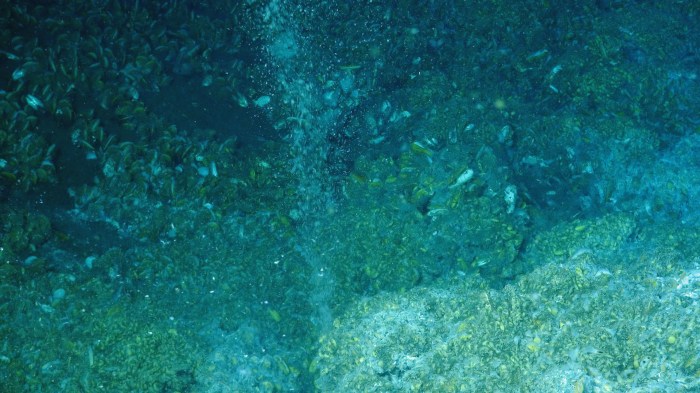
Harnessing the power of viruses to combat methane emissions presents a promising, albeit complex, strategy. The natural ability of certain viruses to infect and control microbial populations offers a potential pathway to mitigate this potent greenhouse gas. This approach, though still in its early stages, holds significant promise for developing environmentally friendly solutions to methane reduction.The intricate interplay between microbes and viruses, and their impact on methane production, is a key focus in this approach.
Understanding the specific mechanisms of viral action on methane-producing microbes is crucial for optimizing their potential and mitigating any unforeseen ecological consequences.
Viral Mechanisms for Methane Reduction
Methane-producing microbes, predominantly archaea in the genusMethanosarcina*, are vulnerable to infection by specific bacteriophages. These viruses recognize and target specific receptors on the surface of their host cells, leading to the disruption of vital cellular processes and ultimately, the death of the methane-producing microbe. The precise mechanisms vary based on the specific viral type, but a common theme is the hijacking of the host’s cellular machinery for viral replication, effectively incapacitating the cell’s ability to produce methane.
Different Viral Types and Methane Reduction Potential
Bacteriophages, viruses that infect bacteria, are the primary agents being explored. Various types of bacteriophages exhibit different efficiencies in targeting and eliminating methane-producing archaea. Phages with a lytic life cycle, which leads to the immediate lysis (bursting) of the host cell, are generally more effective at quickly reducing methane production in a given environment. Conversely, temperate phages, which can integrate their genetic material into the host’s genome, might offer a more long-term, sustained reduction but might have less immediate impact.
Specific Microbial Targets for Methane-Reducing Viruses
Identifying and characterizing the specific methane-producing microbes (primarilyMethanosarcina* species) that are susceptible to infection by particular bacteriophages is critical. The success of this approach hinges on accurately identifying the target microbes and tailoring the viral attack to these specific organisms. This involves extensive research into the genetic makeup and physiological characteristics of both the target microbes and the viruses capable of infecting them.
Potential Environmental Risks of Viral Introduction
Introducing any new biological agent into an ecosystem carries potential risks. A key concern is the potential impact on other microbial communities, not just those producing methane. Unforeseen consequences could arise if the introduced viruses affect non-target organisms or disrupt the intricate balance of the ecosystem. Detailed ecological studies are crucial to assess the broader impact of introducing methane-reducing viruses and minimize potential harm.
Experimental Studies Exploring Viral Methane Control
Several experimental studies have investigated the use of bacteriophages to control methane production. These studies typically involve introducing isolated phages into laboratory or controlled field environments to observe their effects on methane-producing microbial populations. Results from these experiments can offer insight into the efficacy and safety of this approach. For instance, a study in a rice paddy environment might show significant reduction in methane emissions when specific phages are introduced.
Summary Table of Viral Methane Control Strategies
| Virus Type | Target Microbe | Mechanism of Action | Potential Outcomes |
|---|---|---|---|
| Lytic Bacteriophage | *Methanosarcina barkeri* | Direct lysis of host cell through viral replication, disrupting methane production. | Potentially rapid and significant reduction in methane emissions, but potential for unintended consequences. |
| Temperate Bacteriophage | *Methanosaeta concilii* | Integration of viral DNA into host genome, potentially altering host metabolism and slowing methane production. | Potentially sustained reduction, but slower onset and less predictable outcome. |
| Unknown Bacteriophage | *Methanosarcina mazei* | Unclear mechanisms, but potentially targeting unique metabolic pathways. | Potential for significant reduction, but further research required. |
Seaweed Diets and Methane Emissions
Seaweed, a vibrant and diverse group of marine algae, is increasingly recognized for its potential to mitigate environmental concerns, including greenhouse gas emissions. Its incorporation into livestock diets has emerged as a promising strategy to reduce methane production, a potent contributor to climate change. This approach holds significant promise for sustainable agricultural practices. Research into seaweed’s effects on methane emissions is rapidly expanding, offering new avenues for reducing the environmental impact of animal agriculture.Seaweed’s ability to influence methane emissions stems from its unique chemical composition and its impact on the digestive processes of livestock.
The complex carbohydrates and bioactive compounds in seaweed can alter the gut microbiome of animals, leading to changes in microbial activity that affect methane production. By potentially modifying the gut environment, seaweed can significantly influence the overall output of methane from livestock. This is a promising area of research, with potential benefits extending beyond reducing methane to enhancing overall animal health and well-being.
Mechanisms of Methane Reduction in Livestock
Seaweed’s impact on methane production in livestock is multifaceted. Research suggests that seaweed can affect the microbial populations in the rumen, the first compartment of the stomach in ruminant animals. These changes can lead to a decrease in methanogenic archaea, the microorganisms responsible for producing methane. The complex carbohydrates in seaweed can also alter the fermentation processes in the rumen, indirectly impacting methane production.
Furthermore, seaweed can provide essential nutrients that enhance the overall health and well-being of livestock, contributing to a healthier gut environment that might also decrease methane production.
Nutritional Value of Seaweed for Livestock, How scientists are tackling methane emissions with killer viruses and seaweed diets
Seaweed is a rich source of essential nutrients like vitamins, minerals, and dietary fiber. These nutrients can positively impact the health and productivity of livestock. For instance, seaweed is known for its high content of iodine, which is crucial for thyroid function. A healthy thyroid function, in turn, can improve overall animal health and well-being. Furthermore, the dietary fiber content in seaweed can improve digestive health, contributing to a more efficient utilization of feed and potentially impacting methane production.
This multifaceted approach offers a sustainable way to reduce emissions while enhancing animal health.
Impact of Different Seaweed Types
Various seaweed species exhibit varying degrees of potential effectiveness in reducing methane emissions. The specific chemical composition and bioactive compounds present in different types of seaweed may play a crucial role in their effectiveness. Further research is needed to fully understand the comparative impact of different seaweed types on methane production. Currently, studies are focused on exploring the different effects of seaweed species, aiming to identify the most effective types for livestock feed.
Comparative Analysis of Seaweed Types
| Seaweed Type | Livestock Type | Impact on Methane Emissions | Supporting Evidence |
|---|---|---|---|
| Ulva lactuca (Sea Lettuce) | Cattle | Potential reduction in methane emissions | Some studies show a decrease in methane production in cattle fed seaweed-based diets. |
| Laminaria digitata (Kelp) | Sheep | Potential reduction in methane emissions | Research suggests kelp can alter the rumen microbiome, potentially decreasing methane production in sheep. |
| Ascophyllum nodosum (Knotted wrack) | Pigs | Limited research, further studies needed | Limited data currently available regarding its impact on methane emissions in pigs. |
| Chondrus crispus (Irish moss) | Poultry | Potential for improvement in gut health and feed efficiency | Some studies suggest potential benefits in terms of feed efficiency and overall animal health. |
Integration and Synergies of Approaches
Harnessing the power of both viral and seaweed-based strategies offers a potent combination for mitigating methane emissions. This approach acknowledges the multifaceted nature of the problem and recognizes that a single solution is unlikely to suffice. Combining these approaches allows for a more comprehensive and potentially more effective strategy. The integration of these methods could lead to significant reductions in methane emissions, bolstering our efforts in tackling climate change.Seaweed cultivation and viral intervention are not mutually exclusive but rather complementary methods.
By working together, they can offer enhanced results. The specific details of how they synergize depend on the specific circumstances of their application, whether that’s in agricultural practices or in specific ecosystems.
Scientists are exploring innovative ways to combat methane emissions, from using killer viruses to engineer seaweed diets for livestock. It’s fascinating stuff, but sometimes I just need a little tech break. Speaking of breaks, did you know there’s a potential Samsung Galaxy S24 FE preorder deal that might snag you $400 off? This article details how to get in on the action.
Hopefully, with this amazing deal, my next scientific breakthrough will be easier to afford and more accessible. Back to the fascinating world of methane solutions, though – it’s a big problem needing innovative thinking, like using viruses and seaweed to make a difference.
Potential Synergies
Seaweed farming can be integrated with viral interventions in various ways. For example, seaweed farms could be strategically located near livestock or agricultural areas where methane emissions are significant. The seaweed, acting as a carbon sink, could absorb some of the excess methane. Meanwhile, the introduction of methane-consuming viruses could target specific sources of emissions within the system, like the digestive tracts of livestock.
This dual approach would enhance the overall effectiveness of methane emission mitigation.
Combined Strategies for Enhanced Mitigation
Implementing a combined strategy requires careful planning and execution. The precise approach will vary depending on the specific context, such as the type of agriculture, the location, and the type of seaweed or virus used.
Scientists are getting creative with tackling methane emissions, experimenting with everything from killer viruses to seaweed diets. These innovative approaches are fascinating, but advancements in AI, like those explored in modifying Amazon Alexa Echo devices to understand sign language gestures, are also changing the world. This technology, demonstrated in projects like amazon alexa echo mod sign language gestures ai , shows the potential for AI to improve communication and accessibility.
Ultimately, though, the focus returns to the environmental impact, and finding solutions like seaweed-based methane reduction strategies will be crucial for a sustainable future.
- Phased Implementation: Begin with pilot projects in targeted areas. Assess the effectiveness of the seaweed and viral interventions individually, then combine them to understand the synergistic effects. Early adoption in specific areas could allow for fine-tuning and optimization of the methods. For example, a pilot project could involve introducing specific seaweed species in a small area of a farm while simultaneously implementing a targeted viral approach in livestock.
- Data Collection and Analysis: Rigorous monitoring and data collection are crucial to evaluate the effectiveness of the combined approach. Metrics for success should include reductions in methane emissions, improvements in water quality, and overall environmental health. For instance, measuring methane concentrations in the air and water around farms, analyzing the growth of seaweed and the prevalence of the viruses, and assessing the health of livestock would provide valuable data.
- Ecosystem-Based Solutions: Integrating these approaches into existing agricultural or ecological systems is crucial. The goal is to design a holistic solution that considers the entire system, from the source of methane to its eventual fate in the environment. For instance, integrating seaweed farms into existing farming systems or using viruses in conjunction with sustainable agricultural practices could create a more comprehensive approach.
Practical Implementation and Scale-up
Successful implementation and scale-up require addressing key challenges related to cost, infrastructure, and regulatory frameworks.
- Financial Incentives and Subsidies: Governments can provide financial incentives and subsidies to encourage farmers and other stakeholders to adopt these integrated strategies. For example, tax breaks or grants for farms incorporating seaweed farms could encourage adoption.
- Infrastructure Development: Adequate infrastructure for seaweed cultivation and virus application is necessary. This includes access to water, land, and appropriate technologies. This could involve establishing specific seaweed farm areas with the necessary facilities and infrastructure.
- Regulatory Frameworks: Clear and supportive regulatory frameworks are essential to facilitate the adoption of these methods. These frameworks should consider the environmental impact, potential risks, and benefits of these interventions. This might involve regulations regarding the use of specific seaweed varieties and the introduction of viruses, ensuring public safety and environmental protection.
Potential Challenges
Integrating these strategies presents certain challenges that need careful consideration.
- Cost-Effectiveness: The initial investment and ongoing costs associated with seaweed cultivation and viral interventions might be a barrier to widespread adoption. A cost-benefit analysis needs to be performed to demonstrate the long-term financial viability of these approaches.
- Environmental Impact: The potential environmental impact of introducing new organisms into existing ecosystems needs careful assessment. Testing and monitoring are crucial to minimize risks and maximize benefits.
- Public Acceptance: Addressing public concerns and misconceptions about the use of viruses in agriculture and the cultivation of seaweed is crucial for widespread adoption. Transparency and communication are key to building public trust and acceptance.

“Tackling the methane problem requires a holistic approach that integrates diverse strategies, including viral interventions and seaweed-based solutions. A combined approach can maximize impact and minimize risks.”
Potential Environmental Impacts: How Scientists Are Tackling Methane Emissions With Killer Viruses And Seaweed Diets

Unleashing the power of viruses and seaweed to curb methane emissions holds immense promise, but careful consideration of potential environmental impacts is crucial. While these strategies aim to mitigate a significant global threat, unintended consequences could arise. We must understand the intricate web of life and the potential repercussions before widespread deployment. The ecological balance is delicate, and unforeseen interactions could lead to unforeseen challenges.
Ecological Consequences of Viral Deployment
The introduction of any novel biological agent into an environment necessitates thorough assessment of potential ecological consequences. Viral agents, while highly specific in their targeting of methane-producing microbes, could have unforeseen effects on the wider microbial community. Disrupting a specific microbial population could potentially alter the delicate balance of the ecosystem. For instance, if a viral agent targets methanogens in a specific environment, it might also inadvertently impact other microbial communities that rely on them or that share the same niche.
Impact on Biodiversity
The deployment of viruses to reduce methane emissions could impact biodiversity in various ways. Methanogens are a vital part of many ecosystems, particularly in wetlands and anaerobic environments. Changes in their populations could lead to cascading effects on other organisms that rely on them for food or habitat. For example, certain species of animals in wetlands might experience a food source reduction if the methanogens they rely on are reduced in number.
Similarly, the use of seaweed in agricultural practices or as a biofuel source may affect the existing aquatic ecosystems and biodiversity. The impact will vary greatly depending on the specific species of seaweed used and the environment where it’s cultivated. Detailed studies are needed to predict and minimize these potential consequences.
Long-Term Effects on Soil and Water Quality
Long-term effects of these strategies on soil and water quality are crucial factors to consider. Viral deployment might alter the composition of soil microbial communities, potentially impacting nutrient cycling and soil fertility. Changes in water quality could also arise if viruses are introduced into aquatic systems. Changes in water quality could also arise if seaweed farms are established, with potential impacts on water clarity, nutrient levels, and oxygen concentrations.
For example, excessive nutrient runoff from seaweed farms could lead to algal blooms, negatively impacting water quality and potentially harming aquatic life.
Mitigation Strategies and Monitoring Needs
| Strategy | Potential Impact | Mitigation Strategy | Monitoring Needs |
|---|---|---|---|
| Viral Deployment | Disruption of microbial communities, potential impact on biodiversity | Careful selection of viruses targeting only specific methane-producing microbes, thorough environmental impact assessments, and continuous monitoring of target and non-target populations. | Regular monitoring of microbial communities in the targeted environment (e.g., wetlands), tracking changes in biodiversity indicators, and assessing water quality parameters. |
| Seaweed Diets | Potential impacts on water quality, disruption of aquatic ecosystems | Sustainable seaweed farming practices, careful consideration of the specific seaweed species, and mitigation of nutrient runoff. | Monitoring water quality parameters (e.g., nutrient levels, oxygen levels, turbidity), tracking changes in aquatic biodiversity, and evaluating the long-term effects on the surrounding environment. |
Future Research Directions
The quest to mitigate methane emissions necessitates a forward-thinking approach, focusing on refining existing strategies and exploring novel avenues. Understanding the long-term consequences of interventions, coupled with testing across diverse environments, is crucial for ensuring the efficacy and sustainability of these solutions. This section Artikels critical areas for future research, emphasizing the importance of rigorous experimentation and a holistic perspective on the complex interplay of biological and environmental factors.
Long-Term Impacts of Methane Mitigation Strategies
Assessing the long-term consequences of introducing methane-reducing agents into ecosystems is paramount. This entails monitoring the impact on microbial communities, including the potential for unforeseen shifts in biodiversity and ecosystem function. Furthermore, research must investigate the potential for the introduced agents to accumulate in the environment, influencing other ecological processes. The potential for unforeseen consequences in the long term demands meticulous monitoring and modeling.
For example, the introduction of a new virus to control a specific methane-producing bacteria could, in the long run, lead to an imbalance in the microbial community, potentially disrupting other vital processes within the ecosystem.
Testing in Diverse Ecosystems and Environmental Conditions
The efficacy of methane mitigation strategies cannot be reliably predicted based solely on laboratory experiments. Field trials in various ecosystems—from wetlands to rice paddies to landfills—are crucial for understanding how these interventions perform under real-world conditions. This encompasses diverse geographical locations and environmental factors, including variations in temperature, precipitation, and nutrient availability. This comprehensive testing is essential to ensure the strategies’ adaptability and sustainability in different settings.
For instance, the effectiveness of a specific seaweed strain in reducing methane emissions in a temperate wetland might differ significantly from its performance in a tropical rice paddy. Factors such as water temperature, salinity, and nutrient levels could influence the outcomes.
Developing More Effective and Sustainable Methane Mitigation Strategies
Developing more effective and sustainable methane mitigation strategies requires integrating multiple approaches. This involves examining synergistic interactions between viral agents and seaweed diets, optimizing application methods for maximizing impact, and minimizing potential environmental risks. For example, a combination of targeted viral treatments with optimized seaweed cultivation could lead to a more robust and sustainable methane reduction strategy. Furthermore, researching the potential for genetically modifying seaweed to enhance methane-reducing capabilities presents a promising avenue.
Research Questions to Guide Future Investigations
- What are the long-term effects of viral agents on the biodiversity and stability of methane-producing microbial communities in various ecosystems?
- How can we optimize the application methods of viral agents and seaweed diets to maximize methane reduction while minimizing ecological disruptions?
- What are the synergistic effects of combining viral agents and seaweed diets in different ecosystems, and how can we maximize their effectiveness?
- How can we assess the potential for the accumulation of introduced agents in the environment and their potential impact on other ecological processes?
- How can we predict and mitigate potential risks associated with introducing novel agents into complex ecosystems, and how can we ensure the sustainability of these interventions?
Concluding Remarks
In conclusion, the innovative use of viruses and seaweed to combat methane emissions offers a promising path toward mitigating climate change. While significant challenges remain, the potential for these strategies to reduce methane output is undeniable. Further research and development, along with careful consideration of potential environmental impacts, are crucial for realizing the full potential of these approaches.
A holistic approach encompassing various strategies will be necessary for effective methane mitigation.