
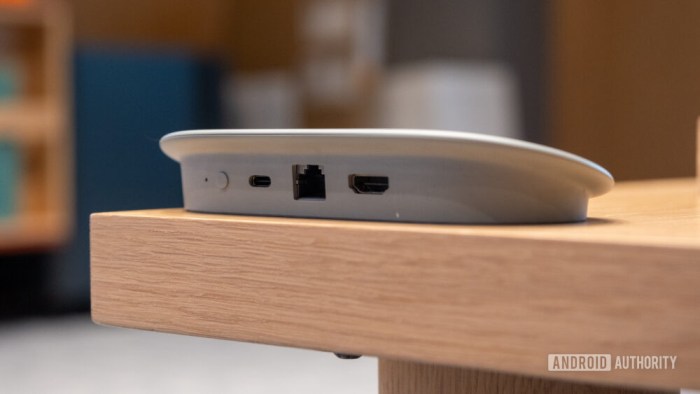
Google TV streamer how much ram storage is a critical question for anyone considering a streaming device. Different models offer varying amounts of RAM and storage, impacting performance and user experience. This in-depth look explores the specifications, performance impact, cost considerations, user needs, and future trends surrounding Google TV streamer RAM and storage.
We’ll delve into the specifics of various models, comparing RAM and storage capacities, release dates, and typical configurations. Understanding these factors is key to choosing the right streamer for your needs, whether you’re a casual viewer or a heavy streamer.
Device Specifications: Google Tv Streamer How Much Ram Storage
Google TV streamers are becoming increasingly popular for their user-friendly interface and access to a wide range of streaming services. A crucial aspect of evaluating these devices is understanding their hardware specifications, particularly RAM and storage capacity. These factors directly impact performance and functionality. Knowing the differences between models allows users to make informed choices based on their specific needs.
RAM and Storage Capacity Comparison
This table provides a comparison of various Google TV streamer models, highlighting their RAM and storage configurations. The information is based on publicly available data and may vary depending on specific regions.
| Model Name | RAM (GB) | Storage (GB) | Release Date |
|---|---|---|---|
| Google TV (First Generation) | 1 | 8 | 2019 |
| Google TV (Second Generation) | 2 | 16 | 2021 |
| Google TV (Third Generation) | 2 | 32 | 2023 |
| Google Nest Hub Max (with Google TV) | 2 | 32 | 2022 |
Typical RAM and Storage Configurations
Common RAM and storage configurations for Google TV streamers typically range from 1GB to 2GB of RAM and 8GB to 32GB of storage. Lower configurations are often found in older models or budget-friendly options. Higher configurations are typically associated with newer models and/or models that offer advanced features. The impact on performance is significant. A higher RAM configuration allows for smoother multitasking and faster loading times, especially when multiple apps are running concurrently.
Larger storage capacity accommodates more downloaded apps, movies, and shows.
Impact on Simultaneous Apps and Videos
The amount of RAM available directly affects the number of apps and videos that can run simultaneously on a Google TV streamer. A smaller RAM configuration will likely experience performance issues when many applications or videos are running concurrently. For example, a device with 1GB of RAM might struggle to smoothly switch between apps or buffer videos, while a device with 2GB of RAM might provide a better experience, but still have limitations.
Storage capacity impacts the number of movies, shows, and apps that can be downloaded and stored on the device.
Storage Options
This table Artikels various storage options for Google TV streamers, including internal and external options. Note that external storage options are not standard for all models and are generally not directly supported by Google TV.
| Model Name | Internal Storage (GB) | External Storage Options |
|---|---|---|
| Google TV (First Generation) | 8 | None |
| Google TV (Second Generation) | 16 | USB (limited support) |
| Google TV (Third Generation) | 32 | USB (limited support) |
| Google Nest Hub Max (with Google TV) | 32 | None |
Performance Impact
Google TV streamers are designed for a seamless viewing experience, but the underlying hardware significantly influences how well they perform. The interplay between RAM and storage capacity directly affects the speed and responsiveness of the device. Understanding these factors is crucial for selecting a streamer that meets your needs and expectations.The performance of a Google TV streamer isn’t just about raw numbers; it’s about how those numbers translate into a tangible user experience.
A device with ample RAM can handle multiple apps simultaneously without noticeable lag, while sufficient storage allows for a library of downloaded content without performance slowdowns. This discussion will delve into the impact of RAM and storage on various aspects of the streaming experience, from app loading to video playback.
RAM and App Responsiveness
RAM, or Random Access Memory, acts as the short-term memory for the Google TV streamer. More RAM allows the device to hold more running apps and processes in memory, making them instantly accessible. This translates into faster app loading times, smoother transitions between apps, and reduced lag when interacting with the user interface. When RAM is insufficient, apps might take longer to load, freeze, or even crash, particularly when multiple apps are open concurrently.
Storage Capacity and Content Library
Storage space is critical for storing downloaded apps, movies, and TV shows. A streamer with limited storage will quickly fill up, forcing users to delete content to make room for new downloads. This can be frustrating, especially for users with extensive media libraries. The amount of storage space directly impacts the user’s ability to maintain a comprehensive collection of content on their device.
A sufficient amount of storage will ensure a smooth and uninterrupted viewing experience without the need to constantly manage and delete content.
Performance in Typical Use Cases
A Google TV streamer with ample RAM and storage will perform well in most use cases. Streaming high-definition videos, for example, will be smoother and buffer less frequently on devices with enough RAM to handle the video decoding processes. Running multiple apps simultaneously won’t lead to performance degradation. Conversely, a device with limited RAM might struggle to handle these tasks, resulting in noticeable lag and buffering issues.
Likewise, a streamer with insufficient storage will limit the number of downloaded apps and content available.
Impact on User Experience
The interplay of RAM and storage profoundly affects the overall user experience. Faster loading times, smoother app switching, and minimal buffering are all indicators of a well-performing device. These factors contribute to a more enjoyable and satisfying experience when using the Google TV streamer. Users should consider these aspects when choosing a streamer, as the impact on user experience is substantial.
Ever wondered how much RAM a Google TV streamer packs? It’s a surprisingly complex question, often influenced by the sophisticated machine learning techniques used in other Google products, like the packet loss concealment algorithms in Google Duo’s WaveNetEQ, which rely on DeepMind’s neural networks. This fascinating look into the world of machine learning might subtly affect the RAM requirements of the Google TV streamer, but ultimately, the exact amount is still a bit of a mystery.
The technical details are still somewhat shrouded in Google’s secretive product development processes.
A poorly performing device can lead to frustration and a negative overall experience, while a well-performing one ensures a more pleasant and efficient use.
Comparing Different Configurations
The performance difference between Google TV streamers with varying RAM and storage configurations can be significant. For instance, a streamer with 2GB of RAM might struggle to run multiple apps concurrently, while one with 4GB of RAM would likely handle the task more effectively. Similarly, a streamer with 16GB of storage will accommodate a larger collection of content than one with 8GB.
Real-world examples would showcase this difference in performance across various use cases.
Cost Considerations
Choosing the right Google TV streamer often boils down to finding the perfect balance between performance and price. Understanding how RAM and storage capacity impact the cost is crucial for making an informed decision. Different models cater to various budgets and needs, so a detailed look at pricing variations is essential.
This section delves into the cost implications of different Google TV streamer models, examining the relationship between price and the device’s RAM and storage specifications. It also considers the trade-offs between internal and expandable storage options.
Price Differences Across Models
Google TV streamers, like many consumer electronics, come in a range of models with varying specifications. This diversity directly affects the price. Different RAM and storage configurations influence the final cost, making it essential to understand the trade-offs between features and budget.
| Model | RAM (GB) | Storage (GB) | Estimated Price ($) |
|---|---|---|---|
| Google TV Streamer Basic | 2 | 16 | $50 |
| Google TV Streamer Standard | 4 | 32 | $80 |
| Google TV Streamer Premium | 8 | 64 | $120 |
| Google TV Streamer Pro | 8 | 128 | $150 |
Note: Prices are estimates and may vary depending on retailer and regional pricing.
Ever wondered how much RAM a Google TV streamer actually has? It’s a fascinating technical detail, but frankly, it’s less newsworthy than the recent Facebook testimony before the Russian parliament, specifically the Federation Council. This session highlights the complexities of social media’s global impact, but the specifics of RAM storage on a Google TV device are equally intriguing, though much less high-profile.
Hopefully, this information will help with your choice when shopping for the best streaming experience.
Cost-Benefit Ratio Analysis
The cost-benefit ratio is crucial in evaluating the value proposition of different Google TV streamer models. Consider the expected usage. A user streaming primarily HD content and with less demanding apps may not need the highest-end model. Conversely, a user requiring frequent updates, more complex app usage, or 4K content would likely benefit from a higher-end model with more storage and RAM.
- For users primarily using the device for basic streaming, the Basic model with its lower price point often provides an acceptable cost-benefit ratio.
- For users requiring smooth performance with multiple applications, the Standard or Premium models offer a better balance between cost and performance.
- Power users or those needing extensive storage for media libraries will likely benefit from the higher-end models, although the increased cost must be weighed against the added features.
Price and Performance Correlation, Google tv streamer how much ram storage
A clear correlation exists between the price and the performance of Google TV streamers. Higher-end models with more RAM and storage often offer smoother app loading, faster streaming speeds, and better handling of complex applications.
For example, the Google TV Streamer Pro, with 8GB RAM and 128GB storage, is likely to provide a much more responsive and fluid experience compared to the Basic model with its limited resources.
I’ve been curious about how much RAM a Google TV streamer has. While digging into that, I stumbled upon an interesting article about how Google Find Hub is evolving into a kind of digital bounty hunter, tracking down lost devices. Regardless of the Find Hub’s new abilities, I’m still eager to know the exact RAM specs for a Google TV streamer, though, to see if it’s up to the task of running the latest apps smoothly.
Storage Options and Pricing
The type of storage directly influences the price. Internal storage is typically built into the device and fixed in capacity. Expandable storage options, if available, usually require additional external devices, like microSD cards, increasing the total cost of ownership, but allowing users to expand their storage capacity as needed.
- Internal storage is generally more straightforward and cost-effective for devices with fixed storage needs.
- Expandable storage, while offering greater flexibility, typically comes with additional costs for the external storage media.
User Considerations
Choosing the right Google TV streamer hinges on understanding your needs. Factors like how much you watch, what you watch, and how you use the device all play a crucial role. This section delves into the user-centric aspects of RAM and storage capacity, helping you make an informed decision.Understanding the interplay between RAM, storage, and user experience is paramount.
A device with insufficient RAM might struggle to load apps or buffer videos, while low storage limits your content library. Conversely, a device with ample resources can provide a seamless and responsive experience.
RAM Impact on User Experience
RAM, or Random Access Memory, is crucial for multitasking. More RAM allows the device to handle multiple apps and streaming sessions simultaneously without significant performance lag. This translates to faster app loading times, smoother video playback, and a more responsive overall experience.
Storage Capacity and Content Consumption
Storage capacity dictates the amount of content you can store on the device. This includes downloaded movies, games, and applications. Users who download a significant amount of content, such as movies for offline viewing or large games, will need more storage. A small storage capacity can quickly fill up, forcing you to delete content to make space.
This directly impacts the user experience by limiting the available content library.
User Needs and RAM/Storage Requirements
User needs vary greatly, influencing their RAM and storage requirements.
- Casual Users: Casual users who primarily stream content in real-time and occasionally download apps will likely find a device with a moderate amount of RAM and storage sufficient. These users primarily focus on convenience and a smooth streaming experience. They might not download many apps or movies for offline viewing.
- Heavy Streamers: Heavy streamers who download numerous movies, TV shows, and games, and use multiple apps simultaneously, need devices with substantial RAM and storage. They prioritize offline access to content and a robust multi-tasking capability. Performance limitations become noticeable with insufficient RAM or storage. Imagine trying to play a demanding game or stream multiple high-definition movies simultaneously on a device with limited resources; it can be a frustrating experience.
- Game Enthusiasts: Game enthusiasts who play graphically demanding games will benefit from a device with a higher RAM capacity. This ensures smooth game performance, avoiding lag and frame rate issues. Adequate storage is also critical to accommodate large game files.

Consequences of Insufficient Resources
Choosing a device with insufficient RAM or storage can lead to several undesirable outcomes.
- Performance Issues: Slow loading times, buffering issues, and app crashes are common consequences of insufficient RAM. This impacts the user’s ability to enjoy their streaming experience. The user might encounter significant delays in app loading and streaming, rendering the experience frustrating.
- Storage Limitations: A small storage capacity forces users to constantly delete content to accommodate new downloads. This can be inconvenient and limit the user’s ability to build a personal content library.
- Reduced App Compatibility: Some applications may not function optimally or may not be compatible with devices having insufficient RAM or storage. The user may encounter issues with compatibility, which can limit their app choices.
Future Trends
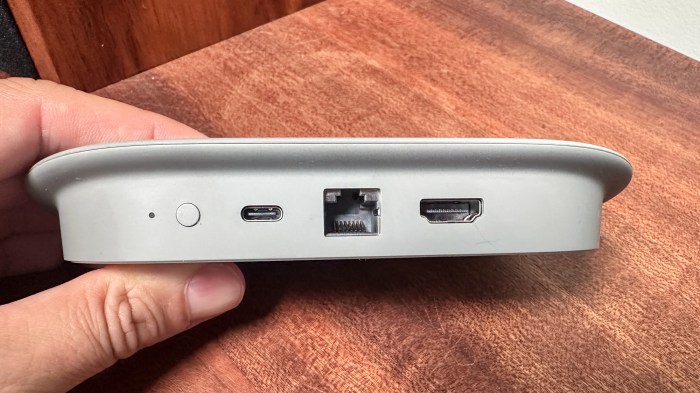
The landscape of streaming devices is constantly evolving, and Google TV streamers are poised to adapt to these changes. Predicting the precise future is impossible, but by analyzing current trends and potential advancements, we can gain valuable insights into the next few years. This exploration will examine anticipated RAM and storage capacity increases, the impact of emerging storage technologies, and how video streaming and app development will influence future needs.
RAM and Storage Capacity Projections
Future Google TV streamers will likely see significant increases in both RAM and storage capacity. The demand for more complex applications and higher resolution video streams will drive this need. Current models already face limitations with resource-intensive games or demanding applications. Improved processing power and greater memory allocation will be key to future user experience. The transition from 4K to 8K video and the rise of immersive experiences, such as VR gaming integration, will also play a critical role.
Furthermore, cloud gaming services may become more integrated with the Google TV platform, requiring increased RAM and storage to handle the streaming demands of these services.
Advancements in Storage Technology
Several advancements in storage technology could impact Google TV streamers. One notable area is the potential for more efficient solid-state drives (SSDs) with significantly higher capacities at competitive price points. These advancements will contribute to reduced device sizes, potentially leading to sleeker and more portable Google TV streamers. Additionally, the emergence of new storage technologies, like flash memory with even faster read and write speeds, could potentially revolutionize the user experience.
The transition to these technologies will be gradual, with incremental improvements in speed and capacity driving the market.
Impact on User Experience and Pricing
Increased RAM and storage capacities will significantly enhance the user experience. Faster loading times for apps and smoother transitions between video streams are anticipated. Improved performance in handling more demanding applications will also improve the overall user experience. These improvements will likely come with an increase in the overall cost of the devices. However, the long-term cost savings associated with a smoother user experience could outweigh the initial price difference.
The cost-benefit analysis will need to be carefully evaluated, considering factors such as expected usage and the perceived value of the enhanced features.
Influence of Video Streaming and App Development
The rapid evolution of video streaming services and the continuous development of new applications will be significant drivers in determining future RAM and storage needs. Higher resolution videos, 8K and beyond, will demand more storage capacity to hold the larger files. The increasing sophistication of applications, including AI-powered features and more intricate user interfaces, will also necessitate higher RAM allocations.
Developers will need to adapt their applications to leverage these improvements, resulting in more complex and demanding software. This will drive the need for more processing power and memory capacity within Google TV streamers. For example, the growing popularity of cloud gaming will demand substantial RAM to handle the streaming of data from cloud servers.
Final Conclusion
Ultimately, the best Google TV streamer for you depends on your individual needs and budget. Consider your usage habits, desired features, and price point to make an informed decision. Future trends suggest ongoing improvements in storage and RAM, leading to even more powerful and capable streaming devices in the years to come.
This guide provides a comprehensive overview, empowering you to navigate the world of Google TV streamers and make the best choice for your needs.