



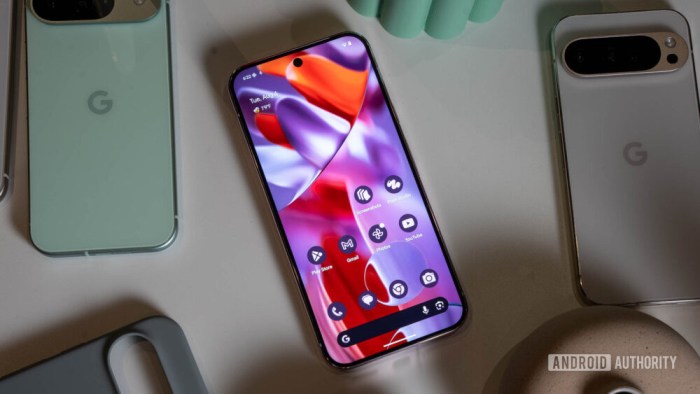
Google is keeping some of androids best features behind a pixel paywall – Google is keeping some of Android’s best features behind a Pixel paywall, creating a frustrating divide between Pixel owners and everyone else. This article delves into the specifics of these locked features, exploring the impact on the user experience, comparing Google’s approach to other platforms, and examining potential alternatives and future implications.
The practice of restricting certain Android features to Pixel devices raises questions about fairness and accessibility. We’ll analyze the technical implementation of these paywalls, explore public reaction, and consider the long-term effects on Android’s overall ecosystem.
Overview of Pixel Paywalls
Google’s Android operating system, while open-source and available to a wide range of manufacturers, has seen some premium features restricted to Google’s Pixel devices. This practice, often referred to as “Pixel paywalls,” involves reserving certain functionalities or enhancements for Pixel smartphones. This approach allows Google to differentiate its flagship devices while potentially maintaining a higher quality user experience.These restrictions aren’t simply about branding; they often stem from the unique hardware and software integration that Google can control and optimize on its Pixel devices.
This tighter integration can lead to better performance and efficiency, which some users value. However, this exclusion of features for non-Pixel users raises questions about the overall Android ecosystem’s inclusivity.
Specific Features Behind the Paywall
The features currently subject to these restrictions vary, but they often revolve around camera capabilities, performance enhancements, and software polish. The precise list of restricted features can change over time, and Google does not provide a comprehensive and publicly updated list.
Different Tiers of Access for Non-Pixel Users
Users with non-Pixel Android devices typically do not have access to the enhanced features found in Pixel models. There are no specific tiers or levels of access that grant varying degrees of the restricted features to non-Pixel devices. Instead, the complete feature set is only available on Pixel phones.
Comparison of Pixel and Non-Pixel Features
| Feature | Pixel Version | Non-Pixel Version |
|---|---|---|
| Advanced Night Sight | Utilizes unique image processing and sensor calibration for superior low-light photography, offering significantly better details and reduced noise compared to non-Pixel phones. | Non-Pixel devices may have night mode, but the quality often falls short in terms of detail, noise reduction, and overall image clarity. |
| Real-time Translation | Leverages Pixel’s advanced machine learning capabilities for seamless and accurate real-time translation. This function is generally more accurate and less prone to errors than alternatives. | Non-Pixel devices may offer translation features, but the quality and accuracy may vary significantly depending on the language and context. Real-time translation on non-Pixel devices might also be limited by processing power or lack of integration. |
| Advanced Motion Tracking | Offers exceptionally smooth and accurate motion tracking, often crucial for demanding games and video applications. | Non-Pixel devices may provide motion tracking features, but the responsiveness and accuracy might be less refined compared to Pixel’s approach. |
Impact on User Experience
Google’s decision to place some Android features behind a Pixel paywall significantly impacts the user experience for all Android users, creating a tiered system that benefits Pixel owners while potentially hindering the overall Android ecosystem. This strategy raises questions about equity and access to key functionalities, especially for those who don’t opt for Pixel devices. The implications extend beyond simple feature access, potentially affecting the overall appeal and desirability of the Android platform.This paywalled approach fundamentally alters the Android user experience, creating a noticeable difference between Pixel and non-Pixel users.
Google’s holding back some of Android’s best features behind a Pixel paywall, which is a real bummer. It’s like they’re trying to make us pay extra for the good stuff. Meanwhile, checking out the Demons Souls PS5 Deluxe Edition bonus items and soundtrack, demons souls ps5 deluxe edition bonus items soundtrack , might be a good distraction.
But honestly, it just highlights how Google is prioritizing premium features for a select group, leaving the rest of us with the short end of the stick.
The unified Android experience is fragmented, and the core principles of open-source and accessibility are challenged. This shift toward a more exclusive model may alienate existing Android users and discourage new users from adopting the platform.
Differentiated User Experiences
The paywall strategy creates a stark contrast in user experiences between Pixel and non-Pixel users. Pixel users gain access to a wider array of functionalities and advanced features, while non-Pixel users are restricted. This disparity in access directly impacts the level of satisfaction and perceived value of the Android ecosystem.
- Pixel users enjoy exclusive access to enhanced camera modes, specialized image processing, and more advanced performance tuning, leading to a potentially superior photographic experience and overall device performance.
- Non-Pixel users experience limitations in these areas, potentially resulting in a less refined user experience compared to their Pixel counterparts. This difference in quality of experience can affect user satisfaction and loyalty to the Android platform.
Potential Negative Consequences
The paywall strategy may have several negative consequences for Android users. Reduced user satisfaction, a widening gap in access to features, and diminished perceived value of the Android platform are all potential downsides.
- Reduced User Satisfaction: Limiting access to key features can lead to frustration and dissatisfaction among users who rely on these functions. This can translate into a lower perceived value of the Android ecosystem and decreased user loyalty.
- Widening Gap in Feature Access: The tiered approach exacerbates the existing gap between Pixel and non-Pixel users. This differentiation may lead to a sense of inequity and diminished satisfaction among non-Pixel users.
- Diminished Perceived Value: If users perceive that key features are inaccessible or less refined on non-Pixel devices, the overall value proposition of the Android platform could decrease. This could lead to a decline in the appeal of Android devices.
Evaluating User Satisfaction
Evaluating user satisfaction in the face of a Pixel paywall requires a multifaceted approach that considers both Pixel and non-Pixel user experiences. Surveys, focus groups, and analysis of user feedback can provide valuable insights.
- Surveys targeting both Pixel and non-Pixel users can collect quantitative data on satisfaction levels and feature usage. Questions about the perceived value of features, the overall user experience, and their willingness to pay for premium features can provide valuable feedback.
- Focus groups, particularly those composed of users who are representative of the broader Android user base, can offer qualitative insights into the impact of the paywall on their experience. These groups can provide deeper understanding of the user’s emotional response and the specific impact of paywalled features.
- Analyzing user feedback, such as comments on online forums, reviews, and social media posts, can reveal trends in user sentiment and identify areas of concern. Monitoring and analyzing this feedback can provide real-time insight into user reactions to the paywall strategy.

Comparison to Other Platforms
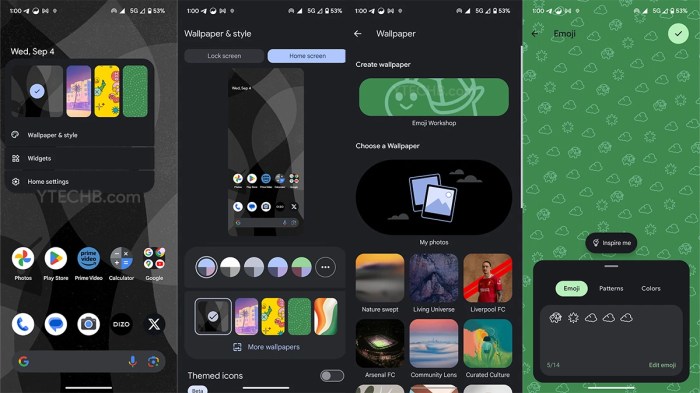
Google’s Pixel paywall strategy, while unique in its approach to Android, isn’t entirely unprecedented. Other mobile operating systems and device manufacturers have employed similar tactics to differentiate their premium offerings and enhance their user experiences. Understanding how these strategies vary and how they impact the competitive landscape is crucial for assessing the long-term implications of Google’s move.Comparing Google’s approach to those of other platforms reveals a complex and evolving competitive landscape.
Different platforms prioritize different aspects of user experience, leading to diverse strategies for delivering premium features. Some emphasize hardware exclusivity, while others leverage software customization. This variety highlights the competitive pressure and constant innovation within the mobile ecosystem.
Premium Feature Approaches on Other Platforms
Different mobile operating systems and device manufacturers have different approaches to premium features. These approaches vary from platform-specific software to hardware-centric benefits. Understanding these differences helps to analyze Google’s Pixel paywall strategy within a broader context.
- Apple’s iOS:
- Apple’s approach to premium features is heavily intertwined with its hardware ecosystem. Features like ProRAW, Cinematic mode, and advanced editing tools in the Photos app are exclusive to Apple devices running iOS. This approach prioritizes a unified experience across the entire Apple ecosystem.
- Samsung’s Android ecosystem:
- Samsung’s approach to premium features within the Android ecosystem often focuses on hardware enhancements like high-resolution displays and superior cameras, along with software features unique to their devices. The Samsung experience often emphasizes the synergy between hardware and software.
- Other Android OEMs:
- Other Android manufacturers, like OnePlus and Xiaomi, have often differentiated their offerings through software customization. These manufacturers sometimes create exclusive software features or optimizations that provide a personalized user experience not found on other Android devices.
Competitive Landscape Analysis
The mobile market is highly competitive, with companies constantly vying for market share. The availability of exclusive features plays a significant role in attracting users and building brand loyalty. Google’s Pixel paywall strategy needs to be assessed within this context.
| Platform | Premium Feature Approach | Description |
|---|---|---|
| Apple iOS | Hardware and software integration | Premium features are often tied to specific hardware capabilities and iOS software. |
| Samsung Android | Hardware-focused premium features | Emphasis on camera technology, display quality, and exclusive software features. |
| Google Android (Pixel) | Software exclusivity | Certain Android features are restricted to Pixel devices, requiring a subscription or purchase. |
| OnePlus Android | Software customization and optimizations | Offers unique software features and optimizations not found on other Android devices. |
Potential Alternatives and Future Implications
Google’s decision to implement Pixel-exclusive features raises crucial questions about the future of Android. While the company aims to boost Pixel devices, this strategy could have unforeseen consequences for the broader Android ecosystem. Understanding potential alternatives and their impact on innovation, user loyalty, and market competitiveness is essential for evaluating the long-term ramifications of this approach.
Alternative Approaches to Pixel Paywalls
Google could explore several alternative strategies to achieve its goals without creating a paywall. These alternatives could maintain the desirability of Pixel devices while fostering innovation across the entire Android ecosystem.
- Enhanced Developer Support and Incentives: Google could offer more comprehensive support for developers working on Android apps, potentially through dedicated resources, mentorship programs, and funding opportunities. This approach would encourage the development of high-quality apps across all devices, addressing potential user frustrations without the limitations of a paywall. Such initiatives could result in improved app quality across the Android platform, leading to a more enriching user experience for all users, regardless of device type.
- Phased Rollouts and Gradual Integration: Instead of immediately releasing features as exclusive Pixel perks, Google could progressively integrate them into the Android Open Source Project (AOSP). This gradual integration allows developers to adopt these improvements gradually, providing a more cohesive and iterative development path. This approach would likely foster a more collaborative environment among developers, resulting in faster and more consistent improvements to Android across all devices.
- Open-Source Feature Modules: Google could release critical features as modular open-source components. This would enable developers to incorporate these improvements into their apps, enhancing the user experience for all users, without restricting access to particular devices. This approach allows developers and users to benefit from the latest advancements while preserving a broad and inclusive ecosystem.
Impact on Future Development and Innovation
The implementation of Pixel paywalls could stifle innovation within the broader Android ecosystem. Developers might be less inclined to invest in developing features that are likely to be exclusive to Pixel devices, leading to a slower rate of innovation and improvements for other Android devices. This is a significant concern, as the competitiveness of the Android ecosystem hinges on continuous innovation.
Long-Term Implications on User Loyalty and Platform Competitiveness
Google’s strategy could negatively impact user loyalty. If users perceive that the features they desire are locked behind a paywall, they might seek alternatives, such as switching to iOS or other Android-based devices from different manufacturers. This loss of user loyalty could weaken the Android platform’s competitive edge, allowing other platforms to gain a stronger foothold in the market.
Potential Influence on the Growth of the Android Market
The Pixel paywall strategy could hinder the growth of the Android market, as it could discourage potential users from adopting Android devices, especially budget-conscious consumers. Users might be hesitant to purchase Android devices if they anticipate limited access to desirable features. A potential outcome of this strategy is a reduction in the overall market share for Android devices, potentially impacting the market’s overall growth trajectory.
Google’s seemingly arbitrary decision to lock some of Android’s best features behind a Pixel paywall is frustrating. It’s a similar strategy to how other tech giants operate, like the recent controversies surrounding Trump, Facebook, and the 2020 election, as detailed in this insightful article about trump facebook election land of the giants. Ultimately, these practices by tech companies leave users feeling like they’re paying for features they should already have access to.
It’s a trend that needs to be addressed, and soon.
Public Perception and User Feedback
Google’s decision to implement paywalls for premium features within Android’s Pixel line has sparked a considerable amount of public discussion and diverse user reactions. The strategy aims to differentiate the Pixel experience, potentially offering a premium user experience. However, this approach has been met with varied opinions, ranging from enthusiastic acceptance to strong opposition.The varying feedback reveals a complex interplay between user expectations, perceived value, and the overall Android ecosystem.
Understanding this public perception is crucial for Google to gauge the success and potential future implications of their paywall strategy. Analyzing user sentiment can help the company adapt and refine its approach, potentially leading to a more inclusive and satisfactory experience for all Android users.
Google’s holding back some of Android’s coolest features behind a Pixel paywall, which is a real shame. It’s a bit like Samsung’s stubborn refusal to ditch Bixby, for example, a dedicated assistant that many users are still finding useful. You can read more about why Samsung isn’t phasing out Bixby in this article: samsung isnt getting rid bixby any time soon heres why.
Ultimately, it feels like these companies are prioritizing their own specific ecosystems over the broader Android experience, which is a bit frustrating for those of us who just want a smooth, accessible platform.
Public Reaction Examples
User reactions to the Pixel paywall policy have been largely documented across various online forums and social media platforms. Negative comments frequently highlight the perceived lack of value for the price of access to premium features, arguing that the features are not compelling enough to justify the cost. Positive reactions, conversely, often emphasize the perceived higher quality and enhanced experience, citing improved performance and exclusive features.
Neutral responses tend to express a degree of indifference, with users indicating that the paywall’s impact on their overall Android experience is negligible.
User Feedback on Feature Accessibility
User feedback regarding the accessibility of features behind the paywall has been predominantly negative. Many users have voiced concerns about the perceived exclusivity and limitations this approach imposes. The restriction of access to key features for users outside the Pixel ecosystem raises questions about the overall Android experience. This raises concerns about the future direction of Android, and whether Google is moving away from its historical emphasis on accessibility and open-source principles.
Perspectives Surrounding the Paywall Strategy
Different perspectives exist regarding Google’s paywall strategy. One perspective sees it as a legitimate approach to differentiating the Pixel line and generating revenue to fund further development. Another perspective criticizes this strategy for creating an uneven playing field within the Android ecosystem, potentially alienating users who prefer the openness and inclusivity of the platform. Still another perspective argues that the value proposition for the premium features needs to be more compelling to justify the cost.
Spectrum of Opinions on the Pixel Paywall
| Opinion Category | Description | Example Statements |
|---|---|---|
| Positive | Users express satisfaction with the premium features and value proposition. | “I’m happy to pay for the enhanced camera performance and improved battery life.” |
| Negative | Users express dissatisfaction with the cost and perceived lack of value. | “The paywall is a complete waste of money. The extra features aren’t worth the cost.” |
| Neutral | Users express indifference or feel the paywall’s impact is minimal. | “It’s not a big deal to me. I can still use Android normally.” |
This table visually represents the spectrum of opinions surrounding Google’s Pixel paywall policy. It highlights the diverse perspectives, ranging from enthusiastic approval to strong disapproval, and the presence of a neutral stance, indicating that not all users are affected by the policy in the same way.
Technical Analysis of the Paywall
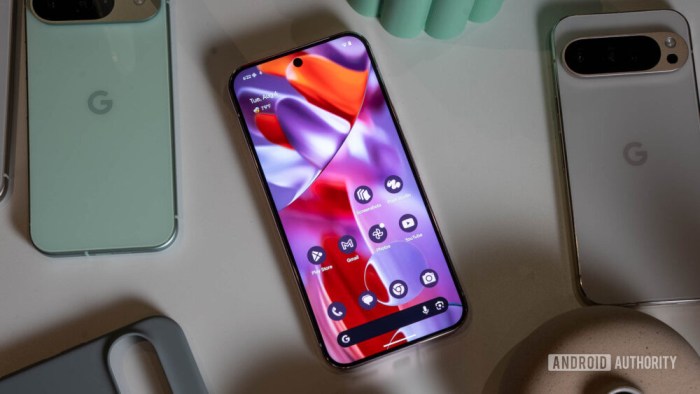
Google’s decision to implement a paywall for premium Android features raises intriguing technical questions. How will this affect the existing Android ecosystem, and what are the potential pitfalls and advantages of this approach? The implementation will require careful consideration of user experience, security, and scalability.
Implementation Strategies
The implementation of a paywall for Android features hinges on several potential strategies. A key factor is the level of access restriction. For instance, a tiered system, offering varying levels of access for different price points, could be a more comprehensive solution. Another possibility is a more granular approach, restricting specific features within the operating system itself.
This could entail a permission-based system, where users grant access to specific premium features upon purchase.
Technical Challenges
Maintaining a paywall system for Android features presents several technical challenges. One major concern is the need for robust security measures. Ensuring the integrity of the payment system and preventing unauthorized access to premium features is crucial. The complexity of the Android ecosystem, with its diverse range of devices and configurations, adds another layer of difficulty. A unified, seamless experience across all Android devices is a primary concern.
Comparison to Other Premium Feature Systems, Google is keeping some of androids best features behind a pixel paywall
Other platforms, like iOS, have successfully implemented premium features, demonstrating the feasibility of a paywall system. Examining the technical strategies used by these platforms offers valuable insights. The crucial differences lie in the nature of the Android ecosystem, which is significantly more fragmented than iOS. This poses challenges in maintaining a consistent user experience and preventing compatibility issues across various devices.
In contrast to iOS, Android’s open-source nature allows for more customization, but also necessitates more extensive testing to ensure compatibility.
Different Implementation Methods
Various implementation methods can be employed to incorporate the paywall. One approach is integrating a dedicated in-app purchase system within the Android framework. This system could handle transactions and feature unlocking, potentially using existing Android APIs. Another possibility is a server-side approach, where the server verifies the user’s paid status before granting access to premium features. This method allows for greater control over feature availability but might introduce latency issues.
Security Considerations
Robust security is paramount for any paywall system. Ensuring the integrity of the payment system, preventing fraudulent activities, and securing user data are crucial. Employing encryption techniques throughout the transaction process and incorporating robust fraud detection mechanisms are essential. Regular security audits and vulnerability assessments are critical to maintaining the system’s integrity. In addition, compliance with data privacy regulations, such as GDPR, is a legal requirement.
Closing Notes: Google Is Keeping Some Of Androids Best Features Behind A Pixel Paywall
Google’s Pixel paywall strategy has ignited a debate about exclusivity in the Android ecosystem. While Pixel owners benefit from premium features, the limitations placed on other Android users raise concerns about accessibility and fairness. The future of Android innovation and user satisfaction hinges on finding a balance between offering exclusive perks and maintaining a cohesive user experience for all.