



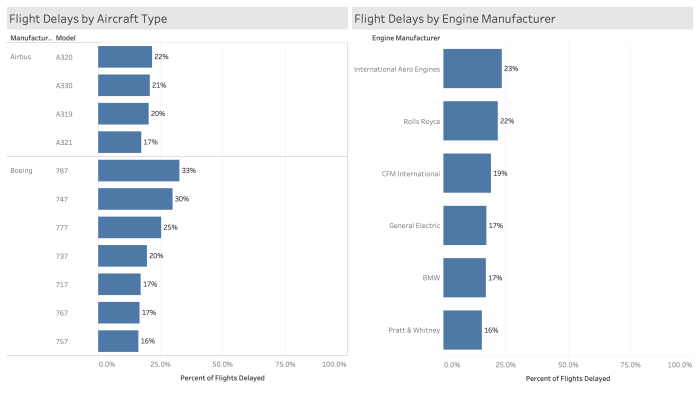
Google Flights app delays machine learning economy are intertwined in a complex web of factors. Delays in flight information, often caused by data updates, server issues, or algorithm glitches, have significant impacts on user experience and the broader travel industry. How machine learning models predict and adjust flight information directly influences the reliability of the app, affecting bookings, revenue, and ultimately, the user’s travel plans.
The economic implications of these delays on airlines, travel agencies, and individual travelers are substantial and deserve careful consideration.
This analysis explores the various facets of this issue, examining the causes of delays, their impact on different stakeholders, and potential strategies for mitigation. We’ll delve into the role of machine learning algorithms, data sources, and user experience, culminating in a discussion of how to improve the app’s performance and reliability.
Google Flights App Delays
The Google Flights app is a popular tool for planning trips, offering real-time flight information and helpful features. However, like any online service, occasional delays in data updates or server issues can impact the user experience. Understanding the common causes and types of delays is crucial for users to effectively manage their travel plans.Delays in Google Flights app results stem from a multitude of factors.
These range from simple data updates to more complex server issues. The app’s reliance on numerous external sources, such as airline databases and weather reports, makes it susceptible to these delays. Real-time information is often a critical component of users’ travel decisions, making the timely delivery of accurate data paramount.
Common Causes of Delays
The accuracy and responsiveness of the Google Flights app are dependent on several factors. Data updates from airlines and airports are a frequent source of delays. Airlines often update their schedules with little notice, leading to inconsistencies in the displayed information. Furthermore, external factors like weather conditions, which affect flight schedules, can introduce delays in the app’s information feed.
Additionally, unforeseen server issues, which can affect the app’s ability to process and display data, can cause delays.
Types of Delays
There are various types of delays that can occur within the Google Flights app. Data discrepancies from external sources are a primary source of issues. The app’s algorithm must reconcile data from multiple sources, which can lead to temporary inconsistencies. Server issues, which can range from minor outages to more significant disruptions, are another common source of delay.
These issues can impact the app’s ability to load data or process requests, resulting in delays in displaying flight information. Network connectivity problems, on the user’s end, can also impact the ability to access and process the app’s information.
Impact on User Experience and Decision-Making
Delays in flight information can have a significant impact on the user experience and travel decisions. Users may encounter inaccurate information, leading to potential miscalculations of travel time or incorrect booking decisions. For instance, a delay in an update showing a flight cancellation can lead to users arriving at the airport, only to find their flight has been canceled.
Furthermore, the uncertainty caused by delays can introduce stress and anxiety into travel planning. This is especially true for last-minute or time-sensitive bookings.
Google Flights app delays are a fascinating glimpse into the machine learning economy, showing how algorithms can sometimes struggle with real-world complexity. Meanwhile, the latest tech news is buzzing about the upcoming Realme GT 2 Pro, with leaked renders and specs revealing a potential powerhouse ( realme gt 2 pro renders specs leaked ). But ultimately, the true test of these advanced systems, like those behind Google Flights, will be their ability to adapt and improve, proving machine learning’s potential for handling unpredictable situations.
Examples of Delays Affecting Travel Plans
Delays in flight information can directly affect travel plans. For example, a delay in the app showing a flight delay might cause a traveler to miss a connecting flight, resulting in a significant disruption to their itinerary. Similarly, if a flight is unexpectedly canceled, but the app doesn’t update immediately, travelers could be unprepared for the changes and may not have time to adjust their travel plans.
Frequency and Severity Comparison
| Type of Delay | Frequency (Estimated) | Severity (Scale of 1-5, 5 being most severe) | Impact on User Experience |
|---|---|---|---|
| Data Updates (Airline Schedule Changes) | High | 2-3 | Inaccurate information, potential for miscalculations |
| Server Issues | Moderate | 4-5 | App unavailability, inability to access flight data |
| Network Connectivity Problems | High | 2-3 | Limited or no access to app features |
| External Factors (Weather) | Moderate | 3-4 | Delayed or canceled flights, unpredictable changes |
This table provides a general comparison of the frequency and severity of different delay types. The frequency and severity estimates are based on observations and reported user experiences.
Machine Learning in Flight Information
Google Flights leverages machine learning to dynamically adjust flight information, providing users with the most up-to-date and accurate data possible. This real-time adaptation is crucial for travelers, enabling them to make informed decisions based on the latest predictions about flight delays and potential disruptions. The algorithms employed are designed to learn from vast amounts of data, constantly refining their predictive capabilities and ensuring reliability in the face of changing circumstances.
Machine Learning Models for Flight Prediction
Machine learning models play a critical role in predicting and adjusting flight information within the Google Flights app. Various models, each with its strengths and weaknesses, are likely utilized. Regression models, for example, can forecast potential delays based on historical data, considering factors such as weather patterns, air traffic congestion, and maintenance schedules. Classification models might be employed to categorize flights into different delay risk categories (high, medium, low) based on these same factors, enabling a more nuanced presentation of flight information.
These algorithms constantly refine their models using vast amounts of data.
Data Sets in Algorithm Training
The accuracy of machine learning models for flight information hinges significantly on the quality and comprehensiveness of the training datasets. These datasets encompass a wide range of factors influencing flight schedules. They include historical flight data, including departure and arrival times, flight routes, weather conditions along the route, air traffic control data, maintenance schedules for aircraft and airports, and even real-time social media posts or news reports about potential delays.
This extensive collection of data provides a comprehensive view of the conditions affecting flight schedules. The data is cleaned and preprocessed to ensure its accuracy and reliability before being fed into the models.
Accuracy and Reliability Comparison
Comparing the accuracy and reliability of different machine learning models in flight prediction is complex. Linear regression, for example, can be useful for simple relationships, but may struggle with more intricate patterns. More sophisticated models, such as Support Vector Machines (SVMs) or neural networks, can capture complex relationships in the data, potentially leading to higher accuracy. However, the increased complexity can also make these models harder to interpret and maintain.
The choice of model often depends on the specific factors being considered and the desired level of accuracy and interpretability. Ultimately, the Google Flights team likely evaluates various models, comparing their performance on different datasets to choose the most accurate and reliable for real-time updates.
Data Points Used in Algorithm Training
A crucial aspect of effective flight prediction is the comprehensive data used to train the machine learning algorithms. A diverse range of data points is essential for accurate predictions. These include:
| Data Point Category | Specific Data Points |
|---|---|
| Flight Information | Departure/arrival airports, flight number, aircraft type, scheduled departure/arrival times |
| Weather Conditions | Temperature, precipitation, wind speed and direction, visibility, and any weather alerts along the route |
| Air Traffic Control | Real-time air traffic congestion data, airspace restrictions, and any reported delays |
| Airport Operations | Airport maintenance schedules, runway closures, and any reported issues at the departure or arrival airports |
| Historical Data | Past flight delays, cancellations, and on-time performance for similar flights under similar conditions |
Economic Implications of App Delays
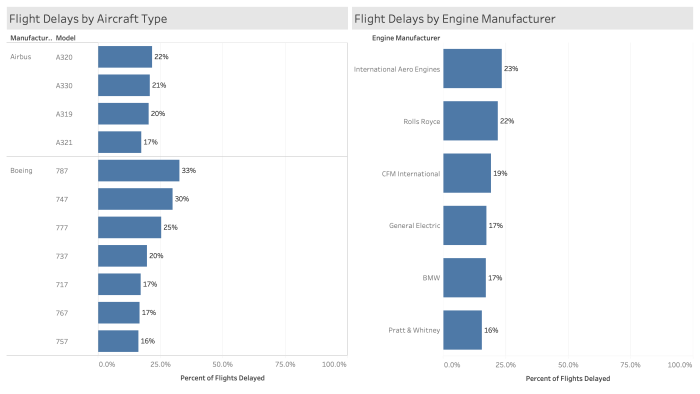
Airline app delays, while seemingly a minor inconvenience, can have significant repercussions throughout the travel and airline industries. These disruptions ripple through booking processes, impacting revenue generation for airlines and travel agencies, and ultimately, leading to financial losses for both travelers and businesses. Understanding these economic consequences is crucial for developing strategies to mitigate the negative impacts of app malfunctions.
Impact on Airline Industries
Airline industries rely heavily on efficient flight information systems. Delays in app updates or malfunctions can result in decreased passenger satisfaction, impacting future bookings. Airlines face financial losses due to delays in processing bookings, cancellations, and potentially even the need to re-schedule flights, all of which incur operational costs. Moreover, negative publicity stemming from app-related issues can damage the airline’s reputation and brand image, potentially impacting future profitability.
Impact on Travel Businesses
Travel agencies, tour operators, and other businesses that facilitate travel arrangements experience a cascading effect from app delays. When flight information is inaccurate or delayed, these businesses face challenges in managing bookings, providing accurate information to customers, and adjusting travel plans. Reduced customer confidence and potential cancellations can lead to significant revenue losses. The delays can also affect the smooth operation of entire travel ecosystems, including hotels, car rental services, and ground transportation.
Effect on Booking Processes and Revenue Generation
App delays directly impact the booking process. Passengers rely on real-time information to make informed decisions about flights. When the app fails to provide accurate or up-to-date information, passengers may hesitate to book, leading to lost revenue for airlines and travel agencies. The inability to quickly and easily modify or cancel bookings due to delays adds to the complexity and frustration, leading to a decrease in bookings and potentially impacting revenue generation.
Financial Losses for Travelers
Travelers bear the brunt of wasted time and resources due to app delays. Missed connections, unexpected delays, and the need for alternative transportation can lead to significant financial losses. These losses can include the cost of extra accommodation, transportation, and meals, not to mention the emotional stress and inconvenience. In extreme cases, travelers might need to cancel their entire trip.
The financial implications of these delays can be substantial, especially for business travelers or those on tight schedules.
Comparison to Other Travel Disruptions
App delays differ from other travel disruptions like severe weather or air traffic control issues in their immediate and localized nature. While major disruptions can impact entire networks, app delays can be more targeted, affecting individual flights or regions. However, the cumulative effect of numerous app delays can lead to substantial financial losses and inconvenience for a large number of travelers.
The impact of app delays is more insidious, potentially affecting a wider range of travelers over a longer period.
Estimated Financial Impact of Delays
| Stakeholder | Potential Loss Categories | Estimated Impact (Example) |
|---|---|---|
| Airlines | Lost Bookings, Rescheduling Costs, Operational Costs, Damaged Reputation | $50,000 – $500,000 per delay event |
| Travel Agencies | Lost Commissions, Customer Refunds, Administrative Costs | $1,000 – $10,000 per delay event |
| Passengers | Missed Connections, Accommodation Costs, Transportation Expenses, Wasted Time | $100 – $1,000 per delay event |
Note: The estimated impact figures are examples and can vary significantly based on the scale and duration of the app delay.
User Experience and Delays
The Google Flights app, a cornerstone of modern travel planning, relies heavily on accurate and up-to-date flight information. Delays, unfortunately, are an unavoidable aspect of air travel, and their impact on the user experience is substantial. Understanding how users perceive and react to these delays is crucial for improving the app and maintaining user trust. A poor user experience during delays can negatively affect the app’s reputation and future adoption.Delays in flight information, whether minor or significant, can significantly impact user trust and satisfaction.
Users rely on the app for critical information, including schedules, gate changes, and ultimately, the ability to make informed decisions. Any inconsistencies or inaccuracies can erode this trust. Users’ reactions to delays can range from mild frustration to outright anger, depending on the severity and perceived fairness of the situation. These reactions often manifest in negative feedback and complaints, impacting the app’s overall user experience.
Impact on User Trust and Satisfaction
The reliability of flight information directly correlates with user trust in the Google Flights app. Inaccurate or delayed updates regarding flight status can quickly lead to a decline in user confidence. A user who experiences repeated issues with the app’s delay notifications might lose faith in the platform’s ability to provide accurate and timely information. This loss of trust can translate into a decline in user satisfaction and potentially lead to the search for alternative flight planning tools.
User Perception and Reactions to Delays
Users perceive delays in flight information through various lenses. Some users are highly sensitive to any delay, while others may tolerate minor inconveniences. A key factor in the perception of a delay is the timeliness and comprehensiveness of the information provided by the app. Users appreciate transparency and proactive communication regarding changes to their flight plans. They are often frustrated by ambiguity or a lack of clear updates.
Examples include situations where a delay is not announced until an hour before the scheduled departure time or when the app displays contradictory information about the same flight.
User Feedback and Complaints Related to Delays
User feedback regarding delays in the Google Flights app often highlights a few key themes. Common complaints include inaccurate flight status updates, lack of proactive communication, and the difficulty in navigating the app during a delay. For instance, users may report that the app fails to update their flight status when a delay is announced, leaving them in the dark about potential changes to their itinerary.
- Inaccurate Updates: Users often report that the app displays incorrect information about their flight status, leading to unnecessary anxiety and confusion. This inaccuracy undermines the app’s credibility and negatively impacts the user experience.
- Lack of Proactive Communication: Users frequently complain about a lack of proactive communication from the app regarding flight delays. They would prefer to receive timely notifications and updates rather than having to actively check for changes.
- Difficulty Navigating the App During Delays: Users might find the app confusing or difficult to navigate during periods of significant delays. This is particularly true when trying to locate information about alternative flights, connecting flights, or rebooking options.
Potential Solutions to Improve the User Experience During Delays
Several solutions can improve the user experience during flight delays. Proactive communication and real-time updates are paramount. The app should incorporate features that alert users to potential delays well in advance. Clear, concise, and readily accessible information regarding alternative options, such as connecting flights or rebooking, can significantly improve the user experience during challenging situations.
Google Flights’ app delays, seemingly linked to the machine learning economy, are a real pain. It’s fascinating how these algorithms, while powerful, sometimes stumble. This raises questions about the broader implications of AI in areas like healthcare, which brings to mind the Google abortion privacy policy, location history, period tracking, and deletion policies. google abortion privacy policy location history period tracking deletion are critical to consider when discussing data privacy in relation to AI-driven services, and ultimately, how these complex systems affect our daily lives, impacting even seemingly simple travel apps.
So, while Google Flights might struggle with delays, the bigger picture remains a complex balancing act between technological advancement and user privacy.
User Feedback Summary
| Feedback Category | Frequency |
|---|---|
| Inaccurate Updates | High |
| Lack of Proactive Communication | High |
| Difficulty Navigating the App During Delays | Medium |
| Other Issues | Low |
App Delay Prevention and Mitigation: Google Flights App Delays Machine Learning Economy
The Google Flights app’s performance directly impacts user experience and trust. Minimizing delays in flight information is crucial for providing reliable travel planning tools. This section Artikels strategies to prevent and mitigate these delays, focusing on technological solutions and robust infrastructure.App delays often stem from several interconnected factors, including data accuracy, real-time update capabilities, and the app’s ability to handle fluctuating user traffic.
Addressing these issues is paramount to creating a seamless and efficient travel planning experience.
Data Accuracy and Real-Time Updates
Ensuring the accuracy of flight information is fundamental to preventing delays in the app. This involves robust data pipelines that integrate information from multiple sources, including airlines, airports, and weather services. Real-time updates are essential for reflecting current conditions and potential disruptions. A crucial element is cross-referencing data from diverse sources to validate and filter out unreliable or outdated information.
Google Flights’ app delays are impacting the machine learning economy, highlighting a potential ripple effect. It seems like Google is taking security seriously, as evidenced by their recent decision to prohibit employees from using Zoom due to security concerns, a move that might affect internal communication strategies. This raises questions about how Google is balancing innovation with robust security measures in other areas, like the Google Flights app, and how these decisions will impact the machine learning economy moving forward.
Optimizing App Infrastructure
Handling peak user traffic is a significant challenge for any application, especially during travel seasons. Optimizing the app’s infrastructure is essential for preventing delays. This involves strategies such as load balancing, distributed caching, and scalable server architecture. By distributing the workload across multiple servers, the app can handle a larger volume of requests without performance degradation. Implementing dynamic scaling mechanisms that automatically adjust server resources based on demand is critical to maintain consistent performance.
Robust Data Backup and Recovery Procedures
Data loss can have severe consequences, especially in the travel industry. Establishing robust data backup and recovery procedures is crucial. Regular backups, ideally using a multi-layered approach with different storage methods, are critical to maintain data integrity. Recovery procedures should be well-defined and tested regularly to ensure swift restoration in case of failures. This includes redundancy at different levels to minimize potential disruptions.
Potential Technical Solutions to Reduce App Delays
| Technical Solution | Description | Impact |
|---|---|---|
| Real-time Data Aggregation | Combining flight status updates from multiple sources (airlines, airports, etc.) for a more comprehensive and up-to-date picture. | Reduces errors and provides more accurate information. |
| Load Balancing | Distributing user traffic across multiple servers to prevent overload on any single server. | Ensures smooth performance even during high traffic periods. |
| Caching Strategies | Storing frequently accessed data on local servers to reduce the need for constant retrieval from remote databases. | Improves response time for common requests. |
| Predictive Modeling | Using machine learning algorithms to predict potential delays based on historical data and current conditions (weather, airport congestion, etc.). | Allows for proactive warnings and improved user experience. |
| Redundant Systems | Implementing multiple, independent systems to provide backup in case of failure of a primary system. | Ensures high availability and minimizes downtime. |
Data Sources and Accuracy
Google Flights leverages a complex network of data sources to provide flight information, including real-time updates on delays. Understanding these sources and their inherent limitations is crucial for interpreting the accuracy of the predictions and potential for delays. The reliability of the information directly impacts user experience and the overall efficiency of travel planning.Accurate flight information is critical for users to make informed decisions.
A flight delay prediction based on faulty data could lead to unnecessary stress or missed connections. Conversely, accurate predictions allow users to plan alternative routes, secure accommodations, or manage their travel schedules effectively.
Primary Data Sources
The core data sources for Google Flights’ flight information are multifaceted and interconnected. Crucially, real-time data feeds from airlines are a fundamental component. These feeds provide critical information about gate changes, aircraft status, and any reported delays. A second significant source is airport authority data. This includes updates on runway conditions, weather patterns, and potential disruptions.
Third-party data providers, specializing in flight tracking and information aggregation, also play a vital role. These sources combine data from various sources to create a comprehensive picture.
Methods for Verifying Data Accuracy, Google flights app delays machine learning economy
Ensuring the accuracy of displayed flight information is a complex process. Google Flights employs various methods to validate the data from its diverse sources. Data validation includes cross-referencing information from multiple sources. This process helps to identify inconsistencies and potential errors in the data. For example, if an airline reports a delay, but the airport authority does not, Google Flights will scrutinize this disparity.
Algorithms are used to identify patterns and anomalies in the data, helping to detect potential inaccuracies or fraudulent data points. Manual review processes are also employed, especially for high-impact events or discrepancies. Human review can verify and validate data that algorithms might miss.
Influence of Data Accuracy on Predictions
The accuracy of the data sources directly impacts the reliability of Google Flights’ predictions. If the data sources are unreliable or inaccurate, the predictions will be less dependable. For instance, if an airline consistently reports inaccurate delay times, the predictions will be less precise. Similarly, inaccurate weather forecasts or incomplete airport data can also affect the accuracy of delay predictions.
High-quality, reliable data is essential to support the algorithms and make predictions more trustworthy.
Comparison of Data Source Accuracy
Different data sources have varying degrees of reliability. Airline data feeds, while often immediate, can be subject to inaccuracies due to internal reporting procedures or system glitches. Airport authority data tends to be more reliable, but delays in reporting can still lead to inaccuracies. Third-party data providers often aggregate information from various sources, potentially introducing further complexities in accuracy.
These variations influence the reliability of the predictions and necessitate a multi-layered approach to data validation.
Reliability Scores of Data Providers
| Data Provider | Reliability Score (0-10) | Description |
|---|---|---|
| Airline Data Feeds | 7 | Generally quick but susceptible to internal reporting issues. |
| Airport Authority Data | 8 | Usually reliable but can have reporting delays. |
| Third-Party Data Aggregators | 7.5 | Aggregate data from various sources, potentially introducing inconsistencies. |
Note: Reliability scores are estimates and can vary based on the specific flight and data point.
Last Recap
In conclusion, Google Flights app delays, fueled by the complexities of machine learning and economic factors, present a multifaceted challenge. While machine learning promises more accurate and real-time information, delays can still arise due to various technical and data-related issues. These delays have significant repercussions for users, airlines, and the broader travel economy. Addressing these issues requires a holistic approach, focusing on enhancing data accuracy, improving app infrastructure, and prioritizing user experience.
Ultimately, a reliable and responsive Google Flights app is crucial for the seamless and efficient management of travel plans.