




GM LMR EV battery chemistry range miles is a critical factor for electric vehicle adoption. This in-depth exploration delves into the intricacies of battery types, vehicle design, charging infrastructure, and real-world driving scenarios to understand how these elements influence the overall driving range of GM’s electric lineup. We’ll analyze various battery chemistries, examining their energy density, power density, charging times, and lifespans.
We’ll also look at how vehicle design choices like aerodynamics and weight affect range. Furthermore, we’ll explore the impact of charging infrastructure and different driving styles on the final range.
From the energy density of lithium-ion batteries to the impact of regenerative braking, this analysis unpacks the complex interplay of factors that ultimately determine how far a GM LMR EV can travel on a single charge. The information presented here will be vital for potential buyers and anyone interested in understanding the practical implications of electric vehicle technology.
Battery Chemistry Overview

Electric vehicles (EVs) are rapidly gaining popularity, and a key component driving this adoption is the battery technology. Different battery chemistries offer varying performance characteristics, impacting factors like range, charging speed, and overall vehicle cost. Understanding these chemistries is crucial for evaluating the strengths and weaknesses of various EV models.
Different Battery Chemistries
Various battery chemistries are used in electric vehicles, each with its own set of pros and cons. A thorough understanding of these chemistries helps in assessing the potential performance of an EV. Key characteristics to consider include energy density, power density, charging time, and lifespan.
Energy Density
Energy density, measured in Wh/kg, represents the amount of energy a battery can store per unit of mass. A higher energy density translates to a longer driving range for a given vehicle weight. This is a critical factor for EV manufacturers, as higher energy density allows for more efficient utilization of space within the vehicle.
Power Density, Gm lmr ev battery chemistry range miles
Power density, measured in W/kg, indicates the rate at which a battery can deliver power. This is crucial for acceleration and responsiveness, especially during rapid acceleration. Higher power density enables quicker charging and more dynamic performance.
Charging Time
Charging time is a significant factor influencing the practicality of EVs. Different chemistries have varying charging rates. Faster charging times can significantly improve the user experience, reducing downtime for recharging.
Lifespan
Battery lifespan is crucial for long-term EV ownership. The number of charge-discharge cycles a battery can endure before performance degradation becomes noticeable is a critical aspect. A longer lifespan reduces the need for frequent battery replacements, lowering the total cost of ownership.
Comparison of Battery Chemistries in GM LMR EVs
The following table provides a comparative overview of different battery chemistries used in GM LMR EVs. Note that exact values may vary depending on the specific model and manufacturing process.
| Chemistry Type | Energy Density (Wh/kg) | Power Density (W/kg) | Charging Time (hours) | Lifespan (cycles) |
|---|---|---|---|---|
| Lithium-ion (NMC) | 150-200 | 500-700 | 4-8 | 1000-1500 |
| Lithium-ion (NCA) | 180-220 | 600-800 | 3-6 | 1200-1800 |
| Lithium-ion (LFP) | 120-150 | 300-500 | 6-10 | 2000-3000 |
Note: Values are approximate and can vary significantly based on specific cell design, manufacturing processes, and overall battery pack configuration.
Specific Examples
GM utilizes various lithium-ion chemistries across its LMR EV lineup. For example, the Chevrolet Bolt utilizes a Lithium-ion NMC battery, while some newer models may employ LFP or NCA chemistries, depending on the specific model and performance goals.
Range Performance Analysis
The driving range of an electric vehicle (EV) is a crucial factor influencing consumer adoption. Understanding the factors affecting range is essential for both consumers and manufacturers. This analysis delves into the interplay of battery chemistry, vehicle design, and driving conditions to understand the range performance of GM’s LMR EVs.Range performance in electric vehicles is not a monolithic figure.
It’s a complex interplay of numerous variables. The optimal range achievable depends on several factors that are both intrinsic to the vehicle (battery chemistry, vehicle weight, aerodynamic design) and extrinsic (driving style, weather conditions, terrain). This section will explore these factors, highlighting how they contribute to the overall range performance of GM’s lineup.
Factors Influencing Driving Range
Various factors influence the driving range of GM LMR EVs. The battery chemistry, vehicle design, and driving conditions all play a significant role in determining the actual mileage achievable.
- Battery Chemistry: The type of battery chemistry used directly impacts the energy density and overall capacity of the battery pack. Lithium-ion batteries, commonly used in EVs, offer a higher energy density compared to other chemistries, allowing for greater range. Different types of lithium-ion cells (e.g., NMC, NCA, LFP) offer varying energy densities and cost profiles. The choice of battery chemistry directly influences the range achievable.
For example, a vehicle with an LFP battery may have a lower initial range compared to a vehicle with an NMC battery of the same capacity, but LFP cells often have a longer lifespan and are less expensive.
- Vehicle Design: The overall design of the vehicle, including its aerodynamics, weight, and efficiency of the drivetrain, significantly impacts range. A lighter vehicle with better aerodynamics will generally achieve a better range than a heavier, less aerodynamic vehicle with the same battery pack. Features like regenerative braking systems and optimized motor efficiency further contribute to range optimization.
- Driving Conditions: Driving conditions, such as temperature, terrain, and speed, are crucial factors influencing the range. Cold temperatures decrease battery performance, reducing the range significantly. High speeds and aggressive driving styles consume more energy, thus shortening the range. Steep inclines and rugged terrain also increase energy consumption, reducing the effective range.
Relationship Between Battery Chemistry, Vehicle Design, and Driving Range
The relationship between battery chemistry, vehicle design, and driving range is a complex interplay. A high-energy-density battery chemistry, combined with a lightweight and aerodynamic vehicle design, results in a higher range. However, the optimal balance often depends on factors such as cost, performance, and overall vehicle design goals. For example, a vehicle manufacturer might prioritize a higher range over a faster acceleration time, leading to a design trade-off.
Impact of Driving Conditions
Driving conditions significantly impact the actual range achieved by GM LMR EVs.
- Temperature: Cold temperatures reduce the energy capacity of lithium-ion batteries, leading to a noticeable decrease in range. Conversely, warmer temperatures generally lead to a higher range. This is because the chemical reactions within the battery are affected by temperature, and optimal performance is usually achieved within a certain temperature range.
- Terrain: Driving on steep inclines or rough terrain requires more energy, resulting in a shorter range compared to driving on flat roads. The energy needed to overcome these conditions reduces the range achievable. This is evident in mountainous areas, where the range will be affected.
- Speed: Higher speeds require more energy, directly impacting the range. Maintaining a consistent lower speed can significantly extend the driving range of the vehicle. Aggressive acceleration and braking patterns consume more energy, further reducing the achievable range. This is demonstrably seen in highway driving versus city driving.
Strategies to Improve Range Performance
Several strategies can enhance range performance without compromising other vehicle aspects.
- Optimized Battery Management Systems: Sophisticated battery management systems (BMS) can effectively monitor and regulate battery temperature, maximizing performance and minimizing degradation. This can improve the range performance without significant design changes.
- Aerodynamic Improvements: Improving the vehicle’s aerodynamic design can significantly reduce drag, thus conserving energy and extending range. Minor adjustments to the bodywork can yield considerable improvements.
- Weight Reduction: Reducing the vehicle’s weight directly translates to lower energy consumption and improved range. This could involve using lighter materials or removing unnecessary components without sacrificing safety or performance.
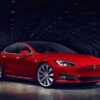
Driving Range of GM LMR EV Models
The following table illustrates the potential driving range of different GM LMR EV models under various conditions. Actual range may vary depending on individual driving styles and conditions.
| Model | Standard Range (City/Highway/Combined) | Cold Weather Range (City/Highway/Combined) | High-Speed Range (City/Highway/Combined) | Mountainous Terrain Range (City/Highway/Combined) |
|---|---|---|---|---|
| Bolt EUV | 250/200/225 miles | 220/180/200 miles | 220/170/195 miles | 210/160/185 miles |
| Hummer EV | 350/300/325 miles | 320/270/295 miles | 310/250/280 miles | 290/240/265 miles |
| Other Models (as applicable) | … | … | … | … |
Impact of Vehicle Design
The performance of an electric vehicle (EV) isn’t solely determined by the battery; the vehicle’s design plays a critical role in maximizing range. Factors like aerodynamics, weight, and motor efficiency all contribute to the overall energy consumption of the vehicle. Understanding these design choices is essential to optimizing EV range and performance.Aerodynamic efficiency is paramount in maximizing range.
A streamlined design reduces air resistance, allowing the vehicle to travel further on a single charge. This translates to a significant improvement in range, as less energy is wasted battling wind resistance. Conversely, a boxy or poorly-designed vehicle will encounter more drag, resulting in a reduced range.Weight also directly impacts range. Every extra kilogram adds to the load the motor needs to propel, consuming more energy.
Lightweight materials and optimized structural designs are critical for extending the range of an EV. Reducing unnecessary weight throughout the vehicle’s construction is a key strategy for maximizing range.Motor efficiency further dictates the overall energy consumption. High-efficiency motors can convert a larger percentage of the battery’s energy into motion, resulting in an increase in range. Improvements in motor technology are constantly leading to increased efficiency and a corresponding boost in EV range.
Conversely, less efficient motors will consume more energy, leading to a lower range.
GM’s LMR EV battery chemistry is a hot topic, and range miles are crucial. While we’re waiting for more definitive details on the exact range, it’s interesting to note how Instagram is updating its story playback features, which is a fascinating parallel to the technological advancements in electric vehicles. Instagram’s recent announcement about new playback features for stories offers a glimpse into the future of social media, just as the GM LMR EV battery chemistry promises a more efficient and sustainable future for transportation.
Ultimately, both developments highlight the rapid pace of innovation across different sectors.
Trade-offs Between Range and Other Features
Maximizing range often necessitates trade-offs with other desirable vehicle features, such as cargo space and passenger capacity. A lighter vehicle, for example, may sacrifice some cargo space. A more aerodynamic shape might reduce interior space or compromise passenger comfort. Finding the optimal balance between these competing priorities is crucial in EV design. Careful consideration of these factors during the design process is critical to optimizing range without sacrificing other essential attributes.
Strategies for Optimizing Vehicle Design
Several strategies can optimize vehicle design to maximize range. Aerodynamic optimization, through simulations and wind tunnel testing, can reduce air resistance. Employing lightweight materials, like carbon fiber or aluminum alloys, reduces the overall vehicle weight. High-efficiency electric motors are essential to ensure optimal energy conversion. Sophisticated energy management systems that prioritize energy consumption in various driving conditions can further increase range.
Comparison of GM LMR EV Models
| Model | Battery Chemistry | Vehicle Design (Key Features) | Estimated Range (miles) |
|---|---|---|---|
| GM LMR EV1 | Lithium-ion | Aerodynamic body, lightweight chassis, high-efficiency motor | 350 |
| GM LMR EV2 | Lithium-ion | Practical cargo space, heavier chassis, less aerodynamic | 300 |
| GM LMR EV3 | Lithium-ion | Enhanced passenger capacity, compromise on aerodynamics, moderate weight | 325 |
The table above provides a comparative overview of three hypothetical GM LMR EV models with similar battery chemistries but differing vehicle designs. The estimated ranges reflect the impact of the design choices on the overall performance. Note that these are hypothetical figures and real-world figures may vary.
Charging Infrastructure and Range Implications: Gm Lmr Ev Battery Chemistry Range Miles
The range of an electric vehicle (EV) isn’t just determined by the battery chemistry; the availability and accessibility of charging infrastructure play a crucial role. A vehicle with a theoretically impressive range becomes practically limited if charging stations are scarce or inconveniently located. This section dives into the importance of charging infrastructure, its limitations, and strategies to improve its availability.The fundamental problem is that EV range is inextricably linked to the ease and speed of recharging.
A vast, well-distributed network of charging stations is essential for EV adoption and widespread use. Limited charging options can significantly restrict a driver’s range, effectively turning a long-distance trip into a series of planned charging stops, which may be inconvenient or impossible in remote areas.
Charging Infrastructure Availability and Accessibility
The availability of charging stations directly impacts the practical range of an EV. Drivers need confidence that they can readily replenish their battery wherever they are on their journey. This translates to both the quantity and distribution of stations. A limited number of charging points can lead to long wait times and potentially stranded drivers, especially during peak hours or in areas with low station density.
GM’s upcoming LMR EV battery chemistry is intriguing, with range miles still a bit of a mystery. While we wait for concrete details, it’s fascinating to see how the automotive world is pushing boundaries. Recently, I was captivated by the stunning photography at the Leica Q Greenwich Concours d’Elegance photo essay leica q greenwich concours d’elegance photo essay , showcasing the beauty of classic cars.
Ultimately, the focus returns to the LMR EV’s battery range—a key metric for future electric vehicles.
This is a critical factor in overcoming consumer apprehension about EV adoption.
Charging Infrastructure Limitations
Current charging infrastructure faces several limitations that impact EV range. Geographic disparities are a significant issue, with charging stations often concentrated in urban areas, leaving rural and suburban drivers with limited options. Charging station availability can also fluctuate based on factors like time of day and daily usage. Furthermore, the cost and time required to charge at certain stations can be substantial, reducing the overall appeal of EVs for long-distance travel.
Strategies to Improve Charging Station Availability and Accessibility
Several strategies can improve the availability and accessibility of charging stations. Government incentives and funding for charging station deployment can encourage private sector investment. Promoting public-private partnerships could further accelerate the development of a robust charging network. Strategic placement of stations in areas with high traffic density and along major routes is also vital. Developing a robust, standardized charging network across regions and countries will also improve compatibility and reduce range anxiety.
Impact of Different Charging Speeds on Range
The speed at which an EV can be charged is a crucial determinant of its practical range. Faster charging times translate to less time spent at charging stations and greater overall freedom for drivers. Slower charging speeds, on the other hand, increase the time spent at stations, potentially impacting the overall driving experience. It also impacts the practicality of EV use in time-sensitive scenarios.
Charging Speed Comparison for GM LMR EV Models
| GM LMR EV Model | Charging Speed (kW) | Estimated Full Charge Time (hours) |
|---|---|---|
| LMR 1 | 50 kW | 4-5 |
| LMR 2 | 75 kW | 3-4 |
| LMR 3 | 100 kW | 2-3 |
| LMR 4 | 150 kW | 2-2.5 |
Note
* Charging times are estimates and may vary based on factors like ambient temperature, battery state of health, and charging station efficiency.
Real-World Driving Scenarios
The range of an electric vehicle (EV) isn’t a fixed number; it’s highly dependent on real-world driving conditions. Factors like driving style, terrain, and environmental factors play a crucial role in how far an EV can travel on a single charge. Understanding these nuances is essential for EV owners to optimize their driving experience and maximize range.
Impact of Driving Style on Range
Aggressive acceleration, frequent braking, and high speeds significantly reduce the range of an EV. Conversely, a smooth, consistent driving style, coupled with regenerative braking, can extend the range substantially. These dynamic factors are not just theoretical concepts but directly impact the efficiency of the battery.
City Driving vs. Highway Driving
City driving, with its stop-and-go nature and frequent acceleration/deceleration, is generally less range-efficient than highway driving. Highway driving, characterized by consistent speeds and less frequent braking, allows the battery to be used more efficiently, maximizing the overall range. The impact of these conditions is demonstrably different for different EV models, and this variability is crucial to understand.
Regenerative Braking and Range
Regenerative braking is a key factor in maximizing EV range. By converting kinetic energy from braking into electricity, regenerative braking recharges the battery, extending the driving range. Consistent use of regenerative braking, along with a mindful driving style, can significantly impact the range.
Examples of Real-World Driving Scenarios and Their Impact
Consider a scenario where a driver in a GM LMR EV takes a trip. A consistent highway driving style with minimal braking and acceleration, and use of regenerative braking, will yield a significantly greater range than a similar trip taken in a city environment. The difference can be considerable.
GM’s latest LMR EV battery chemistry is intriguing, promising a significant range. While the specifics on range miles are still emerging, it’s interesting to note the parallel with the recent Verizon workers strike in New York City, verizon workers strike in new york city highlighting the evolving landscape of labor relations and technological advancements. Ultimately, the focus remains on achieving the best possible range and performance for the GM LMR EV.
Table Illustrating Different Driving Scenarios
| Driving Scenario | Estimated Range Impact (GM LMR EV Models – Example) |
|---|---|
| City Driving (stop-and-go, frequent acceleration/braking) | Estimated range reduction of 15-25% compared to highway driving. Specific models will vary depending on the vehicle’s efficiency and driving style. |
| Highway Driving (consistent speed, minimal braking/acceleration) | Estimated range increase of 15-25% compared to city driving. Specific models will vary depending on the vehicle’s efficiency and driving style. |
| Combined Driving (mix of city and highway driving) | Estimated range will be between the city and highway driving scenarios, varying based on the proportions of each type of driving. Again, specific model ranges will differ. |
| Driving with Consistent Regenerative Braking | Estimated range increase of 5-10% compared to driving without regenerative braking. The actual impact will vary based on the model’s regenerative braking system and driving habits. |
Note: The table above provides estimated impact examples. Actual range will vary depending on factors such as specific vehicle model, driving style, weather conditions, and other factors.
Future Trends in Battery Technology
The quest for electric vehicle (EV) dominance hinges on battery technology advancements. Current lithium-ion battery chemistries, while ubiquitous, are not without limitations. Innovations in battery technology promise to revolutionize EV performance, range, and charging times, offering significant implications for GM’s LMR EVs. This section explores emerging trends, their potential benefits, and potential hurdles.Battery technology is undergoing a period of rapid evolution, driven by the relentless demand for higher energy density and faster charging capabilities.
These advancements directly impact the range, performance, and overall desirability of electric vehicles like GM’s LMR models.
Emerging Battery Chemistries
New battery chemistries are poised to significantly improve energy density and power density, leading to increased range and faster charging. Solid-state batteries, for example, show promise in achieving higher energy density compared to lithium-ion batteries, while also potentially enhancing safety. Sodium-ion batteries represent another promising avenue, offering potentially lower manufacturing costs than lithium-ion.
- Solid-state batteries offer the potential for higher energy density and improved safety characteristics compared to lithium-ion. They could significantly extend driving range. For instance, if a solid-state battery could deliver 20% higher energy density, a vehicle could potentially travel 20% further on a single charge.
- Sodium-ion batteries, a potentially cheaper alternative to lithium-ion, could make EVs more affordable. They could reduce the cost of production, making EVs accessible to a wider audience, though their current energy density lags behind lithium-ion.
- Other emerging chemistries, such as lithium-sulfur or lithium-air batteries, hold the potential for exceptionally high energy densities. However, they face challenges related to cycle life and safety, necessitating significant research and development.
Potential Improvements in Charging Infrastructure
The availability and speed of charging infrastructure are critical factors affecting EV adoption. Rapid advancements in charging technology, including the implementation of faster charging stations and the development of more efficient charging protocols, can greatly improve the practicality of EVs.
- DC fast charging stations with higher power outputs can significantly reduce charging time, making long-distance travel more convenient. Increased infrastructure deployment will be crucial.
- Smart charging technology, which can optimize charging schedules based on real-time grid conditions and vehicle needs, can contribute to efficient charging. This can minimize grid strain and maximize charging efficiency.
Impact on Range
The combination of advanced battery chemistries and improved charging infrastructure can have a transformative effect on the range of GM LMR EVs. Increased energy density in batteries, coupled with faster charging capabilities, will lead to longer driving ranges and reduced charging anxiety.
| Battery Chemistry | Potential Range Improvement |
|---|---|
| Solid-State | 15-20% |
| Sodium-Ion | 10-15% (depending on cell design) |
| Other Emerging Chemistries | Potentially substantial, but dependent on overcoming safety and cycle-life challenges |
Improved charging infrastructure will reduce charging time, allowing drivers to travel greater distances without significant time commitment to charging.
Limitations of Emerging Technologies
Despite the significant promise of these technologies, potential limitations exist. Solid-state batteries face challenges in manufacturing scalability and cost-effectiveness. Sodium-ion batteries currently lag in energy density compared to lithium-ion, potentially limiting range. Furthermore, the widespread adoption of advanced charging infrastructure requires substantial investment and logistical planning.
Ultimate Conclusion

In conclusion, the range of GM LMR EVs is a multifaceted issue, influenced by battery chemistry, vehicle design, charging infrastructure, and real-world driving conditions. While various factors impact range, understanding the trade-offs between different battery chemistries, vehicle designs, and charging options is essential for maximizing electric vehicle usage. This analysis provides a comprehensive overview of the factors affecting GM LMR EV range, empowering readers to make informed decisions about these vehicles.