
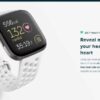


Fitbit has made low cost emergency ventilator – Fitbit has made a low-cost emergency ventilator, a bold move into the medical device market. This innovative approach could revolutionize access to critical care, potentially saving lives in underserved areas. This project promises to be a fascinating exploration of how a consumer tech company can tackle a critical healthcare need, addressing the complexities of design, manufacturing, and market entry.
From understanding the technical specifications to assessing the potential impact on public health, this in-depth look reveals the significant challenges and opportunities that lie ahead.
This project delves into the potential for Fitbit to develop a viable low-cost ventilator. It explores the technical considerations, including materials and manufacturing processes, to make the device affordable and effective. The analysis also considers the market needs and competitive landscape, highlighting the importance of reaching the target audience and navigating the complex regulatory environment. Crucially, the ethical considerations of deploying a low-cost ventilator in different healthcare contexts are examined, along with the potential societal benefits.
Overview of Fitbit’s Potential Entry into Medical Devices
Fitbit, known for its wearable fitness trackers, has carved a niche in the consumer electronics market. Their devices offer a wealth of data on user activity, sleep patterns, and heart rate, driving engagement through personalized insights. However, the company’s recent foray into the medical device sector, particularly with the low-cost emergency ventilator, presents a significant shift in their business strategy.
This move signals a potential expansion into a more regulated and complex market with significant implications for both the company and the healthcare industry.Fitbit’s motivation for entering the medical device market, particularly with a low-cost ventilator, likely stems from several factors. These include a desire to leverage their existing data collection and analysis capabilities to create more impactful healthcare solutions, potentially generating new revenue streams, and fulfilling a humanitarian need, particularly in underserved regions.
Their focus on consumer-friendly technology could translate to designing user-friendly medical equipment.
Fitbit’s Current Business Model and Market Position
Fitbit’s current business model revolves around the sale of wearable devices, offering health and fitness tracking services. Their market position is firmly rooted in the consumer electronics sector, leveraging their expertise in sensor technology and data analysis. Their current customer base is primarily focused on individuals seeking to improve their health and well-being.
Potential Motivations for Developing a Low-Cost Emergency Ventilator
Fitbit’s motivations for developing a low-cost emergency ventilator likely encompass several factors. These include a desire to leverage their existing data collection and analysis capabilities, and potentially generating new revenue streams, while also addressing a significant humanitarian need, particularly in underserved regions. The potential to use consumer-friendly technology for medical devices is also a likely motivator.
Challenges and Opportunities in Entering the Medical Device Market
Entering the medical device market presents both significant challenges and opportunities. Challenges include navigating complex regulatory hurdles, ensuring high levels of safety and efficacy, establishing trust with healthcare professionals, and building a strong supply chain for manufacturing and distribution. However, opportunities exist to leverage Fitbit’s existing strengths in consumer technology, such as data analysis and user-friendly interfaces, to create innovative and accessible medical devices.
Regulatory Hurdles and Compliance Requirements
Navigating regulatory hurdles and compliance requirements in the medical device market is critical. The FDA’s approval process for medical devices is rigorous and requires extensive testing, documentation, and adherence to stringent quality standards. Failure to comply with these regulations can lead to significant penalties and reputational damage. Obtaining necessary certifications and licenses is crucial.
Comparison of Fitbit’s Current Capabilities and Those Needed for Ventilator Production
| Fitbit’s Current Capabilities | Capabilities Needed for Ventilator Production |
|---|---|
| Data collection and analysis | Ventilator design and engineering |
| User-friendly interfaces | Manufacturing and quality control |
| Sensor technology | Regulatory compliance and approvals |
| Supply chain management (for consumer products) | Supply chain management (for medical-grade components) |
| Software development | Medical device validation and testing |
Technical Specifications and Design Considerations
Building a low-cost, effective emergency ventilator requires careful consideration of both technical specifications and design choices. This necessitates a focus on minimizing production costs without sacrificing crucial functionalities. The goal is to create a device reliable enough for emergency situations, accessible to underserved communities, and adaptable to varying resource levels.
Essential Technical Specifications
The ventilator must meet fundamental respiratory support requirements. Crucial specifications include a precise and adjustable tidal volume delivery system, ensuring adequate lung inflation. The device needs to accurately control the respiratory rate, ensuring proper ventilation cycles. A reliable pressure control mechanism is also essential to prevent lung damage. These factors ensure effective oxygenation and adequate carbon dioxide removal.
Furthermore, the device must be capable of supporting a range of patient needs, adjusting to varying patient weights and respiratory conditions.
Design Considerations for Minimizing Cost
Minimizing cost without compromising efficacy requires strategic design choices. Standardized components and modular designs are key. This allows for easier manufacturing and potentially lower production costs. A modular design also enables the device to be easily adapted to different situations, accommodating various patient needs and resource availability. Employing readily available and inexpensive materials is also crucial, while ensuring that these materials maintain the necessary mechanical properties.
Fitbit’s creation of a low-cost emergency ventilator is pretty impressive, isn’t it? It’s inspiring to see tech companies stepping up in times of need. Speaking of innovation, have you seen the new Lego Ninjago movie Comic-Con trailer? lego ninjago movie comic con trailer looks awesome, packed with action. Hopefully, this kind of forward-thinking approach in tech will lead to more affordable and accessible medical solutions in the future.
The design should prioritize ease of maintenance and repair, aiming to minimize long-term costs.
Approaches for Cost-Effectiveness
Several approaches can be employed to create a cost-effective ventilator. One method is to utilize open-source designs, potentially fostering collaboration and sharing of knowledge. Another is to prioritize the use of readily available and inexpensive materials. This may involve using alternative materials such as plastics or composites in place of more expensive metals or alloys. This requires careful selection to maintain the desired mechanical properties.
Potential Materials and Manufacturing Processes
The choice of materials and manufacturing processes significantly impacts cost. Consideration of injection molding or 3D printing for plastic components can dramatically reduce costs compared to traditional machining methods. These methods offer flexibility and speed, potentially allowing for localized production and faster turnaround times. Utilizing readily available plastics, such as polycarbonate or ABS, while meeting necessary safety and performance standards is critical.
Furthermore, selecting lightweight materials is also beneficial in terms of overall device weight and transportation costs.
Component Cost Implications
| Component | Estimated Cost (USD) | Justification |
|---|---|---|
| Motor and Drive System | $15-25 | Using readily available DC motors and low-cost drive electronics. |
| Airway System | $10-20 | Utilizing simple tubing and connectors made from lightweight plastics. |
| Pressure Sensor and Control | $5-10 | Utilizing low-cost pressure sensors and readily available electronic components. |
| Tidal Volume Control | $10-15 | Employing a simple stepper motor and digital control circuit. |
| Housing | $5-10 | Using injection molded plastic parts for the housing. |
| Total Estimated Cost | $65-85 | Represents a conservative estimate, as cost varies by specific component choices. |
This table provides a simplified overview; precise costs depend on sourcing, volume, and specific component choices.
Manufacturing and Supply Chain Analysis: Fitbit Has Made Low Cost Emergency Ventilator
Bringing a low-cost emergency ventilator to market requires careful consideration of manufacturing and supply chain strategies. Fitbit, with its expertise in consumer electronics, faces significant challenges and opportunities in this new domain. A robust supply chain, ethical manufacturing practices, and strategic partnerships will be crucial to success. Finding the right balance between cost-effectiveness and quality control is paramount.
Potential Manufacturing Partners
Establishing a reliable manufacturing partner is essential for any medical device. Companies specializing in medical device production offer expertise in regulatory compliance, quality control, and sterilization procedures. Looking at established players in the medical device industry, as well as companies with experience in high-volume production in related fields like consumer electronics, could prove advantageous. Some potential partners might include companies known for producing medical equipment, those with extensive experience in the manufacture of electronics, and possibly even companies with experience in the production of 3D-printed components.
Global Supply Chain Complexities
A global supply chain for a low-cost ventilator presents considerable complexity. Coordinating material sourcing, production across multiple facilities, and timely delivery while maintaining quality standards across different regions is challenging. Factors such as geopolitical instability, import/export regulations, and fluctuating raw material prices can create substantial risks. Furthermore, the need for specialized components and materials for medical devices adds another layer of complexity.
Companies that have successfully navigated global supply chains in the medical device sector can offer valuable insights and support.
Ethical Considerations
Ethical considerations related to ventilator manufacturing and supply chain management are critical. Ensuring fair labor practices, fair wages, and safe working conditions throughout the supply chain is essential. Transparency in the sourcing of materials and components is equally important. Potential partners should be scrutinized for their commitment to these principles. Ethical considerations also extend to the potential for equitable access to the ventilator globally.
This requires careful planning and considerations for different market demands and resource availability.
Partnerships with Existing Medical Device Manufacturers
Strategic partnerships with established medical device manufacturers could significantly accelerate the development and deployment of the ventilator. These partnerships can leverage existing infrastructure, expertise, and regulatory knowledge. Joint ventures or licensing agreements could be explored, allowing Fitbit to focus on its strengths while leveraging the partners’ experience in the medical device sector. The integration of existing manufacturing and logistical networks would be crucial for a streamlined process.
Manufacturing Options and Costs
| Manufacturing Option | Estimated Cost (USD) | Estimated Timeline (Months) | Key Considerations |
|---|---|---|---|
| Contract Manufacturing (China) | $100,000 – $500,000 | 6-12 | Lower labor costs, potential regulatory hurdles, quality control |
| Contract Manufacturing (Europe) | $200,000 – $1,000,000 | 8-18 | Higher labor costs, stringent regulatory compliance, shorter lead times |
| In-house Manufacturing (Limited Scale) | $500,000 – $2,000,000+ | 12-24+ | Greater control over quality, potentially higher initial investment |
This table provides a preliminary overview of potential manufacturing options, including associated costs and timelines. It’s important to note that these are estimates and will vary based on specific design choices, scale of production, and other factors. A comprehensive cost-benefit analysis is needed before selecting a specific manufacturing approach.
Market Analysis and Target Audience
Fitbit’s foray into medical devices with a low-cost emergency ventilator presents a compelling opportunity, but successful implementation hinges on a precise understanding of the target market. Identifying the specific needs and preferences of this audience, and contrasting it with existing providers, is crucial for tailoring the ventilator’s design, marketing, and ultimately, its impact. This analysis will delve into the target demographic, their specific requirements, the competitive landscape, and the key differentiators that Fitbit’s ventilator can offer.
Target Audience for a Low-Cost Emergency Ventilator
The primary target audience for Fitbit’s low-cost emergency ventilator encompasses underserved communities and healthcare settings with limited resources. This includes rural clinics, remote areas, and developing nations where access to advanced life support equipment is often limited. Furthermore, disaster relief and emergency response teams are a key segment to consider, as they frequently operate in resource-constrained environments. Their needs often involve portability, ease of use, and minimal maintenance requirements.
Specific Needs and Preferences of the Target Audience
This audience prioritizes affordability, ease of operation, and durability. The ventilator must be simple to assemble, operate, and maintain, even with limited training. Portability and lightweight design are critical for transport and deployment in challenging terrain. Furthermore, they require a device with a long battery life, and the ability to operate with various power sources (including solar or battery packs).
The device’s reliability and longevity are paramount, given the frequent use in emergency situations.
So, Fitbit’s made a low-cost emergency ventilator, which is pretty impressive. Knowing how to efficiently download videos from TikTok is also super helpful, especially when you’re looking at various resources for information on how to use these new ventilators. Luckily, there are plenty of tutorials on tiktok bulk save how to to help you get that done.
It’s amazing how these kinds of innovative solutions can help in times of need, and Fitbit’s ventilator definitely fits the bill.
Comparison to Existing Low-Cost Ventilator Providers
Existing low-cost ventilator providers, such as those focused on specific geographic markets, often cater to similar needs. However, Fitbit’s entry offers the potential for innovation in terms of integration with existing wearable technology and data analysis. The focus on ease of use and minimal training requirements is crucial, distinguishing Fitbit’s device from more complex models often found in advanced healthcare facilities.
A strong consideration is the integration of a simple yet robust diagnostic tool for early detection of issues and potential for real-time data transmission to healthcare providers.
Competitive Landscape Analysis
The competitive landscape for low-cost emergency ventilators is diverse, ranging from simple manual ventilators to more sophisticated but expensive models. The key differentiators often lie in features such as battery life, ease of use, and diagnostic capabilities. A detailed analysis of competing products is necessary to understand Fitbit’s potential advantages and to tailor the device to meet specific market needs.
Fitbit’s recent creation of a low-cost emergency ventilator is impressive, highlighting their innovative potential beyond fitness trackers. It makes you wonder, though, how there are still undiscovered gems in gaming, like the hidden treasures of old Nintendo games waiting to be rediscovered. How are there still Nintendo games to find ? This impressive feat by Fitbit, however, demonstrates a company willing to pivot to critical needs, much like a modern-day Renaissance man.
Table of Key Characteristics of Competing Products
| Product | Ease of Use | Portability | Battery Life | Diagnostic Capabilities | Cost | Strengths |
|---|---|---|---|---|---|---|
| Example Ventilator A | Moderate | Good | Average | Basic | $XXX | Established brand, proven reliability |
| Example Ventilator B | High | Excellent | Long | Advanced | $YYY | Robust features, strong data analysis |
| Example Ventilator C | Simple | Very Good | Long | Basic | $ZZZ | Focus on affordability, durability |
Note: This table provides a simplified representation of the competitive landscape. Detailed market research would be necessary for a comprehensive analysis of existing products and their specific features. Prices are hypothetical examples. Actual costs would vary significantly based on the specific product and features.
Regulatory and Ethical Implications
Navigating the world of medical devices requires a meticulous understanding of regulatory pathways, ethical considerations, and potential risks. Fitbit’s foray into this domain necessitates careful attention to compliance, ensuring patient safety and ethical practice. This section explores the complexities of bringing a low-cost ventilator to market, focusing on the legal and ethical challenges inherent in such a venture.The regulatory landscape for medical devices varies significantly across regions, demanding a tailored approach for each market.
Ethical considerations extend beyond compliance, encompassing the potential impact on patient care and the broader healthcare system. Understanding the intricate interplay of these factors is crucial for Fitbit to successfully launch its product.
Regulatory Pathways for Medical Devices, Fitbit has made low cost emergency ventilator
Different countries and regions have distinct regulatory pathways for medical devices, requiring manufacturers to adhere to specific standards and certifications. These pathways often involve multiple stages, from initial design and testing to final approval for sale. Navigating these procedures can be complex and time-consuming. Understanding the specific requirements of each market is paramount for successful market entry.
- United States (FDA): The FDA regulates medical devices in the US, mandating specific testing and approvals based on the device’s intended use and risk level. This often involves premarket approval (PMA) for higher-risk devices or 510(k) premarket notifications for lower-risk devices. The FDA’s rigorous standards ensure patient safety and efficacy. Examples include the stringent approval process for pacemakers and implantable defibrillators.
- European Union (CE Marking): The EU employs the CE marking system, a conformity assessment procedure that certifies the device’s compliance with relevant EU directives. This system covers a broad range of medical devices, with specific requirements for different categories. The process encompasses various stages, from design to manufacturing and distribution.
- Other Regions: Other regions, including Japan, Canada, and Australia, have their own regulatory bodies and requirements. Navigating these variations necessitates a detailed understanding of each jurisdiction’s specific regulations. Manufacturers must ensure their products meet the specific needs and expectations of each targeted market.
Ethical Considerations of Deploying a Low-Cost Ventilator
Deploying a low-cost ventilator raises important ethical considerations. Ensuring equitable access to essential medical equipment, while maintaining quality and safety standards, is a crucial challenge. Consideration must also be given to the potential impact on existing healthcare systems and the training required for effective use.
- Access and Equity: A low-cost ventilator could significantly improve access to critical care in underserved communities. However, the trade-off between affordability and safety needs careful consideration. The device must not compromise safety for price.
- Training and Support: Adequate training and ongoing support for healthcare professionals using the ventilator are essential. This includes comprehensive user manuals, hands-on training sessions, and remote technical support.
- Data Privacy and Security: If the ventilator collects data, robust data privacy and security measures are paramount. Protecting patient information is crucial to maintaining public trust.
Potential Risks and Liabilities
Manufacturing and distributing a medical device carries significant risks and liabilities. Failure to comply with regulations or maintain product quality can result in legal repercussions. Comprehensive risk assessment and mitigation strategies are vital.
- Product Liability: Manufacturers are held liable for defects in their products. Rigorous quality control and testing throughout the manufacturing process are essential to mitigate this risk.
- Regulatory Violations: Non-compliance with regulations can lead to fines, legal action, and a damaged reputation. Thorough understanding and adherence to regulatory requirements are critical.
- Supply Chain Issues: Problems in the supply chain can lead to delays and disruptions in product delivery. Diversification and contingency planning are crucial for maintaining a stable supply.
Necessary Certifications and Approvals for Market Entry
Gaining market entry requires obtaining necessary certifications and approvals. The specific certifications required vary by region. Detailed planning and meticulous preparation are crucial for a successful market launch.
- ISO Standards: Compliance with ISO standards (e.g., ISO 13485) is often a prerequisite for market entry in various regions. These standards ensure quality management systems, promoting consistent product quality and safety.
- Specific Regulatory Approvals: Depending on the device’s intended use and risk level, specific regulatory approvals (e.g., FDA 510(k) in the US) might be necessary.
- Local Requirements: Each country or region has its unique set of requirements. A thorough understanding of the specific regulatory landscape in each target market is crucial.
Regulatory Requirements for Medical Devices in Different Countries
| Country/Region | Regulatory Body | Key Requirements |
|---|---|---|
| United States | FDA | PMA/510(k) premarket approval, ISO 13485 certification |
| European Union | EU | CE marking, compliance with relevant directives, ISO 13485 certification |
| Japan | PMDA | Specific approval process, compliance with PMDA guidelines, ISO 13485 certification |
Public Health Impact and Societal Benefits
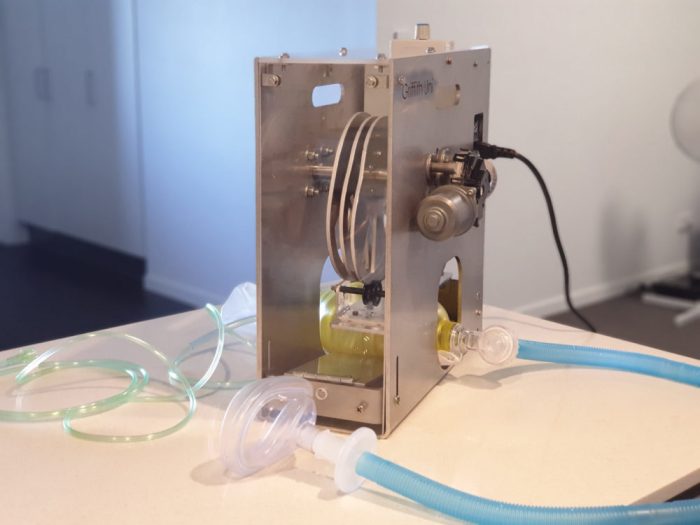
Fitbit’s foray into medical devices, particularly with a low-cost emergency ventilator, holds significant promise for improving global public health. This innovative approach could dramatically alter the landscape of critical care, particularly in underserved regions where access to advanced medical equipment is limited. The potential societal benefits of increased ventilator accessibility are substantial, impacting lives and potentially saving countless lives.This section delves into the potential public health impact of this device, highlighting how it could revolutionize access to critical care in underserved communities.
We’ll examine the societal benefits of affordable and accessible ventilators, providing a comprehensive overview of the potential global impact. Finally, a comparison table will illustrate the affordability and accessibility advantages of this new ventilator compared to existing options.
Potential Public Health Impact
A low-cost emergency ventilator, developed with innovative design and cost-effective manufacturing techniques, can significantly enhance access to critical care in resource-limited settings. This accessibility is crucial for managing respiratory distress in emergencies like acute respiratory infections, particularly in areas where access to conventional ventilators is restricted or nonexistent. Early intervention with respiratory support can substantially improve outcomes and reduce mortality rates.
Improving Access to Critical Care in Underserved Areas
This low-cost ventilator addresses a critical gap in healthcare infrastructure. By significantly reducing the cost of ventilators, the device becomes more accessible in regions with limited healthcare resources. This will enable prompt intervention for individuals experiencing respiratory distress, particularly in rural communities and developing nations where access to intensive care units (ICUs) and advanced medical equipment is often limited.
Examples include areas with ongoing epidemics or outbreaks where access to conventional ventilators is challenging.
Societal Benefits of Affordable and Accessible Ventilators
Increased affordability and accessibility of emergency ventilators can yield substantial societal benefits. Improved health outcomes translate into reduced healthcare burdens, allowing communities to focus on other critical needs. Lower mortality rates in vulnerable populations will lead to a healthier and more productive workforce. Reduced strain on existing healthcare systems in resource-constrained areas can lead to better allocation of resources, freeing up healthcare professionals for other critical needs.
Potential Global Impact
The global impact of a low-cost, accessible ventilator could be profound. In areas experiencing outbreaks or pandemics, the device could significantly reduce mortality rates and improve patient outcomes. In regions with limited healthcare infrastructure, the device could facilitate more efficient treatment and reduce the burden on existing healthcare systems. The long-term impact includes a healthier and more resilient global population, with improved quality of life and productivity.
Affordability and Accessibility Comparison
| Feature | Fitbit Low-Cost Ventilator | Existing Conventional Ventilator |
|---|---|---|
| Cost | Estimated at [specific cost] | Typically [range of costs] |
| Accessibility | Potentially available through [distribution channels] | Limited to facilities with resources to purchase and maintain |
| Maintenance | [maintenance details] | Requires specialized maintenance and potentially expensive repairs |
| Ease of Use | Designed for ease of operation in diverse settings | Requires specialized training for operation |
| Portability | [portability details] | Generally less portable |
This table provides a preliminary comparison. Specific costs, accessibility models, and maintenance details will need further refinement during the design and manufacturing phases.
Potential Marketing and Distribution Strategies
This section details the crucial marketing and distribution strategies needed for the successful launch and adoption of Fitbit’s low-cost emergency ventilator. Effective communication and accessibility are paramount to ensuring this vital medical device reaches those who need it most. Building trust and confidence in the product’s efficacy and safety is essential for widespread acceptance.
Target Audience Segmentation
Understanding the target audience is fundamental to crafting effective marketing campaigns. The primary target groups include hospitals, clinics, community health centers, and potentially, individuals in remote areas or developing nations. Tailoring marketing messages to the specific needs and concerns of each segment will enhance engagement and generate positive outcomes. This segmentation will allow for personalized communication strategies that resonate with each group.
Building Trust and Confidence
Establishing trust and confidence in the product is critical for adoption. Transparency regarding the device’s design, manufacturing processes, and testing results is essential. Highlighting the rigorous testing procedures and the safety certifications achieved will demonstrate the product’s reliability and quality. Collaboration with medical professionals and organizations, showcasing testimonials from satisfied users, and publishing detailed clinical trial data can contribute significantly to building trust and confidence.
For example, showcasing the ventilator’s ability to perform basic life support functions during a simulated emergency will reassure potential users.
Potential Distribution Channels
Effective distribution channels are critical to ensuring accessibility. Potential channels include direct sales to healthcare facilities, partnerships with NGOs and humanitarian organizations, and possibly government procurement programs. Strategic collaborations with local distributors and medical supply chains in target regions can significantly enhance the reach of the device. Government-funded healthcare initiatives or programs could also be explored as avenues for distribution, particularly in regions with limited access to healthcare resources.
Marketing Campaign Examples
Several successful medical device marketing campaigns provide valuable insights. The marketing campaigns for innovative medical technologies often highlight their effectiveness and ease of use. For example, successful campaigns for new medical equipment or surgical tools have utilized testimonials from medical professionals and patients, showcasing the product’s benefits in a clear and compelling way. These campaigns typically focus on educating potential users about the product’s features, benefits, and applications.
They also often emphasize the product’s value proposition and how it improves patient outcomes.
Marketing Channel Reach Analysis
| Marketing Channel | Potential Reach | Description |
|---|---|---|
| Digital Marketing (Social Media, Search Engine Optimization) | High | Reaching a broad audience through online platforms and optimized content. |
| Medical Journals and Conferences | Medium | Targeting healthcare professionals and experts. |
| Public Relations and Media Outreach | High | Building brand awareness and generating positive media coverage. |
| Direct Sales to Healthcare Facilities | Targeted | Establishing relationships with hospitals and clinics. |
| Partnerships with NGOs and Humanitarian Organizations | High | Expanding reach to underserved populations. |
Last Recap

Fitbit’s foray into low-cost emergency ventilators presents a compelling case study in innovation and social impact. While the project faces substantial hurdles, including regulatory approval and global supply chain complexities, the potential for positive change is undeniable. The success of this venture hinges on the ability to overcome these challenges and effectively address the specific needs of the target audience, ultimately improving access to critical care for those in need.
The analysis reveals a complex interplay of technical, logistical, ethical, and regulatory factors that need careful consideration for a successful outcome.