



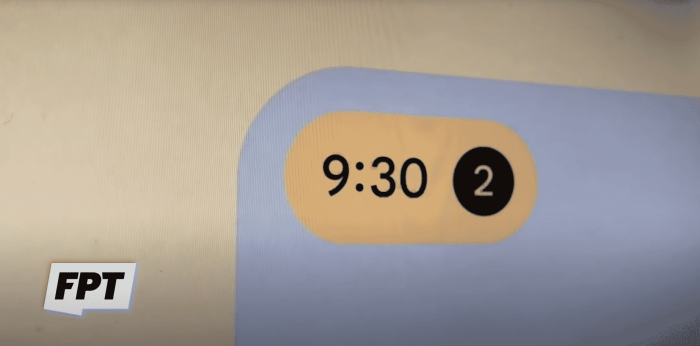
First look android 12 shows updated widgets possible system wide theming – First look Android 12 shows updated widgets, and possible system-wide theming. Initial reports are buzzing about significant changes to the user interface, promising a more personalized and visually appealing experience. The update looks to streamline the widget experience, potentially impacting how users interact with their devices. We’ll delve into the specifics, exploring the potential impact on app development and user experience.
This deep dive examines the reported changes to Android 12, focusing on the updates to widgets and the possibility of system-wide theming. We’ll analyze the technical aspects, potential implications, and user experience considerations, providing a comprehensive overview for both developers and users.
Introduction to Android 12 First Look
The Android 12 “first look” event offered a glimpse into the upcoming operating system, revealing key design choices and features. Early reports and reviews focused on the visual enhancements, the potential for wider system-wide theming, and the evolution of widgets. This early analysis showcased the direction Google is taking with Android, emphasizing user experience improvements.Initial coverage highlighted the importance of customization and the user interface’s evolution towards a more unified and aesthetically pleasing experience.
The event underscored Google’s commitment to user feedback and incorporating suggestions into the development process. The “first look” served as a vital stepping stone in the Android 12 rollout, preparing the public for the major updates.
Key Announcements and Themes
Early reports and reviews highlighted several key announcements. The most significant themes centered on visual improvements, system-wide theming, and the evolution of widgets. The updated user interface emphasized a cleaner aesthetic and enhanced user experience.
Historical Context of Android Updates
Android updates have always been a significant part of the mobile operating system’s lifecycle. The constant evolution of Android versions reflects Google’s dedication to improving user experience, incorporating new technologies, and addressing emerging needs. Each update represents a step forward in terms of functionality, performance, and security. Android 12’s “first look” positioned it within this tradition of continuous development and improvement, promising a smoother, more aesthetically pleasing experience for users.
Major Topics Discussed in Initial Coverage
The initial coverage of the Android 12 “first look” focused on:
- Visual Enhancements: The new visual design language was a key focus. Discussions centered on the new color palettes, typography, and overall aesthetic choices. This shift reflects a conscious effort to provide a more cohesive and appealing user interface.
- System-Wide Theming: The potential for system-wide theming was a notable discussion point. This feature promised greater user control over the look and feel of their devices, aligning with the trend of personalization in mobile operating systems. Early reports suggest the system-wide theming will allow users to customize their device’s appearance across all apps and system elements, including widgets.
- Widget Evolution: The enhanced widget capabilities were prominently featured. Reports showcased new design options, enhanced functionality, and the potential for a more integrated experience with other system components. The updates to widgets suggest a more flexible and user-friendly approach to interacting with information and applications.
Key Takeaways from the First Look Event
The following table summarizes the key takeaways from the Android 12 “first look” event.
| Feature | Description | Impact | Expected Usage |
|---|---|---|---|
| Visual Enhancements | A new design language with improved color palettes and typography. | Improved visual appeal and user experience. | Enhanced aesthetic appeal for all users. |
| System-Wide Theming | Users gain greater control over the look and feel of their devices. | Increased customization options and personalization. | Users can customize their device appearance across all apps and system elements. |
| Widget Evolution | Enhanced functionality, design options, and integration with other system components. | Improved user interaction with information and applications. | Users can interact with information and applications in a more efficient and personalized way. |
Updated Widgets
Android 12’s widget enhancements promise a more personalized and efficient user experience. The updates address a common user pain point: the often-cluttered and less-than-intuitive nature of widgets. These improvements focus on better organization, expanded functionality, and visual consistency across the system.
Android 12’s first look reveals some exciting widget updates and potential for system-wide theming. It’s interesting to consider how these changes compare to the process of transferring iPhone data during an iOS upgrade using iCloud, like you might find on iphone data transfer ios icloud upgrade. Ultimately, these Android 12 features promise a fresh take on user interface customization.
Widget Customization and Organization
The new widget system in Android 12 introduces enhanced customization options, allowing users to tailor widgets to their specific needs and preferences. Users can now arrange widgets in a more intuitive and aesthetically pleasing manner. This improves the visual organization of the home screen and provides a more streamlined experience.
Expanded Functionality
Android 12 widgets are not just static displays; they now offer more dynamic functionalities. This includes features like interactive elements, which provide immediate access to actions and information without requiring users to open an app. For example, a weather widget might allow users to quickly check the forecast or set an alarm based on current conditions. Similarly, a calendar widget could allow users to add events or view upcoming appointments with direct interaction.
Visual Consistency
Android 12 aims for a more cohesive look and feel across the entire system. This is particularly noticeable in widgets. The updated widgets adopt a more streamlined design, with consistent typography, colors, and icons, reflecting the overall design language of the platform. This visual consistency improves the user experience by creating a unified look and feel on the device.
Comparison of Old and New Widget Features
Examples of Enhanced User Experience
Improved widget functionality can significantly enhance user experience. For instance, a news widget with interactive elements could allow users to instantly save articles to their reading list or share them directly on social media. A fitness widget could offer direct control over exercise routines or personalized progress tracking. The possibilities for user engagement and personalization are substantial.
System-Wide theming
Android 12’s potential for system-wide theming marks a significant step forward in user customization. This capability allows users to apply consistent visual styles across the entire operating system, from app interfaces to system elements like icons and widgets. This promises a more cohesive and aesthetically pleasing user experience.System-wide theming offers a powerful way for users to personalize their Android experience.
It’s not just about changing colors; it encompasses fonts, layout styles, and even the overall visual language of the interface. This approach moves beyond the limitations of individual app themes, allowing for a unified and consistent aesthetic across all aspects of the platform.
Android 12’s first look reveals exciting updates, including potential system-wide theming and improved widgets. Meanwhile, news broke that Polestar CEO Thomas Ingenlath is stepping down, a significant change for the electric vehicle company. This move, while unexpected, doesn’t detract from the potential of the new Android 12 features, suggesting exciting possibilities for personalized user experiences. Check out the full details on Polestar’s leadership change here.
The new Android 12 features promise a visually appealing and functional upgrade for users.
Potential Benefits
The primary benefits of system-wide theming lie in enhanced personalization and visual consistency. Users can tailor their devices to reflect their personal preferences or brand identities. A consistent theme across apps and system elements fosters a unified visual experience, making the device feel more cohesive and aesthetically pleasing. This also has the potential to boost user engagement by allowing a strong expression of personal style.
Potential Drawbacks
Implementing system-wide theming comes with potential challenges. One concern is the complexity of ensuring compatibility with a wide array of apps. Developers may not adapt their apps to the new system-wide theme options, resulting in inconsistencies or even broken functionalities. There’s also the risk of overwhelming users with too many customization options, potentially leading to confusion or difficulty in navigating the theming options.
User Customization
System-wide theming directly impacts user customization by offering a granular level of control. Users can now choose themes that align with their personal styles, whether that’s a minimalist aesthetic, a vibrant color scheme, or a classic look. The potential for diverse customization will undoubtedly attract a wider user base and provide a deeper connection to the device. Moreover, this can foster a sense of ownership and pride in their personalized devices.
Design Implementations
The design of system-wide theming could take various forms. One approach could involve pre-built themes, ranging from light and dark modes to more intricate custom styles. Another possibility is allowing users to create and save their own themes, giving them complete control over the visual elements. This could include options to select custom colors, fonts, and layout styles.
Theme Options and Visual Impact
| Theme | Colors | Fonts | Layout |
|---|---|---|---|
| Classic | Muted tones, predominantly greys and browns | Serif fonts, like Times New Roman or similar | Clean, traditional layout with clear distinctions between elements |
| Modern | Vibrant, bold colors, perhaps gradients | Sans-serif fonts, like Arial or a contemporary alternative | Sleek, minimalist layout, emphasizing visual impact |
| Dark Mode | Darker shades, often blacks and greys | Font styles similar to light mode, with adjustments for readability | Layout maintains functionality and readability in the dark mode |
The table illustrates potential theme variations. The visual impact of each theme will be determined by the specific color, font, and layout choices within each theme.
Implications and Potential: First Look Android 12 Shows Updated Widgets Possible System Wide Theming
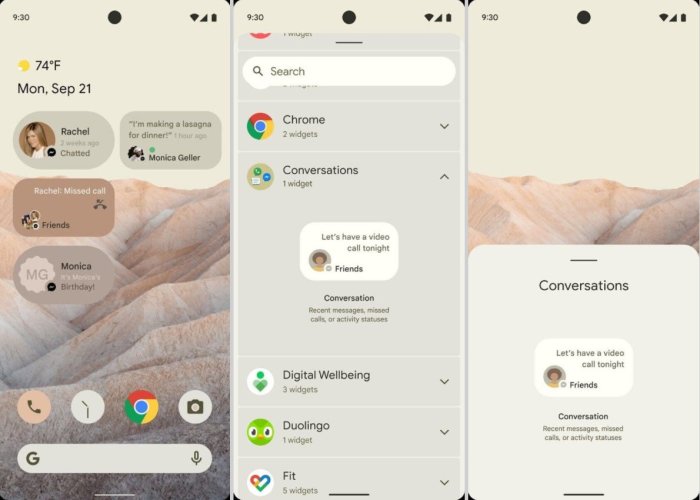
Android 12’s updated widgets and system-wide theming promise a significant shift in mobile app development and user experience. These features empower developers with greater control over visual consistency and user interaction, potentially leading to more engaging and intuitive applications. This evolution necessitates a re-evaluation of design patterns and a proactive approach to adapting existing applications.The updated widget framework, coupled with flexible theming options, opens exciting possibilities for enhancing user interaction and app personalization.
Developers can now create more dynamic and visually appealing interfaces, fostering a more seamless user experience. This enhanced capability allows for a more tailored approach to app design, which aligns with the increasing user expectation for personalization and customization.
Impact on App Development
The updated widgets offer a more powerful and versatile toolkit for app developers. This translates into improved user engagement, as developers can create widgets that directly interact with core app functionalities. The flexibility of widget customization allows for more granular control over user interaction, allowing apps to respond dynamically to user input and preferences. This, in turn, can create more interactive and personalized experiences for users.
Adaptation to System-Wide Theming
System-wide theming capabilities require developers to adopt a design philosophy that prioritizes visual consistency across different apps. Developers must account for variations in user preferences and device settings, ensuring a cohesive look and feel across the entire system. This approach fosters a consistent and harmonious aesthetic for the user.
Potential Improvements to User Interface Design
The new system-wide theming options and updated widgets can lead to a more visually appealing and intuitive user interface. Designers can now create more sophisticated and interactive interfaces, making apps feel more responsive and engaging. By using dynamic elements and responsive designs, the user experience will be enriched with greater personalization.
Examples of Revolutionizing Mobile User Experiences
One example of a potential revolution in mobile user experience is the creation of highly interactive and dynamic dashboards for finance apps. Widgets can display real-time data, and system-wide theming can personalize the display to match the user’s preferences, thereby providing a streamlined user interface.Another example is in productivity apps. The new widgets can provide quick access to key functionalities, while the theming options can allow users to personalize the app’s appearance to align with their workflow.
This creates a highly responsive and efficient user interface.
Potential App Design Patterns
| Feature | Design Pattern | Example |
|---|---|---|
| Updated Widgets | Interactive Dashboard | A weather app displaying a widget showing current conditions, forecasts, and alerts. |
| System-Wide Theming | Dynamic Color Scheme | A note-taking app adjusting its colors based on the system-wide theme selected by the user. |
| Updated Widgets | Contextual Information Display | A calendar app displaying a widget showing upcoming events and reminders for the current day. |
Technical Analysis of Features
Android 12’s first look reveals promising updates, particularly in widget customization and system-wide theming. Understanding the underlying technical aspects is crucial to appreciating the potential impact. These advancements could significantly enhance user experience and streamline development processes.
Android 12’s first look is pretty exciting, with updated widgets and potentially system-wide theming. This fresh approach is certainly interesting, and it’s worth considering how these improvements might impact the overall user experience. Meanwhile, news about Meta’s COO, Javier Olivan, and a new Facebook Sandberg era ( meta coo javier olivan new facebook sandberg ) is also buzzing.
Regardless, these updates to Android 12 seem like a positive step forward in design and customization.
Potential Widget API Enhancements
The new widget APIs likely introduce more granular control over widget behavior and interaction. This could involve improved responsiveness, dynamic updates triggered by system events, and more sophisticated data display mechanisms. Developers might be able to create widgets that adapt to different screen sizes and densities with greater ease. Potentially, the new APIs could support real-time data updates from various apps without requiring constant user interaction.
System-Wide Theming Architecture
Android’s system-wide theming approach likely leverages a more modular and extensible architecture. This allows themes to be applied across various system components, from UI elements to app interactions. A key technical consideration is the ability to maintain consistency across diverse hardware configurations and user preferences. The architecture should address potential performance implications when numerous themes are applied simultaneously.
For example, if a user changes the system theme to a dark mode, all applications and system elements should adapt accordingly.
Architectural Changes to Android’s Core System
Android 12’s updates might include changes to the core system’s architecture to facilitate the new theming features. This could involve modifying existing APIs or introducing new ones to manage theme application and consistency. Crucially, the changes must ensure backward compatibility for existing apps.
Performance Implications of New Features
Introducing new APIs and a system-wide theming engine can potentially impact performance. A significant consideration is the efficiency of theme loading and application. The impact on resource consumption and overall responsiveness needs careful consideration. The new system should not introduce significant delays or performance bottlenecks. For example, transitioning between light and dark modes should be smooth and instantaneous.
Technical Details of the New Theming Engine
The new theming engine utilizes a layered approach, decoupling theme application from individual UI components. This allows for a more dynamic and flexible theme application process. It employs a caching mechanism to reduce the overhead of applying themes across multiple applications. The engine is designed to be efficient in resource usage and maintain high responsiveness. The architecture utilizes a central theme repository to store and manage various themes.
User Experience and Design Considerations
Android 12’s focus on updated widgets and system-wide theming presents exciting opportunities to enhance user experience. Developers now have powerful tools to create more intuitive and visually appealing apps, while users can expect a more consistent and personalized interface across their devices. These improvements, however, require a thoughtful approach to design.Understanding how these features impact user interaction and how to effectively leverage them is crucial for developers to build compelling and engaging applications.
Careful consideration of design choices, from widget placement to theme integration, is paramount for delivering a seamless and enjoyable user experience.
Potential User Experience Improvements
The new widget framework offers greater flexibility in how information is presented. Users can now customize their home screens with dynamic and informative widgets, accessing critical data at a glance. System-wide theming provides a consistent visual language across the entire operating system, enhancing the aesthetic appeal and creating a cohesive user experience. Improved accessibility features also contribute to inclusivity by providing users with greater control over their devices.
Design Considerations for Developers
Building apps for Android 12 necessitates a shift in design thinking, embracing the new capabilities while maintaining compatibility with existing user expectations. A critical consideration is the responsiveness and functionality of widgets within the new framework. Careful attention to layout, size, and interaction design will ensure intuitive operation. Developers must also consider how their apps will integrate with the new system-wide theming capabilities, ensuring visual consistency and appealing designs across different user preferences.
Recommendations for Creating Intuitive and Engaging User Interfaces, First look android 12 shows updated widgets possible system wide theming
Developing user-friendly interfaces hinges on a deep understanding of user behavior and needs. Developers should prioritize clarity and simplicity in their designs, minimizing distractions and maximizing accessibility. Prioritize the use of high-quality visuals and appropriate color palettes to maintain a professional and engaging appearance. Consider the diverse range of device configurations and screen sizes, ensuring optimal display and functionality on all supported platforms.
Examples of Best Practices in Incorporating New Widgets
To effectively incorporate the new widgets, developers should prioritize informative and actionable displays. For example, a weather widget could display not only the current temperature but also a short-term forecast. A calendar widget could incorporate a clear visual representation of upcoming appointments. Focus on clarity and conciseness, avoiding clutter or overwhelming the user.
Design Considerations for System-Wide Theming
Consider the use of complementary color schemes and consistent typography to maintain a unified look and feel across your app and the operating system. Ensure that text remains legible and easily readable, even with various system-wide theme options. Maintain the accessibility features, ensuring the user interface is usable for users with visual impairments or other accessibility needs.
Table Summarizing Key User Experience Considerations
| Consideration | Description | Example |
|---|---|---|
| Widget Functionality | Widgets should be informative and actionable, providing quick access to essential data. | A weather widget displaying current conditions and a short-term forecast. |
| Theme Integration | Apps should adapt seamlessly to system-wide themes, maintaining visual consistency. | Employing a dynamic color palette that adjusts to the system theme, ensuring the app retains a cohesive aesthetic. |
| Accessibility | User interfaces must be usable for all users, including those with disabilities. | Ensuring sufficient color contrast and clear text sizes for users with visual impairments. |
| Responsiveness | Widgets and layouts should adapt to various screen sizes and device configurations. | Developing widgets that dynamically adjust their size and content based on available screen space. |
Conclusive Thoughts
Overall, Android 12’s “first look” suggests a significant leap forward in terms of user customization and app development opportunities. The updated widgets and potential system-wide theming offer a tantalizing glimpse into the future of mobile interfaces. While early impressions are positive, the full impact will unfold as developers and users adapt to these new features. Stay tuned for more in-depth analysis and discussions!